TiZ Calls for Higher Standards Ahead of 2026 Polls
Transparency International Zambia has stated that the standard of leadership a country enjoys is directly linked to the integrity of its elections, stressing that democratic societies rise or fall on the strength of the processes that produce their leaders. The organisation noted that Zambia’s political stability and governance record depend heavily on whether national electoral exercises are conducted credibly, transparently, and without undue influence.
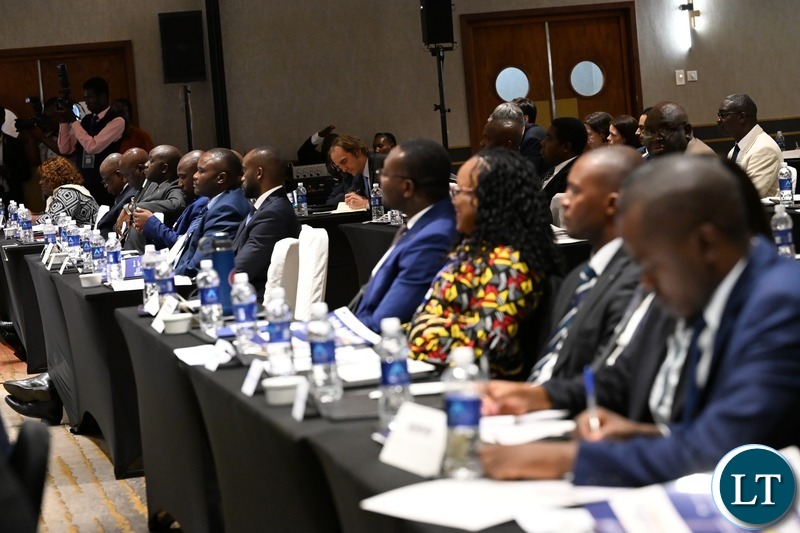
During a media engagement, TiZ representatives explained that credible elections are not defined only by voting day activities, but by the entire chain of events leading up to the poll. They highlighted voter registration, boundary delimitation, campaign conduct, the role of law enforcement, media freedom, and the operations of oversight institutions as essential components in shaping the credibility of any election. According to the organisation, weaknesses in these areas can dilute public confidence even before ballots are cast.
TiZ emphasised that countries that allow opaque practices or political interference in electoral processes often end up with leadership that lacks legitimacy. The organisation argued that legitimacy is earned when citizens see an election process that is fair, efficient, predictable, and anchored in law. Transparency, they noted, is the principal safeguard against disputes, mistrust and instability.
The organisation also assessed the wider climate around Zambia’s upcoming electoral cycle. They warned that administrative bottlenecks, poorly communicated timelines, or selective application of regulations can distort the process long before the vote. They stated that unclear rules or late changes often disadvantage some participants and create suspicion among political stakeholders, sentiments they say should be avoided if the country is to sustain democratic gains.
According to TiZ, fair competition among political groups is only possible when the playing field is not tilted in favour of any participant. They stressed that the enforcement of campaign rules, equal access to public media, timely adjudication of electoral disputes, and the professionalism of the Electoral Commission and police service all contribute to the credibility of the final outcome. They pointed out that a country cannot expect the public to accept election results if many aspects of the process appear compromised.
The organisation further stated that transparency extends to the behaviour of political leaders. They encouraged all political actors to refrain from inflammatory language that may influence law enforcement agencies or intimidate voters. TiZ said the tone set by leaders shapes public perception of whether an election is competitive and open. A climate of fear, according to the organisation, reduces voter confidence and discourages participation.
TiZ also addressed the issue of public trust in state institutions. They argued that institutions responsible for elections must operate independently, without instructions from political offices or private interests. They emphasised that public trust is strengthened when institutions act with consistency, follow established procedures, and engage openly with concerned groups. The organisation added that unexplained decisions or abrupt shifts in administrative actions weaken confidence and generate unnecessary conflict.
The organisation urged citizens to participate actively in the electoral cycle, noting that voter responsibility extends far beyond merely casting a ballot. They encouraged the public to verify their details in the register, monitor campaign activities in their communities, and report irregularities through established channels. They noted that civic vigilance is critical to protecting the integrity of elections and discouraging misconduct.
TiZ also highlighted the role of civil society in strengthening transparency. They noted that independent observers, legal advocacy groups, youth networks and faith-based organisations all contribute to safeguarding the process. Their role, they said, includes educating voters, providing neutral oversight, and advocating for reforms when gaps emerge.
On the international front, the organisation said Zambia’s reputation for peaceful transitions should not be taken for granted. They noted that many countries that once enjoyed stability began to erode their democratic foundations after tolerating minor irregularities. They cautioned that democratic backsliding often begins subtly, with routine procedures being weakened gradually until they no longer function as intended.
TiZ called for a collaborative effort among all stakeholders to ensure the 2026 electoral cycle reflects high standards. They stated that the credibility of an election is determined by what happens before, during and after the vote, and insisted that no part of the process should be overlooked. They added that election management bodies must demonstrate readiness to respond to concerns promptly and professionally.
The organisation concluded by stating that Zambia has the institutional experience and national will to conduct credible elections, but warned that confidence can only be restored and strengthened when processes remain transparent from start to finish. They encouraged every stakeholder — political actors, institutions, civil society and citizens — to commit to practices that uphold the integrity of the electoral system.