

THE FRAUD AT THE HEART OF BILL 7: HOW HAKAINDE HICHILEMA HAS HIJACKED ZAMBIA’S CONSTITUTIONAL ORDER
By Amb. Emmanuel Mwamba
Bill 7 is more than a defective document. It is an unlawful, fraudulent attempt to force constitutional amendments through a process that sits entirely in the hands of one individual, Hakainde Hichilema. Calling this an executive project is inaccurate. This is not institutional governance. This is personal control over a national process that should be protected from political interference.
The public has been told that government is steering a formal exercise. That claim collapses under scrutiny. The Judiciary has been bypassed. Parliament has ignored binding guidance. Constitutional safeguards have been treated like optional advice. The entire operation reflects a deliberate move to keep authority concentrated in State House while presenting an image of institutional legitimacy.
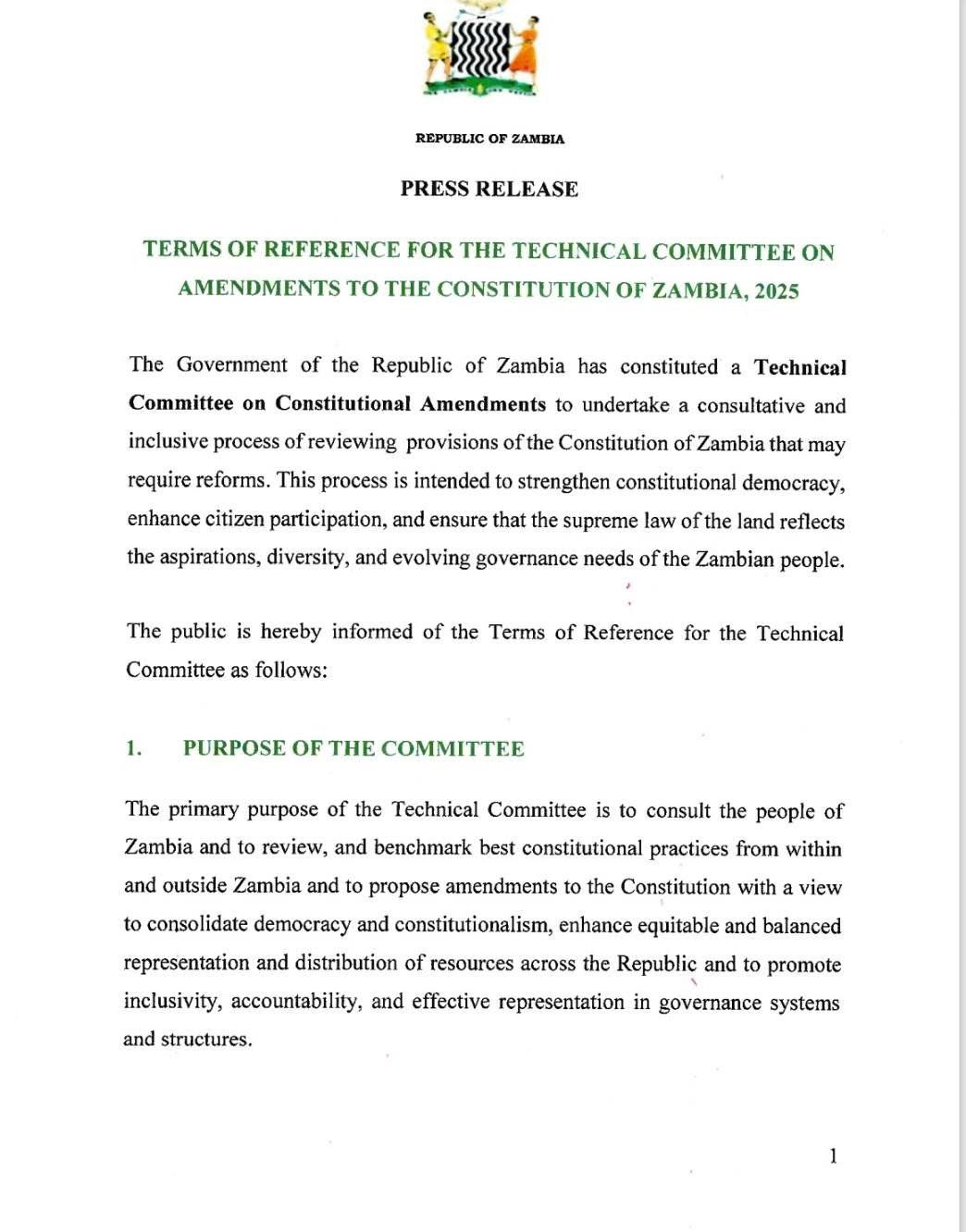
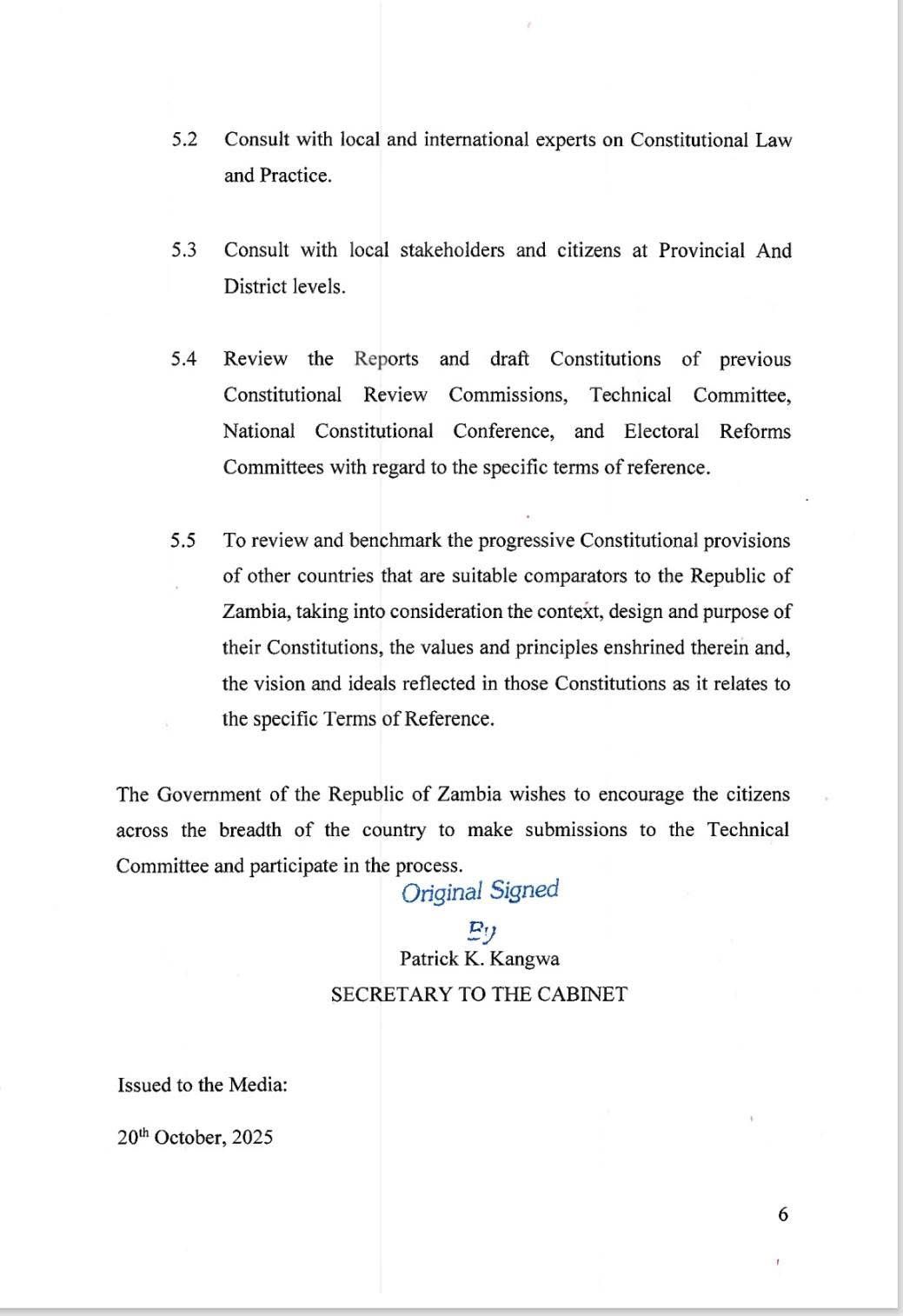
The constitutional amendment pathway that produced Bill 7 was never grounded in law. The Constitutional Court struck down the Constitution of Zambia (Amendment) Bill No. 7 of 2025 in June. It ruled that the process lacked a legal framework, an independent body of experts, and genuine national participation. Instead of complying, President Hichilema pushed ahead with a Technical Committee that lacked legitimacy from the start. It operated without Terms of Reference for weeks and only received them after public pressure. The foundation is unsound. The outcome is already contaminated.
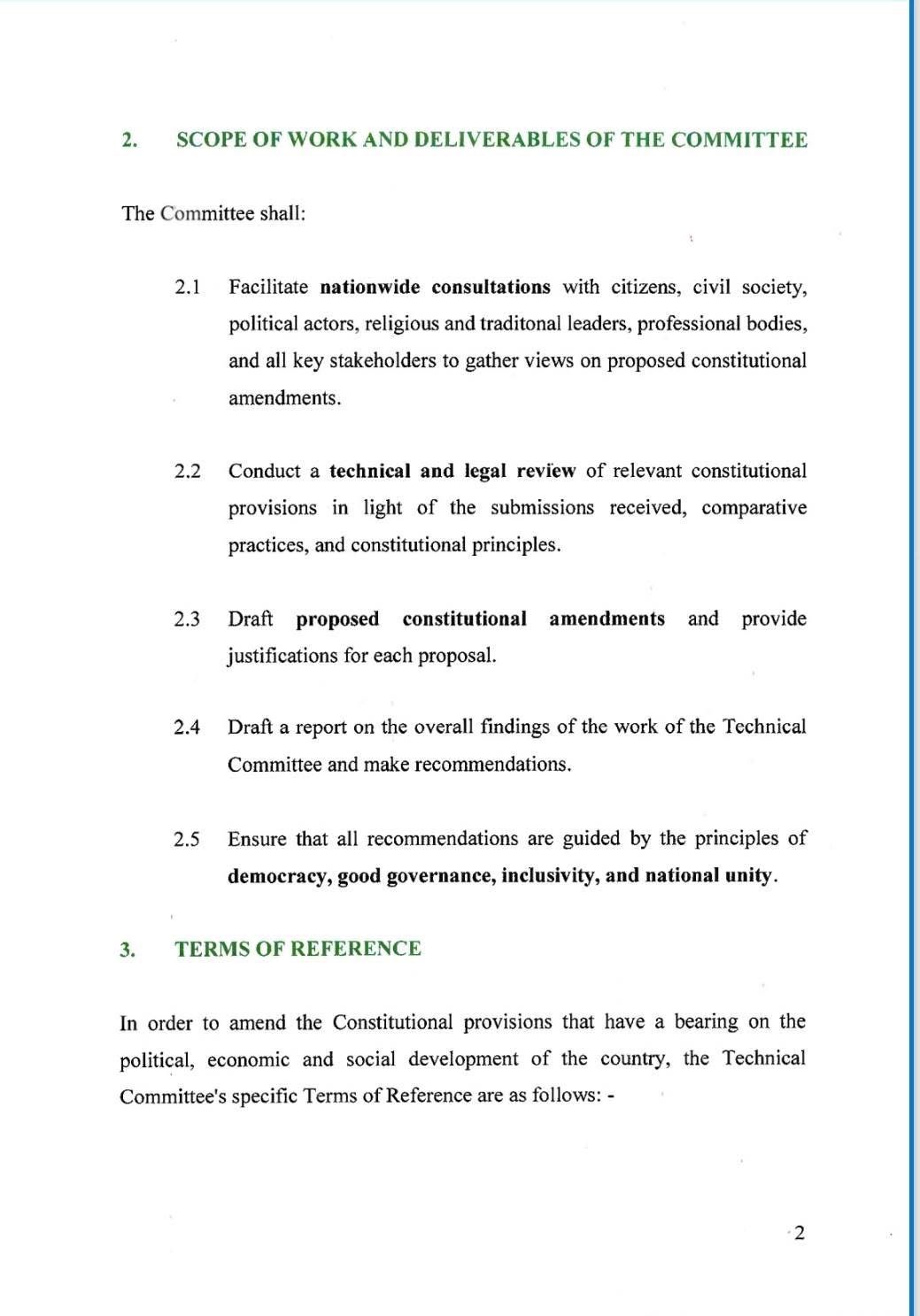
The public was promised transparency. Instead, the Draft Constitution has been hidden. Under Terms of Reference 2.3 and 2.4, the Technical Committee was obligated to produce both a Draft Constitution and a full report. These documents are mandatory. They have not been released because they would expose contradictions between what the committee heard, what it wrote, and what Bill 7 seeks to impose. If the Draft Constitution aligned with government’s agenda, it would have been published immediately. Its concealment speaks louder than any official statement.
Parliament has not acted independently either. When the Court invalidated Bill 7, the Speaker and the Justice Minister had a duty to withdraw it. They did not. Petitioners requested contempt proceedings, yet the matter has stalled. As a result, an unconstitutional Bill remains active because it offers the President the fastest route to enact changes without scrutiny. The law has not been stretched. It has been set aside.
Even the numbers used to justify this process fail under basic verification. President Hichilema claimed that the Technical Committee received 11,860 submissions, describing this as the highest level of participation in the country’s history. The statement is false. The Willa Mung’omba Commission collected 12,569 submissions across all constituencies between 2003 and 2004. That process had structure, legitimacy, and national reach. The current one does not. The attempt to inflate figures is a tactic to cover the shallow nature of an improvised exercise.
The dialogue narrative has also been manipulated. When civil society and the Oasis Forum prepared to protest, the President quickly invited them to State House. The timing was tactical. The move defused the momentum behind the march. Afterward, government assembled a selective list of organisations to create the impression of broad support. Those with real objections were sidelined. Those willing to applaud were elevated. The Oasis Forum, which engaged respectfully, now finds itself overshadowed by gatherings choreographed to justify the revival of Bill 7.
The strategy is simple. Avoid releasing the Draft Constitution because it would force a proper process. Avoid a new legal framework because it would require independence, time, and national participation. Push Bill 7 because it is fast, narrow, and controlled. Every shortcut leads back to the same destination. Constitutional change through a defective, unlawful, fraudulent Bill.
Zambia is now watching a constitutional coup unfold in plain view. The Judiciary’s ruling has been ignored. Parliament has refused to withdraw an unconstitutional document. Civil society has been divided. The Technical Committee has been reduced to a political tool. The Draft Constitution is hidden. The entire operation is directed by one person.
This is not how democratic nations revise their constitutions. This is how power is centralised without consent.
Bill 7 is an assault on process, an assault on participation, and an assault on Zambia’s constitutional order. A constitution does not belong to a ruling party. It does not belong to Parliament when Parliament refuses to act within the law. It does not belong to a President who sets aside judicial rulings.
This belongs to the people.Zambia has seen difficult constitutional moments before, but none built on this level of concealment and disregard for legality. The public must not remain silent while a fraudulent process produces a fraudulent constitution.





Tuli ndwi!