Wednesday, June 10, 2026
18.7 C
Lusaka
Home Blog Page 228

HH Considers Opposition Appeal for Broader Consultation

3

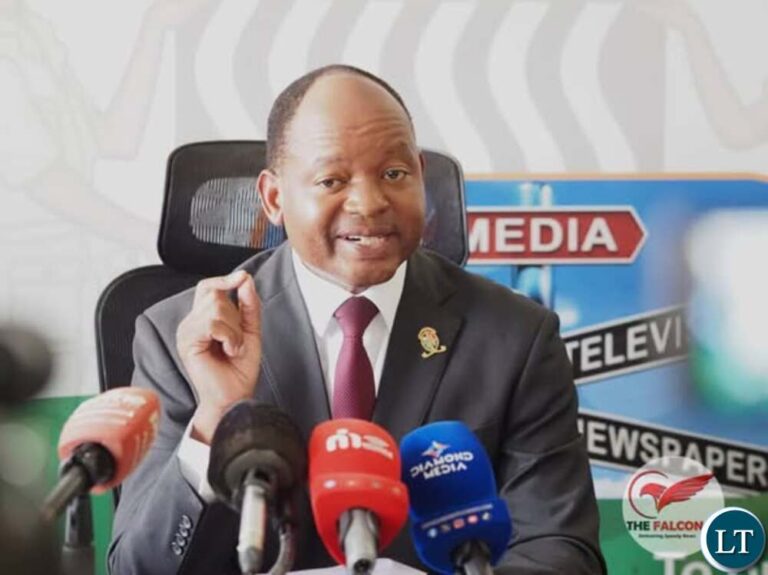
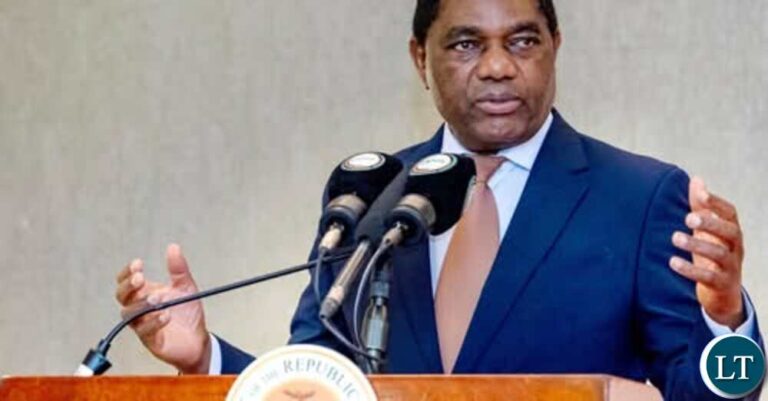
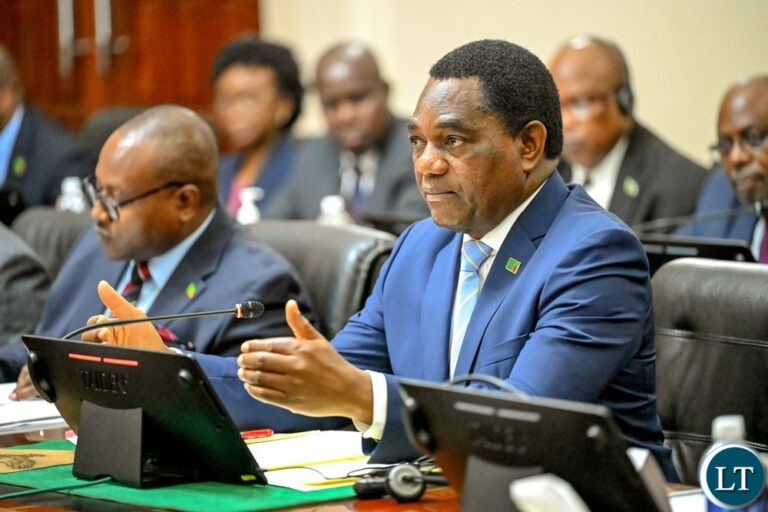
President Hakainde Hichilema has acknowledged receiving a formal letter from a group of opposition political leaders outlining concerns related to the current constitutional reform process under Bill 7. The communication was delivered to State House earlier this week and has since been confirmed by Chief Communications Specialist Clayson Hamasaka, who stated that the President had taken note of the issues raised and would consider them within the broader context of national consultations.

Mr Hamasaka explained that State House had already provided general clarification on aspects of the reform process in recent public statements, but the letter from the opposition would still form part of the documentation being reviewed as government prepares for wider engagement. He said the President valued dialogue that contributes to strengthening national governance, even where views differ on the direction or pace of reforms.

The opposition leaders, whose identities were not listed in the front-page summary, argued in their letter that the reform process required deeper consultation and should reflect broader national consensus rather than be driven by the Executive alone. They expressed concerns about transparency, timing, and the level of public participation available so far. According to the letter, they believed that more inclusive mechanisms were necessary to protect the integrity of constitutional changes.

Mr Hamasaka stated that the President had no objection to receiving the letter and maintained that all voices, including the opposition, would be taken into account. He noted that President Hichilema had consistently encouraged constructive engagement, particularly on matters of national importance such as constitutional reform. He added that the government was committed to ensuring that submissions from different stakeholders were recognised and processed appropriately.

The Chief Communications Specialist stressed that State House viewed the reform process as part of a broader dialogue that should involve not only political groups but also civil society organisations, religious bodies, professional associations, and institutions with an established interest in governance. He said the President had repeatedly emphasised the need for sincerity and civility in national discussions, particularly where constitutional matters are concerned.

The letter reportedly proposed alternative pathways to managing amendments, including a phased approach that would allow for deeper public education, targeted consultations and a summary of consensus points before any bill is taken through Parliament. It also urged State House to ensure that submissions already made by various groups, especially civic organisations, were not overlooked.

Mr Hamasaka reiterated that the President believed engagement must be open and transparent but also realistic in terms of time and legislative procedures. He said the opposition’s concerns would be examined together with other submissions from groups that had met the President in recent weeks. These include clergy representatives, youth organisations, civic associations and professional bodies, many of whom have publicly shared their positions on the pace and substance of the amendment process.

The Chief Communications Specialist stated that although disagreements were expected, there was value in acknowledging the role of the opposition in democratic governance. He added that the President had always encouraged political leaders to participate meaningfully rather than limit themselves to commentary without offering solutions. In his view, structured dialogue could reduce tensions and provide clarity on areas where political actors diverged.

Mr Hamasaka also highlighted that government had continued to emphasise the importance of respecting institutional procedures. He said constitutional amendments required careful handling because they involved the fundamental legal framework that guides the operations of the state. The administration, he noted, intended to ensure that whatever amendments are ultimately presented to Parliament reflect a fair consideration of the positions expressed by stakeholders.

He added that although public debate had intensified around certain provisions, the reform process remained open and would accommodate further submissions. He urged all political actors and interest groups to use recognised channels to make their contributions so that the conversation remains organised and reflective of national priorities.

The President’s response, according to Mr Hamasaka, aligns with his ongoing message of promoting constructive engagement and national cohesion. He said that while disagreements over constitutional matters were normal, the goal should always be to advance Zambia’s governance framework rather than deepen political divisions. State House, he emphasised, remained committed to ensuring that the reform process is conducted with professionalism and sensitivity to the expectations of citizens.

The Chief Communications Specialist underscored that the President viewed the receipt of the letter as part of the ongoing democratic process, not as an adversarial confrontation. He encouraged political leaders to focus on substance rather than rhetoric and to engage in dialogue that produces outcomes beneficial to the country. He concluded by noting that the President would continue to welcome constructive submissions as the amendment process progresses.
Executive Pushes Ahead with Bill 7 amidst Concerns.

EXECUTIVE PUSHES AHEAD WITH BILL 7 AS COURT RULINGS, PROCEDURES AND PUBLIC CONCERNS ARE SIDELINED

By Morgan Choolwe

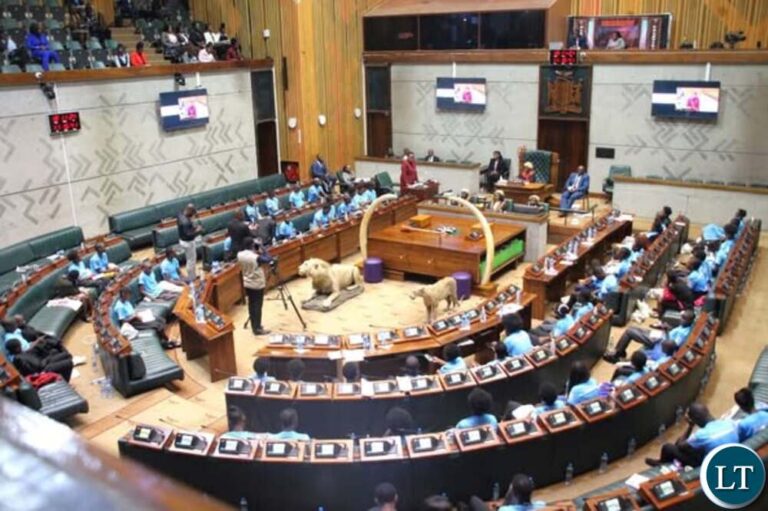
The constitutional amendment process surrounding Bill 7 has entered a new and contentious phase, with the Executive pressing forward despite a Constitutional Court judgment, Standing Orders, and the Technical Committee’s own report indicating that the Bill cannot lawfully proceed. The developments have raised concerns about the legitimacy of the process, the treatment of stakeholders, and the broader effect on public confidence in constitutional reform.

Bill 7 was halted earlier in the year when the Constitutional Court ruled that the process leading to the amendment was unconstitutional. The ruling effectively rendered the Bill a nullity, as an unlawful process cannot anchor a valid constitutional amendment. The Standing Orders of the National Assembly reinforce this position by blocking any revival of a lapsed Bill during the same parliamentary session and requiring gazetting for any materially altered version. Despite these restrictions, the Executive has positioned Bill 7 back on the parliamentary agenda without rectifying the defects identified by the Court or following the procedural steps required by the Standing Orders.

The return of Bill 7 to Parliament has created concern among those following the process closely, particularly because the core parameters of the amendment remain unchanged. The Technical Committee, established to draft amendments and produce a detailed evaluative report, delivered its work on 1 December 2025. However, its output did not alter the direction or substance of the amendment. The committee’s role has been questioned, with observations that the Executive treated its draft and report as formalities rather than as substantive guidance or corrective mechanisms. The unchanged return of Bill 7 to Parliament has contributed to perceptions that the committee served mainly as a procedural layer rather than an independent phase of reform.

Concerns have also emerged over the contrasting manner in which different civil society organisations were engaged during the consultation period. A meeting held on Friday with organisations that openly supported Bill 7 was carried live on television, with prepared speeches and coordinated presentations. The broadcast created the appearance of broad support, allowing the Executive to frame the constitutional review as inclusive and publicly endorsed.

In contrast, the meeting with the Oasis Forum was held off camera, despite the organisation’s longstanding engagement on constitutional reform and its widely known objections to the process. The Oasis Forum has not opposed constitutional amendments themselves but has consistently raised questions about the legality, timing and pace of the Bill 7 process. The closed meeting limited transparency on their contributions and concerns, and it occurred shortly before the Technical Committee’s submission was delivered. This sequence, together with the rapid return of Bill 7 to Parliament, has fuelled views that the Executive sought to limit the public visibility of dissenting voices while amplifying supportive ones.

The decision to hold a televised session for selected organisations and a closed session for the Oasis Forum formed part of a broader pattern that civil society groups have highlighted. These groups point to the timeline of events, the procedural choices made, and the lack of meaningful incorporation of stakeholder feedback as indicators of a predetermined outcome. The timing has also drawn attention, occurring just days before protest actions planned by organisations opposed to the amendment process. The Executive’s strategy has been interpreted as an effort to dilute or pre-empt public mobilisation by projecting an image of consensus ahead of parliamentary deliberation.

The Technical Committee’s report, which outlined the necessary conditions for a lawful and credible amendment process, has not shifted the Executive’s position. The Bill’s reintroduction in its previous form points to an insistence on maintaining the initial framework, despite judicial findings, procedural barriers and public appeals for broader consultation and transparency. This has intensified debate over the state of constitutional governance and the relationship between the Executive, Judiciary and Legislature.

Across the governance landscape, the central issue remains unchanged: the Bill was nullified by the Constitutional Court due to its unconstitutional foundation. Given that a Bill cannot be resuscitated once lapsed and cannot be reintroduced in the same session without meeting specific procedural requirements, its return to the House has placed Parliament in a difficult position. If advanced without correcting the original defects, the process risks contradicting the very constitutional standards it seeks to amend.

As the debate continues, the focus remains on whether constitutional changes can proceed in a manner that upholds legality, transparency and public trust. With stakeholders divided and key institutional safeguards overlooked, the future of Bill 7 continues to raise questions about the integrity of the amendment process and the balance of power among Zambia’s governing institutions.

Minister Mweetwa Clarifies Intent of Constitutional Amendment Bill

0

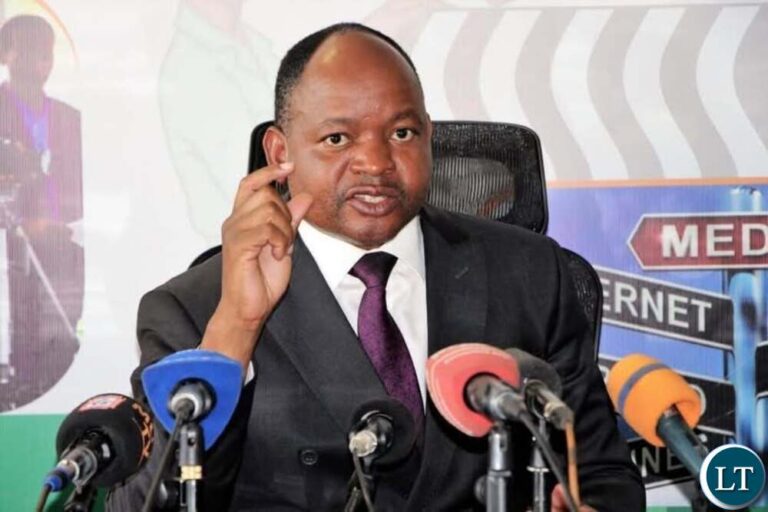
Minister of Information and Media Cornelius Mweetwa has stated that the constitutional amendment process is solely intended to strengthen Zambia’s electoral framework and not to grant any advantage to President Hakainde Hichilema.

Minister Mweetwa asserted that Bill No. 7 aims to address long-standing loopholes that, if unresolved, could disrupt the 2026 elections. He emphasized the bill’s focus is on creating certainty and stability in the electoral process, not on politics or personal gain.

“We cannot afford to have the electoral process thrown into disarray at a critical time. Bill 7 provides the clarity needed to avoid that scenario,” Mweetwa said.

He highlighted unresolved issues regarding election petitions, including ambiguous timelines for hearings and rulings, which have historically led to uncertainty and tension. “Without clear rules, disputes are inevitable. We are taking action to prevent confusion before it escalates,” he added.

Addressing concerns about timing, Mweetwa described the move as preventive rather than reactive. He also clarified that the government did not abandon consultations with groups like the Oasis Forum but merely paused them while Parliament resumes its legislative work.

“The bill being returned is the same one that was previously deferred, as legal frameworks do not allow a completely new bill to be introduced at this stage. Bill 7 is enriched by public input and technical recommendations,” he explained.

Minister Mweetwa encouraged citizens, civil society, and all stakeholders to participate in the upcoming review by the Parliamentary Select Committee, reiterating that the process remains inclusive and transparent.

Zambia Passes Landmark Occupational Health and Safety Bill

0

Parliament has passed the Occupational Health and Safety Institute (OHSI) Bill No. 17 of 2025, paving the way for a major overhaul of workplace safety regulations in Zambia. The bill now awaits presidential assent to become law.

The legislation replaces the outdated 2010 Occupational Health and Safety Act, which primarily focused on the mining sector. The new framework expands coverage to all industries, granting the OHSI stronger enforcement powers and a restructured board.

A central provision of the bill mandates the establishment of health and safety committees in every workplace. These committees are designed to foster collaboration between employees and management to prevent accidents and occupational illnesses.

Minister of Labour and Social Security, Brenda Tambatamba, stressed the significance of the reforms: “This law is about protecting lives and ensuring that every worker can operate in a safe environment. Safety is not just a guideline, it is a responsibility shared by all.”

According to a statement from the ministry, the bill empowers OHSI inspectors to shut down workplaces that pose an immediate danger. It also ensures that safety decision-making involves both workers and employers through inclusive committees.

To support the implementation, the government has revised fees for occupational health examinations via Statutory Instrument No. 70 of 2025—the first adjustment since 2003. The updated fees cover pre-employment, periodic, post-employment, and postmortem checks, aimed at ensuring the institute has the necessary resources to operate effectively.

With these stronger enforcement tools and collaborative structures, the OHSI Bill is expected to enhance safety and accountability in workplaces across the country.

Attorney General Argues President Cannot Be Sued Personally Over Official Duties

1

Attorney General Mulilo Kabesha has submitted to the Constitutional Court that President Hakainde Hichilema cannot be sued in his personal capacity for actions taken in the course of his official duties.

The submission is in response to a petition filed by PF presidential hopeful Brian Mundubile and party member Celestine Mukandila. The petitioners are asking the court to declare President Hichilema ineligible to stand as a candidate in any future election, alleging that his actions in initiating a constitutional amendment process were unconstitutional.

They seek declarations that the President and the Attorney General acted unconstitutionally by initiating Constitutional Amendment Bill No. 7 of 2025 without conducting wide and inclusive consultations, arguing this contravenes several articles of the Constitution. They contend the President breached his oath of office, which should disqualify him from seeking re-election. The petitioners referenced a prior Constitutional Court guidance which stated that a people-driven process led by an independent body of experts should be followed for constitutional amendments.

In his submissions, the Attorney General argued that all matters arising from the President’s executive functions are the legal responsibility of the Attorney General, who is the proper party to be cited in court. He stated, “The 1st Respondent cannot be sued in his individual capacity for official acts within the exclusive Presidential authority… the 2nd Respondent is the legally permissible party to be cited for all official acts and omissions of the Republican President.”

The Attorney General further argued that the court’s prior guidance does not limit the President’s constitutional power to initiate amendments. He stated, “The Judiciary cannot invent and legislate any procedures and processes or bodies such as an independent body of experts to represent the People of Zambia in conducting wide consultations outside of Article 79 of the Constitution.”

He explained that Zambia’s Constitution distinguishes between the constituted power of elected representatives to propose amendments and the reserved constituent power of the people exercised via referendum. He noted the proposed amendments do not create a new constitution nor affect its basic structure.

The Attorney General asked the court to dismiss the petition, declare that Articles 79, 64, 88, and 92 provide the sole procedure for amending the Constitution, and confirm that the Basic Structure Doctrine does not apply in Zambia. He also seeks costs.

The case continues in the Constitutional Court.

Minister Mubanga Eyes Shiwang’andu Parliamentary Seat in 2026

0

Small and Medium Enterprise Development Minister Elias Mubanga has announced his interest in contesting the 2026 parliamentary elections for the Shiwang’andu Constituency under the UPND.

Currently serving as a nominated Member of Parliament, Mr. Mubanga stated his readiness to represent his home area, emphasizing a deep-rooted desire to drive its development.

The minister, who made history as the first-ever holder of his portfolio in September 2021, expressed confidence in securing the constituency’s vote. He cited his longstanding presence on the ground, including a 2016 electoral attempt and personal development initiatives such as funding the construction of a clinic at Mukwikile Chiefdom in 2015.

Mr. Mubanga highlighted his focus on economic empowerment through farming and entrepreneurship, cautioning against a dependency on handouts. He noted that he has provided capacity-building, resources, and farming equipment to encourage sustainable livelihoods.

Praising the UPND administration, he pointed to policies like free education and the Constituency Development Fund (CDF) as transformative. He also stressed the need to equitably distribute national resources, including through constituency delimitation.

If elected, Mr. Mubanga aims to be remembered as an honest MP who provided investment ideas, not just funds. He reiterated his commitment to teaching people “how to fish” rather than simply giving them fish.

He added that should he not win, he would continue supporting development in Shiwang’andu by collaborating with the elected MP, while also focusing on his entrepreneurial ventures and party activities.

President Hichilema to Respond to Opposition on Constitution Bill

0

President Hakainde Hichilema is considering the contents of a letter from a consortium of political parties calling for the immediate withdrawal of the Constitution Amendment Bill No. 7 and will respond in due course.

State House Chief Communication Specialist Clayson Hamasaka confirmed that State House has taken note of the letter, which was delivered at the gates by opposition leaders. He acknowledged the peaceful conduct of the procession, stating such restraint is welcome in a democracy.

Mr. Hamasaka, however, described the decision to leave the communication at the gate as a curious choice, given the President’s known openness to engagement. He noted it offered little in advancing meaningful dialogue, especially as the document was shared on social media before reaching the addressee.

The statement emphasized that President Hichilema views State House as the people’s house, accessible for genuine and constructive engagement. He champions round-table dialogue where differing views are addressed transparently and respectfully, guided by the principle that national matters demand structured, good-faith discussions over symbolic gestures.

Mr. Hamasaka stated that on issues where the opposition has been vocal—such as energy, debt, mining, and agriculture—State House expects practical alternatives. He added that prior communication would have facilitated a direct and more effective conversation.

Nonetheless, in the national interest and with a commitment to unity and democratic maturity, State House remains open to respectful and constructive engagement with all political stakeholders.

Foreign Minister Clarifies German Visa Issue for MPs

2

The Minister of Foreign Affairs and International Co-operation, Mulambo Haimbe, has clarified that the German Embassy did not reject visa applications for 18 Members of Parliament scheduled to travel to Berlin and Turkey for an international conference.

This follows a statement in Parliament last week by Bwana Mkubwa MP Warren Mwambazi, who said he and 17 colleagues were denied visas.

In a ministerial statement delivered in Parliament, Mr. Haimbe explained that the applications could not be processed within the required timeframe. He stated that the request for the necessary Note Verbale was made only five days before the intended travel date. This did not meet the minimum processing timeframe under Schengen visa regulations, particularly as the German Embassy required approval from Berlin due to the size of the delegation.

Mr. Haimbe said the Embassy was willing to process visas for five members of the delegation, but this option was not admissible to the team. He emphasized that the incident is isolated and that the Ministry of Foreign Affairs consistently facilitates visas for MPs, government officials, and the general public.

He further clarified that while MPs hold diplomatic passports, Schengen rules only allow ministers or persons of equivalent rank to qualify for fast-track processing. MPs are required to submit their applications at least 10 to 15 days before travel to allow for administrative procedures.

Serenje Choppies Chain Store employ 45 local people

0

Central Province Minister, Mwabashike Nkulukusa, has hailed Choppies Chain Stores for growing its investment portfolio in the country.

Mr Nkulukusa says the imminent opening of the 41st Choppies outlet in the country in Serenje District entails economic growth and more jobs for the local communities.

The media reports that speaking when he made a stopover at Choppies building that will be opened to the public on Friday this week, the Minister urged Serenje Town Council to encourage Constituency Development Fund (CDF) beneficiaries to engage in vegetable growing and register with the chain store for supply of vegetables.

He observed that reliability is key for sustained supply to meet the chain stores demand.

And Choppies Chain Stores Head of Operations, Naveen Raghunandanan, said the outlet has so far employed 45 local people among them two persons living with disability.

Mr Raghunandanan pledged that the chain store will support the local farmers by buying fresh produce from them.

China, Levy Mwanawasa Hospital sign Sister Hospital Cooperation Agreement

0

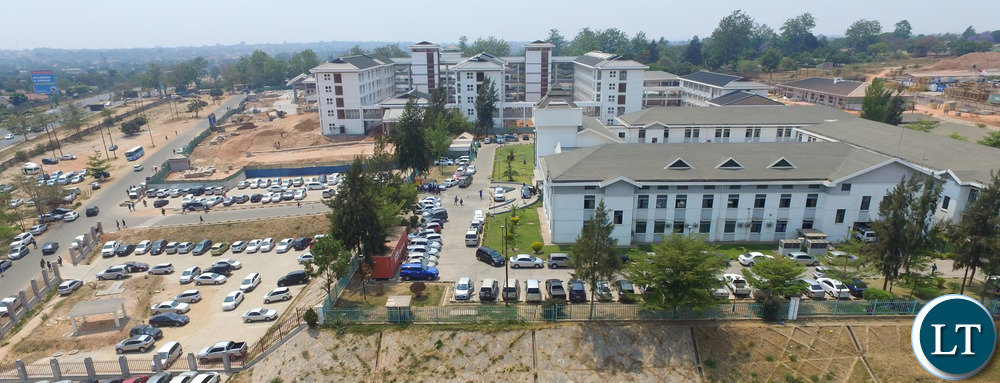
Levy Mwanawasa Teaching Hospital Senior Medical Superintendent, Charles Mutemba, has reaffirmed the hospital’s profound ties with China, praising the longstanding collaboration in the health sector.

Dr Mutemba says the Chinese government every year sends medical teams who work at the hospital, thereby contributing to expertise and training of health personnel at the health institution.

The media reports that speaking during the signing of a Sister Hospital Cooperation Agreement at Levy Mwanawasa Teaching Hospital in Lusaka today, the Senior Medical Superintendent emphasised the importance of telemedicine, calling it “the future of medicine.”

He noted that telemedicine will enhance patient management, reduce costs, and minimise the number of patients seeking treatment abroad which is a key government priority.

“For many, many years, the Chinese people and Zambian people have excelled in many fields. Every year, the Chinese government sends doctors who stay with us for about a year, and we have learned a lot from their experience and dedication,” he said.

Speaking at the same ceremony, West-China Hospital of Sichuan University President, Luo Fengming, described the agreement between the two countries as a significant milestone in global healthcare collaboration.

“This agreement is more than a document. It is a testament to our friendship and a bridge to future collaboration,” he indicated.

Prof Fengming further noted that the collaboration will enhance clinical capability through academic exchanges, foster talent through training programmes, and advance scientific research to translate innovation into patient care.

Meanwhile, Neusoft Innovation Research Institute Dean, Chen Bingshu, expressed gratitude for the opportunity to collaborate with leading hospitals and to witness what was described as a meaningful and historic moment.

Ms Bingshu emphasised that the signing agreement represents not only a formal agreement but an innovation in the partnership model between China and Zambia.

She further announced that under the sister hospital framework, partners will integrate remote diagnosis, continuous training, and joint research into a sustained and systematic partnership.

“The agreement is expected to strengthen clinical services, expand medical training, advance research, and deepen long standing diplomatic ties,” she stated.

International Hospital of Zambia Clinical Medical Officer, Robert Zulu, called for continued strengthened collaboration between the two countries.

Prof Zulu said the collaboration will enhance health management, and ensure that the two countries develop together as they serve their people.

Zambia Army Orders Immediate Eviction of Illegal Miners in Lower Zambezi

0

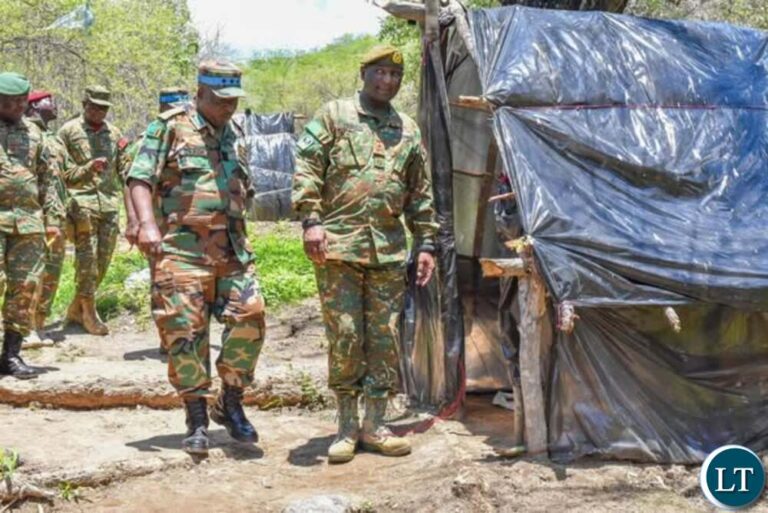
Siavonga District, Zambia – The Zambia Army has issued an immediate eviction order to all illegal miners operating in the Lower Zambezi area of Siavonga District, warning that those who fail to leave voluntarily will face a military-led removal.

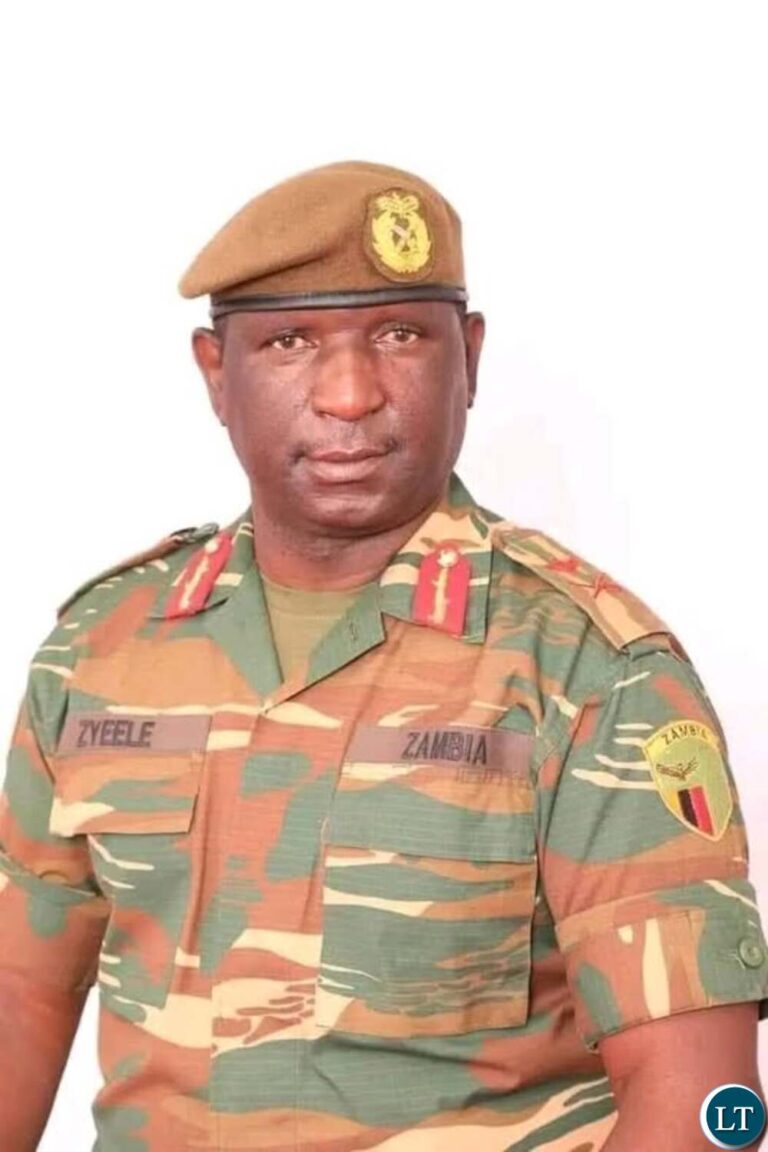
Army Commander Lieutenant General Geoffrey Zyeele delivered the directive during a security tour of the Moomba area along the Zambezi river. He said the action forms part of a nationwide operation targeting illegal mining, which he described as an economic crime.

General Zyeele stated that security wings across the country are prepared to enforce the order if miners do not comply. He noted that illegal mining poses a serious threat to national security, economic stability, and often contributes to other criminal activities.

“The Zambia Army has spoken firmly for a long time, and some individuals appear to be inviting stronger action,” he said. “Those acting with impunity risk carrying lifelong memories of the military.”

He reiterated the army’s commitment, alongside other security agencies, to protect the country’s natural resources and ensure offenders are prosecuted.

The tour included Zambia Air Force Commander Lieutenant General Oscar Nyoni, senior officers, and officials from the Zambia Police Service and the Immigration Department, demonstrating a coordinated security effort.

Siavonga District Commissioner Geoffrey Jakopo welcomed the move and thanked the service chiefs for their swift response. He promised full cooperation from the district administration and cautioned that those who refuse to leave will face the full force of the law.

The operation highlights the government’s firm stance against illegal exploitation of natural resources and its connection to national security and economic development.

Zambia Army and ZESCO partner to boost energy security

0

The Zambia Army and Kiyona Energy, a subsidiary of ZESCO Limited, have signed a Memorandum of Understanding (MoU) to improve energy security and sustainability at the L85 military barracks.

Zambia Army Commander, Geoffrey Zyeele, further explains that the MoU aims to improve water supply and power generation at L85, benefiting approximately 4,000 troops and their families.

Lieutenant General Zyeele notes that the project involves solarising water points to ensure a reliable water supply.

The media reports that speaking at the signing ceremony in Lusaka today, Lt Gen Zyeele highlighted the difficulties faced by soldiers and their families, including inadequate water supply and power.

Lt Gen Zyeele has expressed gratitude to the government and partners for addressing long standing challenges in living conditions at L85 military barracks.

“We are grateful that you have listened to us and partnered with us, for the first time in a very long time, our troops are able to have water, our children are able to watch TV like many other children have been,” Lt Gen Zyeele said.

Lt Gen Zyeele further praised the government, stating that the development would change the lives of soldiers and their families for the better.

 “This is a great occasion for us, to sign an MOU between ourselves, Kiyona and ZESCO on behalf of all the officers and all the men and women and especially residents of L85,” he said.

The signing of the MoU marks a significant milestone in improving living conditions at L85, making it a livable institution comparable to other military barracks.

ZESCO Managing Director, Justine Loongo, emphasised the importance of collaboration between public institutions and private sector partners to strengthen the power system.

“Energy is the backbone of national development and an enabler of peace, stability, and socio-economic progress and any opportunity to increase and improve electricity standards in Zambia is welcome, and we want to enhance what we’ve started, ” he said.

Mr Loongo said the MoU aims to provide reliable green energy solutions to the Zambia Army’s installations, reducing dependency on the grid and enhancing energy planning for mission critical operations.

Mr Loongo commended Kiyona Energy Limited for bringing forward a structured model for investment, development, and operation of renewable energy assets aligned with Zambia’s long-term energy transition agenda.

“Kiyona’s focus is to use renewable energy to provide a quality product to all areas, and this partnership represents a strategic alignment of national interest, energy security, climate resilience, operational readiness, and modernisation of essential government infrastructures,” Mr Loongo said.

He added that the project involves the installation of a solar power plant at L85, which will supply energy to the facility and export excess to the grid.

Mr Loongo expressed confidence that the partnership would position the defence forces as champions of national climate commitments and operational energy security.

“ZESCO stands ready to provide every necessary technical support to grid integration, integration approvals, and coordination in line with national standards,” Mr Loongo assured.

He thanked the Zambia Army for facilitating the process and expressed optimism that the project would be completed in the shortest possible period.

ZLDC reviewing the Landlords and Tenants Business Act

0

Zambia Law Development Commission (ZLDC) says it is reviewing the Landlords and Tenants Business Act, in order to ensure that it reflects the views of the people.

In an interview with the media, ZLDC Director, Hope Chanda, says the commission is also reviewing about 11 pieces of legislation that were applied in England before 1991.

“Our legislation on rentals is very old, so we have gone around some selected provinces in the country and had meetings. We’ve also interviewed members of the public, both at domestic level and commercial level,” added Ms Chanda.

She further indicated that the commission is set to hold a public forum in collaboration with Eden University to discuss issues of rent, landlords and tenants, in domestic and business premises.

Ms Chanda stressed that the commission is prioritising awareness programmes on access to justice, as a part of its 30th Anniversary celebration, in a bid to empower citizens to participate in the governance and development agenda of the country.

“We also hope to be guided by stakeholders and members of the public on areas that they would like us to focus on as a commission,” Ms Chanda stated.

And, Ms Chanda has called on members of the public to continue partnering with the commission, due to their invaluable contributions that has enabled the commission to achieve milestones.

She revealed that the Zambia Law Development Commission is improving participation of vulnerable and underprivileged groups such as women, children, rural communities and persons with disabilities, in order to enable them to fully participate in governance.

GOVERNMENT WARNS OF POSSIBLE “CONSTITUTIONAL CRISIS” IN 2026 ELECTIONS IF KEY LAW IS NOT AMENDED BY DECEMBER

2

Lusaka, Tuesday – The Government says the 2026 General Elections could face a major constitutional crisis unless a critical provision in the Constitution is amended before the 25 December 2025 deadline.

Chief Government Spkesperson Cornelius Mweetwa pointed to Article 52(6) as a serious loophole that must be addressed urgently. The clause allows a presidential candidate to withdraw after filing nominations, forcing the Electoral Commission of Zambia (ECZ) to cancel the election and start the nomination process again. He warned that if a candidate pulls out shortly before Election Day, ECZ would be legally required to stop the election but unable to reprint ballot papers in time.

“In its current form, Article 52(6) can create a constitutional crisis. A candidate can withdraw days before the election, and there would be no time to reprint ballots. This situation could potentially advantage an incumbent President,” Mr. Mweetwa said.

He explained that political parties had agreed in 2023 to amend non-contentious parts of the Constitution, but progress stalled after the suspension of 40 Patriotic Front MPs. The process was revived in September 2024 following President Hakainde Hichilema’s call to fix outstanding constitutional gaps.

The proposed Constitutional Amendment Bill No. 7 of 2025, currently before a National Assembly select committee, seeks to resolve this issue. Mr. Mweetwa dismissed claims that the bill aims to expand presidential powers, saying it only focuses on specific, non-controversial amendments.

The Bill also proposes a clear timeline for resolving presidential election petitions and includes measures to improve gender representation in Parliament.

He emphasized that Parliamentary Standing Orders require any bill deferred for more than six months to be automatically withdrawn. For Bill No. 7, this deadline falls on 25 December 2025.

“If we do not act by December 25th, this Bill will lapse, and we will enter the 2026 elections with a known constitutional risk,” he warned.

Mr. Mweetwa added that stakeholder consultations remain open and noted that recent court attempts by the Oasis Forum and LAZ to stop the bill had failed, as the judiciary ruled that parliamentary processes cannot be blocked.

“As the UPND Government, we will follow the law. Those who prefer the Constitution to remain with this flaw should state their position clearly,” he said.

President Hichilema Forecasts Clear Economic Rebound Within Two Years

Lusaka, Zambia – President Hakainde Hichilema has expressed confidence that within the next year or two, the evidence of Zambia’s economic recovery and development will be unambiguous and beyond debate.

Speaking at the official opening of the 2025 Zambia Anti-Corruption Conference in Lusaka, the President stated that the rebound is already underway, fueled by a reformed approach to public affairs management and a intensified anti-corruption drive.

“We believe that, in the sum total of things, over time, Zambians will see development and the economy rebounding. It is already happening, but there is still debate. In a year or two, there will be no debate at all. Everything will be clear,” President Hichilema said.

He directly linked economic progress to the government’s fight against corruption, highlighting key measures such as strengthening legislation to prevent a recurrence of unsustainable debt accumulation. The President also emphasized enhancing collaboration between law enforcement agencies to protect citizens who report corruption from exposure or intimidation.

Noting that corruption erodes development and public trust, President Hichilema pointed to improved cooperation with the Office of the Auditor General. He outlined a strategy of supplementing the Auditor General’s office with external forensic expertise from the market to build stronger cases for prosecution.

“You will see more of that going forward, and it will give us a stronger basis for prosecution,” he said, expressing optimism for more convictions in high-profile cases, such as those related to the Zambia Medicines and Medical Supplies Agency (ZAMSA), as a result of detailed forensic audit work.