Sunday, June 14, 2026
13.1 C
Lusaka
Home Blog Page 232

China, Levy Mwanawasa Hospital sign Sister Hospital Cooperation Agreement

0

Levy Mwanawasa Teaching Hospital Senior Medical Superintendent, Charles Mutemba, has reaffirmed the hospital’s profound ties with China, praising the longstanding collaboration in the health sector.

Dr Mutemba says the Chinese government every year sends medical teams who work at the hospital, thereby contributing to expertise and training of health personnel at the health institution.

The media reports that speaking during the signing of a Sister Hospital Cooperation Agreement at Levy Mwanawasa Teaching Hospital in Lusaka today, the Senior Medical Superintendent emphasised the importance of telemedicine, calling it “the future of medicine.”

He noted that telemedicine will enhance patient management, reduce costs, and minimise the number of patients seeking treatment abroad which is a key government priority.

“For many, many years, the Chinese people and Zambian people have excelled in many fields. Every year, the Chinese government sends doctors who stay with us for about a year, and we have learned a lot from their experience and dedication,” he said.

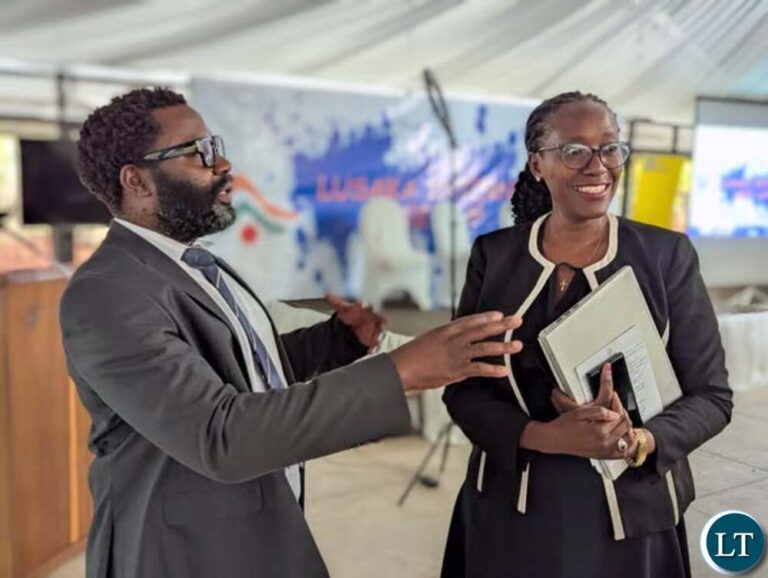
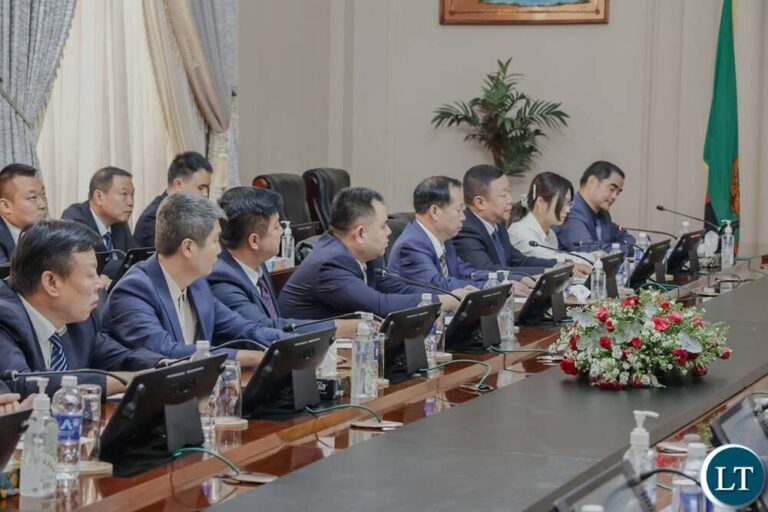
Speaking at the same ceremony, West-China Hospital of Sichuan University President, Luo Fengming, described the agreement between the two countries as a significant milestone in global healthcare collaboration.

“This agreement is more than a document. It is a testament to our friendship and a bridge to future collaboration,” he indicated.

Prof Fengming further noted that the collaboration will enhance clinical capability through academic exchanges, foster talent through training programmes, and advance scientific research to translate innovation into patient care.

Meanwhile, Neusoft Innovation Research Institute Dean, Chen Bingshu, expressed gratitude for the opportunity to collaborate with leading hospitals and to witness what was described as a meaningful and historic moment.

Ms Bingshu emphasised that the signing agreement represents not only a formal agreement but an innovation in the partnership model between China and Zambia.

She further announced that under the sister hospital framework, partners will integrate remote diagnosis, continuous training, and joint research into a sustained and systematic partnership.

“The agreement is expected to strengthen clinical services, expand medical training, advance research, and deepen long standing diplomatic ties,” she stated.

International Hospital of Zambia Clinical Medical Officer, Robert Zulu, called for continued strengthened collaboration between the two countries.

Prof Zulu said the collaboration will enhance health management, and ensure that the two countries develop together as they serve their people.
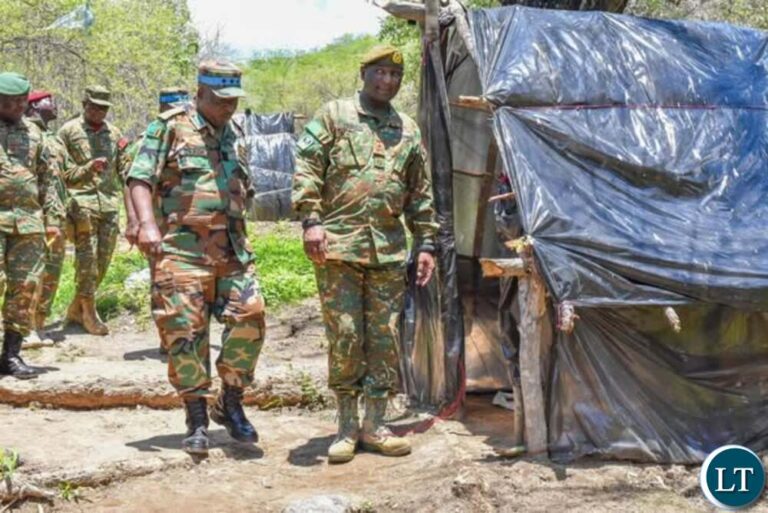
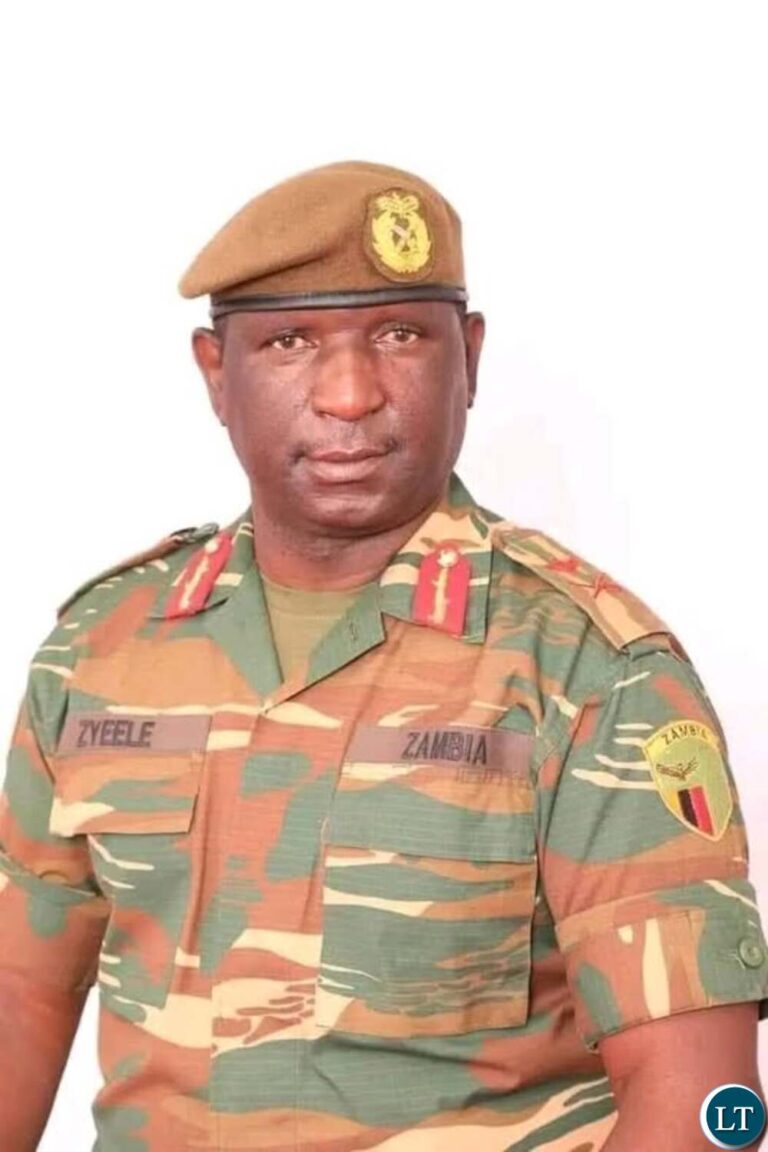
Zambia Army Orders Immediate Eviction of Illegal Miners in Lower Zambezi

0

Siavonga District, Zambia – The Zambia Army has issued an immediate eviction order to all illegal miners operating in the Lower Zambezi area of Siavonga District, warning that those who fail to leave voluntarily will face a military-led removal.

Army Commander Lieutenant General Geoffrey Zyeele delivered the directive during a security tour of the Moomba area along the Zambezi river. He said the action forms part of a nationwide operation targeting illegal mining, which he described as an economic crime.

General Zyeele stated that security wings across the country are prepared to enforce the order if miners do not comply. He noted that illegal mining poses a serious threat to national security, economic stability, and often contributes to other criminal activities.

“The Zambia Army has spoken firmly for a long time, and some individuals appear to be inviting stronger action,” he said. “Those acting with impunity risk carrying lifelong memories of the military.”

He reiterated the army’s commitment, alongside other security agencies, to protect the country’s natural resources and ensure offenders are prosecuted.

The tour included Zambia Air Force Commander Lieutenant General Oscar Nyoni, senior officers, and officials from the Zambia Police Service and the Immigration Department, demonstrating a coordinated security effort.

Siavonga District Commissioner Geoffrey Jakopo welcomed the move and thanked the service chiefs for their swift response. He promised full cooperation from the district administration and cautioned that those who refuse to leave will face the full force of the law.

The operation highlights the government’s firm stance against illegal exploitation of natural resources and its connection to national security and economic development.

Zambia Army and ZESCO partner to boost energy security

0

The Zambia Army and Kiyona Energy, a subsidiary of ZESCO Limited, have signed a Memorandum of Understanding (MoU) to improve energy security and sustainability at the L85 military barracks.

Zambia Army Commander, Geoffrey Zyeele, further explains that the MoU aims to improve water supply and power generation at L85, benefiting approximately 4,000 troops and their families.

Lieutenant General Zyeele notes that the project involves solarising water points to ensure a reliable water supply.

The media reports that speaking at the signing ceremony in Lusaka today, Lt Gen Zyeele highlighted the difficulties faced by soldiers and their families, including inadequate water supply and power.

Lt Gen Zyeele has expressed gratitude to the government and partners for addressing long standing challenges in living conditions at L85 military barracks.

“We are grateful that you have listened to us and partnered with us, for the first time in a very long time, our troops are able to have water, our children are able to watch TV like many other children have been,” Lt Gen Zyeele said.

Lt Gen Zyeele further praised the government, stating that the development would change the lives of soldiers and their families for the better.

 “This is a great occasion for us, to sign an MOU between ourselves, Kiyona and ZESCO on behalf of all the officers and all the men and women and especially residents of L85,” he said.

The signing of the MoU marks a significant milestone in improving living conditions at L85, making it a livable institution comparable to other military barracks.

ZESCO Managing Director, Justine Loongo, emphasised the importance of collaboration between public institutions and private sector partners to strengthen the power system.

“Energy is the backbone of national development and an enabler of peace, stability, and socio-economic progress and any opportunity to increase and improve electricity standards in Zambia is welcome, and we want to enhance what we’ve started, ” he said.

Mr Loongo said the MoU aims to provide reliable green energy solutions to the Zambia Army’s installations, reducing dependency on the grid and enhancing energy planning for mission critical operations.

Mr Loongo commended Kiyona Energy Limited for bringing forward a structured model for investment, development, and operation of renewable energy assets aligned with Zambia’s long-term energy transition agenda.

“Kiyona’s focus is to use renewable energy to provide a quality product to all areas, and this partnership represents a strategic alignment of national interest, energy security, climate resilience, operational readiness, and modernisation of essential government infrastructures,” Mr Loongo said.

He added that the project involves the installation of a solar power plant at L85, which will supply energy to the facility and export excess to the grid.

Mr Loongo expressed confidence that the partnership would position the defence forces as champions of national climate commitments and operational energy security.

“ZESCO stands ready to provide every necessary technical support to grid integration, integration approvals, and coordination in line with national standards,” Mr Loongo assured.

He thanked the Zambia Army for facilitating the process and expressed optimism that the project would be completed in the shortest possible period.

ZLDC reviewing the Landlords and Tenants Business Act

0

Zambia Law Development Commission (ZLDC) says it is reviewing the Landlords and Tenants Business Act, in order to ensure that it reflects the views of the people.

In an interview with the media, ZLDC Director, Hope Chanda, says the commission is also reviewing about 11 pieces of legislation that were applied in England before 1991.

“Our legislation on rentals is very old, so we have gone around some selected provinces in the country and had meetings. We’ve also interviewed members of the public, both at domestic level and commercial level,” added Ms Chanda.

She further indicated that the commission is set to hold a public forum in collaboration with Eden University to discuss issues of rent, landlords and tenants, in domestic and business premises.

Ms Chanda stressed that the commission is prioritising awareness programmes on access to justice, as a part of its 30th Anniversary celebration, in a bid to empower citizens to participate in the governance and development agenda of the country.

“We also hope to be guided by stakeholders and members of the public on areas that they would like us to focus on as a commission,” Ms Chanda stated.

And, Ms Chanda has called on members of the public to continue partnering with the commission, due to their invaluable contributions that has enabled the commission to achieve milestones.

She revealed that the Zambia Law Development Commission is improving participation of vulnerable and underprivileged groups such as women, children, rural communities and persons with disabilities, in order to enable them to fully participate in governance.

GOVERNMENT WARNS OF POSSIBLE “CONSTITUTIONAL CRISIS” IN 2026 ELECTIONS IF KEY LAW IS NOT AMENDED BY DECEMBER

2

Lusaka, Tuesday – The Government says the 2026 General Elections could face a major constitutional crisis unless a critical provision in the Constitution is amended before the 25 December 2025 deadline.

Chief Government Spkesperson Cornelius Mweetwa pointed to Article 52(6) as a serious loophole that must be addressed urgently. The clause allows a presidential candidate to withdraw after filing nominations, forcing the Electoral Commission of Zambia (ECZ) to cancel the election and start the nomination process again. He warned that if a candidate pulls out shortly before Election Day, ECZ would be legally required to stop the election but unable to reprint ballot papers in time.

“In its current form, Article 52(6) can create a constitutional crisis. A candidate can withdraw days before the election, and there would be no time to reprint ballots. This situation could potentially advantage an incumbent President,” Mr. Mweetwa said.

He explained that political parties had agreed in 2023 to amend non-contentious parts of the Constitution, but progress stalled after the suspension of 40 Patriotic Front MPs. The process was revived in September 2024 following President Hakainde Hichilema’s call to fix outstanding constitutional gaps.

The proposed Constitutional Amendment Bill No. 7 of 2025, currently before a National Assembly select committee, seeks to resolve this issue. Mr. Mweetwa dismissed claims that the bill aims to expand presidential powers, saying it only focuses on specific, non-controversial amendments.

The Bill also proposes a clear timeline for resolving presidential election petitions and includes measures to improve gender representation in Parliament.

He emphasized that Parliamentary Standing Orders require any bill deferred for more than six months to be automatically withdrawn. For Bill No. 7, this deadline falls on 25 December 2025.

“If we do not act by December 25th, this Bill will lapse, and we will enter the 2026 elections with a known constitutional risk,” he warned.

Mr. Mweetwa added that stakeholder consultations remain open and noted that recent court attempts by the Oasis Forum and LAZ to stop the bill had failed, as the judiciary ruled that parliamentary processes cannot be blocked.

“As the UPND Government, we will follow the law. Those who prefer the Constitution to remain with this flaw should state their position clearly,” he said.

President Hichilema Forecasts Clear Economic Rebound Within Two Years

Lusaka, Zambia – President Hakainde Hichilema has expressed confidence that within the next year or two, the evidence of Zambia’s economic recovery and development will be unambiguous and beyond debate.

Speaking at the official opening of the 2025 Zambia Anti-Corruption Conference in Lusaka, the President stated that the rebound is already underway, fueled by a reformed approach to public affairs management and a intensified anti-corruption drive.

“We believe that, in the sum total of things, over time, Zambians will see development and the economy rebounding. It is already happening, but there is still debate. In a year or two, there will be no debate at all. Everything will be clear,” President Hichilema said.

He directly linked economic progress to the government’s fight against corruption, highlighting key measures such as strengthening legislation to prevent a recurrence of unsustainable debt accumulation. The President also emphasized enhancing collaboration between law enforcement agencies to protect citizens who report corruption from exposure or intimidation.

Noting that corruption erodes development and public trust, President Hichilema pointed to improved cooperation with the Office of the Auditor General. He outlined a strategy of supplementing the Auditor General’s office with external forensic expertise from the market to build stronger cases for prosecution.

“You will see more of that going forward, and it will give us a stronger basis for prosecution,” he said, expressing optimism for more convictions in high-profile cases, such as those related to the Zambia Medicines and Medical Supplies Agency (ZAMSA), as a result of detailed forensic audit work.

Zambia Slashes Electricity Connection Fee from K4,846 to K300

4


Lusaka, Zambia – Energy Minister Makozo Chikote has announced a major reduction in electricity connection fees, lowering the cost from K4,846 to a subsidized rate of K300. The new pricing takes effect on December 22, 2025.

The announcement was made during the launch of the Rural Electrification Authority’s (REA) Accelerated Sustainable and Clean Energy Access Transformation (ASCENT) initiative.

Minister Chikote stated that the 2026 application window for the subsidy targets 100,000 new connections next year. He instructed REA and ZESCO to widely publicize the initiative, reinforcing the government’s goal of achieving universal electricity access by 2030.

The effort is part of the $200 million World Bank-funded ASCENT-Zambia program, which aims to connect over 1.6 million Zambians to electricity and clean cooking technologies within five years.

World Bank Country Manager Dr. Achim Fock noted that the ASCENT initiative unites the World Bank Group, the African Development Bank, and other partners to support electricity access for 300 million people across sub-Saharan Africa.

REA Acting Chief Executive Officer Alex Mumba commended the government for the policy and financing reforms that enabled the program.

Isoka council commences 2026 budget consultations

0

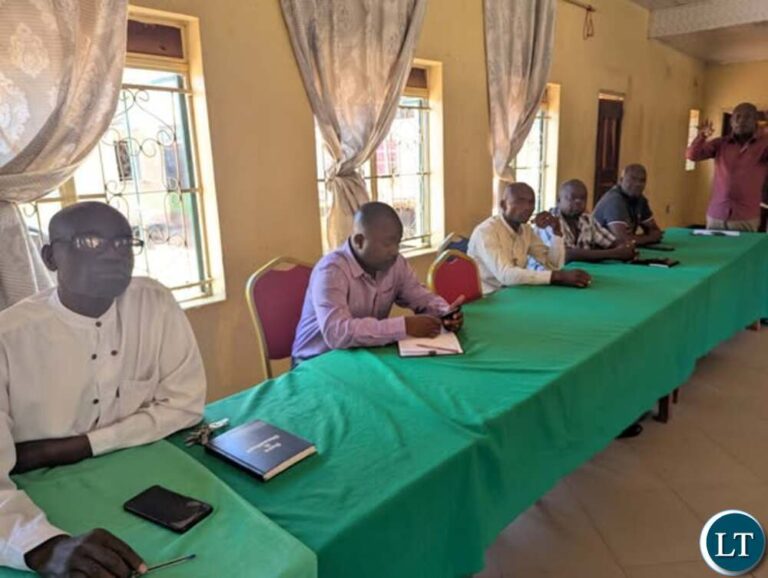
The Isoka Town Council has commenced consultations on the proposed 2026 budget alongside a review of the 2025 budget performance.

Council Public Relations Officer, Peter Sichali, said it is important that the community understands how the council is performing and what needs to be addressed moving forward.

Mr Sichali was speaking during a stakeholder engagement meeting where the local authority presented key achievements and challenges recorded in the 2025 financial year.

He said the review highlighted progress in infrastructure development, social services and economic empowerment programmes.

“This platform allows us to give a clear account of what has been achieved this year and to outline our priorities as we prepare for 2026,” he said.

He added that stakeholders made several submissions under the Zambia Devolution Support Programme (ZDSP) for possible inclusion in the 2026 budget.

“Stakeholders proposed improved water reticulation to deal with persistent shortages, the procurement of a fire tender to strengthen emergency response, and the installation of streetlights from the Government Rest House stretch to enhance security,” he noted.

Mr Sichali has since reaffirmed the council’s commitment to participatory governance, noting that the contributions gathered would guide the upcoming budget formulation.

“The 2026 budget will reflect community priorities and align with national development objectives,” he stated.

And one of the businessmen in Isoka district, Bernard Simukoko, who attended the meeting, commended the council for creating an open platform for dialogue, saying such engagements help strengthen accountability and collaboration.

“Meetings like this allow us to openly highlight gaps and weaknesses without pointing fingers. It is only by acknowledging these flaws together that we can find practical solutions and build a stronger community,” he explained.

The meeting attracted representatives from the business community, traditional leadership, the church, civil society organisations, government departments and other community groups.

Don’t conceal GBV cases, Lusangazi DC tells victims

0

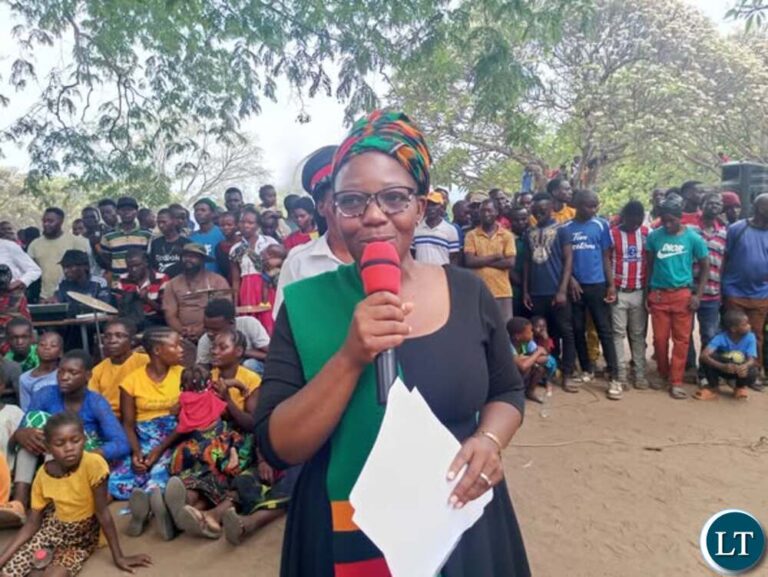
Lusangazi District Commissioner, Margaret Banda, has discouraged victims of gender-based violence (GBV) from concealing the abuse regardless of who is perpetrating it.

The media reports that Ms Banda said women should not keep quiet when facing abuse, as silence contributes to the rising cases of GBV and related deaths in communities.

She said married couples should learn proper ways of resolving conflicts rather than resorting to violence, noting that many of them tend to become violent when faced with challenges in their marriages.

She said this in observation of the ongoing 16 Days of Activism against GBV, under the global theme “Unite to End Digital Violence against All Women and Girls”.

Ms Banda said local cultures have sometimes misled many couples, especially women, into believing that a man who does not beat his partner does not love her.

She has since called for concerted efforts in eliminating such harmful beliefs.

“It is unfortunate that people even resort to killing each other instead of resolving their misunderstandings,” she said.

Ms Banda further explained that some women go as far as concealing defilement cases when their spouses are involved.

“That is not all, some women are victims of rape for instance, but they opt to keep quiet,” she said, adding that, “Let us give hope to those who are being victimized”.

Eastern Province PS calls for skills transfer to local people

0

Eastern Province Deputy Permanent Secretary, Lewis Mwape, has commended Rusticstone, a local company specialised in granite slab production in Chipata, for investing in the construction industry.

Dr Mwape observed during his tour of the company that the development will contribute to the region’s economic transformation among other achievements.

He acknowledged that the initiative is a huge milestone as it also promotes the creation of local products for indigenous construction companies.

“For a city like Chipata, this is a significant setting because it creates local products for local construction companies,” he said.

Dr Mwape has since called on the company to ensure that skills are fully transferred to local people to promote growth.

Meanwhile, the company’s Supervisor, Cornelius Banda, revealed that about 180 metric tonnes of granite slabs are produced per month.

“We produce granite slabs and we get our material from a local mine in Chipangali district, thereafter we make tombstones and tiles among other products,” he said.

Mr Banda further explained that the initiative has in turn created jobs for about 45 local people in the district.

And BuyZed Campaign Chief Executive Officer, Evans Ngoma, commended the company for the initiative saying there was need for other entrepreneurs to take a leaf from Rusticstone.

“We would like to encourage entrepreneurs that are in the habit of exporting raw products to foreign countries to consider value addition by coming up with industries,” he said.

Lightning kills three in Chiundaponde

Three people have been killed by lightning while an 11-months-old baby from the same family is in a critical condition in Chiundaponde area of Lavushimanda district in Muchinga Province.

Muchinga Province Police Commissioner, Denis Moola, confirmed the death of the three who died after lightning struck their house.

Mr Moola said in a press statement to the media that the incident occurred on Monday 1st December, 2025 at around 17:30 hours in Chiundaponde chiefdom.

He explained that community members who rushed to the scene, took the seven victims to Muwele Health Post where the three were pronounced dead upon arrival.

“The community members rushed to the scene, upon seeing fire frames and found all the seven members of the family unconscious,” he said.

Mr Moola has since identified the deceased as Naomi Chibende aged 28, who sustained burns on her face, both upper and lower limbs, Malama Yombwe aged 22, who sustained a swollen body and four-year-old Mumba Sobongo, who sustained burns on the face, hands and on the back.

He added that among the surviving victims is an 11-months-old baby, Kapya Wuli Junior, who sustained burns on the face, hands, back and a swollen head.

He said Kapya is in a critical condition at Muwele Health Post where he is receiving treatment.

Mr Moola identified other victims that were treated as outpatients as Kapya Wuli aged 32, who sustained burns on his backside, right leg, shoulders and hands, and Chilekwa Mwansa Junior aged 10 who also sustained burns on the right hands while David Kunda aged 7, has burns on the lower limbs and face.

The deceased people’s bodies are being kept at the family house awaiting possible burial.

Meanwhile, Lavushimanda District Commissioner (DC), Terris Kunda, has described the incident as unfortunate.

Mr Kunda said the untimely death of the three caused by lightning is a sad development not only for the family but the entire district.

“As government, we don’t find pleasure in people losing their lives in this manner, may God alone comfort the affected family,” he said.

He has since sent a message of condolences to the affected family.

West China delegation arrives in Zambia to strengthen health ties

0

Minister of Health Elijah Muchima, has welcomed a delegation from West China University, as part of a high level visit aimed at strengthening bilateral cooperation in the health sector.

speaking when the delegation paid a courtesy call on him at his office, Dr Muchima said the visit is a testament to the strong and growing partnership between Zambia and China in the field of health.

Dr Muchima noted that this is with focus on advancing medical cooperation, knowledge exchange, and innovation that directly benefits the people of Zambia.

He highlighted the progress made in the implementation of telemedicine services, including the operationalisation of telemedicine consultation services at the International Hospital of Zambia and the sister hospital agreement with Levy Mwanawasa University Hospital.

Dr Muchima expressed optimism that the visit would explore ways to expand telemedicine services nationally, enhance medicine research collaboration, and secure opportunities for Zambian professionals to benefit from advanced training programmes in China.

He assured the delegation that the Ministry of Health stands ready to provide the necessary guidance and support to ensure that the initiatives align with Zambia’s national health priorities.

And West China Hospital President, Luo Fengming, expressed gratitude for the warm reception and highlighted the hospital’s commitment to deepening cooperation with Zambian medical institutions.

“We are willing to take this visit as a new starting point to jointly promote practical cooperation in key areas such as technology sharing, clinical training, high level medical talent cultivation, and joint scientific research in Zambia,” he said.

Mr Luo further added that the hospital has already signed a strategic cooperation agreement and telemedicine consultation service agreement with the International Hospital of Zambia, with plans to collaborate in areas such as teleconsultation and talent training among others.

He expressed confidence that through joint efforts, the partnership could create a China Africa medical and health cooperation model, contributing to the health of the Zambian people.

The visit is expected to further deepen the bonds of friendship and cooperation between Zambia and China, with a focus on improving healthcare delivery and building capacity within the health system.

Chisamba court sets December 9 as judgment day for ‘defiler’

The Chisamba Magistrate’s Court has set December 9, as a date for judgment in a case in which a 53-year-old man is accused of having defiled his 8-year-old stepdaughter and another 10-year-old girl.

Charles Luo of Kwando village in chief Chamuka’s area, appeared for defense before Resident Magistrate Suzen Magalashi, after he earlier entered a plea of not guilty.

Luo faces two counts of defilement, contrary to Section 138 of the Penal Code Chapter 87 of the laws of Zambia.

In count one and two, it is alleged that between August 1 and October 2 this year, the accused had carnal knowledge of two girls under the age of 16 years.

Ten prosecution witnesses, including the victims, gave testimonies during the trial before the state closed its case.

Luo is alleged to have defiled two children on separate occasions. In one instance, one of the victims allegedly watched him through a window while he was defiling his step-daughter who had been sent to borrow an axe.

And the 10-year old victim, who reported the ordeal to her class teacher, was allegedly defiled by the same man after she was sent to borrow a pair of pliers on another unknown date.

According to court records, the 10-year-old victim had initially escorted her 8-year-old friend, who is a step-child of the accused, saw him through the window defiling her friend on an unknown date.

The girl testified that the accused pounced on her a few days later when she was sent to borrow a pair of pliers from him.

During the trial, two medical reports, two affidavits, two school registers for the victims, and a single mattress associated with the accused and the location where the sexual abuse allegedly occurred were entered apart of evidence.

When the matter came up for ruling, the court ruled that the prosecution had established a prima facie case, placing the accused on his defense.

The accused, Luo, called Jackson Akapelwa as a defense witness but when the matter came up yesterday for testimony, the witness disclaimed any knowledge of the case.

Earlier, Luo denied the allegations, stating that he did not at any time observe the victims go to his residence to request an axe or pliers.

He claimed that he suspected his ex-wife, the mother of one of the victims, could have plotted against him after she learned that he had found a woman he intended to marry.

The accused claimed that it was the same day he returned from his fiancée’s place that he was arrested and detained at Chipembi police post before being transferred to Chisamba Police Station.

Magistrate Magalashi adjourned the matter to December 9 for judgment after hearing Luo’s defense witness statement, while the accused remains in detention.

How State House Has Seized Control of the Bill 7 Amendment Process

1
THE FRAUD AT THE HEART OF BILL 7: HOW HAKAINDE HICHILEMA HAS HIJACKED ZAMBIA’S CONSTITUTIONAL ORDER

By Amb. Emmanuel Mwamba

Bill 7 is more than a defective document. It is an unlawful, fraudulent attempt to force constitutional amendments through a process that sits entirely in the hands of one individual, Hakainde Hichilema. Calling this an executive project is inaccurate. This is not institutional governance. This is personal control over a national process that should be protected from political interference.

The public has been told that government is steering a formal exercise. That claim collapses under scrutiny. The Judiciary has been bypassed. Parliament has ignored binding guidance. Constitutional safeguards have been treated like optional advice. The entire operation reflects a deliberate move to keep authority concentrated in State House while presenting an image of institutional legitimacy.

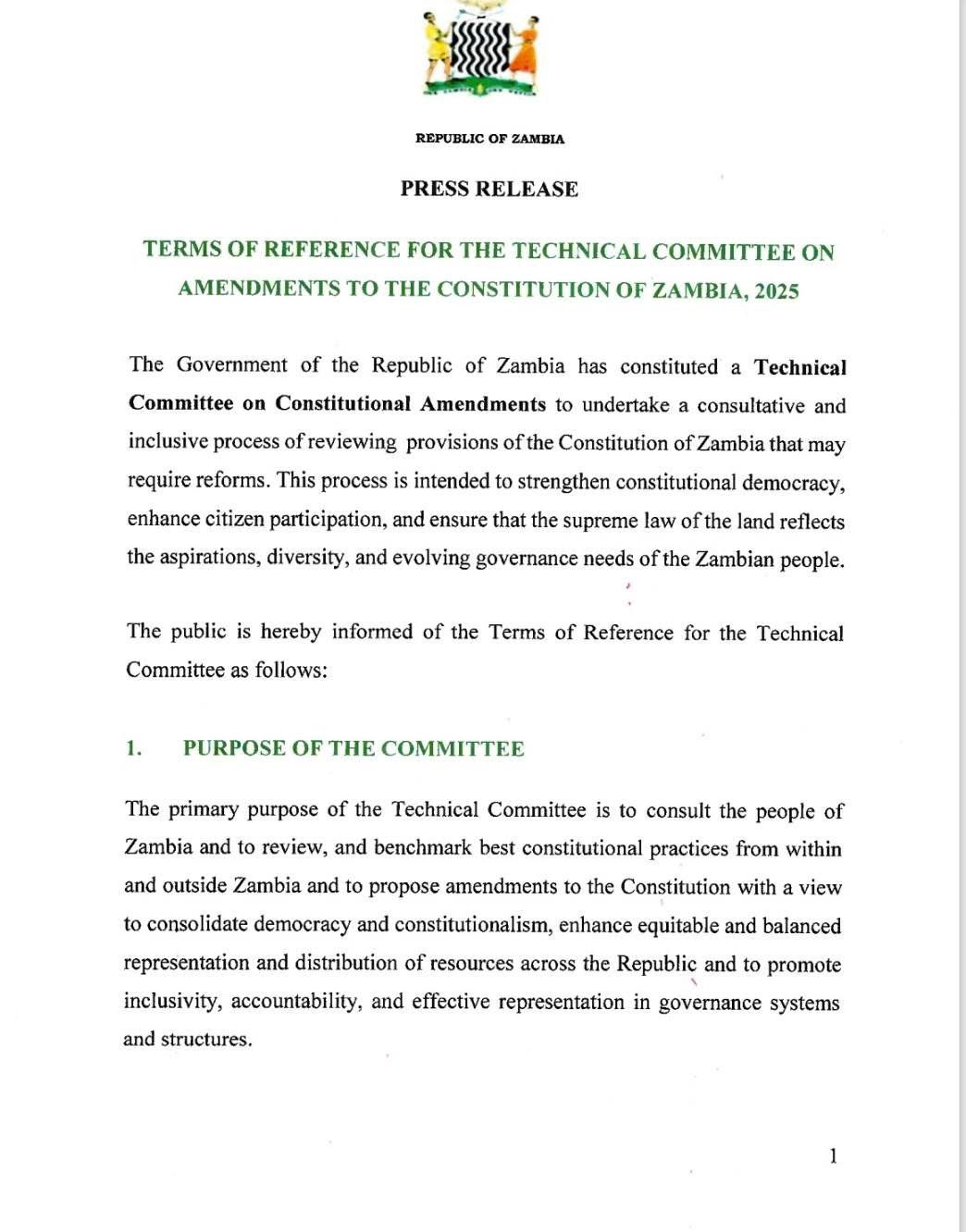
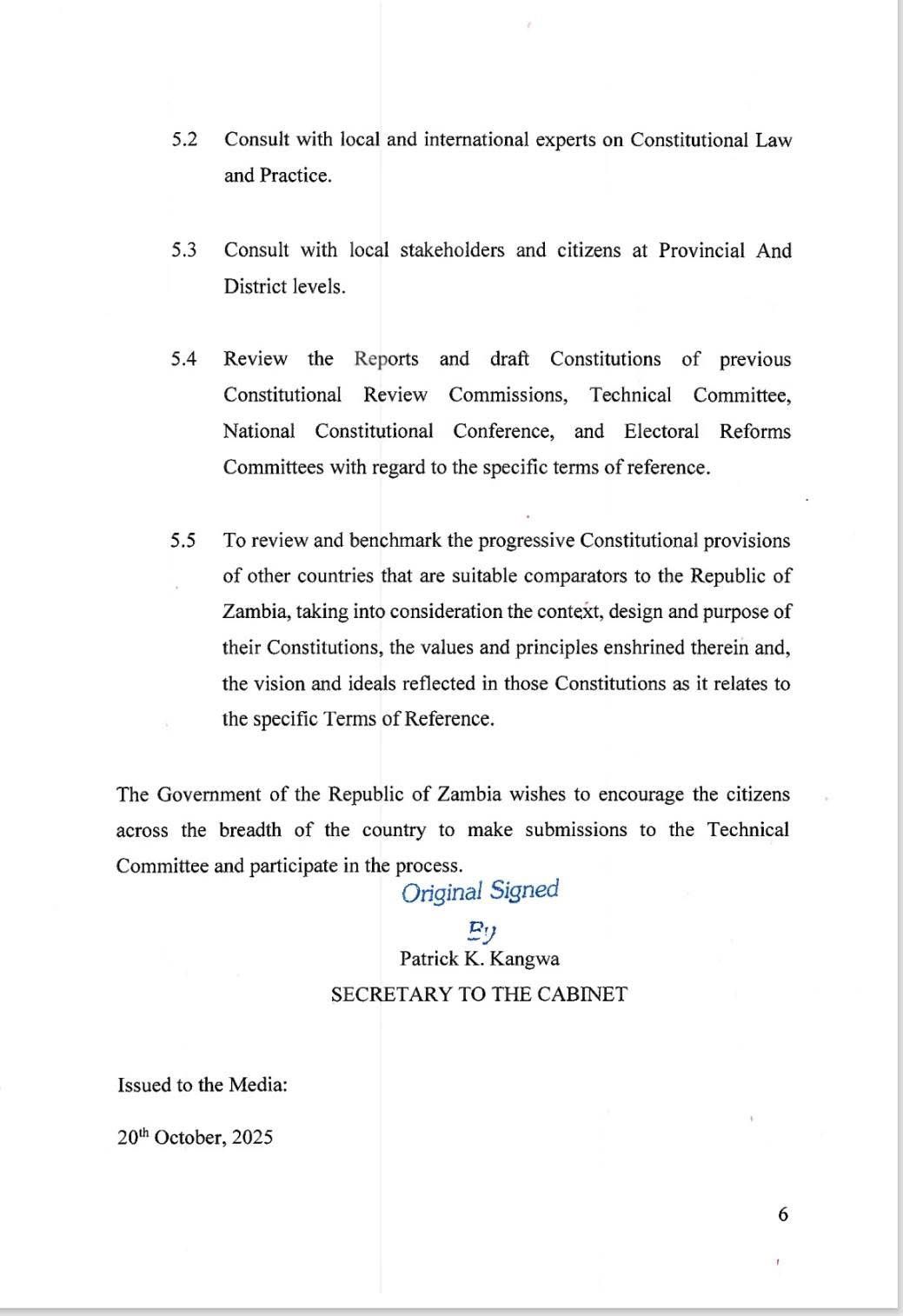
The constitutional amendment pathway that produced Bill 7 was never grounded in law. The Constitutional Court struck down the Constitution of Zambia (Amendment) Bill No. 7 of 2025 in June. It ruled that the process lacked a legal framework, an independent body of experts, and genuine national participation. Instead of complying, President Hichilema pushed ahead with a Technical Committee that lacked legitimacy from the start. It operated without Terms of Reference for weeks and only received them after public pressure. The foundation is unsound. The outcome is already contaminated.

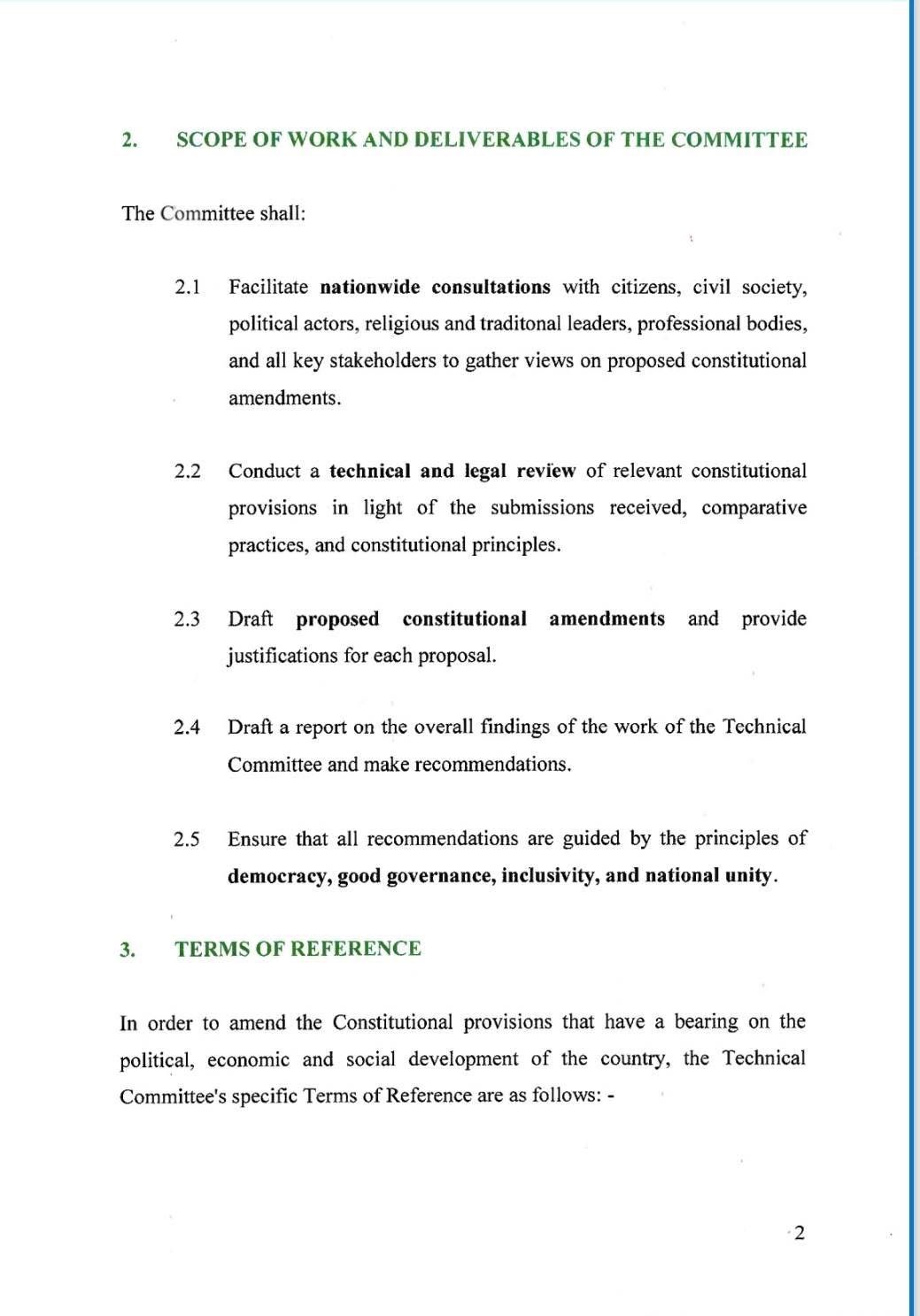
The public was promised transparency. Instead, the Draft Constitution has been hidden. Under Terms of Reference 2.3 and 2.4, the Technical Committee was obligated to produce both a Draft Constitution and a full report. These documents are mandatory. They have not been released because they would expose contradictions between what the committee heard, what it wrote, and what Bill 7 seeks to impose. If the Draft Constitution aligned with government’s agenda, it would have been published immediately. Its concealment speaks louder than any official statement.

Parliament has not acted independently either. When the Court invalidated Bill 7, the Speaker and the Justice Minister had a duty to withdraw it. They did not. Petitioners requested contempt proceedings, yet the matter has stalled. As a result, an unconstitutional Bill remains active because it offers the President the fastest route to enact changes without scrutiny. The law has not been stretched. It has been set aside.

Even the numbers used to justify this process fail under basic verification. President Hichilema claimed that the Technical Committee received 11,860 submissions, describing this as the highest level of participation in the country’s history. The statement is false. The Willa Mung’omba Commission collected 12,569 submissions across all constituencies between 2003 and 2004. That process had structure, legitimacy, and national reach. The current one does not. The attempt to inflate figures is a tactic to cover the shallow nature of an improvised exercise.

The dialogue narrative has also been manipulated. When civil society and the Oasis Forum prepared to protest, the President quickly invited them to State House. The timing was tactical. The move defused the momentum behind the march. Afterward, government assembled a selective list of organisations to create the impression of broad support. Those with real objections were sidelined. Those willing to applaud were elevated. The Oasis Forum, which engaged respectfully, now finds itself overshadowed by gatherings choreographed to justify the revival of Bill 7.

The strategy is simple. Avoid releasing the Draft Constitution because it would force a proper process. Avoid a new legal framework because it would require independence, time, and national participation. Push Bill 7 because it is fast, narrow, and controlled. Every shortcut leads back to the same destination. Constitutional change through a defective, unlawful, fraudulent Bill.

Zambia is now watching a constitutional coup unfold in plain view. The Judiciary’s ruling has been ignored. Parliament has refused to withdraw an unconstitutional document. Civil society has been divided. The Technical Committee has been reduced to a political tool. The Draft Constitution is hidden. The entire operation is directed by one person.

This is not how democratic nations revise their constitutions. This is how power is centralised without consent.

Bill 7 is an assault on process, an assault on participation, and an assault on Zambia’s constitutional order. A constitution does not belong to a ruling party. It does not belong to Parliament when Parliament refuses to act within the law. It does not belong to a President who sets aside judicial rulings.

This belongs to the people.Zambia has seen difficult constitutional moments before, but none built on this level of concealment and disregard for legality. The public must not remain silent while a fraudulent process produces a fraudulent constitution.

TiZ Calls for Higher Standards Ahead of 2026 Polls

TiZ Calls for Higher Standards Ahead of 2026 Polls
Transparency International Zambia has stated that the standard of leadership a country enjoys is directly linked to the integrity of its elections, stressing that democratic societies rise or fall on the strength of the processes that produce their leaders. The organisation noted that Zambia’s political stability and governance record depend heavily on whether national electoral exercises are conducted credibly, transparently, and without undue influence.

During a media engagement, TiZ representatives explained that credible elections are not defined only by voting day activities, but by the entire chain of events leading up to the poll. They highlighted voter registration, boundary delimitation, campaign conduct, the role of law enforcement, media freedom, and the operations of oversight institutions as essential components in shaping the credibility of any election. According to the organisation, weaknesses in these areas can dilute public confidence even before ballots are cast.

TiZ emphasised that countries that allow opaque practices or political interference in electoral processes often end up with leadership that lacks legitimacy. The organisation argued that legitimacy is earned when citizens see an election process that is fair, efficient, predictable, and anchored in law. Transparency, they noted, is the principal safeguard against disputes, mistrust and instability.

The organisation also assessed the wider climate around Zambia’s upcoming electoral cycle. They warned that administrative bottlenecks, poorly communicated timelines, or selective application of regulations can distort the process long before the vote. They stated that unclear rules or late changes often disadvantage some participants and create suspicion among political stakeholders, sentiments they say should be avoided if the country is to sustain democratic gains.

According to TiZ, fair competition among political groups is only possible when the playing field is not tilted in favour of any participant. They stressed that the enforcement of campaign rules, equal access to public media, timely adjudication of electoral disputes, and the professionalism of the Electoral Commission and police service all contribute to the credibility of the final outcome. They pointed out that a country cannot expect the public to accept election results if many aspects of the process appear compromised.

The organisation further stated that transparency extends to the behaviour of political leaders. They encouraged all political actors to refrain from inflammatory language that may influence law enforcement agencies or intimidate voters. TiZ said the tone set by leaders shapes public perception of whether an election is competitive and open. A climate of fear, according to the organisation, reduces voter confidence and discourages participation.

TiZ also addressed the issue of public trust in state institutions. They argued that institutions responsible for elections must operate independently, without instructions from political offices or private interests. They emphasised that public trust is strengthened when institutions act with consistency, follow established procedures, and engage openly with concerned groups. The organisation added that unexplained decisions or abrupt shifts in administrative actions weaken confidence and generate unnecessary conflict.

The organisation urged citizens to participate actively in the electoral cycle, noting that voter responsibility extends far beyond merely casting a ballot. They encouraged the public to verify their details in the register, monitor campaign activities in their communities, and report irregularities through established channels. They noted that civic vigilance is critical to protecting the integrity of elections and discouraging misconduct.

TiZ also highlighted the role of civil society in strengthening transparency. They noted that independent observers, legal advocacy groups, youth networks and faith-based organisations all contribute to safeguarding the process. Their role, they said, includes educating voters, providing neutral oversight, and advocating for reforms when gaps emerge.

On the international front, the organisation said Zambia’s reputation for peaceful transitions should not be taken for granted. They noted that many countries that once enjoyed stability began to erode their democratic foundations after tolerating minor irregularities. They cautioned that democratic backsliding often begins subtly, with routine procedures being weakened gradually until they no longer function as intended.

TiZ called for a collaborative effort among all stakeholders to ensure the 2026 electoral cycle reflects high standards. They stated that the credibility of an election is determined by what happens before, during and after the vote, and insisted that no part of the process should be overlooked. They added that election management bodies must demonstrate readiness to respond to concerns promptly and professionally.

The organisation concluded by stating that Zambia has the institutional experience and national will to conduct credible elections, but warned that confidence can only be restored and strengthened when processes remain transparent from start to finish. They encouraged every stakeholder — political actors, institutions, civil society and citizens — to commit to practices that uphold the integrity of the electoral system.