Monday, June 8, 2026
14.8 C
Lusaka
Home Blog Page 278

Safety on the Road – Stage 4: Infrastructure Gaps

0

A campaign powered by 1xBet

In the heart of Zambia’s towns and villages, thousands of road users navigate daily challenges, not because of traffic jams or heavy weather, but because of what’s missing. Crosswalks. Streetlights. Proper signs. Sidewalks. It’s not about what’s broken, it’s about what hasn’t been built yet.

This is the focus of the fourth stage of the “Safety on the Road” campaign by 1xBet– held with the support of the NGO Safety for People on the Move. Together, they aim to draw national attention to the lack of basic road infrastructure, and to encourage open dialogue on how to fix it.

What’s Missing Can Be Dangerous

Imagine a road at night in a small rural area with no street lighting. A motorcyclist tries to avoid potholes while a pedestrian walks along the edge, with no sidewalk or protective curb. These aren’t rare cases – they are everyday realities for millions. Poor infrastructure affects everyone: drivers, cyclists, children, and the elderly.

When roads lack markings, intersections turn into guessing games. When there’s no traffic light, priority becomes a matter of risk. When there’s no safe sidewalk, walking turns into a gamble. These missing elements translate directly into higher accident rates and reduced mobility, especially for vulnerable groups.

Zambians Speak Up

To amplify local voices, in the coming weeks, the project will feature:
• A social media poll to gather local opinions
• An educational quiz on how infrastructure saves lives
• Reels and storytelling from bloggers navigating unmarked intersections
• A TV program with experts discussing how safe roads impact tourism and community life
• A community challenge: #1xbetRoadFix, where participants share photos of unsafe or poorly maintained roads

1xBet: Supporting Safe Roads, One Step at a Time

As a brand deeply committed to social responsibility, 1xBet views this campaign not as advertising, but as meaningful action. Through storytelling, infographics, and real experiences from the streets and beyond, this stage focuses on awareness and empowerment.
“Road safety begins with awareness and accountability,” said the 1xBet team. “We believe that real change starts when people talk, share, and take action. Supporting this campaign means supporting every driver, cyclist, and pedestrian who deserves safer streets. For 1xBet, social responsibility is about giving back to the communities that inspire us every day.”

In previous stages, Safety on the Road explored themes such as pedestrian safety and responsible driving. Now, it turns attention to the roads themselves – and to the risks that come from years of underdeveloped infrastructure.

Together with Safety for People on the Move NGO, the campaign aims to inspire local change – step by step, stage by stage, street by street.

Prizes for Engagement

To encourage participation and celebrate community voices, this stage also includes special rewards for the most active contributors:
1st place – 10,000 ZMW
2nd place – 6,000 ZMW
3rd place – 4,000 ZMW
Total prize pool for the whole project: 100,000 ZMW

Join the campaign. Share your thoughts on on 1xBet Prizes for Engagement social media pages and take part in the Safety on the Road – Stage 4: Infrastructure Gaps!

1xBet social media pages and take part in the Safety on the Road – Stage 4: Infrastructure Gaps!

instagram.com/1xbet.zambia
facebook.com/zambia.1xbet
twitter.com/1xBet_Zambia

Because public awareness is where change begins!
Mweetwa calls on chiefs to be custodians of peace

1

Traditional leaders in North-Western Province have condemned tribal talks which are dividing the country at the expense of national development.

Senior Chief Musele of the Lunda people says it will be very difficult to divide the country on tribal lines as the government has been encouraging chiefs to visit and learn from each other.

The Traditional leader notes that with support from the government, there has been a way in which Chiefs relate with one another.

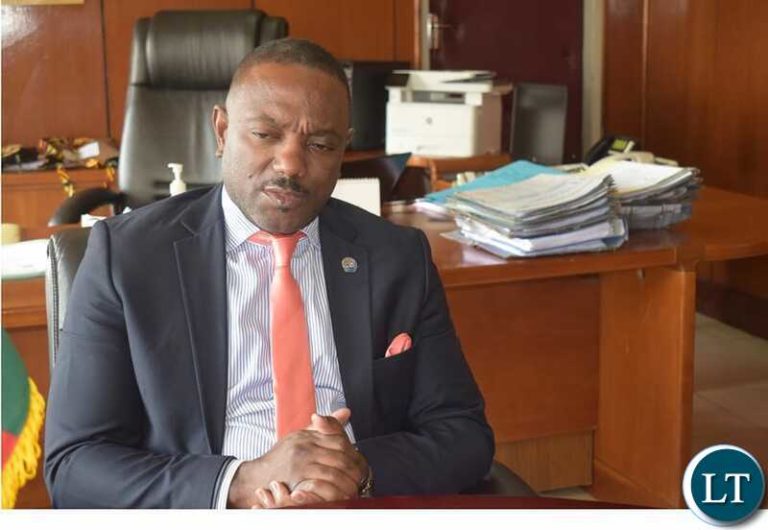
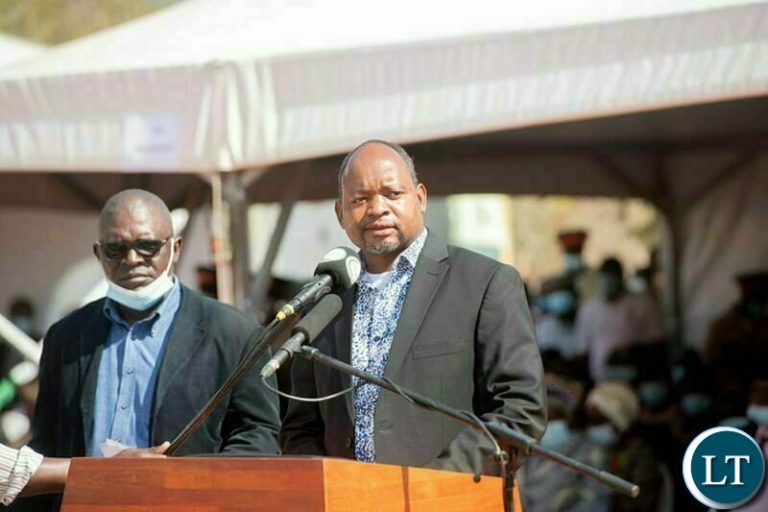
ZANIS reports that the traditional leader was speaking when Minister of Information and Media Cornelius Mweetwa paid a courtesy call on chiefs in Kalumbila District today.

“” With support from the government, we chiefs are now visiting and learning from each other,’ he said.

Senior Chief Musele further noted that with policies put in place, Chiefs were enjoying mutual respect and relationships with investors.

He noted that traditional leaders were ready to work with the government of the day provided it’s a listening government.

And Mr Mweetwa called on traditional leaders in the province to continue being pillars of unity as the country approaches the 2026 general elections.

Mr Mweetwa noted that Zambia has gone beyond tribal politics as such people have to uphold the One Zambia, One Nation motto.

” We need you to be pillars of peace because the country needs peace, you might have heard or seen in the media that some individuals are already beating the drums of tribalism ahead of the elections but as a country we have gone beyond tribal politics,” he said.

Mr Mweetwa empasised that the government is committed to working closely with traditional leaders in promoting peace in the country.

The Minister added that the government’s desire is for the country to continue enjoying peace.

” President Hakainde Hichilema stands for peace, unity and national development so let’s continue living in peace despite diversity of origin,” he said.

Mr Mweetwa was in Kalumbila District to commission the Kalumbila Community Radio built with support from Trident Foundation.

NAMA saddened by the death of Wanga Zulu commonly known as Mai Guru

The National Association of Media Arts (NAMA), is deeply saddened by the passing of a prominent and veteran artist in the film industry, Wanga Zulu fondly known as Mai Guru in the popular Zambezi Magic Television series Mpali.

ZANIS reports that President of NAMA Morgan Mbulo, notes that Wanga Zulu will be remembered for her contribution to the Zambian film industry.

He said she was not only admired by audiences but deeply respected by her peers for her humility, professionalism, and genuine love for arts.

Mr Mbulo reiterated his associations commitment to ensuring that artists working conditions and that of the creative industry as a whole remain artistic excellence and growth.

“It is with deep sadness that we mourn the passing of Wanga Zulu, a remarkable

actress and beloved figure in Zambia’s creative industry,” he stated.

Meanwhile, the arts fraternity have remembered her not only as a talented and professional actress but also as a dedicated artist that made significant contributions to the growth of the Zambian film industry.

Monde Mutale, who represented the family popularly known as Nguzu, in the Zambezi Magic TV series, revealed that Wanga who died last night had suffered a stroke.

In an emotional tribute, Mr Mulenga expressed that the late Ms Zulu who introduced him to acting, is survived by her husband, Daniel Mutale, and their five children, who describe her as not just a mother, but a beacon of peace.

While, Mpali TV Series Director and Producer, Frank Sibukku who comes a long way with the late, in film productions aside from the renowned Mpali, said her shoes will be difficult to fill as she was an asset in the film industry.

And the National Arts Theatre Association of Zambia (NATAZ), President and Mpali Cast Director, Eric Kasomo, described her as not only a guru but one of the veterans in the Zambian film industry.

While Cosmas Ngandwe, a Co- actor and Creative in the film industry remembered her as instrumental in his career, citing that Mai Gu as she was fondly called always offered her guidance.

Earlier, Mclean Phiri remembers her not only as a colleague but a mother that was always there for her.

Wanga Zulu Mutale, is alleged to have died last night October 9, around 23 hours at the age of 51 following a partial stroke.

Zambia Commemorates World Mental Health Day

0

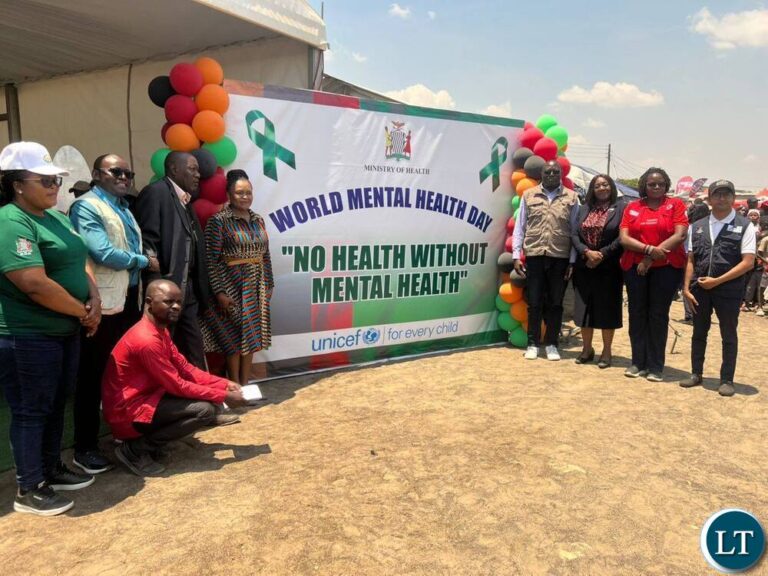
Zambia joined the global community in commemorating World Mental Health Day under the theme “Access to Services: Mental Health in Catastrophes and Emergencies.” The event, held on 10 October, emphasized the importance of expanding mental health services and integrating mental health support into emergency response systems.

Health Minister Dr. Elijah Muchima, represented by the Ministry of Health’s Director for Public Health, Dr. Matilda Simpungwe, said the day marks an important occasion when countries reaffirm their commitment to improving mental health outcomes and ensuring that mental health is recognized as a universal human right.

Dr. Muchima noted that mental health challenges continue to affect millions globally, particularly during crises. He cited natural disasters such as floods, disease outbreaks including cholera, droughts, road traffic accidents, fires, and mining incidents as major factors disrupting families, livelihoods, and essential services — all of which significantly impact mental well-being.

He explained that while most individuals affected by such events experience psychological distress, a portion of them develop more severe mental health conditions such as depression and post-traumatic stress disorder (PTSD).

To strengthen Zambia’s capacity to address mental health needs during emergencies, Dr. Muchima outlined several key recommendations. These include:

  • Full utilization of international guidelines on Mental Health and Psychosocial Support (MHPSS) to improve preparedness and response during emergencies.

  • Inclusion of mental health and psychosocial support measures in all-sectoral emergency preparedness plans, including hazard and vulnerability assessments, capacity-building efforts, coordination frameworks, and contingency planning.

  • Establishment of a cross-sectoral mental health and psychosocial support technical working group to coordinate national activities in alignment with global best practices.

  • Strengthening of community self-help and social support networks, ensuring that vulnerable populations — including people with pre-existing mental health conditions — are fully involved.

  • Continued orientation of frontline workers in psychological first aid to equip them with skills to provide immediate emotional and mental health support to people in distress.

  • Dissemination of key public messages and service information to promote positive coping mechanisms and encourage individuals to seek help.

  • Provision of clinical mental health care for priority conditions at general health facilities, using trained and supervised health workers who follow evidence-based protocols.

  • Protection and promotion of the rights of individuals with severe mental health conditions, including those living in psychiatric hospitals, social care homes, and rehabilitation facilities for substance use.

  • Establishment of referral networks connecting mental health specialists, general healthcare providers, community-based supporters, schools, social welfare offices, and emergency relief services.

Dr. Muchima further directed all Provincial and District Health Directors, as well as heads of health facilities, to prioritize mental health service delivery in their annual planning meetings. He urged them to take stock of available mental health professionals within their jurisdictions and ensure that basic mental health services are accessible to all communities.

He emphasized that improved access to mental health care is essential for building national resilience, particularly as Zambia continues to confront emergencies that affect public health and social stability.

The commemoration of World Mental Health Day aligns with Zambia’s broader efforts to integrate mental health into the country’s health system and to promote awareness of psychological well-being at all levels of society.

President Hichilema Urges Speed and Inclusivity as Zambia’s Constitution Review Resumes

6

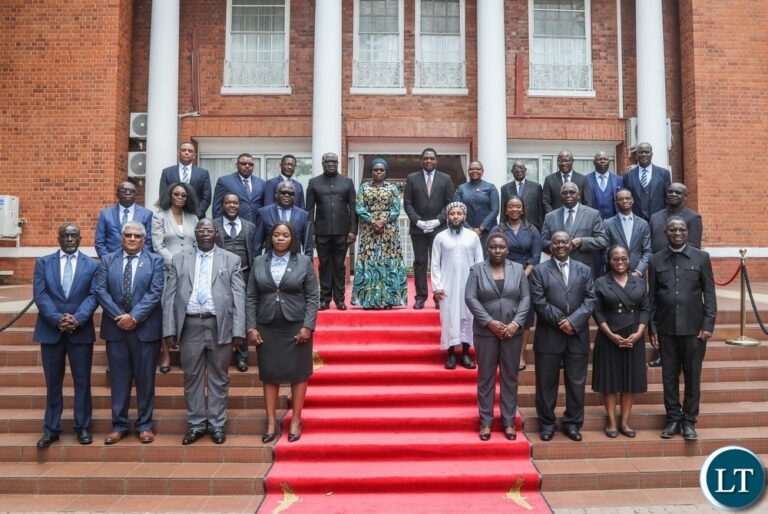
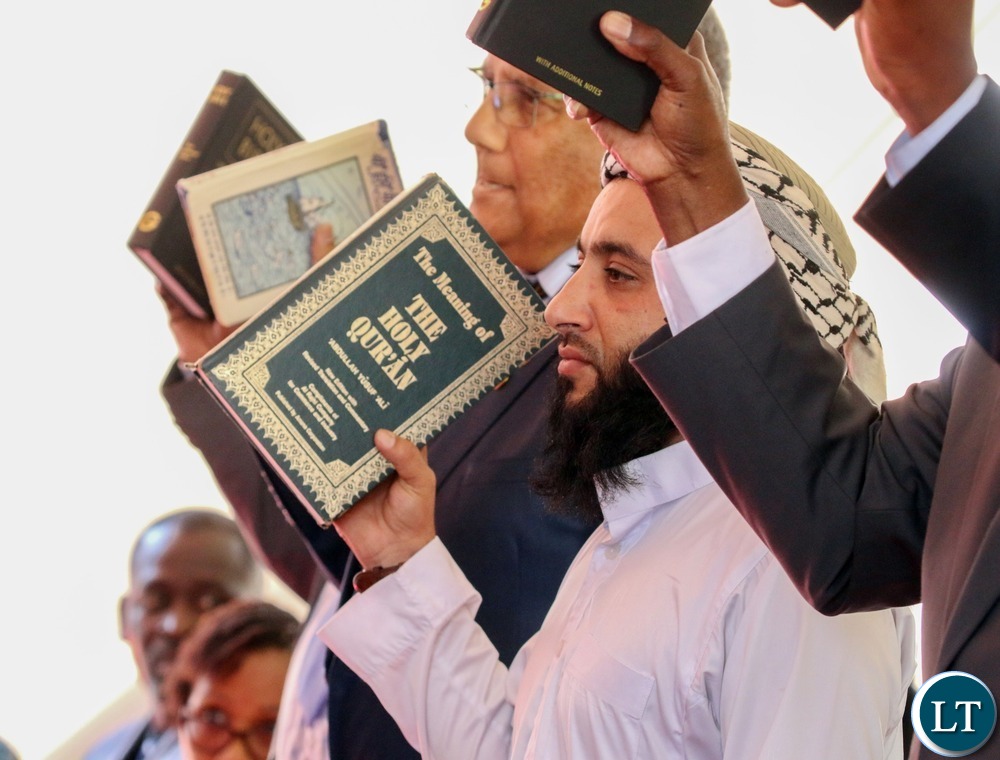
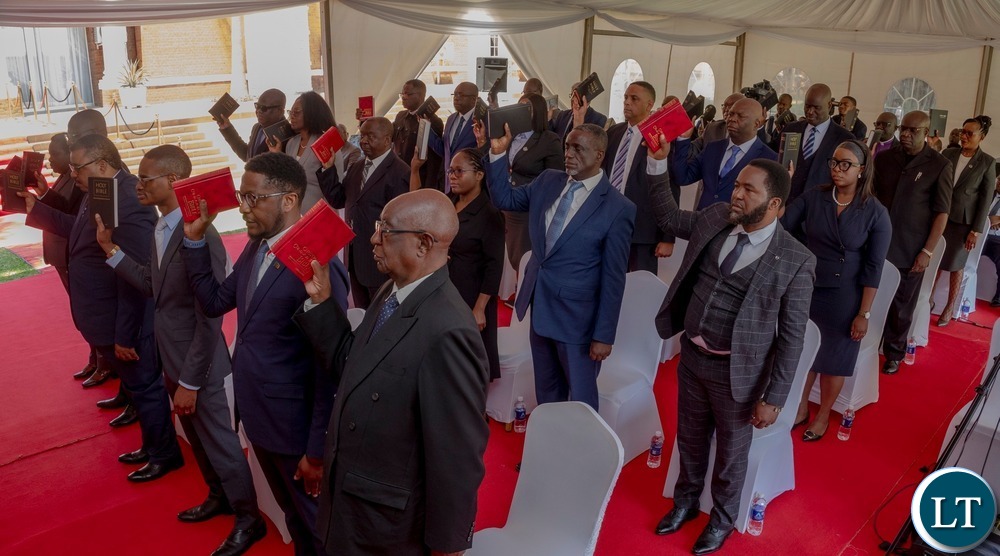
President Hakainde Hichilema has sworn in members of the technical committee on the constitution amendment Bill number Seven ,with a call for them to embrace divergent views and conclude the consultations on time.

Mr Hichilema says the government is committed to a transparent and quality constitution amendment process, hence the decision to constitute an all-inclusive technical committee with representation from various stakeholders such as the church, traditional leaders and the civil society organisations, among others.

The President was speaking when he swore-in members of the technical committee on the constitution amendment Bill number Seven at State House today.

“As you embark on this delicate exercise, I call on you to reflect on the diversity of views by listening to the concerns of every citizen from across the country, the people of Zambia expect you to deliver this quality undertaking in a timely manner,” he said.

Mr Hichilema expressed confidence in the selected technical team, to execute the amendment process diligently and within the shortest possible time, stressing that time is money and must be respected.

The Head of State further prodded the technical committee to hear every concern that people will advance during the process by always remembering the one Zambia one nation motto, if they are to come up with a comprehensive amended constitution.

He expressed gratitude that the technical committee has representation from the church, civil society organisations, traditional leaders and people with disabilities among others.

“I am pleased to swear-in the technical committee on the constitution amendment Bill number Seven, which has members from the body of Christ, traditional leaders and civil society organisations, among others,” he said.

And President Hichilema has paid glowing tribute to the Human Rights Commission for their diligence in executing their mandate by putting facts straight that the corruption fight by government is done according to the law and not on ethnic background.

He has since pledged the government’s total support to the technical committee and the Human Rights Commission for them to deliver tangible outcomes that speak to people’s aspirations.

Meanwhile, Technical Constitution Amendment Committee Chairperson, Christopher Mushabati, has promised to immediately embark on getting views and concerns from citizens.

Justice Mushabati said the technical team will strive to work tirelessly, in order to conclude the process in a timely and expeditious manner, in efforts to try and respond to the President’s directive to work diligently and timely.

The Human Rights Commission also promised to continue from where they ended earlier this year when the process was halted.

Human Rights Commission Chairperson, Pamela Sambo, pledged to respond to the President’s call by embracing diversity and inclusivity in the amendment process.

Dr Sambo has since reiterated the need to handle the constitution amendment process with professionalism as per the commission’s mandate.

Christianity should reflect in behaviour-OVP

0

Department of National Guidance and Religious Affairs Assistant Director Godfrey Kaoma has challenged Christians in the country to ensure their faith reflects in their behavior, beyond the Christian nation declaration.

He has noted that despite Zambia having been declared a Christian Nation, moral vices such as hate speech and decisive behaviour have continued among some sections of society.

Mr Kaoma has stressed that it is therefore important for Christians in Zambia to not only read but also reflect on the word of God, allowing it to transform their lives for the better.

The Director said this during an Interdenominational Bible Reading Marathon, at the United Church of Zambia (UCZ) Saint Paul’s congregation in Lusaka.

“My dear fellow Christians, as we read the Bible in the next three days, we are all challenged to let the word of God transform us, so that that declaration of the Christian nation can make sense”, he emphasised.

Speaking in an interview with ZANIS, on the sidelines of the event, Salvation Army Church Territorial Secretary for Spiritual Life Development, Brenda Critch commended the government for actively participating in the Bible Reading Marathon.

Lieutenant Colonel Critch added that it is impressive to see a country dedicate three days to reading the Bible and encouraging its people to get back to the word of God.

And in a separate interview, Seventh Day Adventist Church Southern Zambia Union Conference Ministerial Secretary, Silas Chabala emphasised the importance of having a leadership, guided by the Bible in order to promote integrity in the country.

“If we are going to have a people and nation of integrity, we need to have a leadership well vested in the word of God to guide all plans, strategies and policies. This marathon should serve as a precursor to what should be obtained in the nation daily”, Dr Chabala said.

The National Bible Reading Marathon was launched on October 7, 2025 and officially kicked off by Vice President, Mutale Nalumango.

Mutati launches Kopala Technology Summit

0

Minister of Technology and Science Felix Mutati has reaffirmed government’s commitment to driving inclusive innovation and technology growth across the country, as Zambia prepares to host Its Kopala 2025 Innovation and Technology Summit on the Copperbelt in November this year.

Speaking during Its Kopala 2025, Innovation and Technology Summit media briefing in Lusaka, Mr Mutati said the event aims to bring together over 500 participants from across Zambia’s startup and innovation ecosystem including founders, investors, academia and private sector partners.

He said the initiative, spearheaded by the National Technology Business Centre (NTBC) and the Finnish Government builds on the success of last year’s inaugural Innovation and Technology Summit Zambia (ITS-Zed), which has now evolved into a regional platform that promotes collaboration, investment and homegrown innovation.

“ITS-Kopala is riding on our ministry’s mandate to promote innovation, it will bring together the public and private sector startups, founders, investors and ecosystem enablers under one roof, in order to drive Zambia’s digital and technological transformation”, he said.

Mr Mutati commended NTBC and the Finnish Government for adhering to his earlier policy directive to make the summit an annual and inclusive event and for taking it to the Copperbelt Province this year.

“You have demonstrated inclusion by taking this event to Copperbelt”, he said.

He highlighted that through the Support from NTBC, the government has forged strategic partnerships with innovation hubs, academic institutions, investors and private sector players through Memorandum of Understanding (MoUs) aimed at supporting startups and innovators.

Meanwhile, the Finnish Ambassador to Zambia Saana Halinen says that her country is excited to support all Zambian start-ups innovators and entrepreneurs.

” We support the development and growth of the impact of investment ecosystems in Zambia and display Zambia as an Investment destination for both national and international investors”, she said.

She further encouraged diverse participation from different stakeholders, groups, saying innovation and technology benefits all individuals, ages, origins and social classes.

National Technology Business Centre (NTBC) Director Hachoombwa Ng’andu noted that stakeholders should collaborate in order to achieve and promote start-up innovators, that will offer digital solutions countrywide.

He has since reaffirmed that NTBC will work with government and other stakeholders in order to achieve its mandate to facilitate technology.

Increasing CDF allocation without putting up proper monitoring mechanism is tantamount to increasing corruption

1

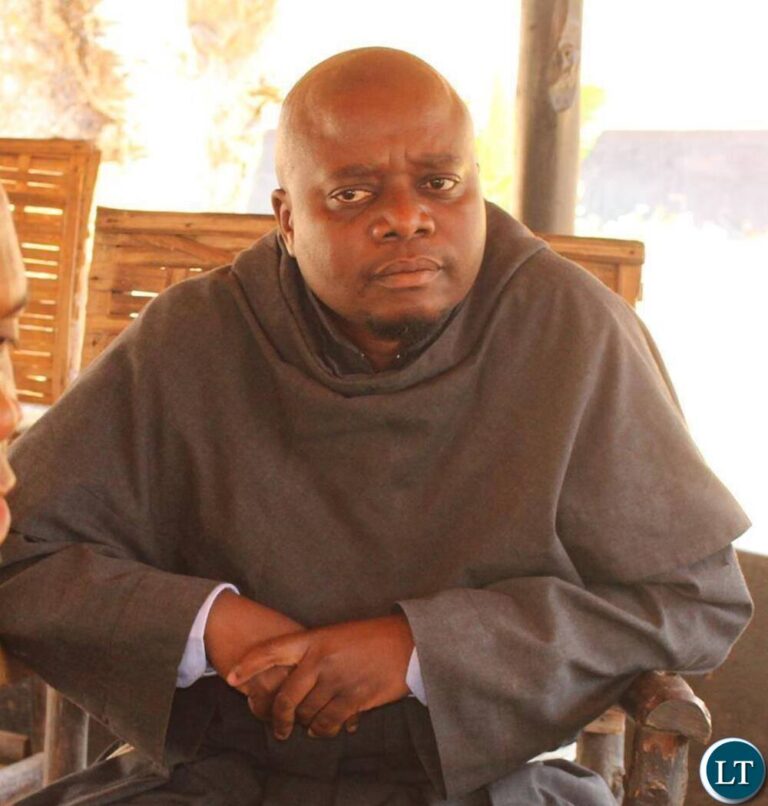
Catholic Priest Fr. Andrew Chewe Mukosa says increasing Constituency Development Fund (CDF) allocation without putting up proper monitoring mechanism by the Government is tantamount to increasing corruption.

In the 2026 National Budget, the Government has pronounced that CDF allocation per constituency has been increased to K40, 000, 000.

Speaking in his capacity as Director of Dignitatis Humanae Social Teacher, Fr Mukosa said increasing CDF allocation to K40, 000,000 per constituency will mean nothing without proper monitoring strategies on the ground.

In his budget analysis, Fr. Mukosa, of St. Francis Catholic Church in Kapesha, Mansa challenged leaders to visit grassroots to check the utilisation of CDF on the ground.

“Regardless of how much CDF is increased it does not make much sense without proper monitoring. Most of this money is landing in wrong hands, corruption is on the increase. Even if CDF is increased to K40 million. It will not help because our leadership today is now more digital than factual, meaning it’s more about pronouncements to gain mileage while ignoring what’s on the ground. The increased CDF will mean nothing without monitoring on the ground,” Fr. Mukosa said.

“All our MPS are in Lusaka, most of them don’t visit their constituencies and yet they have the audacity to debate issues in parliament. They debate issues without facts. Here in rural areas the story is different, we don’t see CDF projects as depicted up there. Come down to us and empower us where we are. This is the cry of the youths I am talking to,” he said.

“You know it’s different now, when President Michael Chilufya Sata was in power, he used to visit local initiatives, our leadership now is glued to the comfort of their offices and luxurious homes and hotels, they don’t visit shanty compounds, markets and deep rural areas to find out what people are going through. Our leadership only visits people when they campaign and are looking for people’s vote to get the power.”

On the national power deficit, Fr. Mukosa said the Government should stop power exports until it meets domestic demand.

“Let us stop the export of power and empower our country’s initiatives especially the youths whose businesses such as barber shops, welding, metal fabrication are non functional. I appreciate the efforts that are being made toward the energy sector that is very impressive,” he said.

Meanwhile, Fr. Mukosa said the issue of amending the republican constitution is an important matter.

“Please leave the constitution alone at the moment; it is not a critical issue, look at it when you bounce back to power. They are critical issues however, such as food security in our country focus on that, issues such as the street kids pathology focus on that, the dilapidated roads in our country focus on that, issues of unemployment, focus on that. Lastly, the best thing is to move around and monitor projects, be with the people who need your presence, I have the capacity to talk on behalf of the people because I am always with them. Our leadership should move,” Fr. Mukosa concluded.

Zambia Airways, Kenya Airways Fined as COMESA Cracks Down on Airline Passenger Abuse

1

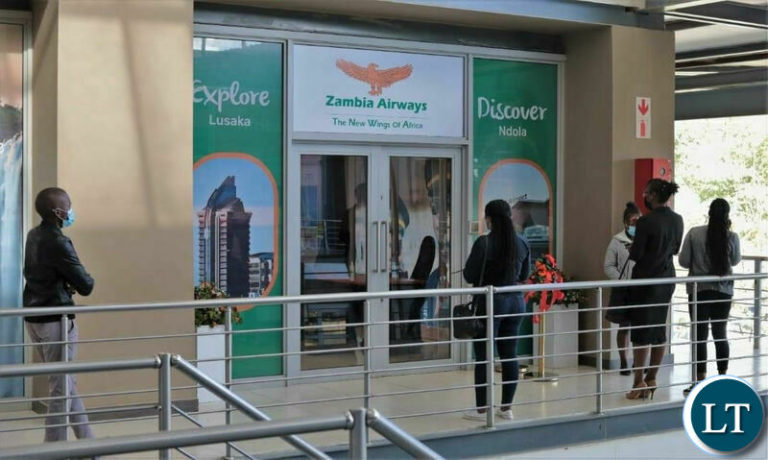
The COMESA Competition Commission (CCC) has fined Zambia Airways Limited 2 percent of its total annual turnover for unfair treatment of passengers.

This marks a major consumer protection action with direct implications for Zambia’s aviation industry.

The penalty follows a detailed investigation into an August 2024 complaint in which four passengers missed their connecting flights after a Zambia Airways plane from Livingstone to Lusaka was delayed for over six hours.

The airline reportedly declined to assist the stranded passengers with reconnections, meals, or accommodation, leaving them to bear the costs of their disrupted travel plans.

Announcing the decision during a press briefing in Nairobi, COMESA Competition Commission Chief Executive Officer Willard Mwemba described the airline’s conduct as “unconscionable” and a clear breach of Article 28(1) of the COMESA Competition Regulations.

Mr Mwemba said the behaviour demonstrated “unfair practices and disregard for legitimate consumer grievances,” contrary to the aviation sector’s code of practice.

He explained that the COMESA Competition Commission has also fined Kenya Airways for similar but unrelated circumstances where travelling masses’ rights were infringed upon without taking into consideration operating procedures to align with regional consumer protection standards or indeed, any redress to compensate affected passengers.

“The decision comes amid growing concern over passenger welfare within the Common Market, particularly in the case of Zambia, Kenya and other COMESA Member States.

Airline-related complaints ranging from delays, cancellations, and overbookings to lost or damaged baggage, had surged sharply over the past year, with over 70 percent of affected passengers receiving no compensation or redress,” Dr. Mwemba disclosed.

Dr. Mwemba added that the Commission has initiated a region-wide enforcement effort, issuing new guidelines that require airlines to offer compensation ranging from USD 250 to USD 600 depending on flight distance, and to provide meals, accommodation, and re-routing options in the event of flight disruptions.

“Airlines operating in the COMESA region, including Zambia Airways and foreign carriers such as Kenya Airways and Ethiopian Airlines, must now comply with these passenger protection standards,” he said.

Dr. Mwemba stressed that, “Consumers deserve fairness, dignity, and accountability”.

The Commission’s press briefing, attended by over 33 journalists from various member states, further highlighted on Zambia’s broader market interests, including its oversight of anti-competitive practices by other major global firms such as Diageo Plc which has equally been ordered to amend its distribution contracts in Zambia and Eswatini after being found guilty of restrictive market arrangements.

These interventions, Dr. Mwemba emphasized, are part of COMESA’s continued efforts to ensure fair trade and consumer protection across the region’s 21 Member States.

Zambia, which hosted the Commission’s second press conference in 2024, in Livingstone, remains a key partner in COMESA’s regional integration and competition enforcement framework.

“We are strengthening cooperation with Zambian authorities and stakeholders to build a competitive, transparent, and consumer-friendly market,” Dr. Mwemba added.

The Commission reaffirmed its commitment to protecting passengers and consumers across the region while promoting fair business practices that support economic growth and integration within the region.

Dr. Mwemba has since urged media in the region to assist the Commission in raising awareness among citizens in the COMESA Region and beyond, over anti-competitive business environments not only in the aviation sector but in several other businesses that affect consumers directly and indirectly.

Zambia’s Zamtel to Pilot New COMESA System for Instant Cross-Border Money Transfers

1

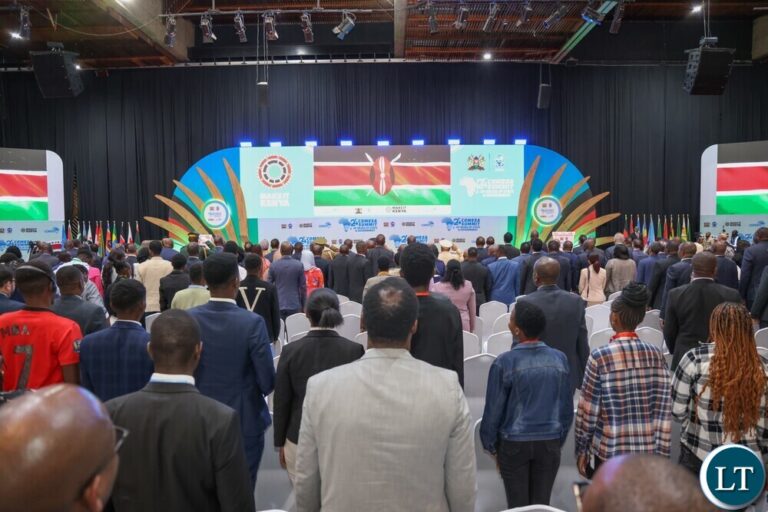
The Common Market for Eastern and Southern Africa (COMESA) has launched its new Digital Retail Payment Platform (DRPP), designed to enable instant, secure, and affordable cross-border payments across member states. The initiative was unveiled during COMESA’s 24th Heads of State and Government Summit in Nairobi, Kenya, with officials emphasizing the urgent need for regulatory and tax harmonization to ensure the platform’s success.

The DRPP aims to simplify transactions by allowing individuals and businesses to make payments in their local currencies. The pilot phase will begin with the Zambia–Malawi corridor, offering a model for wider implementation across the region.

Speaking during the launch, Kenya’s Cabinet Secretary for Investment, Trade, and Industry, Honorable Leiting Njoroge, described the platform as a critical tool for improving regional trade and economic inclusion. He highlighted that micro, small, and medium enterprises (MSMEs) make up about 80 percent of businesses and provide nearly 60 percent of employment in COMESA member states.

“By starting with the Malawi–Zambia corridor, we are demonstrating how traders can exchange value seamlessly without relying on scarce foreign currency,” said Njoroge. “This platform reduces costs, shields businesses from currency volatility, and most importantly, opens the door for SMEs, women, and the youth to participate more meaningfully in regional trade.”

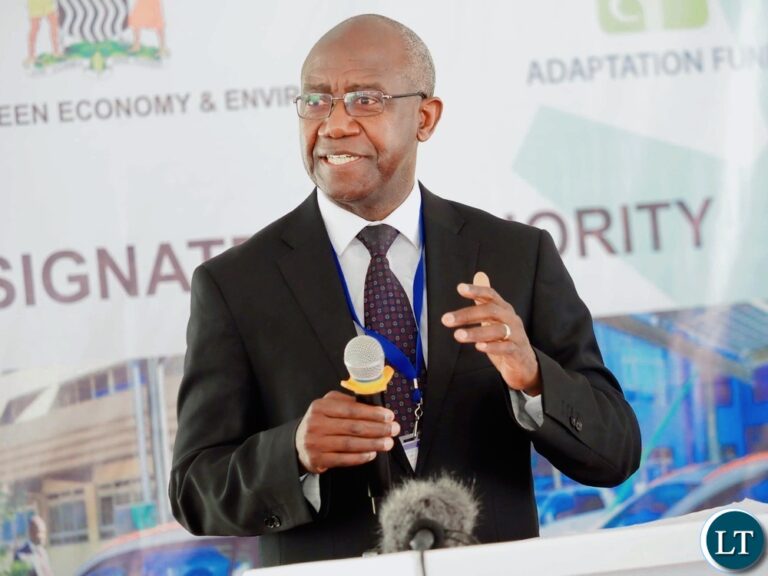
Zambia’s Permanent Secretary for Technology and Science, Dr. Brilliant Habeenzu, described the DRPP as a major step toward simplifying regional payment systems. He explained that many small businesses currently face challenges when trading across borders due to high transaction costs and delays.

“This is really a program that is aimed at wanting to ensure that our payment system within the COMESA region is actually simplified,” said Dr. Habeenzu. “We are going to be using a digital platform that makes payments easy, fast, and less costly. In a nutshell, we want to make it simplified.”

He added that despite challenges such as limited ICT connectivity in some areas, the timing of the launch was critical. “We will not have any other good time. Therefore, if we don’t do it now, we will not be able to grow our economy,” he stated.

The platform’s success, however, depends on broader policy cooperation among member states. Officials acknowledged that the next phase will require alignment of regulatory and fiscal frameworks to support seamless cross-border operations.

Mr. Anthony Undi, Board Chair of Zamtel, the Zambian mobile network operator implementing the pilot phase, said the DRPP represents a significant technological advancement for regional financial inclusion. However, he cautioned that regulatory inconsistencies could pose challenges if not addressed promptly.

“We will need as COMESA to also look at how harmonized our systems are, because there are issues of taxation, there are issues of foreign exchange controls. There are a number of regulatory issues that we have to look at for this system to work very well,” said Undi.

He explained that the DRPP enables users to send money instantly across borders, a capability not previously available among regional mobile network operators. The system allows payments in local currency, automatically converting to the recipient’s currency through the platform.

The initiative reflects COMESA’s broader agenda to promote digital integration and reduce trade barriers across its 21 member states. With the platform now in its trial phase, efforts will focus on achieving political and legal coordination to enable full operationalization of the digital payment system across borders.

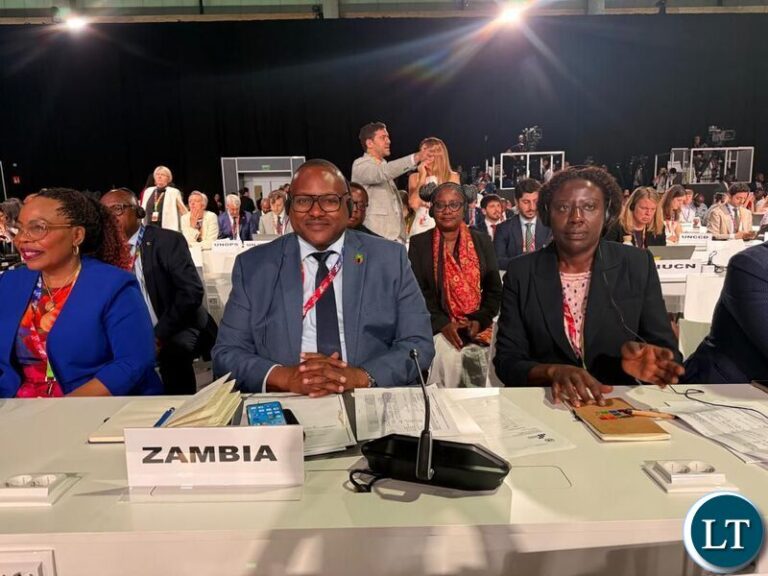
Zambia was represented at the summit by the Minister of Foreign Affairs and International Cooperation, Honorable Mulambo Haimbe, S.C., M.P. The event also marked a notable milestone for Zamtel, which has achieved financial recovery after years of insolvency. The company’s turnaround has been attributed to debt restructuring and alignment with President Hakainde Hichilema’s national vision for a digitally driven economy.

COMESA Heads of State and Government Summit successful – Haimbe

0

Ministry of Foreign Affairs and International Cooperation, Mulambo Haimbe, has described the 24th Common Market for Eastern and Southern Africa (COMESA) Summit of Heads of State and Government held in Nairobi, Kenya today as successful.

Mr Haimbe adds that COMESA has further issued a communique pointing out areas of agreement during the deliberations.

The Minister, who represented President Hakainde Hichilema at the event, said key take away is the COMESA member states’ joint approach to the issue of capital which is crucial to Zambia and the entire organisation.

“We of course appreciate and understand the need for international financial architecture but also the key point is what we are doing ourselves for the institutions that we already have in COMESA and on the African continent,” he noted.

Mr Haimbe also stressed the need for continued and strengthened integration especially from the security perspective, stating that there cannot be effective development, collaborations and partnerships in the continent without ensuring that key questions on peace and security are addressed.

He also noted that the other key message is as mentioned by the COMESA in- coming Chairperson, the President of Kenya, William Ruto, that member countries should have confidence in themselves.

The Minister states that it is one thing for COMESA countries to want to achieve certain things but if without confidence in their own ideas, decisions and plans, then nothing can be achieved.

“That is another take away that we as Zambia agree to one hundred percent,” he said.

Mr Haimbe has also congratulated President Ruto and his Vice President of Zimbabwe, Emmerson Mnangagwa for their new roles in COMESA.

And, Kenya President, William Ruto, noted that COMESA’s strength does not only lie in economic integration but also in social and human integration.

He added that over the years, COMESA’s integration journey has not only facilitated trade but also fostered peace, stability and resilience across borders.

” COMESA strength lies not only in economic integration but also in social and human integration at the heart of our mission and our people, and shared determination to bridge economic exhaustion gaps that divide our region,” he stated.

President Ruto further urged COMESA member states to recommit their vision of prosperity and sustainable development by ensuring that no member lags behind.

“As we gather here today, we must reaffirm our shared vision of prosperity, inclusivity and sustainable development ensuring that no member country is left behind,” he stressed.

President Ruto indicated that the ultimate goal of integration in Africa must be long term sustainable growth, job creation, poverty reduction and improved legal standards for the citizenry.

Meanwhile, Zimbabwe’s President, Emmerson Mnangagwa, reaffirmed his country’s commitment to peace and security as well as good governance across the region.

” Zimbabwe stands ready to work with fellow member states in promoting stability and collective peace,” he assured.

President Mnangagwa also noted that it is a collective responsibility for COMESA member states to harness the strength that lies in regional integration and promote a better future for the people.

” We all have a duty to harness collective strength within the region. Together we can deliver on a promise of a better future for our people,” he said.

COMESA Secretary General, Chileshe Kapwepwe, stated that the organisation is working with speed to digitise every aspect of its trade facilitation instruments and construction of digitised and physical infrastructure.

” For instance, the 2.5 Billion COMESA- World Bank Digital Acceleration Programme, it’s rolling out in 2025 targeting connection of 108 million people and digital services, to at least 100 more by the year 2030.

” This initiative prioritises access for women, youths, refugees, businesses and public agencies,” he explained.

Ms Kapwepwe noted that the theme for the meeting which is ‘ Leveraging Digitalisation to Deepen Regional Value Chains for Sustainable and Inclusive Growth’ reflects COMESA’s vision to harness technology for economic transformation, empowerment of the people and to foster a resilient future.

She further urged Heads of State to discuss issues surrounding over dependence on global development aid and delayed application and implementation of trade policy instruments.

” In our deliberations, let us confront persistent obstacles such as over dependence on global development aid and delaying deliberate commitments to slow application and implementation of trade policy instruments among others,” advised Ms Kapwepwe.

The high level gathering marked a significant milestone for the 21-member block.

COMESA is also celebrating 30 years of fostering economic integration, trade and cooperation across Eastern and Southern Africa.

At the event, Burundi handed over instruments of power for COMESA Chairmanship to Kenya, with Zimbabwe taking up the role of Vice Chairperson.

Zambia Aims for Private-Sector Speed in Public Service, Partners with Nigeria

1

Secretary to Cabinet Patrick Kangwa has reiterated government’s dedication to transforming public service efficiency by aligning bureaucratic processes with the speed and accountability characteristic of the private sector.

Speaking on the sidelines of the Digital Government Africa (DGA) 2025, summit held at Ciela Resort in Chongwe, Mr Kangwa acknowledged that successive governments in Africa often face heightened public expectations for dramatic improvements in service delivery.

He emphasized that under the current leadership, Zambia is working to blend the necessary government bureaucracy with efficiency standards typical of private enterprises.

“Zambia is fast-tracking reforms to reduce red tape and improve the quality and timeliness of public service delivery,” he said.

Mr Kangwa highlighted the government’s focus on priority areas, clear delivery targets and the establishment of a public-private dialogue forum, which brings together government and private sector stakeholders to identify and resolve regulatory bottlenecks.

As an example, he noted that some regulatory processes have been shortened dramatically, from two years to just two months.

He said key strategies include the adoption of electronic government systems, institutional restructuring and regulatory reforms.

Mr Kangwa also credited President Hakainde Hichilema’s private sector background for the current administration’s focus on efficiently mobilising resources, setting measurable goals and engaging the private sector to remove obstacles to business.

“Every change of government brings public demand for greater efficiency in service delivery. With the president’s private sector experience, we have been able to advance significant reforms,” he explained.

Meanwhile, Nigeria’s Head of the Civil Service of the Federation, Didi Esther Walson-Jack, called for stronger collaboration between Nigeria and Zambia on public sector transformation.

She underscored the importance of digital innovation and cultural change in African civil services.

Mrs Walson-Jack outlined Nigeria’s ongoing digital transformation, guided by the Federal Civil Service Strategy and Implementation Plan 2021–2025, which aims to enhance efficiency, transparency and citizen-centred service delivery.

She pointed out that central to this effort is a cultural reform framework known as EPIC—Efficient, Productive, Incorruptible and Citizen-Centered service.

“We recognised that new tools alone were not enough, a new mindset was essential, that’s why we reintroduced the EPIC culture to inspire the level of service our citizens deserve.” She said.

She expressed her commitment to fostering intra-African cooperation, inviting greater knowledge-sharing between Nigeria, Zambia and other nations.

“Africa must lead the transformation of its public services. We extend a hand of collaboration to Zambia and beyond,” she affirmed.

The DGA Summit brought together leaders from government, private sector, and civil society across Africa to discuss strategies for digital governance, innovation, and economic transformation.

The three-day summit, held under the theme “Accelerating Digital Transformation for E-Government”, brought together leaders and experts to explore practical strategies for modernising public service delivery, enhancing cybersecurity, and building digital trust.

Throughout the summit, participants examined topics such as digital identity, infrastructure development, cybersecurity, change management, and investment in public sector innovation.

K1.54 Billion Budget Allocation is sufficient to improve the tourism sector in Zambia-Rodney Sikumba

0

Minister of Tourism, Rodney Sikumba, says the 2026 budget allocation of 1.54 Billion Kwacha under his Ministry is sufficient to improve the tourism sector in the country.

Mr Sikumba says one of the key priority areas to be addressed is infrastructure development which has remained a challenge towards the development of the sector.

He explained that due to scarcity of infrastructure, it has affected access to some tourism sites by both tourists and investors who would want to develop the areas.

Speaking during an interview with the media, The Minister assured that the government will take infrastructure development to enjoyable places that remain inaccessible and less developed.

Mr Sikumba said that these are areas that are already enshrined in the 2018 to 2038 Zambia Tourism Master Plan.

“We as a government are not just building infrastructure to run but building infrastructure that will be a catalyst for investment. A number of areas in our country remain undeserved purely because of access,” Mr Sikumba said.

He stated the reason why airports are being constructed and rehabilitated in various parts of the country, a sure indication that there is political will for more investment.

Mr Sikumba therefore invited people to invest in heritage sites, stating the need to monetise the natural resources for the benefit of citizens.

He noted that the country’s GDP target growth can only be achieved with concerted efforts from sectors such as tourism, alongside mining, agriculture, energy and manufacturing.

Zambia Breaks Ground on State-of-the-Art National Eye Hospital in Chongwe

1

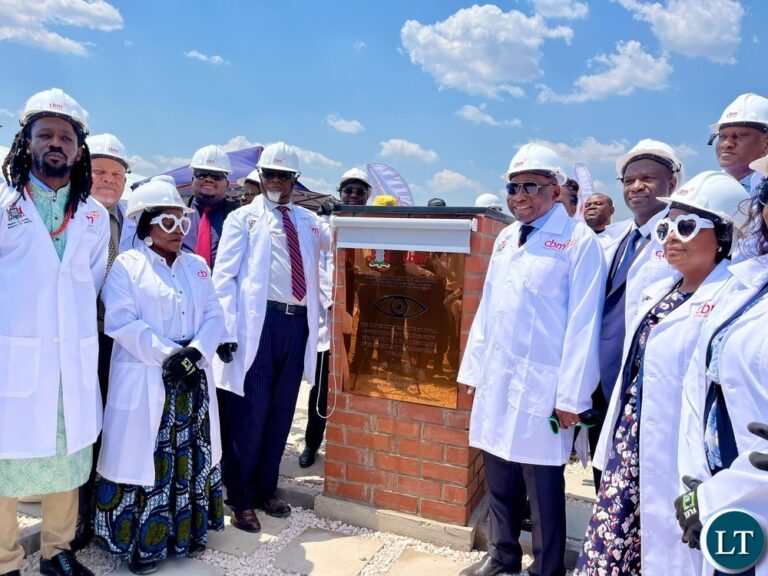
President Hakainde Hichilema has officially laid the foundation stone at the groundbreaking ceremony of a state of the art University Teaching Hospital, Eye Hospital, valued at 1.5 million Euros in Chongwe district.

The facility, which is supported by Christian Blind Mission (CBM) and other cooperating partners, is set to become a national and regional referral centre, with a capacity to nearly triple the current number of patients served.

President Hichilema emphasised that the new Eye Hospital reflects the government’s commitment to human dignity and non-discrimination.

He emphasised that the government is cognizant of the importance of good sight, noting that it directly aligns with productivity, economic growth, social inclusion and human dignity among others.

He called on the Ministry of Health and cooperating partners to collaborate in integrating and supporting the nationwide enhancement of eye care services.

“For too long, thousands of our citizens, particularly those in rural and underserved communities have struggled with visual impairment caused by diseases that could have been avoided,” he stated.

He was speaking in a speech read for him by Minister of Health, Elijah Muchima, during the groundbreaking of the UTH Eye Hospital set to be constructed in Chongwe, which coincides with the International World Eye Sight Day being celebrated under the theme, Love your eyes.

And Minister of Infrastructure, Housing and Urban Development, Charles Milupi reiterated that infrastructure goes beyond walls, citing that the set infrastructure forms part of the government’s purpose for social investment for human development.

Mr Milupi reiterated his government’s commitment and dedication of the set facility to use modern technology to ensure quality is upheld.

He pledged his ministry’s commitment to ensure it monitors the construction of the facility from the beginning, to the completion of the facility.

He has urged all stakeholders to deliver the project on time and according to the required specifications knowing that the hospital should transform lives not just for Zambia, but the entire region.

Meanwhile, Christian Blind Mission (CBM), Country Director, Linda Nonde, commended the government for prioritising eye health across the country as well as training of staff that contribute to universal access to eye care.

Dr Nonde, expressed her deepest appreciation to the government for making eye health an essential component of national health development.

Earlier, speaking on behalf of Senior Chieftainess Nkomeshya Mukamambo, the second of the Soli people, Princess Choolwe Nkomeshya, noted that the new UTH Eye Hospital will be a centre of healing, innovation for prosperity.

She gave the project her full blessing and called on her people to fully support it.

And Lusaka, Province Minister Sheal Mulyata, who was represented by Professor Gideon Mwanza, noted that eyes are one of the vital organs on the human body, noting that with the project in place avoidable blindness will reduce.

Ms Mulyata says this and many are in line with the government’s commitment, pledging her full support to the establishment of the eye hospital.

In a speech read for her, by Chongwe District Commissioner, Evans Lupiya,

and Area Member of Parliament for Chongwe Constituency, who is also the Minister of Lands, Silvia Masebo, emphasised that the UTH Eye Hospital is a positive step, noting that it is in line with the government’s agenda to provide health for all.

Earlier, Chongwe Mayor, highlighted that the project marks a major achievement for Zambia as well as the region at large, emphasising that for a long time people have struggled with eye issues which can easily be treated.

Zambia’s Reforms Driving Mining-Led Economic Growth, Says President Hichilema

0

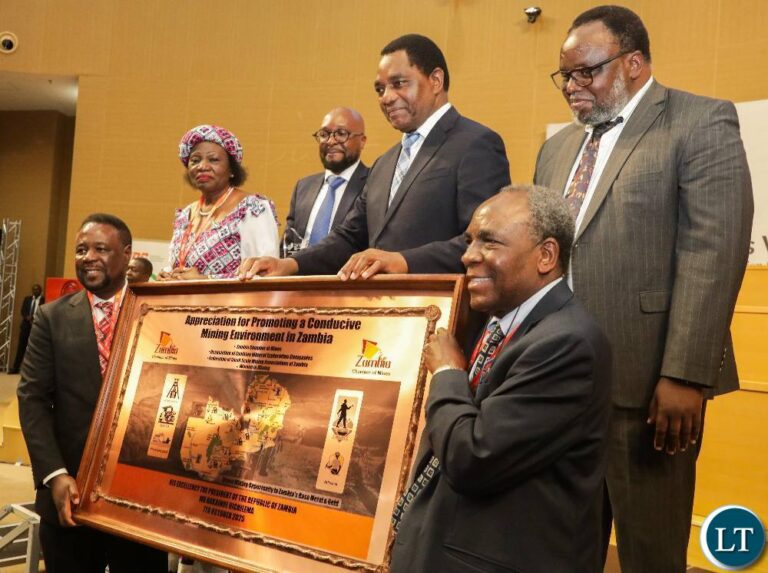
President Hakainde Hichilema says the economic gains the country has achieved is as a result of policy reforms initiated by the government in the mining sector.

President Hichilema notes that without embarking on policy reforms the country would not have recorded the economic growth it has attained.

He explains that the decision by the government to embark on policy reforms was deliberate as it was aimed at turning around the country’s economy.

President Hichilema said this during the official opening of the Second Edition of the Zambia Mining and Investment Insaka held in Lusaka today.

“We have taken a decision as a government that reforms are what will turn around the fortunes of this country,’’ he said.

The Head of State assured delegates and investors of the government’s commitment to continuously carry out policy reforms in the sector.

He noted that reforms have enabled the government to implement various developmental programmes such as free education.

President Hichilema indicated that the implementation of policy reforms will help in opening up the country’s national economy for further investment and also attract new investors.

Meanwhile, President Hichilema says the mineral wealth derived from mining must be developing other parts of the country.

He explained that non mining provinces should feel the impact of revenue derived from the mining sector.

President Hichilema said mineral wealth from the mines must be used in sectors such as education, health and road infrastructure development among others.

He indicated that Zambia is endowed with numerous mineral resources other than copper.

President Hichilema however, called for investment in other minerals as opposed to copper alone.

He said as a country there is a need to derive more benefits from other mineral resource endowment.

And commenting on the High-Resolution Nationwide Aerial Geophysical Survey (CHRAGS) launched in 2024, President Hichilema announced that 40 percent has been covered so far.

He explained that the geophysical survey will enable the government to know other mineral endowment in the country.

President Hichilema stated that the desire of the government is to use mineral endowment to build the country.

He warned that the government won’t allow the endowment of minerals to promote insecurity or instability.

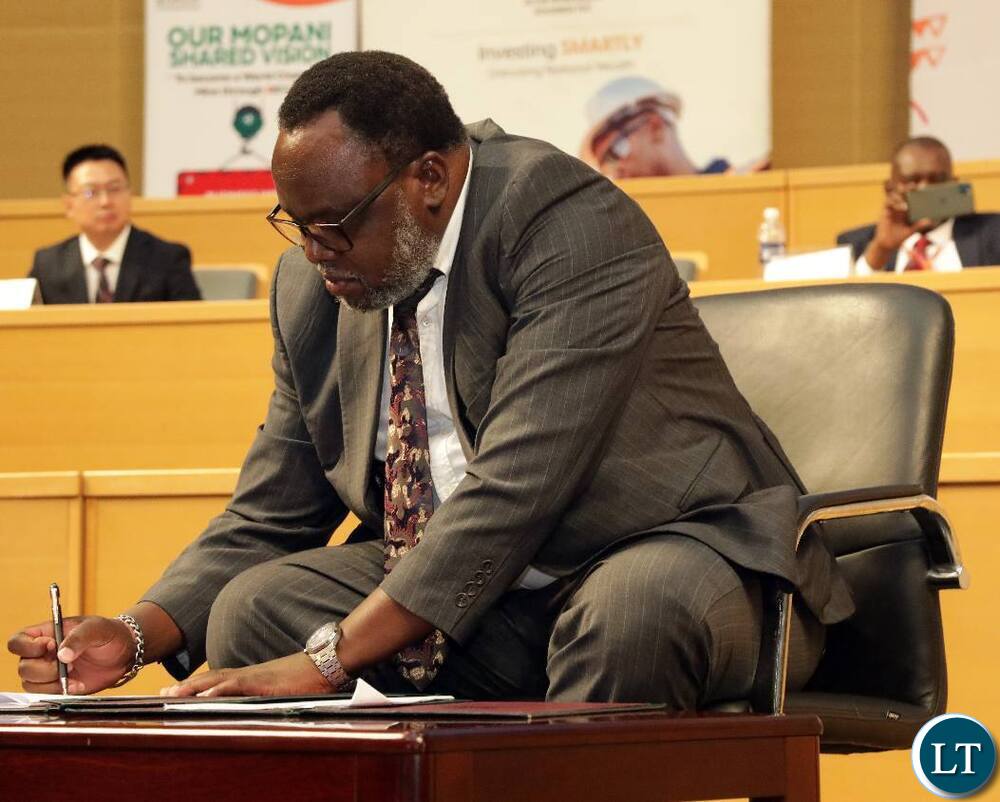
President Hichilema later granted authority to the Minister of Mines and Minerals Development Paul Kabuswe to sign the local content SI into law.

The Local Content IS allows for the participation of Zambians in the mining sector through increased employment and procurement from local businesses.

Speaking earlier, Mr Kabuswe informed the Head of State that wider consultations were carried out before coming up with the final document.

He expressed confidence that the signed document will give business preference to local Zambian suppliers.

Mr Kabuswe assured the President that the Ministry will supervise the implementation of the SI in the mining space to ensure ordinary local suppliers benefit.

And the British government has commended the government for its continued commitment to the countrywide, high resolution aerial geophysical survey.

British High Commissioner to Zambia Rebecca Terzeon disclosed that notable progress has been achieved across the Western and the North-Western Provinces of Zambia.

Commenting on Insaka, Ms Terzeon said the forum provides a timely platform for strategic dialogue, innovation, and collaboration that will shape the future of sustainable mining and responsible investment.

“It is a space where ideas converge, partnerships are forged, and decisions are made that can shape the future of sustainable mining and inclusive economic growth,” she said.

She assured President Hichilema that the United Kingdom remains a steadfast partner in Zambia’s journey towards inclusive and responsible mining.

Speaking at the same event, Chinese Mining
Enterprise Association in Zambia representative Wang, Jing, Jiang revealed that the dewatering of 28 Shaft at Luanshya Mine on the Copperbelt will be completed by the end of this year.

He explained that advancement in technology has contributed to the success of the dewatering project.

“The huge success is based on the great breakthrough in technology and the application of the customised pump, ” he said.

Mr Jiang commended the government for putting in place policies that support the growth of the mining sector.

Meanwhile, ZCCM-IH Board Chairperson Phesto Musonda disclosed that the mining firm this year recorded a milestone by surpassing one billion dollars market capitalisation on the Lusaka security exchange.

Mr Musonda said the achievement is a sign of confidence in Zambia’s reforms.

He pointed out that ZCCM-IH has become a diversified one billion dollar power house.

Mr Musonda disclosed that in the last two decades ZCCM-IH has contributed over 2.2 Billion Kwacha in dividends to the national treasury.

He further disclosed that revenue rose from Hundred and Thirteen Million Kwacha in 2022 to Three Point Two Billion Kwacha in 2024.

While assists have doubled to more than 57.3 Billion Kwacha.

Mopani Copper Mines Chief Executive Officer Charles Sakanya informed President Hichilema that over two thousand jobs have been created as a result of unlocking Mopani.

Mr Sakanya said through the expansion and recapitalisation of Mopani various opportunities have been created for stakeholder holders.