Thursday, June 18, 2026
24.7 C
Lusaka
Home Blog Page 287

UNFPA warns of possible population decline

0

The United Nations Population Fund (UNFPA) in Zambia has officially launched the 2025 State of the World Population report in Lusaka with the Zambian government pledging continued efforts to improve the welfare of vulnerable groups and address challenges linked to fertility and population trends.

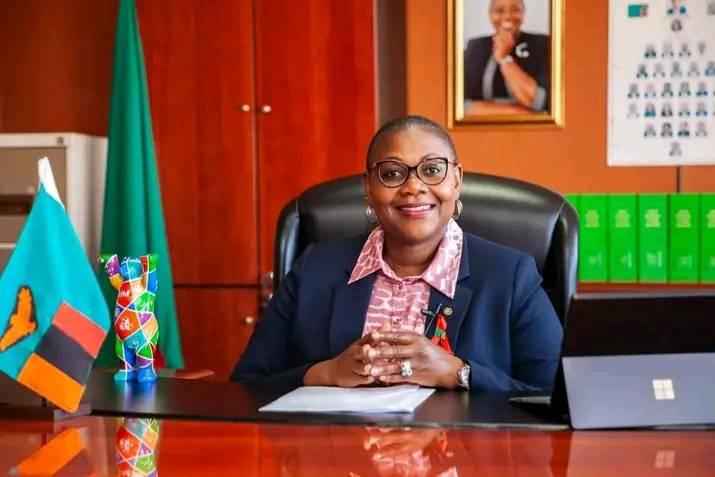
Speaking during the launch, Community Development and Social Services Minister, Doreen Mwamba, reaffirmed the government’s dedication to advancing social protection initiatives that enhance the wellbeing of women, children, and youth.

Ms Mwamba said the government’s social protection policy promotes productive agency through maternity and early childhood support.

“We are working to extend maternity protection beyond the formal sector and exploring non-contributory cash benefits for poor, vulnerable pregnant women and mothers,” she said.

She said programmes such as the Keeping Girls in School (KGS) initiative play a vital role in preventing early marriages through supporting families that are facing economic hardship.

“Through social protection programmes, we ensure that no girl is forced out of school and into early marriage due to financial constraints,” she said.

Ms Mwamba added that the policy also focuses on youth empowerment through skills development, access to capital, and linkages to livelihood opportunities.

“By creating economic opportunities for our young people, we give them financial stability to plan their futures and families with confidence,” she noted.

Meanwhile, UNFPA Country Representative, Seth Broekman, warned that the world is experiencing an unprecedented decline in fertility rates, a situation which is raising global concerns about a potential population collapse.

“With more than 8 billion people sharing our planet, the human population has never been larger yet we face a major crisis,” he said.

Mr Broekman revealed that findings from UNFPA’s flagship report show that many individuals are unable to achieve their desired family size due to financial, health, and environmental challenges.

“In Zambia, a young woman told us she does not plan to have another child because of financial instability, unaffordable housing, and the high cost of living. Health issues, lack of access to healthcare, infertility, and climate-related threats are also major barriers,” he explained.

Held under the theme “The Real Fertility Crisis: The Pursuit of Reproduction in a Changing World,” the event underscored UNFPA’s partnership with the Zambian government in tackling reproductive health challenges and ensuring that every individual can exercise their reproductive rights safely and freely.

The Matter of ‘Good Governance’

0

By Henry Kyambalesa

Abstract

The term “good governance” is defined in this article to refer to the dispensation of the functions of a local or national government that is characterized by transparency, accountability, rule of law, genuine citizen participation in governmental decision making, and recognition of the need for a free press.

Accordingly, the article is devoted to a brief survey of the following themes: (a) the need for good governance; (b) the essential elements of good governance; and (c) the need for a propitious nation-state.

Necessity of Good Governance

Except for the People’s Republic of China (PRC), no country anywhere in the world should expect to attain meaningful socioeconomic development in the absence of a viable and genuine democratic system of government, the creation of which hinges on meeting the following prerequisites paraphrased by J. Fisher-Thompson (1996) from the conclusions of a study conducted by the Global Coalition on Africa (GCA) relating to the political transformation of a selected number of African countries:

1.  Genuine and full participation of the various segments of society in making decisions concerning political issues and other matters which are of national importance;

2.  Deliberate consideration of ethnic and other special interests in the distribution of power, educational facilities, health services, and so forth;

3.  Acceptance and tolerance of independent news media and other local interest groups as important constituents of a functioning pluralistic society;

4.  Maintaining a viable parliament, as well as recognizing it both as a body of people’s elected representatives and as the supreme legislative organ of government;

5.  Creation of a truly free and just legal system, and impartial and professional civil police units;

6.  Respect for, and protection of, the civic rights and freedoms of Zambian citizens enshrined in the Republican constitution and the rights and freedoms of individuals stipulated in the African Charter on Human and Peoples’ Rights and the Universal Declaration of Human Rights of the United Nations (UN);

7.  Existence of political parties which have a sound and long-term national agenda, rather than parties that exist primarily to pursue partisan interests and/or the political survival of their incumbent leaders;

8.  Recognition, by political leaders, of the populace as their ultimate masters and stakeholders;

9.  A military establishment graced with, and run by, a cadre of men and women who are adjudged to be patriotic, apolitical, well-disciplined, and professional in character; and

10.  Citizens who have a profound understanding of the crucial role they can individually and collectively play in the process of creating a more affluent, more peaceful, more democratic and more egalitarian society—such as by putting personal, ethnic, and partisan interests aside during local and/or national elections, and by reflecting more seriously on the goals and policies political parties and contestants pledge to pursue.

And, according to Julius K. Nyerere (1998), the key to a national government’s effectiveness and its ability to provide popularly acceptable and competent leadership lies in a combination of the following elements:

1.  Its closeness to its people, and its responsiveness to their needs, demands and expectations;

2.  Its ability to coordinate and bring into a democratic balance the many functional and often competing sectional institutions which groups of people have created to serve their special interests; and

3.  The efficiency of the institutions (official and unofficial) by means of which its decisions are made known and implemented throughout the country.

Besides, Nyerere (1998) has underscored the need for government leaders to subject themselves to the dictates of their countries’ constitutions—a time-honored tenet that many post-independence African leaders have tended to ignore. The following is an excerpt of his views on this subject:

All Heads of State swear to honor and protect the Constitution. This is as it should be; for the Constitution is the Supreme Law of the Land. We cannot respect ordinary laws of the state if we do not respect the Constitution under which they were promulgated. A scrupulous respect for the Constitution is the basis of the principle of the Rule of Law.

It seems to me that some of us tend to forget that logic. Presidents, Prime Ministers, and sometimes all members of a country’s government, seek to amend a Constitution in their own favor even when they come to office through, and because of, the provisions of a Constitution that they have sworn to honor.

Too often, for example, we have seen Presidents seek to lengthen the number of terms they serve, despite the limit laid down in the Constitution of the country concerned. If and when experience shows that the restriction laid down in the Constitution is too restrictive and need to be changed, the change should not lengthen the term of the incumbent office bearer, who is bound in honor to observe the restriction under which he or she was elected in the first place. And in any case, and more importantly, the first President to be elected under a restricted term of office must never change the Constitution to lengthen that term.

If he or she does it, it is difficult to see how subsequent Presidents can honor the new restriction. Furthermore, if the provision of a limited term of office irks one President or Prime Minster, another provision of the Constitution could irk another President or Prime Minister. We might then expect the Constitution of the country to be changed after every General Election. This is a point which, in my view, needs great emphasis. No Respect for the Constitution leads to No Basis for the Rule of Law.”

And Article 21(3) of the Universal Declaration of Human Rights adopted in December 1948 by the United Nations (UN) General Assembly has provided the following useful caveat for government leaders:

The will of the people shall be the basis of the authority of government; this will shall be expressed in periodic and genuine elections which shall be by universal and equal suffrage and shall be held by secret vote or by equivalent free voting procedures.”

African countries have, by and large, incorporated this caveat into their national constitutions. Unfortunately, candidates fielded by ruling political parties in much of the African Union today have ostensively tended to flout their fellow citizens’ right to choose leaders in an atmosphere characterized by free and fair elections.

Elements of Good Governance

Essentially, ‘good governance’ requires government and political leaders to earnestly adopt the following elements, most of which are cited by the United Nations Development Program (2005):

1. Transparency: Public access to information about the state, its decision-making mechanisms, and its current and contemplated projects and programs—except for state secrets and matters relating to public officials’ right to privacy;

2. Accountability: Availability of a mechanism for ensuring that individuals are directly and fully liable for the outcomes of their decisions and actions, and the appropriation of resources assigned to them;

3. Rule of law: The existence of non-discriminatory laws and law enforcement organs of the government that are efficient, impartial, independent, and legitimate;

4. Citizen participation: Availability of channels and mechanisms through which the citizenry and non-governmental institutions can—directly or through representation—have an influence on governmental decision-making processes and the behavior and actions of public officials; and

5. A plethora of news media: Availability of a cornucopia of news outlets. A ‘free press,’ as Humphrey Mulemba (1996:9) has main­tained, “need to be both encour­aged and supported.”

In this regard, there is a need for citizens—particularly in countries where governments have a monopoly over TV and radio operations—to implore their leaders to put an end to the situation whereby large segments of the news media are state-owned, under tight controls by the government of the day, and the virtues of individuals’ rights and freedoms are subordinate to those of the ruling party and the state, to paraphrase Omolo J. Ochilo (1993).

It is undemocratic for any country’s government to deliberately and adamantly continue to have large segments of the news media that operate as tools of the ruling political party and its leaders.

In a democratic society, the functions of the mass media in general, and news outlets in particular, should essentially include the following, most of which are cited by Ken Auletta (2009):

(a) To serve as a watchdog to the three organs of the government—that is, the judiciary, the legislature and the executive.

(b) To inform the public about issues which are of national interest.

(c) To serve as a medium of communication that guarantees free and open debate and discussion among members of society.

(d) To influence public opinion through impartial, balanced and fair analysis of issues which are of national interest.

(e) To serve the economic system through sponsored advertisements designed to bring buyers and sellers into contact with each other. And

(f) To serve as a medium for entertaining the public through:

  • Comics, humor columns, crossword puzzles, sports coverage, and other forms of entertainment provided by the print media;

  • Movies, comedy, music, sports commentaries, and other forms of entertainment provided through television;

  • Music, comedy, sports commentaries, and other forms of entertainment provided through radio programming; and

  • Video games, music, sports coverage, and other forms of entertainment provided through the Internet.

Besides, good governance needs to be fortified by an apolitical and non-partisan military. In other words, a country needs the services of a military establishment that is administered by a cadre of men and women who are adjudged to be patriotic, apolitical, well-disciplined, and professional in character in its quest for sustained peace and stability.

As Edward Shils (1960:22–23) has maintained, there is a need for military officers, intelligence officers, and the civil police in a country’s armed forces to consider themselves as being part of the ‘technical-executive intelligentsia’ who, together with politicized intellectuals (that is, civilian leaders), should play the role of guarantor of political stability, honesty and discipline in government.

Moreover, civilian leaders need to have constitutionally guaranteed control over all branches of a country’s defense and security apparatus, including the police, air force, paramilitary, and the infantry. For some countries, the defense and security apparatus includes the Navy, National Guard and/or any other similar organs or units.

However, it would be unrealistic and imprudent to expect armed forces to be apolitical and non-partisan if a country’s executive president or prime minister uses possessive terms like “my generals and my military” to refer to the armed forces and their top-level officers, as reported by Tal Axelrod (2019), Mark Abadi (2017) and U.S. Public Broadcasting Services (2019).

The armed forces and all the men and women who serve under such forces must never be treated as political cadres hired to serve the interests of a country’s president, prime minister or ruling political party.

Rather, they must be treated as national assets hired to protect their countries and their fellow citizens diligently irrespective of the kinds of politicians and/or political parties that may secure the people’s mandate to form government.

Likewise, it would be unrealistic and imprudent to expect armed forces to serve under civilian leaders in countries where there is a conspicuous absence of a system of governance designed to provide for peaceful removal of flagrantly corrupt, extravagant, despotic, nepotistic, and/or grossly incompetent government officials.

Civilian leaders in such countries should not wonder when any branch of their country’s military establishment decide to seize power by means of a coup d’état.

The Need for a Propitious State

Kingsley Y. Amoako (1998) has made a useful contribution to the issue of good governance. He has recommended the creation of a nation-state which has the following attributes: the state as a political order, the state as a system of laws, the state as the embodiment of the nation, and the state as the property of the people.

For lack of an orthodox term, let us provisionally refer to such a nation-state as “the propitious state” to distinguish it from the following kinds of nation-states, some of which are identified in the literature, as being characteristic of countries in much of the developing world and in some industrialized nations:

1. The Patrimonial State: A nation-state in which government leaders treat the state as their own piece of property;

2. The Predatory State: A nation-state in which government officials and political leaders look upon the citizenry as prey for their rapacious greed;

3. The Shadow State: A nation-state that is generally characterized by informal political networks and a shadow economy punctuated by illegal activities;

4. The Collapsed State: A nation-state in which common people are generally left to their own devices while government officials revel in conspicuous, state-financed luxury;

5. The Repressive State: A nation-state where leaders impose sufficient repression to keep their opponents weak and maintain their own power, while adhering to enough democratic formalities that they might just pass themselves off as democrats;

6. The Criminal State: A nation-state where the government is oblivious to crimes committed by government leaders and the elite, individuals with criminal records are appointed to positions of authority, and/or government leaders and the elite are engaged in criminal activities, such as money laundering, drug trafficking, human trafficking, or corrupt practices;

7. The Outlandish State:  A nation-state where ex-convicts, impostors, conspiracy theorists, tax evaders, and/or election-deniers are either permitted to compete for elective positions or are appointed to positions of authority in the executive, legislative or judicial branches of government;

8. The Deep State: A type of clandestine or shadowy government within the regular government of a country consisting of influential and astute private citizens and elected and unelected government officials who, together, secretly control, manipulate and/or subvert the policies of a country’s national government, the purposes of which may include the pursuit of ideological objectives or corrupt activities;

9. The Shenanigan State: A nation-state where top-level government officials use their offices and positions as means for pursuing their personal goals and interests by engaging in devious, deceptive, mischievous, unscrupulous, and questionable behavior, maneuvers and/or activities;

10. The Cantankerous State: A nation-state governed by a bully-like executive president or prime minister surrounded by cliques of highly partisan lawmakers, bureaucrats and/or ordinary citizens who are inclined to circumvent national laws, constitutional provisions and the national interest in their support and protection of the president’s or prime minister’s parochial and egoistic agenda; and

11.  The Docile Nation-StateA nation-state where citizens are, by and large, gullible and, as such, are easily duped and hoodwinked by overtly despotic politicians seeking elective positions in government to garner the support of such citizens.

———————–

Disclaimer: This article is excerpted and adapted from Kyambalesa, Henry, The Size and Functions of Government (Lambert Academic Publishing, 2022), Chapter 10 / Section 10.2.

Bibliography

Abadi, Mark, “Trump Won’t Stop Saying ‘My Generals’ — and the Military Community Isn’t Happy,” Business Insider:

https://www.businessinsider.com/, October 25, 2017.

Amoako, Kingsley Y., “Governance for a Progressing Africa: Opening Statement at the Second Africa Governance Forum,” http://www.uneca.org/, Accra, Ghana, June 25, 1998.

Auletta, Ken, “The Press’s Role As a Watchdog on Government,” Frontline, http://www.pbs.org/, February 18, 2009; WikiAnswers, “What Are the Functions of the Press?” http://wiki.answers.com/, March 8, 2009.

Axelrod, Tal, “Ex-Defense Secretary Raises Concerns about Trump’s July 4 Event: ‘It’s Not His Military’” The Hill: https://thehill.com/, July 4, 2019.

Fisher-Thompson, J., “Ambassador [Herman] Cohen Gives His Recipe for Democracy in Africa,” Washington Line:

http://www.zamnet.zm/zamnet/usis/, April 19, 1996.

Kyambalesa, Henry, “The 27th Ordinary Summit of SADC,” a paper prepared as a Press Release for Heads of State and Government, First Ladies, Ministers, the Executive Secretary, the Deputy Executive Secretary, the Chief Director, Heads of Delegations, and Delegates who attended the 27th Ordinary Summit of the Southern African Development Community (SADC) in Lusaka, Zambia between August 10 and 18, 2007.

Mulemba, Humphrey, quoted in Kyambalesa, Henry, Quotations of Zambian Origin, Revised Edition (Lusaka, Zambia: Apple Books, 1996), p. 9.

Nyerere, Julius K., “Governance in Africa: Address,” http://www.uneca.org/, Addis Ababa, March 2, 1998.

Ochilo, Omolo J., “Press Freedom and the Role of the Media in Kenya,” Africa Media Review, Volume 7/Number 3, 1993.

Public Broadcasting Services, “With July 4 Celebration, Did Trump Politicize the Military?” https://www.pbs.org/, July 5, 2019.

Shils, Edward, Universities, Politicians, and Bureaucrats: Europe and the USA (Cambridge: Cambridge University Press, 1960), pp. 22-23.

United Nations Development Program, “Addressing Corruption through Democratic Government,” http://www.undp.org.vn/, November 2, 2005.

Science & Technology Minister, prioritize skills training; it can be a game changer!

1

As self-acclaimed advocates or champions for street kids, who’ve cultivated and nurtured closer ties with them over the years, we’ve knocked on government doors, umpteenth times, in our attempts to pitch practical solutions which may ameliorate their plight. We’ve no doubt our proposals are probably gathering dust somewhere or were indeed simply shredded and discarded in the rubbish bin!

We are therefore left with little or no option at times, but to submit further proposals to government officials in this fashion, rest assured this may easily attract the attention of the President as he’s always quite active on social media.

At a time when our youth are clamouring for job opportunities, vocational training may be the answer…..nay, a game changer! Currently, there’s a huge demand for artisans and yellow machines (earth moving equipment) operators in farther field as Canada, Australia, Saudi Arabia, Congo DR, Ghana and Liberia to mention but a few.

During the UNIP era, a good number of expertriate teachers were recruited from abroad to come and fill up the void in our schools. Why can’t government consider signing MOUs with the said countries in order to avail them artisans and operators? Thanks to enhanced CDF, hundreds of youths are now being empowered with various vocational skills, countrywide. Government through the relevant line ministries may step in to facilitate apprenticeships for graduands in the mines and other related industries in order for them to acquire the necessary experience.

Remittances play a significant role in West Africa’s economy, with the region receiving over 36.5% of Africa’s total remittances. Nigeria alone accounted in excess of $20.1 billion in remittances in the last financial year!

Hon. Felix Mutati, don’t you think the New Dawn Administration should consider exploring this avenue as a way of creating youth employment, hence shoring up our GDP?

In our next article, we look at what impact the Ministry of Small & Medium Enterprises can have on our economy.

Prince Bill M. Kaping’a
Political/Social Analyst
Zambezi

Kasune commends Zambia Law Development commissioners

0

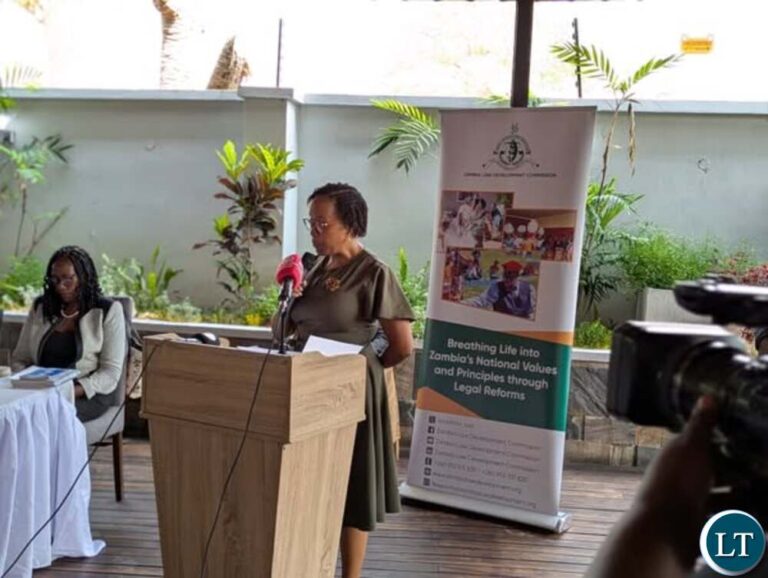
Minister of Justice, Princess Kasune, has officially unveiled the newly appointed and returning commissioners of the Zambia Law Development Commission (ZLDC) for another three-year term, while commending the commission’s achievements in over 20 law reform projects during its previous mandate.

Speaking during the unveiling of the Zambia Law Development Commissioners and handover of the commission’s end-of-term report for the period 1st July 2022 to 30th June 2025, Ms Kasune commended the outgoing commissioners for their role in delivering what she termed ‘remarkable body of work’, aimed at modernising Zambia’s legal system.

Among the highlighted reforms were the review of the Cyber Security and Cyber Crimes Act, the Public Order Act, which led to the 2024 Public Gatherings Bill, the drafting of regulations under the Anti-Human Trafficking Act, and substantial progress on laws addressing arbitration, gender-based violence, and alternative dispute resolution

“These are not merely documents, they are building blocks for a fairer, more modern, and more accessible body of Zambian law,” she said.

She said law reform is a collaborative endeavour and called on other government agencies, Parliament, civil society, development partners, and citizens to participate in shaping the nation’s legal landscape.

Ms Kasune also noted that the commission’s public outreach efforts, including seminars, media engagement, and educational initiatives such as the inaugural Zambia Parliamentary Model United Nations for secondary schools, have brought marginalised voices, particularly women, youth, and civil society, into the national conversation on legal reform.

“You inherit a commission with a proud record and an ambitious agenda, continuing the emphasis on inclusive, evidence-based law reform that is responsive to the needs of our people and aligned with Vision 2030 and the Eighth National Development Plan,” she said.

And Zambia Law Development Commission Chairperson, Ruth Chibbabbuka, outlined the commission’s key achievements during the term, emphasising its commitment to reviewing, developing, and reforming laws aimed at promoting social justice, equity, good governance, and democracy in Zambia. Impressive

Ms Chibbabbuka said among notable legislative milestones the commission completed are the review of the Security and Excise Crimes Act and the Public Order Act, which led to the drafting of the Public Gatherings Bill 2024.

She noted the progress on regulations under the Anti-Human Trafficking Act and initiatives tackling arbitration and gender-based violence, in collaboration with key ministries.

She said public awareness campaigns on constitutionalism, justice reform, and socio-economic rights reached wide audiences via digital and traditional media, including students through a parliamentary model United Nations programme.

She however acknowledged persistent challenges such as limited funding, staff shortages in research, unreliable utilities, outdated equipment, and an aging vehicle fleet, which hindered timely execution of activities.

Meanwhile, Ministry of Justice Permanent Secretary for Legal, Mwenya Bwalya, reaffirmed the commission’s commitment to legal review, reform, and development.

Ms Bwalya emphasised the commission’s evidence-based and inclusive approach aligned with the Eighth National Development Plan.

The commissioners include Justice Ruth Chibbabbuka (Chairperson), Munukayumbwa Munyima (Vice Chairperson).

Members of the commission include Emmanuel Sibonga, Eva Jhala , O’brien Kaaba, Herrick Mpuku , Bibian Kalinde, Chipo Nkhata , Bubala Chibbonta, Mwaka Chizinga, Dominic Kangongo , Kawama Simumba, and Yvonne Wilombe-Nakachinda

Zambia hails Scottish government for continued support in health

0

Minister of Health, Elijah Muchima, has hailed the Scottish government for the continued support it has rendered to Zambia through his ministry.

Dr Muchima, states that the Scottish government’s support to Zambia through the establishment of Kids Operating Rooms, that provide surgical services to children, has significantly improved paediatric surgical care in the country.

ZANIS reports that the Minister has highlighted that so far, nine fully equipped operating rooms have been established across the country, three are at the University Teaching Hospital (UTH), another three at Arthur Davison Children’s Hospital in Ndola and one each at provincial hospitals in Chipata, Kabwe and Livingstone.

Dr Muchima has further disclosed that with this support, UTH alone now conducts between 2,800 to 3,000 paediatric surgeries every year, from the less than 1,000 it used to perform before the equipped rooms.

“A remarkable improvement from the less than 1,000 in the previous years,” he adds.

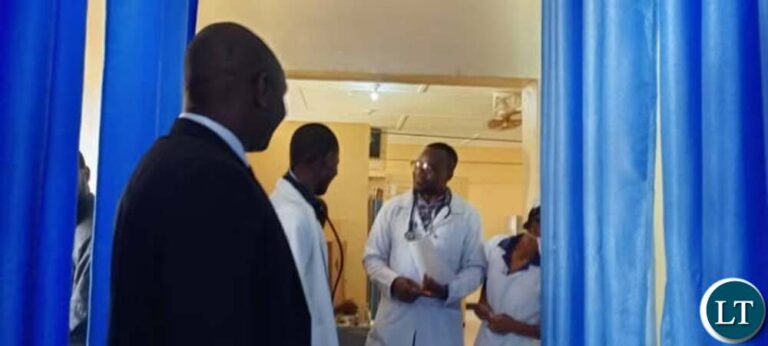
Dr Muchima was speaking in a speech read for him by his counterpart, the Ministry of Lands and Natural Resources, Sylvia Masebo, when the Scottish First Minister, John Swinney, paid a courtesy call on him today at the Kids Operating Room (Kids OR) at UTH.

He also thanked the Scottish government not just for the modern operating rooms that enhance the country’s health infrastructure but also for contributing to the training of specialist paediatric surgeons.

“We are grateful to the Scottish government’s support in expanding the PEN Plus initiative. In July 2025, two additional Pen Plus training centres were launched at Chifubu First Level One Hospital, and Chipata District Hospital with yearly funding of 275,000 Pounds for three years,” he said.

And, Mr Swinney reiterated his government’s commitment towards the bilateral partnership and support through the health sector.

He said his visit is one that illustrates the Scottish government’s strengthening of partnership with Zambia through various initiatives especially research.

Earlier, Representing the Kids OR, Head of Projects, Caleb Macharia, was grateful for the Scottish government’s support towards the department, saying that it has brought surgical services closer to children’s homes.

“Scottish partnership and support continue to lead innovation. Thanks to your support, solar systems have been installed in all the supported surgical rooms to ensure sustainable and reliable surgeries,” he said.

Lungu Family Accuses Government of Breaking Trust in Burial Mediation

Lungu Family Accuses Government of Breaking Trust in Burial Mediation

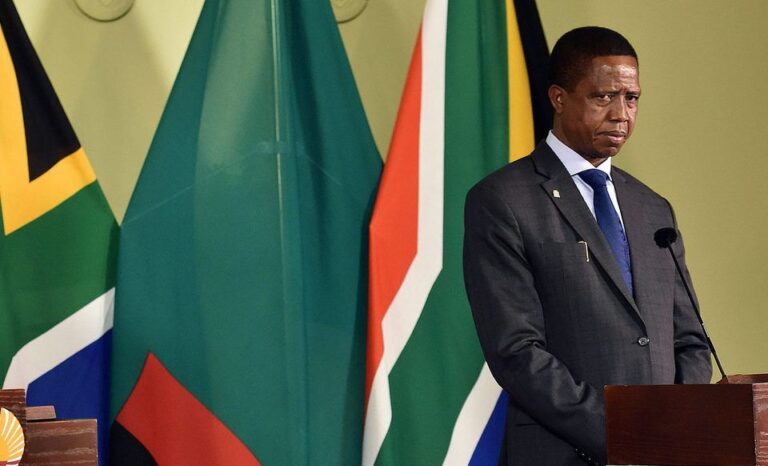
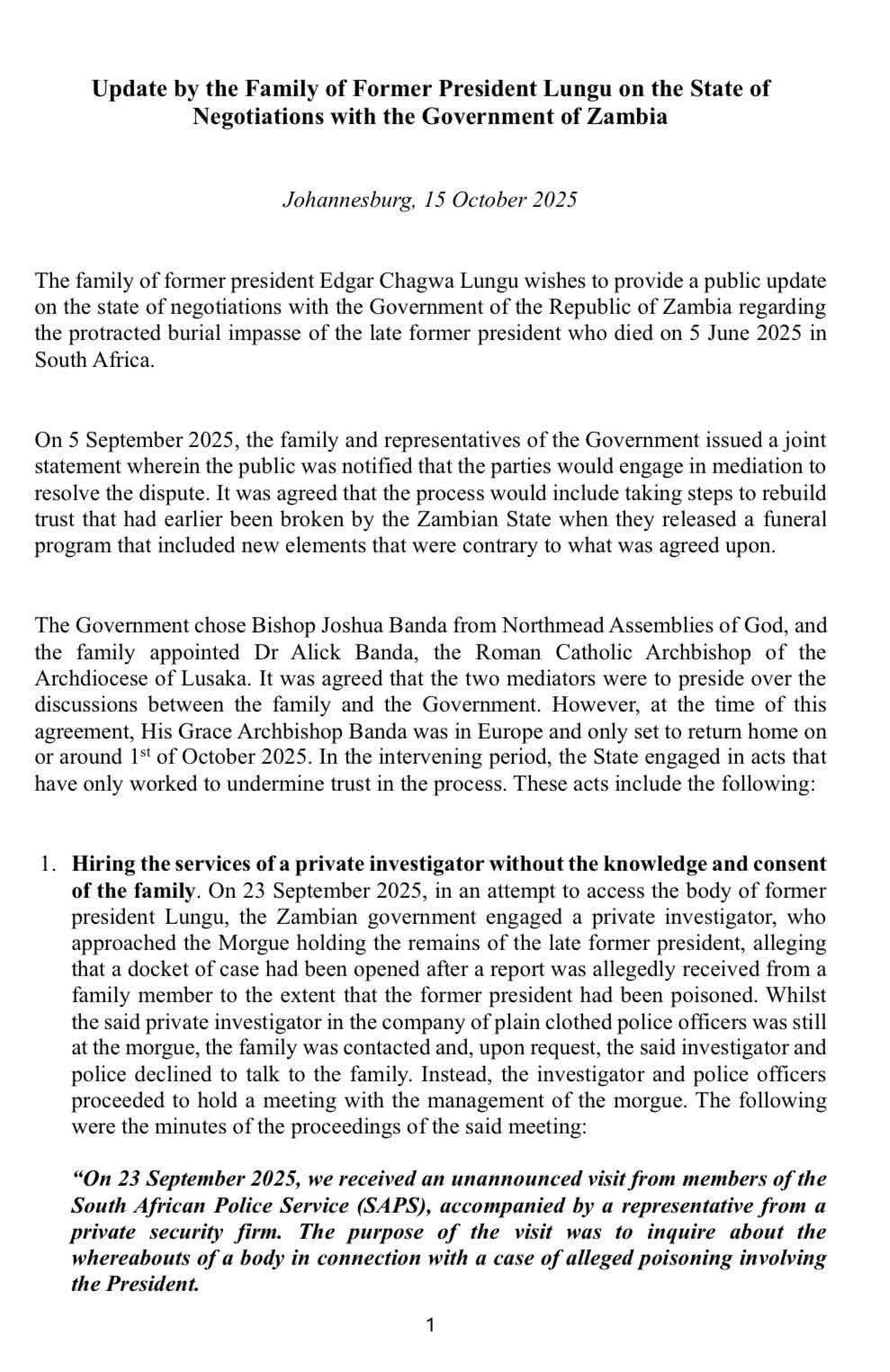
The family of the late President Edgar Chagwa Lungu has accused the government of undermining the fragile mediation process meant to end the long-running standoff over his burial, citing a series of actions that they say have deepened mistrust and delayed closure.

Family spokesperson Makebi Zulu said the family has consistently engaged the government in good faith, but that “trust-breaching” conduct by state actors has complicated the agreed mediation framework. The talks were announced on September 5, 2025, following the former Head of State’s death on June 5, 2025, in South Africa.

Under the agreement, the government appointed Bishop Joshua Banda of Northmead Assemblies of God as its mediator, while the family selected Archbishop Dr. Alick Banda, head of the Catholic Archdiocese of Lusaka. Formal dialogue was to begin after Archbishop Banda’s return from Europe around October 1, 2025.

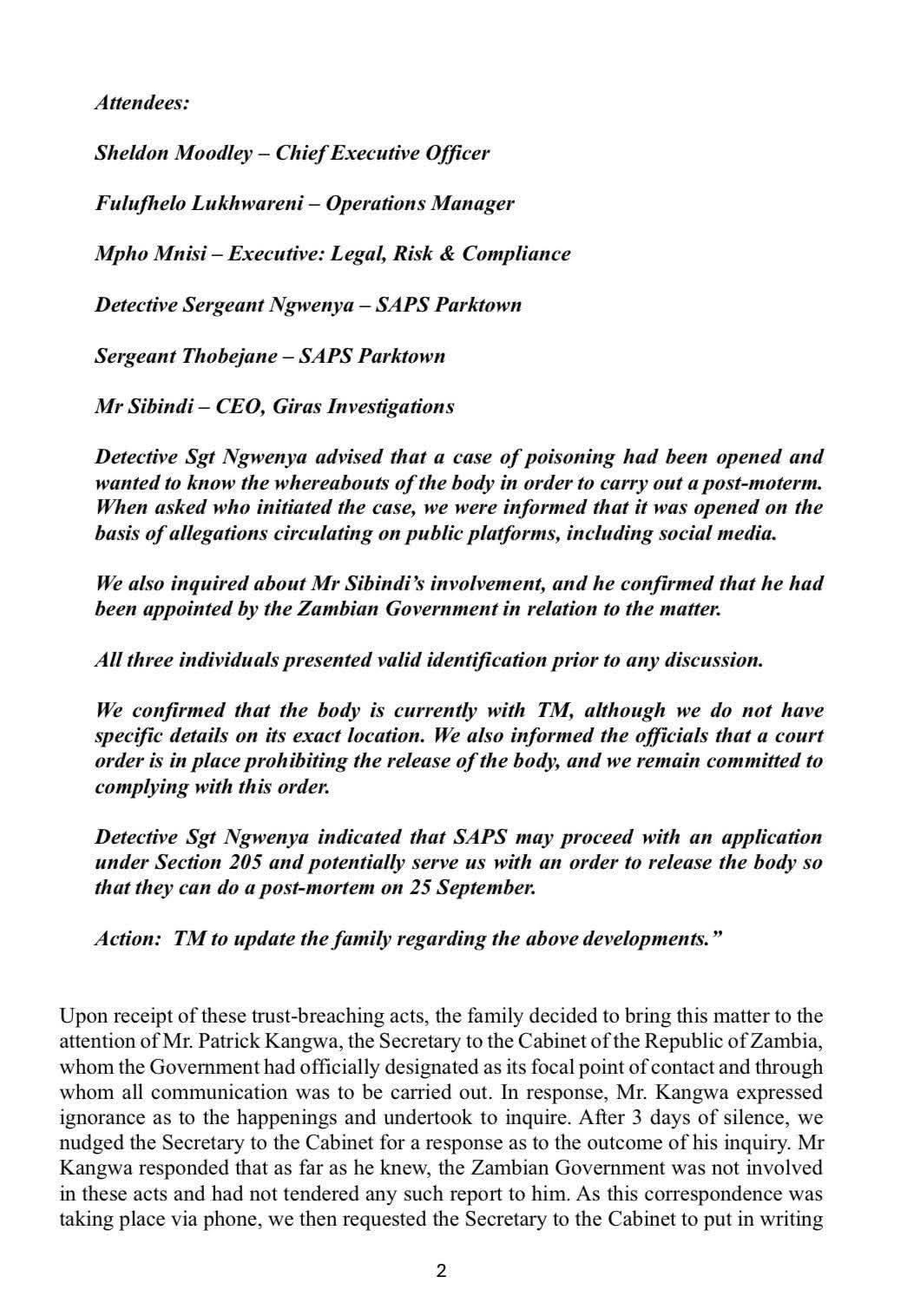
Zulu said that while awaiting his return, the government undertook steps that directly contradicted the spirit of cooperation. On September 23, 2025, a private investigator, allegedly engaged by the Zambian state, visited the South African morgue where President Lungu’s body lies, accompanied by plain-clothed officers from the South African Police Service (SAPS). They reportedly sought information on the remains, claiming a case had been opened suggesting the late President had been poisoned.

According to meeting minutes seen by the family, the visitors identified themselves as Detective Sergeant Ngwenya and Sergeant Thobejane from SAPS Park Town, alongside Mr. Sibindi, Chief Executive Officer of Giras Investigations. They met morgue executives Sheldon Moodley (Chief Executive Officer), Fulufhelo Lukhwareni (Operations Manager), and Mpho Mnisi (Executive – Legal, Risk & Compliance).

Detective Ngwenya reportedly advised that a poisoning case had been opened based on social-media allegations and requested access to the body for a post-mortem. Mr. Sibindi confirmed that he had been appointed by the Zambian government in connection with the matter. All three officers presented identification before the meeting.

Morgue officials informed them that the body remained under TM’s custody and that a court order prohibited its release. Detective Ngwenya indicated that SAPS might proceed under Section 205 to obtain an order permitting a post-mortem on September 25, but no such examination was carried out.

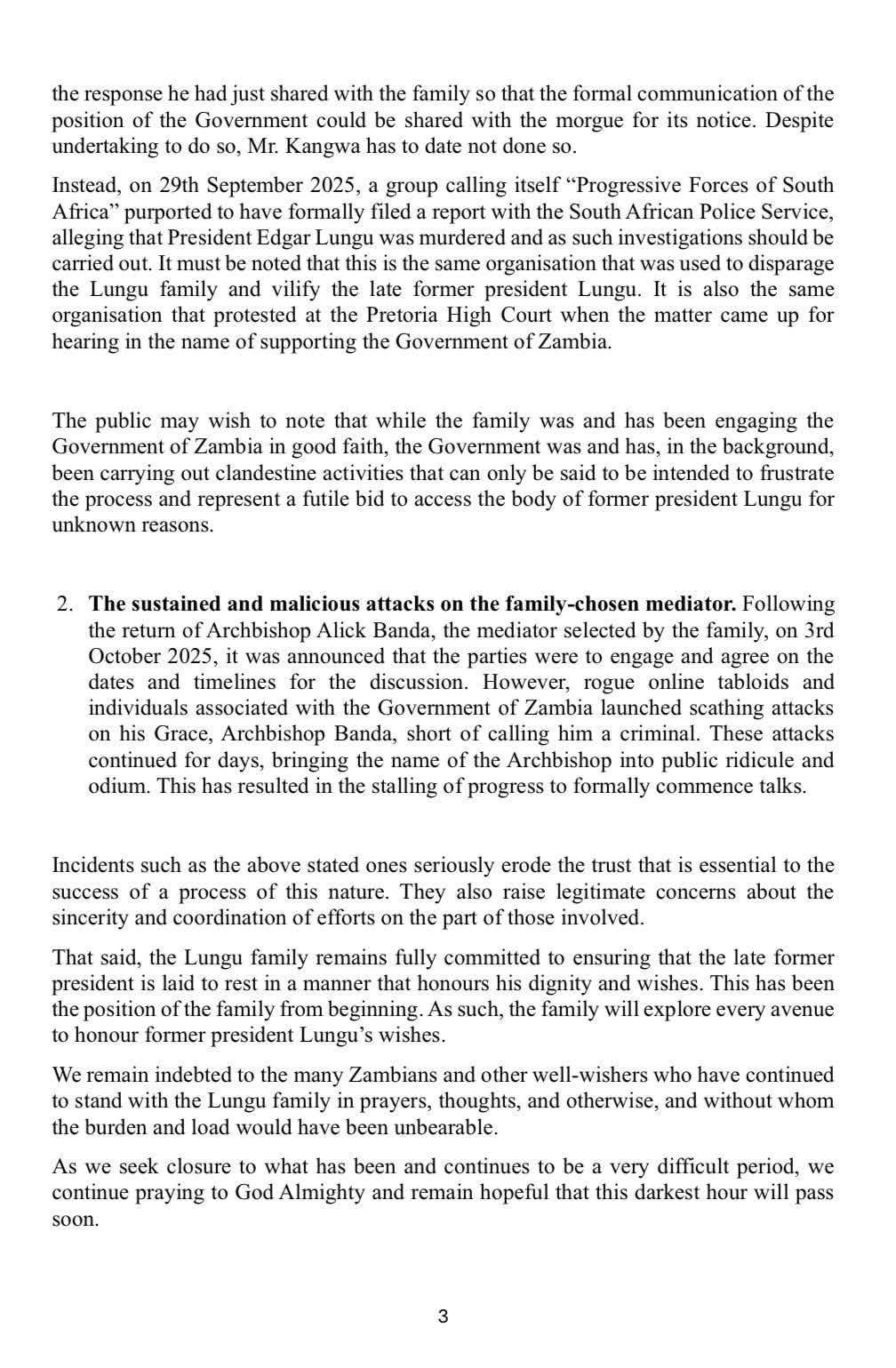
Zulu said the family immediately raised the issue with Secretary to the Cabinet Patrick Kangwa, who serves as the government’s official contact in the mediation. Kangwa allegedly denied knowledge of the visit and promised to investigate. After several days of silence, the family pressed for an update. Kangwa responded that, as far as he was aware, no such instruction had been issued by the Zambian government. The family then requested a written confirmation of that position. Despite assurances, Zulu said no letter was ever delivered.

Shortly afterward, on September 29, 2025, a group calling itself the Progressive Forces of South Africa filed a complaint with SAPS alleging that President Lungu had been murdered and calling for a formal investigation. Zulu said the same organization had previously disparaged the Lungu family and publicly supported the Zambian government during court hearings at the Pretoria High Court.

“These developments have completely undermined the trust that was beginning to form,” Zulu said. “While the family has been engaging in good faith, the government appears to have been conducting parallel activities intended to frustrate the process and possibly access the body for reasons that remain unknown.”

He added that the family’s confidence suffered further after Archbishop Alick Banda, the family’s chosen mediator, became the target of online attacks shortly after his return to Zambia. According to Zulu, certain individuals linked to the government launched coordinated campaigns portraying the Archbishop in a negative light, which stalled progress toward convening formal sessions.

“These personal attacks erode the mutual respect required for dialogue,” he said. “They also raise legitimate concerns about sincerity and coordination within the government team.”

Zulu reaffirmed that the family remains steadfast in ensuring that President Lungu is laid to rest in a manner that preserves his dignity and fulfills his expressed wishes. He said the family continues to rely on the goodwill of citizens, church leaders, and supporters who have stood with them through prayer and solidarity during what he described as “one of the most trying periods in the nation’s history.”

“The Lungu family remains fully committed to a peaceful resolution that honors the late President’s legacy,” he stated. “We pray that Zambia, as a people of faith, can find the compassion and patience needed to see this difficult process through.”

He concluded with an appeal for continued prayers, saying the family’s hope rests on truth and divine guidance. “May God bless Zambia, and may this darkest hour soon give way to light.”

(Source: Family Statement by Makebi Zulu, Spokesperson for the Family of the Late President Edgar Chagwa Lungu – October 2025)

Proper accountability of public assets, resources critical

0

Muchinga Province Deputy Permanent Secretary, Brian Sichande, says proper accountability of public resources and assets is critical to national development.

Mr Sichande notes that the inspection, verification and value determination of assets by the Ministry of Finance and National Planning, which is the backbone of the country`s economic development, is paramount to effectively manage public resources and assets.

“We want to see a country that accounts for everything in order to be at par with what requires replacement, use, or disposal,” he says.

The media reports that the Provincial Deputy Permanent Secretary made these remarks yesterday when Mr Vincent Banda, Assistant Director Stock Verification under the Controller Internal Audit in the Ministry of Finance and National Planning, paid a courtesy call on him at his office.

And, Mr Banda noted that the Ministry of Finance has started the process of supporting the smooth transition of assets from the former Central Statistics Office (CSO) to its successor, the Zambia Statistics Agency (ZAMSTAT).

Mr Banda said the main purpose of the visit to Muchinga is to physically verify assets as indicated in the asset registers.

He added that in the case of any surplus, the registers should be updated, whereas in a deficit case, investigations will be instituted.

“The asset register will be used to track and verify assets,” he stated.

Mr Banda further stated that physical verification of assets will help determine their condition, whether they are in good state or unserviceable.

He added that assets that still have value but could be in excess and not of use under ZAMSTAT will be transferred to other needy departments, while those that are obsolete and no longer needed will be recommended for disposal in line with the law.

The Central Statistics Office has devolved to ZAMSTAT through the Statistics Act of 2018, which legally reconstituted the former office into the new agency.

REA Commissions Muchenje Grid Project in Chibombo

Rural Electrification Authority (REA) has commissioned the Muchenje Grid Extension Project in Chibombo District of Central Province at a cost of over K8 Million.

The media reports that REA Senior Provincial Engineer for Central Region, Helen Polomondo, explained that the project will supply electricity to Muchenje Primary School, Rural Health Centre, St. Edmund’s Secondary School, the market, and surrounding communities, benefiting 105 households.

Muchenje Ward Councillor, Christopher Sibanda, expressed gratitude to the government for bringing electricity to his ward.

Mr Sibanda noted that the commissioning of the Muchenje Grid Project demonstrates the government’s commitment to expanding electricity access and promoting socio-economic development in rural areas.

“With this project, REA continues to bridge the energy gap, enhancing the quality of life for rural communities,” he said

Mr Sibanda added that since independence, Muchenje has never had electricity saying it is a great achievement for the community.

“Lighting up electricity in our Ward will bring economic development, people will be productive with different businesses such as welding, salons, and shops which will create employment opportunities.

“The community is already feeling the impact of this development,” Mr Sibanda said.

Muchenje Secondary School Head Teacher, Robinson Mwelwa, said the commissioning of electricity at the school will help teachers prepare adequately for lessons, adding that computer studies will also greatly improve.

“They are learning tools like visual aids where we are supposed to use gadgets to teach learners, it was difficult to teach them but now electricity has made our lives easier,” he said.

At St. Edmund’s Secondary School, a Pupil, Zangy Sachipango, expressed happiness at the development, stating that it will help learners to study at night and also assist teachers with preparing lessons.

Sachipango added that the development is expected to improve academic performance and overall educational outcomes.

Kanchibiya MP urges eligible voters to register

0

Kanchibiya Member of Parliament, Sunday Chanda, has urged eligible voters in his constituency to register in large numbers during the ongoing voter registration exercise.

In a press statement made available to the Zambia News and Information Services (ZANIS), the lawmaker said the ongoing voter registration exercise by the Electoral Commission of Zambia (ECZ) was not just another national programme but a call to action for every eligible Zambian to take ownership of the country’s democratic future.

He said the destiny of Kanchibiya was in the hands of the people, urging them to register and let their voices shape the future.

“The development we desire, the leadership we choose, and the policies that shape our lives all depend on our willingness to participate in the democratic process,” he said.

He called on every eligible voter, including youths, women, men and first-time voters, to come out in large numbers to register.

Mr Chanda said citizens should not wait for tomorrow as the time to act was now, adding that democracy worked best when citizens engaged meaningfully.

He further indicated that Kanchibiya should become a shining example of civic participation.

“Your voter’s card is more than a piece of paper, it is your voice, your right, and your power to determine the future of Kanchibiya and Zambia at large,” Mr Chanda said.

He said registering to vote was not only a duty but an act of love for the community and the nation.

The law maker implored community leaders, churches, youth groups and civil society organisations to mobilise and encourage registration in every ward and village.

“Together, we can ensure that Kanchibiya’s voice is heard loud and clear in 2026 and beyond,” Mr Chanda said.

The Kanchibiya Member of Parliament further urged that with voters’ cards, citizens could collectively build the Kanchibiya they all aspire for.

Mongu gears up for silver jubilee celebration of King Lubosi Imwiko II

0

Mongu District is set to have a hive of cultural activities as the coronation silver jubilee celebration of King Lubosi Imwiko II begins on October 17, marking 25 years of the king’s reign.

The ceremony is expected to be a grand affair, showcasing the traditions and customs of the Lozi people.

Kuomboka Ceremony National Chairman of the Organising Committee, Nathaniel Mubukwanu, says preparations for the celebration are complete, adding that the event will be an unforgettable experience.

The media reports that Mr Mubukwanu indicated that a number of activities have been lined up to promote the silozi heritage and traditions, urging everyone to participate and make the celebration a memorable one.

He revealed that one of the highlights of the celebration is the call for all to adorn the lozi traditional attire.

“We are calling on the men and women, encouraging them to wear Siziba and Musisi, respectively, to showcase their cultural pride,” he pointed.

 Mr Mubukwanu has further called on government departments, schools, and the private sector to allow employees and students to dress in traditional attire on the designated days.

He said the Archdiocese of Mongu has already set a precedent by allowing Catholic-led schools to dress according to the event’s requirements on the celebration day.

Mr Mubukwanu stated that the organising committee has applauded the move, saying it is testament to the kingdom’s commitment to preserving its cultural heritage.

He added that there are various activities planned to commemorate the king’s 25 years of service.

“The ceremony will be a befitting tribute to King Lubosi Imwiko II dedication to his people and his kingdom,” he said.

Mr Mubukwanu also noted that the silver jubilee celebration is not just a celebration of the king’s reign, but also an opportunity to showcase the rich cultural heritage of the Barotse people to the world.

Zambia remains beacon for peace, unity-Kangwa

1

Government says it remains committed to upholding Zambia’s enduring reputation as a beacon of peace, unity and coexistence among all races and nationalities.

Speaking during the Lusaka International School’s 61st Pre-Independence celebration today, Secretary to the Cabinet, Patrick Kangwa, said true freedom goes beyond the absence of colonial rule  to the presence of opportunities, education and harmony among citizens.

Mr Kangwa noted that for more than six decades now, Zambians have chosen dialogue over division, cooperation over conflict and friendship over fear.

He said these values have preserved the nation’s stability and peace.

“The spirit of peace and unity is not just Zambia’s legacy, but our greatest gift to the world,” he said.

He added that celebrating cultural heritage reflects the country’s rich diversity and shared humanity.

“When you dance, wear cultural dress, share food from your home country or sing in your language, you are not just performing but you are preserving a piece of history and sharing it with others,” he said.

Mr Kangwa has since commended the Zambian people for their resilience in the face of economic hardships and global challenges such as climate change, emphasising that through unity and cooperation, the nation continues to rebuild and progress.

He has meanwhile urged citizens never to take peace for granted but to uphold mutual respect and solidarity that have made Zambia a haven of peace in the region.

Meanwhile, Lusaka International School Board Chairperson, Aakash Gumbeers, said the celebration’s theme; “61 Years of Peace and Unity: Building a Resilient and Prosperous Zambia”, reflects the nation’s remarkable journey of hope, progress and community spirit.

“Our school’s values align with Zambia’s enduring spirit of resilience and progress. In many ways, our institution mirrors the same intrinsic values that our country celebrates today,” he said.

And Head of School, Thomas Gass, who was represented by Philip Milner, encouraged pupils to embrace diversity and self-belief as foundations for success.

“Children are the future. Invest in yourselves by embracing diversity and culture. These are essential for your growth and success,” he said.

Mr Gass has meanwhile urged the government to continue upholding the values laid down by the nation’s founding fathers as Zambia prepares to commemorate its 61st Independence Anniversary on October 24, 2025.

Kasune commends Zambia Law Development commissioners

0

Minister of Justice, Princess  Kasune, has  officially unveiled the newly appointed and returning commissioners of the Zambia Law Development Commission (ZLDC) for another three-year term, while commending the commission’s achievements in over 20 law reform projects during its previous mandate.

Speaking during the unveiling of the Zambia Law Development Commissioners and handover of the commission’s end-of-term report for the period 1st July 2022 to 30th June 2025, Ms Kasune commended the outgoing commissioners for their role in delivering what she termed ‘remarkable body of work’, aimed at modernising Zambia’s legal system.

Among the highlighted reforms were the review of the Cyber Security and Cyber Crimes Act, the Public Order Act, which led to the 2024 Public Gatherings Bill, the drafting of regulations under the Anti-Human Trafficking Act, and substantial progress on laws addressing arbitration, gender-based violence, and alternative dispute resolution

“These are not merely documents, they are building blocks for a fairer, more modern, and more accessible body of Zambian law,” she said.

She said law reform is a collaborative endeavour and called on other government agencies, Parliament, civil society, development partners, and citizens to participate in shaping the nation’s legal landscape.

Ms Kasune also noted that the commission’s public outreach efforts, including seminars, media engagement, and educational initiatives such as the inaugural Zambia Parliamentary Model United Nations for secondary schools, have  brought marginalised voices, particularly women, youth, and civil society, into the national conversation on legal reform.

“You inherit a commission with a proud record and an ambitious agenda, continuing the emphasis on inclusive, evidence-based law reform that is responsive to the needs of our people and aligned with Vision 2030 and the Eighth National Development Plan,” she said.

And Zambia Law Development Commission Chairperson, Ruth Chibbabbuka, outlined the commission’s key achievements during the term, emphasising its commitment to reviewing, developing, and reforming laws aimed at promoting social justice, equity, good governance, and democracy in Zambia. Impressive

Ms Chibbabbuka said among notable legislative milestones the commission completed are the review of the Security and Excise Crimes Act and the Public Order Act, which led to the drafting of the Public Gatherings Bill 2024.

She noted the progress on regulations under the Anti-Human Trafficking Act and initiatives tackling arbitration and gender-based violence, in collaboration with key ministries.

She said public awareness campaigns on constitutionalism, justice reform, and socio-economic rights reached wide audiences via digital and traditional media, including students through a parliamentary model United Nations programme.

She however acknowledged persistent challenges such as limited funding, staff shortages in research, unreliable utilities, outdated equipment, and an aging vehicle fleet, which hindered timely execution of activities.

Meanwhile, Ministry of Justice Permanent Secretary for Legal, Mwenya Bwalya, reaffirmed the commission’s commitment to legal review, reform, and development.

Ms Bwalya emphasised the commission’s evidence-based and inclusive approach aligned with the Eighth National Development Plan.

The commissioners include Justice Ruth Chibbabbuka (Chairperson), Munukayumbwa Munyima (Vice Chairperson).

Members of the commission include  Emmanuel  Sibonga, Eva Jhala , O’brien  Kaaba, Herrick  Mpuku , Bibian Kalinde, Chipo Nkhata , Bubala Chibbonta, Mwaka  Chizinga, Dominic  Kangongo , Kawama Simumba, and Yvonne  Wilombe-Nakachinda

ZCSA seizes 69 boxes of used underwear in Rufunsa

1

The Zambia Compulsory Standards Agency (ZCSA) has seized 69 boxes of used underwear in Rufunsa district during an enforcement operation targeting non-compliant textile products.

The confiscated consignment was part of a recent donation made to a faith-based organisation in Rufunsa but was found to be in violation of the Zambian Standard (ZS 559) on the Inspection and Acceptance Criteria for Used Textile Products.

ZCSA Manager for Communications and Public Relations, Brian Hatyoka, confirmed the development, saying the seizure was conducted on October 9, 2025, and the items are awaiting disposal in line with the Compulsory Standards Act No. 3 of 2017.

“We are strongly advising importers and recipients of donated used textiles to refrain from bringing in used underwear, including items such as pyjamas, bras, tights, camisoles, nightgowns, and vests,” Mr Hatyoka said.

He said the Zambian Standards prohibits the importation and sale of used undergarments to safeguard public health.

He added that used textile products pose serious health risks to consumers, warning that the second-hand underclothing can transmit ailments such as skin rashes, fungal infections, and sexually transmitted infections.

Mr Hatyoka has since urged the public to report any banned used underwear found on the market to the nearest ZCSA office.

He said in the continued effort to protect consumers, the agency will conduct a public sensitisation roadshow at Maramba market in Livingstone on Friday, October 17, 2025, from 10:00 hours to 13:00 hours.

The event will focus on the dangers of used undergarments and unregulated potable spirits, among other products covered under compulsory standards.

“We appeal to the people of Livingstone to attend in large numbers so that they can learn how to safeguard their health,” he said.

ZCSA, mandated under the Compulsory Standards Act No. 3 of 2017, continues to enforce standards aimed at ensuring public safety, consumer protection, and environmental health.

President Hichilema pleased with Zambia China partnership

1

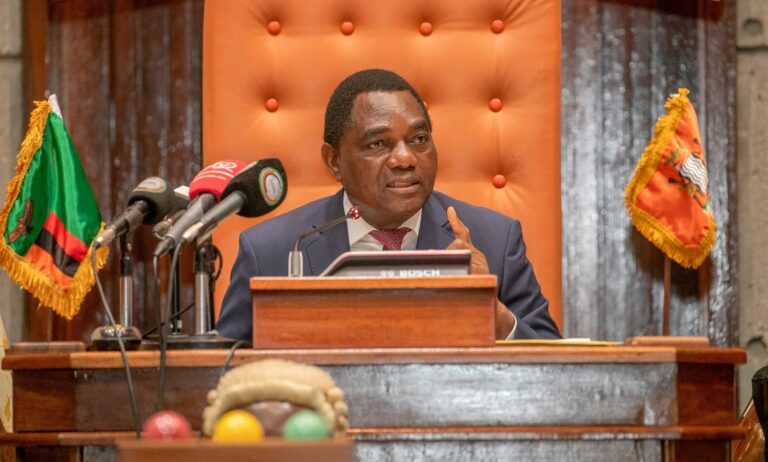
President Hakainde Hichilema has called for increased mutual trade between Zambia and China in order to boost the economies of both parties.

President Hichilema is pleased that the upgrade of the partnership between the two countries to a comprehensive, strategic and collaborative level has resulted in increased Chinese investment in Zambia.

He expressed gratitude about the Chinese investments through the Wonderful Group and United Capital Fertiliser, adding that they are in line with the government’s agenda of driving economic growth through investment.

He noted that through this investment, Zambia is now exporting fertiliser to 8 countries in the region.

President Hichilema however stressed the need for Zambia to export products to China.

The Head of State said this when a delegation from Wonderful Group and United Capital Fertilizer paid a courtesy call on him at the State House in Lusaka today.

“Zambia is open for business. We have a resource endowment we are bringing on the table. We want partners to bring capital and the best technology. We want to see partnerships and investments and export back to China,” the President stressed.

And speaking during the same meeting, Chairman of China National Chemical Corporation, Mo Dingge, who also led the delegation, announced a US$1.4 million investment in the second phase of a Urea fertilizer project, which is scheduled for commissioning, tomorrow.

Mr Dingge stated that the project will be the biggest in Southern Africa, adding that there is also investment in solar energy which is expected to feed into the national grid.

Meanwhile, Minister of Energy, Makozo Chikote, disclosed that Wonderful Group also plans to invest in a coal power plant.

“These investments will contribute to the achievement of the 1,000 megawatt solar power target set by the government, for the year 2025,” Mr Chikote said.

And Minister of Commerce, Chipoka Mulenga, noted that the group will not only support Zambia in agriculture value addition but also in mining.

Mr Mulenga expressed happiness that the country will reduce importation costs on some products such as explosives as they will be sourced locally.

“This will help us achieve our 3 million tonnes of copper per annum target and ultimately our vision of value addition and job creation,” Mr Mulenga stated.

Isoka DC calls for inclusion of persons with disabilities in CDF programmes

0

Isoka District Commissioner Jairo Simbeye has urged the inclusion and prioritisation of persons with disabilities in Constituency Development Fund (CDF) empowerment programmes.

Speaking in an interview with the media in his office, Mr Simbeye says over 200 persons with disabilities have been registered and issued with identification cards under the Zambia Agency for Persons with Disabilities (ZAPD) in Isoka District.

He explained that the registration exercise aims to ensure that persons with disabilities are properly documented so that they can easily be reached and included in various government empowerment programmes.

The District Commissioner noted that ZAPD’s efforts have helped the district know the exact number of persons with disabilities and their specific needs.

He further mentioned that CDF is designed to benefit all citizens without discrimination, noting that persons with disabilities should take an active role in applying for empowerment support through their ward committees.

“No one should be left behind in the government’s development agenda. My office remains open to everyone, including persons with disabilities,” Simbeye says.

He urged persons with disabilities to engage the district chairperson for information on how to apply for CDF empowerment and other available opportunities.

“Let them come forward and seek guidance. Our doors are open to help them benefit from government initiatives,” he added.

Mr Simbeye also called on the community to embrace inclusivit saying persons with disabilities are part of the district’s development process and must be given equal opportunities.

“Development can only be meaningful if everyone is involved,” he said.