
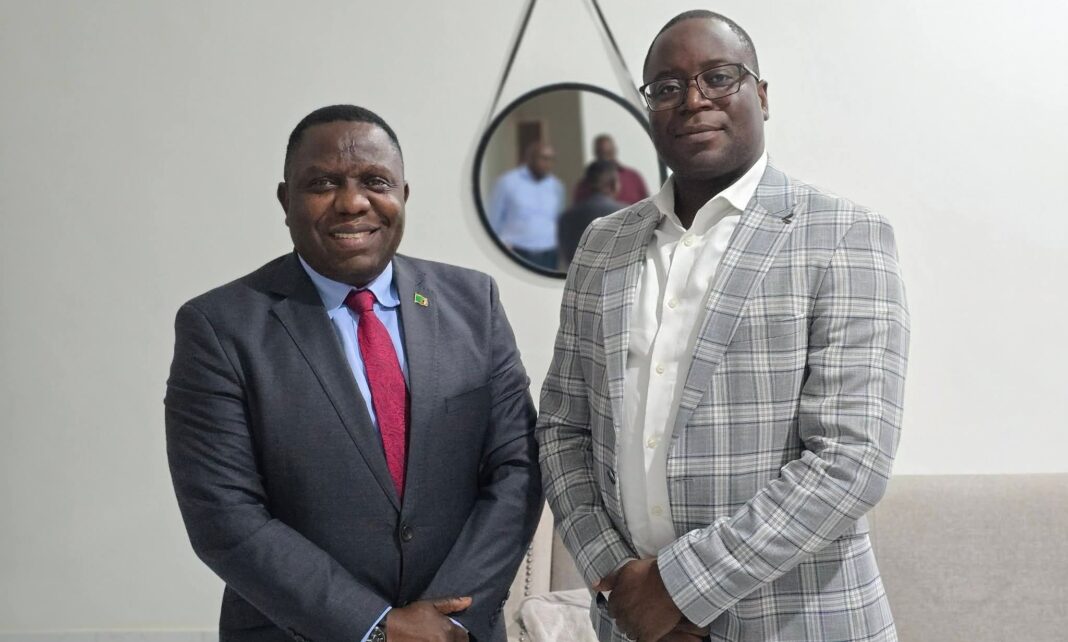
Opposition political actors are expanding alliance discussions ahead of the 2026 general election, but internal divisions and competing interests continue to shape how those efforts are unfolding. The political landscape in Zambia has become increasingly dynamic, as various factions within the opposition seek to forge alliances that could potentially challenge the ruling party. Understanding the motivations behind these alliances, as well as the historical context that has led to current divisions, is crucial for analyzing the effectiveness of these discussions. Notably, figures like Harry Kalaba are key in this evolving narrative.
Recent statements from key figures across different formations point to a growing willingness to engage in cooperation, even as questions remain over leadership, structure, and direction within the emerging blocs. This willingness is notable given the historical reluctance of many political leaders to collaborate, often prioritizing personal ambitions over collective goals. The challenge lies in establishing a framework that allows for meaningful collaboration while respecting the distinct identities of each party involved.
Makebi Zulu has indicated that his position aligns with that of Citizens First leader Harry Kalaba on the question of leadership, stating that the presidency should go to whoever secures the most support. He described ongoing engagements between the two sides as part of efforts to find common ground with Kalaba. This alignment is significant as it illustrates a potential shift in the dynamics of leadership selection, moving away from traditional power structures that have often hindered collaborative efforts in the past, especially with prominent figures like Kalaba involved.
At the same time, Citizens First vice president Kapesa Simbao has defended the integrity of alliance partners, emphasising that the group is built on trust and shared principles. His remarks come in response to criticism directed at the composition of emerging alliances. Simbao’s defense underscores a crucial aspect of political cooperation: the need for transparency and accountability among partners. Trust is not simply given; it must be cultivated through consistent actions and shared values over time.
Kalaba himself has signalled openness to working with other political players, stating that cooperation remains a priority. His position reflects a broader shift in which opposition figures are increasingly exploring collaboration as a strategy for strengthening their position ahead of the election. This shift highlights the increasing recognition among opposition leaders that unity may be the key to countering the advantages held by the ruling party, particularly in terms of resource allocation and voter outreach.
However, these developments are unfolding alongside visible internal tensions. Within the Patriotic Front, divisions linked to leadership disputes continue to influence how different factions approach alliance discussions. That dynamic complicates efforts to present a unified front. Addressing these tensions is vital for any coalition to succeed, as unresolved disputes can lead to fragmentation and weaken the overall effectiveness of opposition strategies.
Commentary in some quarters has gone further, arguing that the proliferation of alliances has introduced confusion rather than clarity. Critics point to the formation and reconfiguration of multiple groupings without clear structures, suggesting that this may weaken rather than strengthen opposition coordination. As political actors navigate these complexities, they must work diligently to create clear narratives and objectives that resonate with their constituents, ensuring that voters understand the purpose and benefits of these alliances.
The interaction between cooperation and competition remains central. While there is recognition of the need to consolidate support, individual actors and factions continue to navigate their own political interests. This duality can lead to both innovative strategies and potential conflicts, as stakeholders must balance collective goals with their aspirations. Effective communication and negotiation will be essential in ensuring that personal ambitions do not derail the broader objectives of the coalition.
Alliance politics often involves negotiation over leadership roles, candidate selection, and policy direction. These elements require agreement across different groups, each with its own priorities and constituencies. The process can be laborious and contentious, as parties must find a way to respect individual identities while also promoting a shared vision. The outcome of these negotiations will significantly impact the landscape of opposition politics as the election approaches.
The current phase reflects an early stage in that process. Statements signalling openness to cooperation are being made publicly, while underlying negotiations continue away from formal platforms. It is crucial for the leaders involved to maintain momentum in these discussions, as delays or indecision can result in lost opportunities for coalition building that could enhance their collective electoral prospects.
The approach to alliances will have a direct impact on how opposition parties position themselves in relation to the ruling party. A coordinated structure could enhance competitiveness, while fragmentation may dilute influence. If opposition groups can successfully present a unified message, they may be able to sway undecided voters who are seeking alternatives to the current administration.
Timing is also a factor. As the election approaches, pressure will increase to translate discussions into concrete arrangements. That may involve formal agreements, joint platforms, or coordinated campaign strategies. Each of these steps is critical, as they will determine the extent to which opposition parties can mobilize resources and support in the lead-up to the election.
For now, the landscape remains fluid. Multiple actors are engaged, positions are evolving, and the balance between unity and division continues to define the trajectory of opposition politics. As political actors work to solidify alliances, they must also remain adaptable to the shifting dynamics of the political environment, ensuring that they can respond effectively to emerging challenges and opportunities. Ultimately, the actions and decisions made by figures like Kalaba will play a pivotal role in shaping the future of opposition politics in Zambia.





All opposition is welcome
It thought the simbao led faction has been ousted
Logically, this is the ONLY path or opportunity for Malukula to be on the ballot. Since, PF is still with Chabinga, the no party faction has no option than to use CF.
And Kalaba, as he has admitted, can’t go it alone. In addition, he has limited funding, while Malukula has access to the Utusaka twandalama left by ba ECL.
Malukula cannot join TONSE because Mundubile is holding onto FDD, and Malukula is convinced he cannot be a VP like Mundubile; there is a clash there.
My prediction, the following key formation going their way: 1) Pamodzi-CF ticket, 2) Tonse-FDD , 3)WOZA-ZWW (??), then you have 4) Mmembe `s faction (but this one is already falling apart). KBF-ZMP – possibly these are going alone, just as Sean Tembo-EPP