

The proposed changes would allow Parliament, rather than voters, to elect the head of state. The bill also seeks to extend presidential and parliamentary terms from five to seven years and could result in the postponement of the 2028 general elections to 2030.
Opposition figures have strongly criticised the proposals. Veteran politician Tendai Biti described the move as “a coup, a slow coup,” raising concerns about the potential impact on democratic processes.
ZANU-PF officials have defended the proposals, stating that the changes are intended to reduce the cost and tensions associated with frequent elections. Party official Patrick Chinamasa said the proposed system would be “less costly” and “less controversial.”
Public hearings held in Harare have drawn large crowds, with some participants expressing support for the proposed amendments, including calls for President Emmerson Mnangagwa to remain in office beyond 2028. Others have supported the idea of Members of Parliament electing the president.
However, the hearings have also been marked by disruptions. Reports indicate incidents of pushing and confrontations, with journalists allegedly asked to delete recorded footage. Opposition lawyer Fadzayi Mahere accused ruling party supporters of contributing to the disturbances, while ZANU-PF representatives denied any involvement in violence.
Opposition leaders have further alleged increased restrictions on political activities, including claims of banned meetings, arrests and assaults on activists. Lovemore Madhuku said he was assaulted during an incident in the presence of police officers, while Tendai Biti is currently out on bail over allegations of holding an unsanctioned gathering.
The bill is expected to be considered in the coming weeks as consultations continue. According to BBC, the developments reflect deep political divisions as Zimbabwe moves toward a potential constitutional change that could alter how leadership is determined.


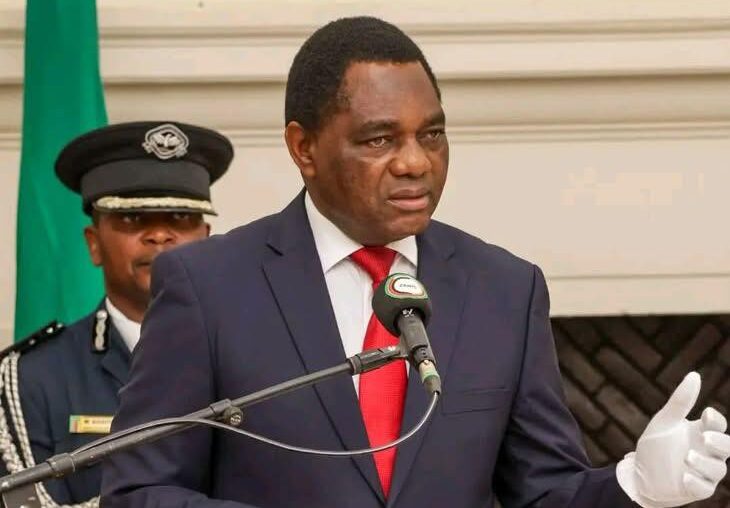


“would allow Parliament, rather than voters, to elect the head of state.”
Just copying South Africa or being practical? It could also be impractical.
Or like in the US confusing
South Africa’s voting system is entirely different from what this government is trying to enforce. South Africa uses a Proportional Representation (PR) system for its national and provincial elections, meaning that the number of seats a party gets in the legislature is roughly equal to its share of the total vote and has democratic safeguards. Zimbabwe uses a First-Past-The-Post so votes go to waste either way this bill is not for the people but an individual and small group of people
@Adrian-Explain your point better. Are you comparing South Africa’s current system to Zimbabwe’s current system?
I guess at issue now is how does it compare to Zimbabwe’s proposed system?
Best described as African Politics/ Democrocy
Nothing to debate