The Water Resources Management Authority (WARMA) says Zambia currently has 87 groundwater monitoring stations, with efforts underway to expand coverage.
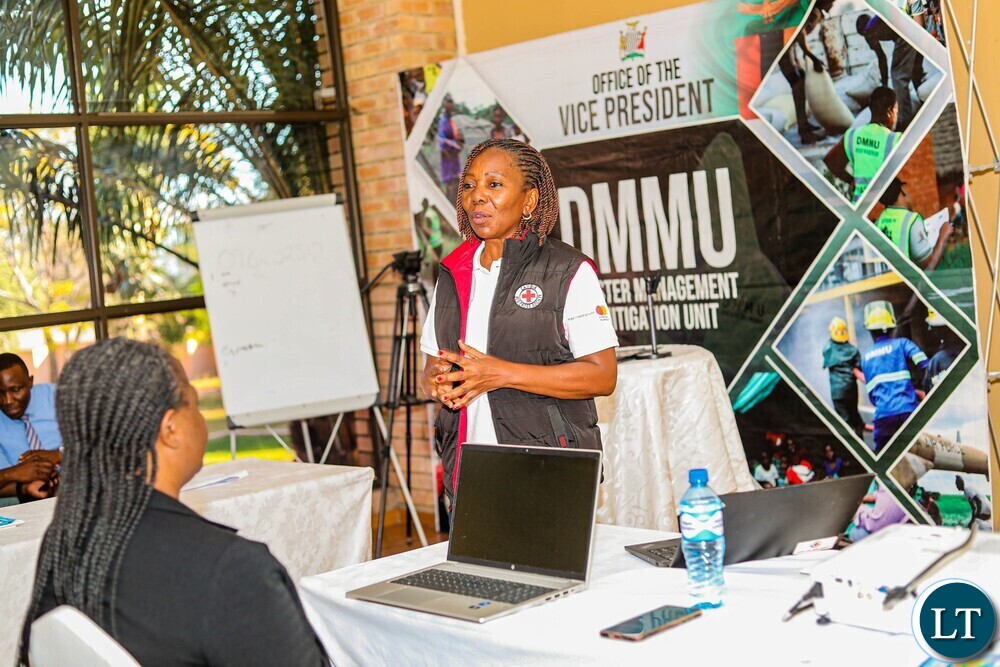
Speaking in Kafue District today during a presentation on water resource monitoring, WARMA Kafue Catchment Manager, Chizya Mvula, says the stations installed across various parts of the country are aimed at ensuring consistent data information and collection
Ms Mvula explained that both manual and automated monitoring stations are in use and enable the authority to track water levels and respond promptly to potential risks, associated with early warning systems.
She stated that the country operates both surface and groundwater monitoring networks to track water levels and river flows.
Ms Mvula, however, stated that the authority acknowledges that groundwater monitoring remains less developed compared to surface water systems.
She noted that prior to enactment of the WARMA Act of 2011, limited attention was given to groundwater management, resulting in fewer monitoring stations.
Meanwhile, Ms Mvula has indicated that authority has developed more localised systems, including Flood Early Morning System (FEWS) developed by Deltares, and the Zambia Flood Forecasting Early Warning System supported by International Water Management Institute.
Ms Mvula explained that the systems help detect and visualise flood risks, including mapping flood-prone areas and predicting the severity of potential flooding.
She further disclosed that WARMA is required to issue timely hydrological flood alerts in line with its legal mandate to minimise damage, protect lives and safeguard communities.
Ms Mvula also stated that the organisation works closely with stakeholders under a technical working group, which includes the Disaster Management and Mitigation Unit (DMMU), the Zambia Red Cross Society, including the Zambia Meteorological Department that coordinates risk mapping and ensures effective communication of flood warnings and timely response.
“WARMA reiterates its commitment to strengthening early warning systems and improving water monitoring capacity to better respond to water-related hazards across the country,” she said.