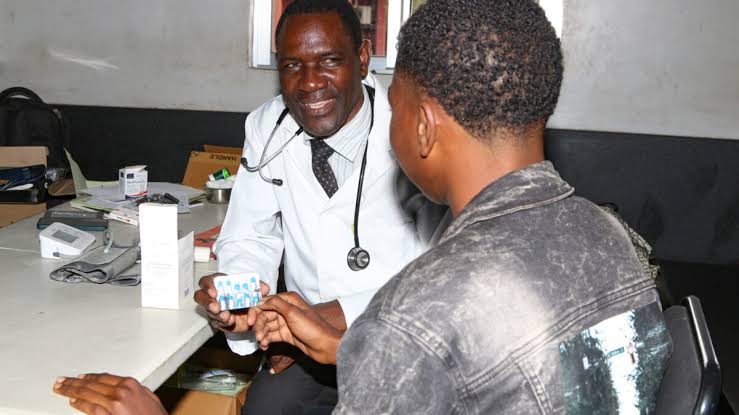
The Government has reaffirmed its commitment to providing better healthcare services for sickle cell patients in Muchinga Province, ensuring that no one is left behind.
Speaking during the 2026 World Sickle Cell Day commemoration in Chinsali, General Hospital Medical Superintendent Aaron Nyirenda, who represented Acting Chinsali District Commissioner (DC) Brenda Silwembe, highlighted that people living with sickle cell disease deserve equal opportunities to live healthy, productive, and fulfilling lives, regardless of their social and economic circumstances.
Ms Silwembe noted that this year’s theme, “Closing the Survival Gap: Equity in Sickle Cell Disease,” is both timely and vital.
She stated that it also serves as a powerful reminder that every person living with sickle cell disease deserves the same opportunities as anyone else.
She stressed that individuals affected by the disease have a right to a healthy and productive life, irrespective of their social or economic background.
Ms Silwembe added that the government recognises their courage, resilience, and determination in confronting challenges that many never fully understand.
The Acting DC noted that World Sickle Cell Day is observed globally to raise awareness about the disorder.
She emphasised that community responsibility extends far beyond medical treatment, calling for collective efforts to create an inclusive environment where those living with the condition are understood, supported, and empowered.
“We must ensure that they are not discriminated against because of a condition they were born with,” Ms Silwembe stated.
She further urged residents across Chinsali and the entire province to know their sickle cell status.
Speaking earlier in his welcoming remarks, Chinsali General Hospital Senior Medical Officer Cephas Sinkamba stated that sickle cell disease remains one of the most common inherited conditions managed at the health facility.
Dr Sinkamba echoed that the 2026 commemoration theme speaks directly to what healthcare personnel witness in daily clinical practice.
He noted that survival outcomes are not determined solely by the genetic condition itself, but heavily depend on access to timely diagnosis, consistent follow-up care, availability of essential medication and robust health system support.
Dr Sinkamba encouraged residents to adopt a habit of pursuing early diagnosis through newborn or early childhood screening, adding that it significantly improves clinical outcomes.
“Equally important is caregiver education,” Dr Sinkamba added.
He said families who understand the condition are better equipped to recognize early warning signs, prevent complications, and seek timely care.
Meanwhile, Mercy Bwalya, a 21-year-old mother of two living with the condition, thanked the government for ensuring that sickle cell medications are readily available across public health facilities.
Ms Bwalya said that the steady supply of drugs, coupled with consistent treatment and institutional support, greatly promotes patient well-being.
She highlighted that the installation of specialized medical equipment at Chinsali General Hospital has significantly reduced the high healthcare expenses families previously incurred when traveling to Lusaka to access treatment.
Ms Bwalya dispelled the common misconception that a sickle cell diagnosis is a Death Sentence in waiting, sharing her own journey as living proof that individuals with the condition can lead long, fulfilling lives and give birth to healthy children.
“According to my parents, I was diagnosed with this condition when I was six months old. Today, I am 21 years old, healthy, and I even have two children,” she shared.
The Sickle Cell survivor said she is incredibly grateful to the government and its cooperating partners for the support that people living with sickle cell receive at public hospitals.
World Sickle Cell Day is commemorated globally every year on June 19th in order to create effective awareness about the disease.