
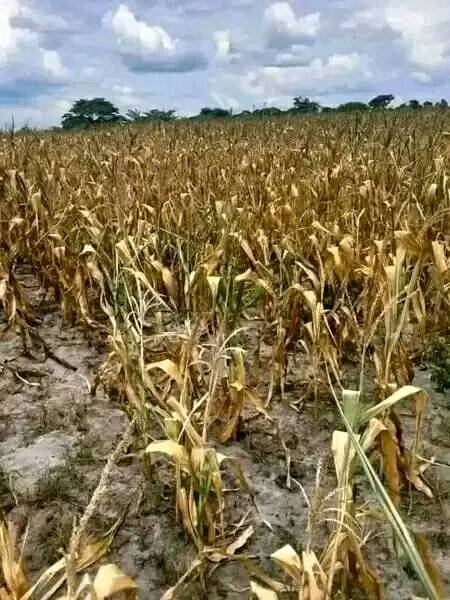
The theme for this year’s World Environment Day, “Accelerating Land Restoration for Drought Resilience in Zambia,” is both timely and critical. This theme underscores the importance of addressing our environmental challenges, particularly in the face of prolonged and severe droughts. The recent declaration of a national disaster by our Republican President highlights the severity of these challenges, emphasizing the urgent need for effective land restoration efforts. This declaration amplifies the urgency with which we must approach land restoration efforts to enhance our resilience to droughts, which are becoming increasingly frequent and severe due to climate change.
As a forester, my primary concern regarding the acceleration of land restoration for drought resilience in Zambia lies in the inadequate capacity within our forestry sector. Foresters, who are essential to managing and restoring forested areas, are not being employed in sufficient numbers to meet the demands of our forest concession areas. This lack of professional oversight has led to a situation where concession holders conduct forest operations without the necessary guidance from trained professionals, exacerbating environmental degradation.
Effective land restoration requires the collaboration of trained forestry personnel with other stakeholders to restore degraded forests and environments. The absence of these professionals in forest concession areas means that illegal activities such as unauthorized logging, sand mining, and artisanal mining continue unchecked, further degrading our forests and land. These activities not only reduce the capacity of our forests to act as carbon sinks and protect biodiversity but also increase the risk of wildfires, which are particularly devastating during periods of drought.
Wildfires pose a significant threat to our forests, especially during droughts when vegetation is dry and highly flammable. Without qualified personnel to implement fire management strategies, the likelihood of wildfires increases, leading to the destruction of valuable forest resources and further land degradation. It is imperative that we have trained foresters on-site to manage and prevent wildfires, thereby protecting our forests and enhancing our resilience to drought.
Another major challenge to forest restoration and drought resilience is agricultural expansion. In areas such as Shibuyunji, the practice of cutting down small trees to support gardening activities, such as tomato cultivation, is widespread. While this may seem like a small-scale activity, the cumulative impact of thousands of individuals engaging in this practice can have a significant toll on the environment and the land that supports agriculture. The removal of trees for gardening depletes the soil of nutrients, increases erosion, and reduces the land’s ability to retain water, all of which contribute to drought vulnerability.
To accelerate land restoration for drought resilience, it is crucial to address these challenges holistically. Firstly, we need to ensure that qualified and trained foresters are employed in sufficient numbers and deployed to concession areas. These professionals play a vital role in monitoring and managing forest activities, preventing illegal practices, and implementing sustainable forest management practices. By doing so, we can safeguard our forests from further degradation and enhance their ability to mitigate the impacts of drought.
Secondly, there must be a concerted effort to educate and engage local communities in sustainable land use practices. This includes promoting agroforestry and other sustainable agricultural practices that integrate tree planting and conservation with farming. By involving communities in these efforts, we can reduce the pressure on forests and encourage practices that enhance soil health, water retention, and overall landscape resilience to drought.
Furthermore, strengthening the enforcement of environmental regulations and increasing penalties for illegal activities in forest areas is essential. This will deter individuals and companies from engaging in practices that harm our forests and contribute to land degradation. Additionally, providing alternative livelihoods and economic incentives for communities that rely on unsustainable practices can help shift their activities towards more sustainable options.
In conclusion, accelerating land restoration for drought resilience in Zambia requires a multifaceted approach. It necessitates the employment and deployment of trained foresters, the engagement of local communities in sustainable practices, the enforcement of environmental regulations, and the provision of alternative livelihoods. By addressing these areas, we can restore our forests, protect our environment, and build resilience to drought, ensuring a sustainable future for Zambia. The complexity and urgency of these issues demand immediate and comprehensive action, calling for collaboration among all sectors of society to achieve our environmental and developmental goals.
Chaliafya Katungula
Advocate General
Forestry Advocacy for Communities, Communication, Transparency, Accountability and Research –




Zambia’s rivers, fertile lands and abundant agricultural resources offer an opportunity to transform the country into an agro-industrial hub. Supporting local farmers, investing in agribusiness and promoting value-added products can boost agricultural productivity and create jobs.