Thursday, June 4, 2026
16 C
Lusaka
Home Blog Page 10

Police apprehend suspects over counterfeit notes in Kasama

The Zambia Police Service in Northern Province has apprehended four suspects in connection with being in possession, and circulation of counterfeit Zambian Kwacha notes.

This follows a tip off by a Community Crime Prevention Unit (CCPU) member who reported the matter to the police following an incident which occurred on May 25, 2026 around 19:30 hours.

This was after the suspect allegedly deposited counterfeit notes to various booths in Kasama district.

Northern Division Police Commanding Officer Simunji Mulonda says brief facts are that the suspect allegedly deposited K1,200 suspected counterfeit notes at one of the booths before being apprehended by the alert community members.

He says two more booth attendants later reported that the same suspect had deposited suspected counterfeit notes amounting to K2, 000 and K1, 400 respectively at their booths.

“Police officers rushed to the scene and found the suspect in possession of K5,500 suspected counterfeit notes,” he said.

Subsequent investigations led to the apprehension of three other suspects and the recovery of K27,000 suspected counterfeit in K500 notes, bringing the total recovery to K33,500 suspected counterfeit notes.

Mr Simunji says the four suspects are currently detained in Police custody for the subject offence while investigations continue.

Mr Simunji has cautioned farmers, booth attendants, marketeers and business operators to remain vigilant during the current harvest season as some fraudulent briefcase businessmen and women may attempt to purchase maize and other agricultural produce using counterfeit money.

“The public may wish to note that during last year’s harvest season, Police in Kasama apprehended a suspect found in possession of counterfeit notes amounting to K750,000 which were allegedly intended for the purchase of maize from unsuspecting farmers,” Mr Mulonda said.

“Farmers are therefore encouraged to transact through banks or sell their produce through established institutions such as the Food Reserve Agency (FRA) in order to minimise the risk of receiving counterfeit currency,” he added.

Names of the suspects and the specific place of occurrence have been withheld due to ongoing investigations.

ECZ to intensify voter education in schools

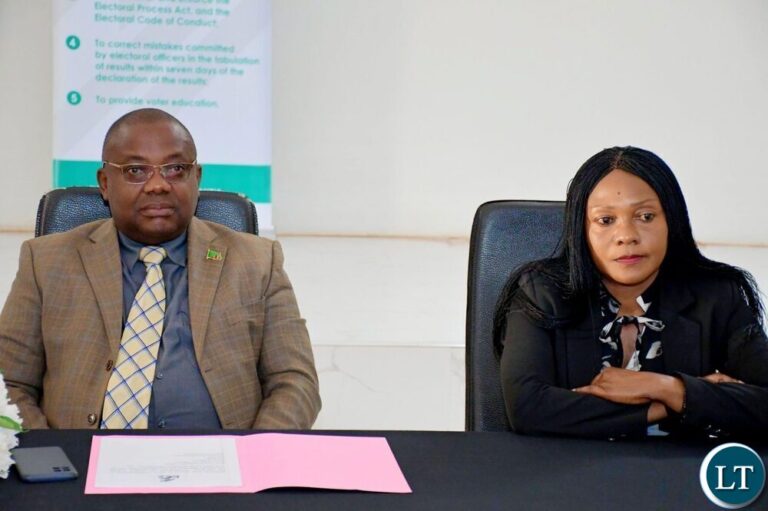
Solwezi District Voter Education Coordinator (DVEC) Esther Chirwa says the Electoral Commission of Zambia (ECZ) will in addition to other voter education strategies intensify usage of Voter Education School Clubs (VESC) to disseminate information.

Ms Chirwa says  VESCs can play a critical role in voter education.

In an interview with ZANIS in Solwezi today, Ms Chirwa disclosed that ECZ has trained 21 Voter Education School Club Matrons, District Voter Education Committee Members and Officers from Zambia News and Information Services (ZANIS).

And Solwezi Boys Secondary School VESC Matron, Faith Mushimuko said the clubs will help raise responsible and patriotic citizens.

And DVEC Vice – Chairperson Mulima Jack implored DVEC members to utilize the acquired skills to conduct effective voter education.

Chakatazya reacts to FAZ GS appointment

3

Newly appointed Football Association of Zambia (FAZ) General Secretary Charles Chakatazya is promising to build on the successes scored by his predecessors as he becomes the head of the Football House secretariat.

FAZ on Monday appointed Chakatazya as the new General Secretary with immediate effect following the departure of Machacha Shepande.

Chakatazya has risen from being team manager of the defunct Mining Rangers in Kitwe in 2008 to the pinnacle of the FAZ secretariate.

He previously served as Chief Executive Officer for Nkana Football Club, Kabwe Warriors and NAPSA Stars.

In a brief interview with journalist Chansa Kunda, Chakatazya said he has joined FAZ with the aim of winning.

“Obviously when you enter the football pitch all the time it is to win,” he said.

Chakatazya says he is not in competition with his predecessors at FAZ.

“We are not here to compete but to appreciate what others have done and work hard to add on what they have done for the association,” he said.

According to FAZ, Chakatazya holds a Master of Business Administration, a Bachelor of Accounting and Finance from Mulungushi University and a Diploma in Accounting from Evelyn Hone College.

He also holds a FIFA Diploma in Club Management obtained in Zurich, a Certificate in Senior Leadership Development from the University of Cape Town and is currently pursuing the CAF Executive Football Management Programme.

FAZ has also confirmed Iva Lengwe as Deputy General Secretary.

UNESCO Pledges Continued Support for HIV and Sexuality Education in Africa

The United Nations Educational, Scientific and Cultural Organization (UNESCO) has pledged continued support to African countries in strengthening education systems and expanding access to comprehensive sexuality and HIV education for young people.

Speaking virtually during the annual All Three Programme Review Meeting in Livingstone, UNESCO Deputy Director-General Asa Regnér said the programme has helped reduce new HIV infections in several African countries.

Ms. Regnér revealed that in 2025 alone, the programme reached more than 27 million learners across 35 countries through skills-based HIV and sexuality education.

She said over 238,000 schools provided the education, while more than 120,000 pre-service teachers were trained, surpassing the programme’s original target.

Meanwhile, Ministry of Education Permanent Secretary for Educational Services Kelvin Mambwe thanked UNESCO and cooperating partners for their continued support in promoting education, health and the well-being of adolescents across Africa.

Dr. Mambwe said many African countries continue to face a triple burden of HIV, early and unintended pregnancies, and gender-based violence affecting adolescents and young people.

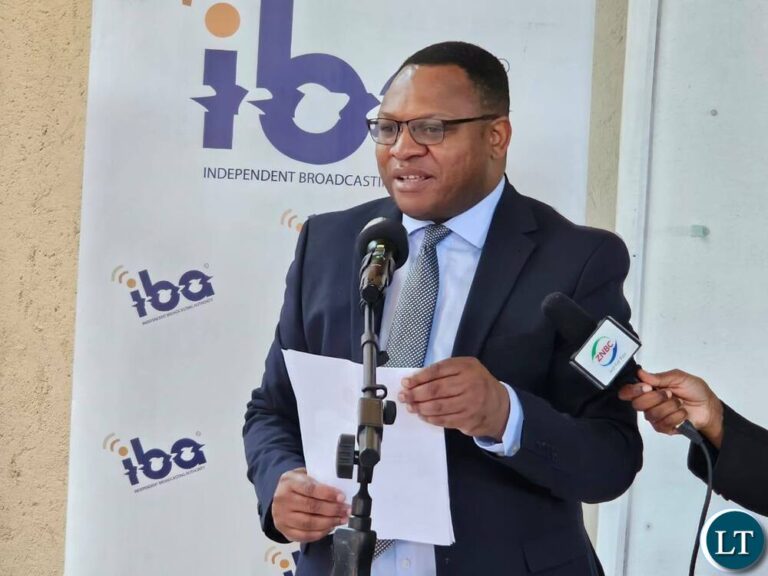
IBA Warns Broadcasters Against Predicting Election Results

The Independent Broadcasting Authority (IBA) has warned radio and television stations against predicting election results or airing unverified information during the August 13, 2026 General Election.

The warning comes as political campaigns continue to gather momentum across the country ahead of the polls.

IBA has issued election coverage guidelines to broadcasters, outlining standards expected during the electoral period.

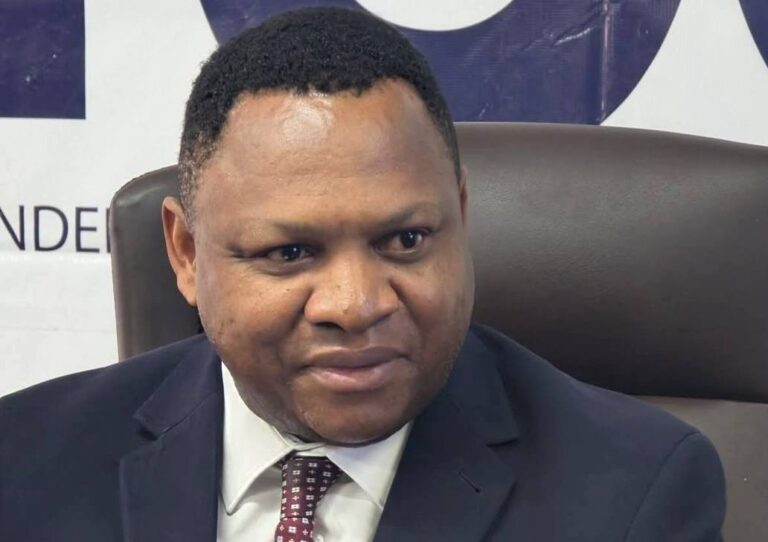
According to IBA Director General Webster Malido, media houses must only announce election results that have been officially confirmed by relevant authorities.

The Authority has also prohibited broadcasters from conducting campaign interviews for political parties or independent candidates on polling day and from airing content that could mislead the public.

Malido said the guidelines further ban the broadcasting of hate speech, tribal remarks, incitement to violence and misinformation that may threaten peace during the electoral process.

“Coverage of polling day, including the prohibition of campaign interviews for political parties or independent candidates and the prediction of election results on polling day,” said Malido.

IBA has urged all broadcasting stations to familiarise themselves with the guidelines and ensure full compliance ahead of the August 13 General Election.

Ten Aspiring Politicians Reported to Police Over Forged Grade 12 Certificates

The Examination Council of Zambia (ECZ) has reported ten aspiring politicians to the police after discovering that they submitted forged Grade 12 certificates during the qualification verification process ahead of the August 13, 2026 General Election.

The revelation came after the conclusion of the certificate verification exercise on May 22, which saw ECZ issue a total of 10,731 confirmation letters. Of these, 10,020 were processed through the 2026 election online verification system, while 711 were handled through physical submissions.

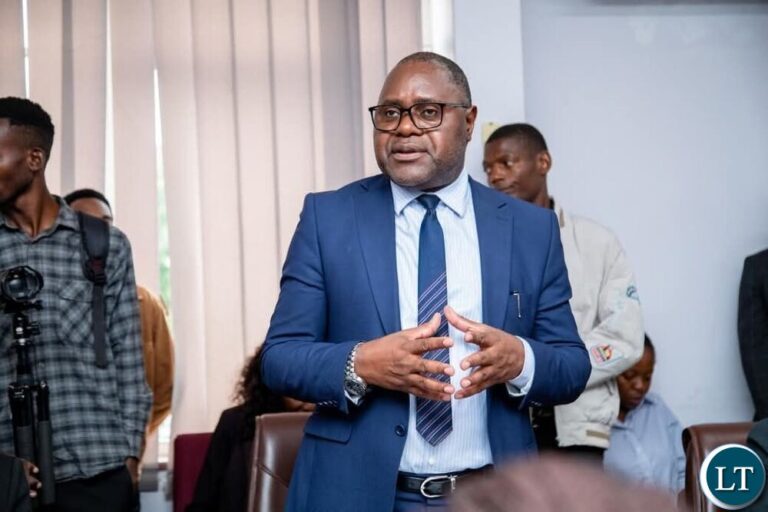
ECZ Executive Director Michael Chilala expressed disappointment over the discovery of the forged documents, describing the development as worrying, particularly among individuals seeking public office.

“To our disappointment, a total of 10 documents were found not to be genuine or were forged,” Chilala said.

He noted that it was surprising that aspiring leaders would continue presenting fake academic credentials despite the Council maintaining examination records dating back to the 1960s.

“It is disappointing that those who aspire to be our leaders continue to present forged documents, even when it is public knowledge that the Council has all qualification records going back to the 1960s,” he said.

The ECZ has since handed the cases over to law enforcement agencies for further investigation and possible prosecution.

Meanwhile, police in Eastern Province have already launched investigations into a mayoral candidate suspected of submitting forged academic documents, according to information made available to Breeze FM.

The Council also raised concern over the increasing number of political aspirants seeking replacement certificates, indicating that many had reportedly lost their original documents since the 2021 General Election.

According to Chilala, ECZ processed and replaced 334 Grade 12 certificates for aspiring candidates during the verification exercise.

“The Council received requests for replacement and replaced a total of 334 certificates from aspiring candidates during the exercise of confirming qualifications,” he said.

He urged political leaders and the general public to safeguard their certificates, emphasizing that they are important security documents.

“We therefore urge our leaders to take care of their certificates as they are security documents,” Chilala stated.

Chilala assured the nation that the Examination Council of Zambia conducted the verification process with professionalism, integrity, and diligence, ensuring that only genuine academic qualifications were confirmed for electoral purposes.

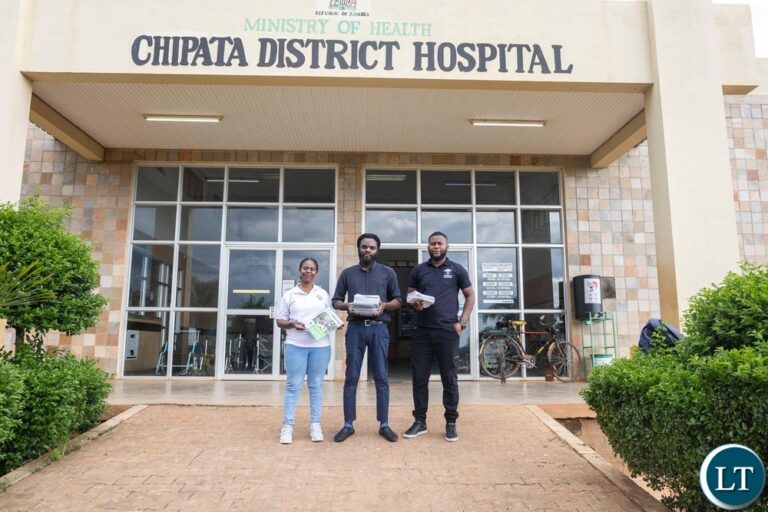
Over 6, 000 people on ART at Chipata Central Hospital

Over 6,000 people are currently receiving Anti-Retroviral Therapy (ART) at Chipata Central Hospital of Eastern Province.

Chipata Central Hospital Medical Superintendent, Mbinga Mbinga, says currently the hospital offers ART to at least 6,250 people.

Dr Mbinga adds that at least 100 of the number are children.

He has further noted that the virus burden has not spared the adolescents and youths among other generations.

Dr Mbinga was speaking at the launch of Aids Healthcare Foundation (AHF) Sites where preventive measures are going to be heightened.

Kapata Urban Clinic and Chipata Central Hospital have been prioritised to benefit from the implementation of the preventive measures in the district.

Aids Healthcare Foundation Country Programme Manager, Webster Chewe, disclosed that the foundation has committed approximately K200 Million towards such programmes in Zambia.

Dr Chewe explained that the money will be used towards programme operations, human resource support, systems strengthening, equipment, infrastructure support, and service delivery across the country.

He added that the investments are an indicator of continuity of care and stronger health systems.

“The investment is about justice, equity and ensuring that systems work for the most vulnerable,” he said.

And Eastern Provincial Health Director, Matthews Ng’ambi, called on AHF to consider helping more clinics and hospitals across the region in order to improve provision of quality services to the public.

ECZ conducts five-day VEF training in Lavushimanda

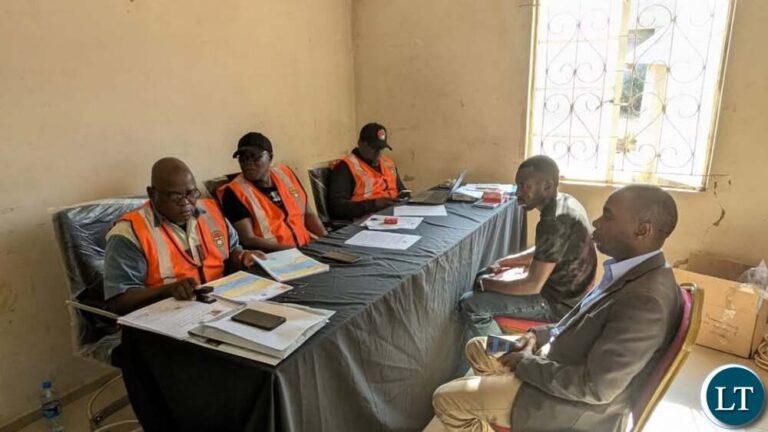
The Electoral Commission of Zambia (ECZ) is conducting a five-day training for the Voter Education Facilitators (VEFs) in Lavushimanda District of Muchinga Province as part of preparations for the August 13, 2026 General Elections.

Speaking when he officially opened the training, District Electoral Officer, Jonas Mwendakawa, urged the VEFs to abide by the electoral code of conduct as they will be educating the public on the electoral process.


Mr Mwendakawa emphasised the need for voter education facilitators to adhere to the principals and core values of the ECZ by being professional, non partisan and impartial during their engagement with the public.

He stated that voter education is about educating the citizens on the various issues regarding elections.

The District Electoral Officer stated that facilitators play an important role in ensuring that the public is well educated so that they make informed decisions when voting for the leaders of their choice.

“If you are partisan then declare interest now. You are not election agents to be campaigning when you are conducting voter education,” he cautioned.

Mr Mwendakawa has since declared the commission’s readiness to deliver free and fair elections in accordance with the electoral roles.

He further challenged all officers engaged in the electoral activities to uphold the core values of ECZ.

Mr Mwendakawa asked the voter education training participants to pay attention to what they are learning especially the mixed member proportional representation electoral system that has just been put into law.

One of the participants, Rapture Malama, assured that the knowledge being acquired at the training will fully be utilised during voter education activities by abiding to the electoral code of conduct and ECZ core values.

“Once we go in the field, I can assure ECZ that the knowledge learnt here will be well utilised and the commission will be well represented,” he said.

Another participant, Bwalya Kabinga, thanked ECZ for organising the training, which is equipping them with the skills and knowledge so that they can also educate citizens ahead of the polls.

“Thanks to ECZ for this training and equipping us with the knowledge and skills,” he said.

The training which started yesterday, aims at equipping facilitators with knowledge and practical skills needed to educate communities on the electoral process, voting procedures, voter rights and responsibilities.

14 Voter Education Facilitators are attending the training being held at the council chamber.

IBA issues strict election broadcast guidelines ahead of August vote

The Independent Broadcasting Authority has put Zambia’s broadcasters on formal notice ahead of the August 2026 general elections, issuing a comprehensive set of election coverage guidelines that impose new obligations on media houses while drawing hard lines around content the authority says could damage the integrity of the vote.

IBA Director General and Board Secretary Webster Malido

IBA Director General and Board Secretary Webster Malido made the announcement in Lusaka on Tuesday. The guidelines, he said, were developed to give broadcasters practical direction on covering elections and election-related matters while reinforcing professionalism, fairness and ethical conduct throughout the electoral period.

The framework covers seven key areas: fair and balanced election reporting; equitable allocation of airtime; conduct of political interviews and debates; broadcasting of opinion polls; coverage of polling day; announcement of election results; and complaints handling procedures.

Under the new framework, broadcasters are required to provide equitable and impartial coverage to all political parties and candidates. Stations are also expected to divide available advertising airtime fairly during campaigns, while political interviews and debates must be conducted in a professional and impartial manner.

The guidelines further require broadcasters airing opinion polls to disclose sponsors, sources, sample sizes and other methodological information attached to any survey made public. The authority says the measure is intended to improve transparency around election-related polling during the campaign period.

Polling day restrictions carry immediate operational implications for broadcasters. No station will be allowed to air campaign interviews for political parties or independent candidates on election day, while prediction of election results before official confirmation has been prohibited. Throughout the electoral period, election results may only be announced on the basis of verified and officially confirmed information.

Beyond the seven core provisions, the guidelines prohibit the broadcasting of hate speech, tribalism, incitement to violence, misinformation and unverified election-related content which the authority says could undermine peace, national unity and the integrity of the electoral process.

The framework has already triggered legal and political concern among sections of the public.

So far, some citizens, political actors and governance stakeholders have described portions of the guidelines as illegal and unconstitutional, particularly provisions viewed as potentially restricting media freedoms, election commentary and independent election verification processes. Some stakeholders say parts of the framework may conflict with constitutional protections surrounding freedom of expression, access to information and independent media operations during elections.

Attention is especially focusing on clauses limiting unofficial election projections and tightly controlling election-day broadcasting. Governance stakeholders say those provisions could create room for regulatory overreach if interpreted aggressively during the results period.

Discussion is also intensifying around whether the restrictions could affect Parallel Vote Tabulation exercises, commonly known as PVTs, which civil society organisations and election observers have historically used as independent verification tools during elections.

The guidelines themselves make no direct reference to PVTs. Questions are already emerging over how broadly the IBA could interpret the prohibition on unofficial result projections before official confirmation. Governance stakeholders say the practical application of that provision may become one of the most politically sensitive regulatory questions of the election period.

The complaints handling mechanism also places the regulator at the centre of election-period disputes. Broadcasters are expected to respond to complaints within two days, while the IBA says investigations and directives will be concluded within four days. Complaints emerging around polling day could therefore produce regulatory action while vote counting is still underway.

The guidelines apply to all broadcasting stations in Zambia and are grounded in the Electoral Process Act No. 35 of 2016, specifically provisions governing media conduct during elections. The IBA Board approved the framework during its 45th Board Meeting held on May 20, 2026, and all broadcasters have been directed to familiarise themselves with the rules and comply fully. Active monitoring will continue throughout the electoral period.

The broader principle behind the framework,credible, balanced and responsible election coverage, remains largely accepted across political and media sectors. The larger question now shifts toward enforcement, interpretation and whether the rules will be applied consistently across broadcasters with differing political alignments.

Those questions are unlikely to disappear quietly as the country moves closer to August 13.

Editor’s Note: “Election broadcasting rules become most controversial when regulation intersects with political competition, media freedom and public trust in the electoral process.”

IBA denies blocking Xavier Chungu Interview

IBA Director General Webster Malido said reports claiming Millennium TV had been ordered not to air an interview featuring Chungu were false. He stated that the authority had not instructed any television or radio station to cancel, suspend or block any programme associated with the Liberal Party leader in Zambia.

The clarification follows growing public speculation after ZedPodcast announced that a scheduled episode featuring Chungu would no longer be aired “due to circumstances beyond our control.” The announcement immediately triggered wider discussion online, with some social media users questioning whether media houses in Zambia had come under pressure over the planned interviews.

Chungu, who served as Director General of the Zambia State Intelligence Service under former president Frederick Chiluba, has recently emerged as one of the presidential contenders ahead of the 2026 general elections in Zambia. His re-emergence in active politics has generated renewed public interest due to his intelligence background and previous testimony during the 2003 presidential election petition involving Anderson Mazoka and Levy Mwanawasa.

The controversy surrounding the cancelled interviews intensified after former diplomat Emmanuel Mwamba alleged that both Millennium TV and ZedPodcast had been ordered to cancel Chungu’s appearances and were allegedly threatened with possible charges of espionage, sedition and treason should the recorded interviews be aired or distributed.

Below is the notice issued by ZedPodcast:

“That Podcast Can’t Podcast Former Spy Chief.”

“Due to circumstances beyond our control, the podcast episode with the former Director General of the Zambia Security Intelligence Service, Mr Xavier Chungu, will not be broadcast at all as earlier advertised. We sincerely apologise for any inconvenience this may cause and thank you all for making us Zambia’s premier podcast. We will post a replacement episode later this week. Thanks for your support always.”

Govt. launches 2026 Zambia Mobile Congress

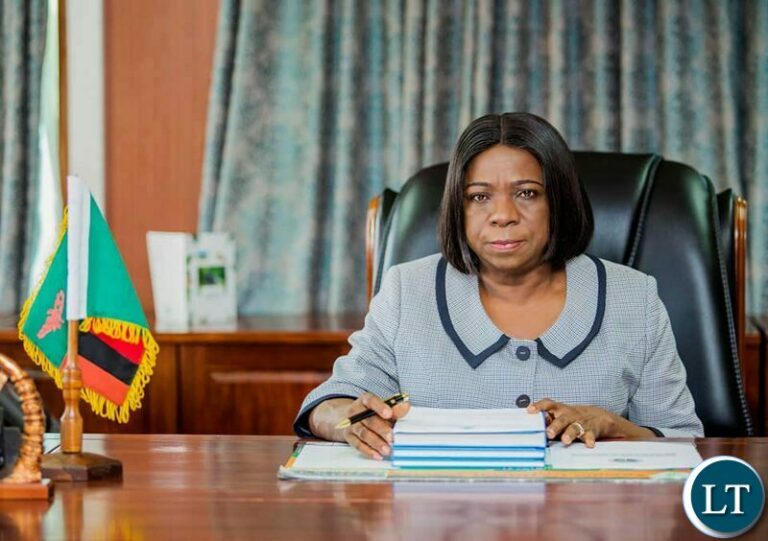
Vice President, Mutale Nalumango has launched the 2026 Zambia Mobile Congress, unveiling an ambitious partnership between government and Huawei Technologies to accelerate artificial intelligence adoption and digital transformation in the country.

Speaking during the official opening of the congress, Mrs Nalumango said Zambia was positioning itself to become a leader in Africa’s digital economy through investments in AI, cloud computing and advanced connectivity infrastructure.

She described artificial intelligence, 5G technology and cloud computing as key drivers of economic growth and public sector transformation, saying Zambia must move quickly to remain competitive in the global digital economy.

The congress is being held under the theme “Advancing All Intelligence in Zambia.”

 Mrs Nalumango also praised Zambia’s long standing partnership with China, saying the relationship had continued to contribute to the country’s development agenda through strategic cooperation.

“The farmer in Lundazi must benefit from this intelligence. The nurse in Mansa must benefit. The student in Mongu, the entrepreneur in Kitwe and the young innovator in Chipata must all have a seat at the table of this digital future,” she said.

She called for expanded broadband access, lower internet tariffs and increased digital literacy to ensure that no Zambian is excluded from the digital economy because of geography or poverty.

Mrs Nalumango also challenged technology firms, academic institutions and development partners to invest in Zambia’s young population, saying local talent would determine the future success of the country’s digital economy.

She further urged private companies to invest more heavily in digital infrastructure and affordable services, while calling on government institutions to accelerate the transition from analogue systems to digital governance.

“The era of analogue government in a digital world must end,” she said.

 And Smart Zambia Institute Acting Coordinator, Percy Chinyama said Zambia has saved billions of kwacha and expanded digital public services through government technology reforms, and outlined an ambitious roadmap to transform the country into one of Africa’s leading digital economies by 2030.

Chief Government Technical Officer, Kasali Musenge said Zambia was entering a new phase of digital transformation focused on artificial intelligence, data sovereignty and cybersecurity, as the government moves to modernise public services through advanced digital infrastructure.

Ms Musenge said systems such as the Government Wide Area Network,Government Service Bus and ZamPortal had already laid the foundation for integrated digital government services across the country.

She said the government’s Digital Zambia Acceleration Programme would expand infrastructure through the installation of 2,000 kilometres of fibre optic cable, the connection of 500 government institutions and the issuance of four million digital identities.

Ms Musenge said the government planned to train 5,000 ICT professionals through Huawei’s ICT Academy by 2028 and expand digital and data science skills across public institutions and universities.

Meanwhile, Chinese Ambassador to Zambia, Han Jing, reaffirmed China’s commitment to supporting Zambia’s digital transformation agenda, saying technology cooperation between the two countries will play a key role in driving economic growth, public service modernization and youth empowerment.

Mr Jing said digital technologies such as artificial intelligence, cloud computing and smart connectivity were becoming increasingly important in shaping national development.

Huawei Technologies Regional Vice President   Chen Li, said Zambia’s digital transformation will depend on stronger connectivity, artificial intelligence adoption and investment in ICT skills development.

Smart Zambia and Huawei have signed a Memorandum of Understanding (MOU) aimed at deploying AI-powered systems and cloud infrastructure across government institutions.

The agreement includes co-investment in a national AI data centre, the rollout of AI-powered public services in all 25 government ministries and the training of 5,000 Zambian ICT professionals by 2028 through Huawei’s global academy.

The Zambia Mobile Congress has drawn policymakers, telecommunication operators, technology companies and business leaders to discuss innovation, connectivity and the future of Zambia’s ICT sector.

Zambia anticipates 4. 9 million mt of maize

Secretary to the Cabinet, Patrick Kangwa, has announced that the country has projected a 4.9 million metric tonnes harvest of maize for the 2025/2026 farming season.

Mr Kangwa said the projection is an increase from last year’s production of 3.8 million metric tonnes of maize, indicating a 27.8 percent increment from last season.

He made the announcement today when he officiated at the dissemination of the 2025/2026 Crop Forecasting Survey results meeting, in Lusaka.

“I am happy to announce that for the 2025/2026 agriculture season, the Crop Forecasting Survey indicates  a total national maize output of five million metric tonnes, from this projection,  a total of 4.9 metric tonnes is an allocation of maize grain, while the remaining 182, 311 metric tonnes  is an allocation for maize seed.

“This output presents a 29.3 percent increase in maize production compared to previous agriculture seasons. Specifically, maize grain increased by 27.8 percent, rising from 3.9 million metric tonnes in the 2024/2025 agriculture season to 4.9 million metric tonnes this farming season,” said Mr Kangwa.

The media that the Secretary to the Cabinet further explained that the Crop Forecast Survey (CFS) results indicate a positive trajectory, signaling another good season following the positive performance of the 2024/2025 agricultural season.

“I note with deep gratitude that the country has successfully secured two consecutive seasons of recovery and growth following the devastating climate induced drought we experienced during the 2023/2024 agricultural season,” he stated.

Mr Kangwa also shared that the total national maize supply is estimated at a secure level of 6.7 million metric tonnes which includes a substantial amount of carry over stock of 1. 8 million metric tonnes from previous harvests and the newly projected production.

“National maize grain requirements are accounted for at 4.2 million metric tonnes, leaving us with an estimated net surplus at a substantial margin of over two million metric tonnes. Government is fully committed to strengthening storage infrastructure and expanding market linkages which will benefit all players,” he added.

Mr Kangwa noted that the strong performance being experienced in the crop sector, is a positive response attributed to relatively favourable weather conditions coupled with targeted interventions by government and stakeholders.

He added that the performance is also anchored on progressive strategies framed under the Comprehensive Agriculture Transformation Support programme and the Eighth National Development Plan.

“Government continues to implement comprehensive support services and programmes such as financing, mechanisation, irrigation, extension services, commodity market support and climate oriented agriculture research development,” he added.

And, Mr Kangwa commended farmers for responding positively as demonstrated by the increase in land under cultivation and improved crop productivity.

“With these excellent results we are highly confident in successfully achieving our national targets of producing 10 million metric tonnes of maize, three million metric tonnes of soyabeans and one million metric tonnes of wheat annually by 2031,” he said.

He explained that these targets clearly demonstrate government’s commitment to transforming Zambia into a regional food basket and a major agriculture export hub.

Mr Kangwa has also directed the Ministry of Agriculture to prioritise the process of drafting regulations to operationalise the three pieces of legislation namely the Food Reserve Act of 2026, the Agricultural Credits and Warehouse Receipt Act of No. 7 of 2026 and the Agricultural Marketing Act No. 8 of 2026, all aimed at creating a policy environment that supports private sector investments.

And Permanent Secretary for Technical Services in the Ministry of Agriculture, John Mulongoti, explained that the Crop Focus Survey results represent the hard work, resilience and determination of farmers across the country, adding that farmers continue to contribute to national food security.

Mr Mulongoti also indicated that the results will also give the government an opportunity to assess progress made towards the set targets.

Speaking at the same event, Zambia Statistics Agency (ZamStats) Statistician General, Sheila Mudenda, said the results are critical for assessing national food availability, supporting food security interventions and strengthening estimates of agriculture’s contribution to the economy.

Ms Mudenda stated that ZamStats remains fully committed to its mandate of producing quality, timely and relevant official statistics as well as continuing modernising systems and improving data production.

Indaba Agricultural Policy Research Institute (IAPRI) Research Associate, Maimbo Hamboobe, pointed out that there is an expected increased supply in most countries in Southern Africa due to projected strong output and high carry over stock, with many countries expecting consecutive bumper harvests supported by favourable weather.

Ms Haboombe, however, observed that higher fuel costs remain an upside risk to food prices through rising transport and processing costs, adding that there is also a possibility of transitioning into an El Nino season with a 70 percent chance of it happening.

Meanwhile, Millers Association of Zambia (MAZ) President, Andrew Chintala, said with the expected bumper harvest announced today, he is eager to see the market beginning to react according to expectations of players in the food value chain.

Mr Chintala further stated that Zambia now stands a better chance to reposition itself in regional trade.

Independent Pemba Town Council Chairperson candidate withdraws from the race

Independent Pemba Town Council Chairperson candidate, Kingstone Handiindo, has withdrawn from the race opting to continue working with the party and supporting President Hakainde Hichilema.

Mr Handiindo’s withdrawal leaves United Party for National Development (UPND) candidate, Matongo Mwiinga, as the only candidate in the race.

 Mr Handiindo, who is former Pemba Town Council Chairperson, says he would like to work with the UPND and support President Hichilema ahead of the polls.

“Looking at where I have come from with the party, I have always been a UPND member, that is why I have decided to continue working with my party and will support the candidates who are contesting in Pemba,” Mr Handiindo said.

He added that his decision comes after thorough thinking and consultation with family, traditional leadership and the party.

And UPND Provincial Chairman for Administration, Lloyd Buumba, has welcomed Mr Handiindo’s decision to withdraw from the race.

Mr Buumba said the decision will allow the party to campaign and gain more votes for President Hichilema.

“What this man has done is a great thing because it entails that the party will be able to work together and get more votes for the President, we are a family and this decision demonstrates it,” Mr Buumba said.

Meanwhile, UPND Parliamentary candidate, Obey Habeenzu, has called for unity ahead of the polls.

Mr Habeenzu said the party should ensure that campaigns are conducted peacefully and in unity.

“I urge the party members and the community of Pemba to ensure that campaigns are done peacefully, we need to move as a united front as we get into this year’s general elections.

Government’s reassures teachers

The Ministry of Education has reassured teachers across the country of the government’s commitment to addressing matters relating to academic and professional upgrades in a fair and sustainable manner.

Ministry of Education Permanent Secretary for Technical Services, Kelvin Mambwe, says the Ministry has noted public discussions following recent remarks by the Emoluments Commission concerning academic upgrades and salary progression in the public service.

In a statement issued to the media in Livingstone today, Dr Mambwe said the government highly values teachers who continue to improve their academic and professional qualifications in order to enhance the quality of education delivery in the country.

He noted that teachers pursuing further studies play a critical role in strengthening the education sector and improving learning outcomes among learners.

The Permanent Secretary further hinted at the clarification by the Emoluments Commission that advancement in qualifications does not automatically translate into salary or position upgrades in the public service.

Dr Mambwe explained that cases involving upgraded teachers are being handled on a case-by-case basis, taking into account available establishments, existing vacancies, and provisions within the public service framework.

He acknowledged the backlog of teachers whose academic upgrades are yet to be addressed, but assured that the government is committed to progressively resolving the matter in a transparent and sustainable manner.

He said the government has since 2022 upgraded more than 9,226 teachers countrywide as part of ongoing efforts to address concerns raised by affected teachers within the available structures and approved establishments.

Dr Mambwe added that the Ministry is actively engaging relevant stakeholders to ensure that more deserving cases continue to be considered as positions and vacancies become available.

He has since appealed to teachers to remain calm and patient as the government works towards resolving the issue in an orderly manner.

Dr Mambwe also reaffirmed the government’s commitment to supporting the professional growth and welfare of teachers, describing them as key contributors to Zambia’s national development agenda.

Lake Tanganyika fish ban still in effect

The Ministry of Fisheries and Livestock in Northern Province is currently conducting a fish ban on Lake Tanganyika.

Northern Province Fisheries and Livestock Officer, Gethings Chisule, says the fish ban is aimed at facilitating the breeding of Kapenta and Buga Fish species on the lake.

Mr Chisule revealed that after conducting studies, the department discovered that the period between 15th May and 15th August is a peak breeding period for the two species, hence facilitating the fish ban.

In an interview with the media Mr Chisule explained that Buga Fish and Kapenta are the two commercially used species, thus the closure to allow them to breed.

“After studies, we discovered that the peak breeding period for the Buga fish and Kapenta is between May 15 and August 15, and this is just meant for Lake Tanganyika, Nsumbu, Nsama, and the area along Lake Tanganyika,” he said.

Mr Chisule further clarified that while the fish ban on Lake Tanganyika is in effect until August, other fish lakes such as Mweru Wantipa and Chambeshi will observe their fish ban periods from December 1 to end of February, 2027.

He advised individuals involved in the fish business to ensure they acquire a certificate of origin from the fisheries department which shows that the fish they are selling has not been acquired in areas where the fish ban is in effect.

“If you are moving fish from these other regions where the fish ban is not in effect, you must first acquire the certificate of origin. This document will help you sell your fish freely in areas where the fish ban has been effected in Mpulungu,’’ he said.

Mr Chisule has also commended the compliance levels being exhibited between fishermen and traders in observing the fish ban, citing increased understanding of the importance of the ban.

“So far so good because our fishermen and traders are observing the fish ban because they have come to understand why we effect this ban, it is for their good and for sustenance of this fish ban,’’ he said.

Mr Chisule further called on members of the public to consider venturing into fish farming.

He added that doing so will not only help complement the fish from the lakes and natural rivers on the market, but will also ensure that the fish harvested from the fish farming business help meet the fish demands with the growing human population in the province.