Monday, June 15, 2026
13.9 C
Lusaka
Home Blog Page 11

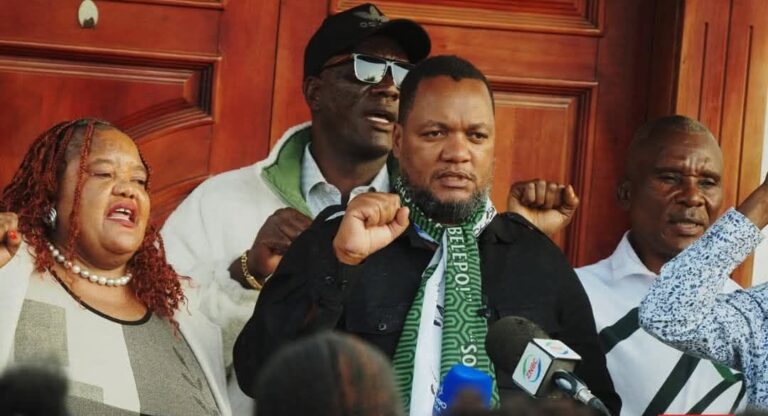
Blood On The Campaign Trail: Chawama Violence Puts Zambia’s Election Season On Edge

Five arrests, competing accounts and an active police investigation have placed campaign conduct, political tolerance and law enforcement accountability under scrutiny ahead of Zambia’s August 13 general election.

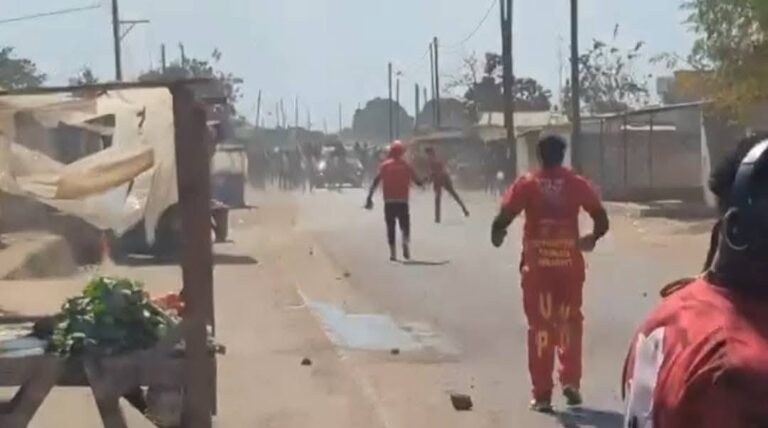
A confrontation between supporters linked to the Tonse Pamodzi Alliance and the UPND in John Howard Compound, Chawama, on Friday afternoon left several people injured, property damaged and five suspects in police custody. The incident prompted responses from political leaders, law enforcement agencies, electoral authorities and civil society organisations and renewed attention on the responsibility of political actors to maintain peaceful campaigns during a critical period of the electoral process.

Police say the disturbances occurred during political activities in the area and resulted in injuries, destruction of property and damage affecting a ward office. Investigators have since arrested five suspects facing charges that include aggravated robbery, malicious damage to property, assault and unlawful wounding. Authorities have indicated that investigations remain active and have not ruled out additional arrests as evidence continues to be gathered. Police have maintained that all actions taken so far have been guided by the findings of investigators and that anyone found to have committed offences will be dealt with according to the law.

While the facts surrounding the arrests are largely undisputed, differing accounts have emerged regarding responsibility for the violence. Tonse Alliance candidate Nundwe has questioned the direction of the investigation and alleged that opposition supporters were unfairly targeted despite being victims of attacks carried out by individuals wearing UPND regalia. The ruling party has rejected those allegations and defended the conduct of law enforcement agencies. The competing accounts have ensured that the Chawama incident is no longer being viewed simply as a local political confrontation but as a matter carrying political and institutional implications beyond the constituency.

The timing of the incident has added to its significance. Campaign activities are gathering momentum across the country following the completion of nominations, with political parties increasing their presence in constituencies ahead of polling day. The Electoral Commission of Zambia has repeatedly urged political parties, candidates and supporters to comply with the Electoral Process Act and conduct campaigns peacefully. On Sunday, ECZ Chairperson Mwangala Zaloumis renewed those appeals, calling on political stakeholders to avoid actions that could fuel tensions or undermine confidence in the electoral process.

The Chawama confrontation has also prompted discussion about political tolerance and the obligations of leaders to discourage violence among supporters. UPND Deputy Secretary-General Gertrude Imenda joined calls for restraint and urged political players to comply with ECZ guidelines. Similar messages have come from church organisations, governance groups and civil society bodies, many of which have warned that unresolved political confrontations can contribute to heightened tensions during election periods. Their interventions underscore the importance of maintaining a peaceful campaign environment throughout the electoral process.

Attention has also shifted to the role of law enforcement agencies and the importance of trust in ongoing investigations. A Sunday Nation editorial argued that police investigations conducted during election periods must not only be fair but must also command public confidence. That challenge extends beyond arrests and criminal charges. Public perceptions of impartiality often influence confidence in electoral security, making transparency and consistency important elements of any investigation involving politically sensitive incidents. For that reason, the handling of the Chawama matter is likely to remain under scrutiny from political parties, civic organisations and members of the public.

Beyond the criminal investigations and political exchanges, the incident has revived discussion about Zambia’s record of conducting elections without the widespread political violence experienced in some parts of the region. Preserving that record requires commitment from political leaders, law enforcement agencies, civil society organisations and ordinary citizens alike. Investigations into the Chawama violence remain ongoing, further arrests have not been ruled out and any eventual court proceedings may determine criminal liability arising from the incident. Until then, the findings of investigators, decisions by prosecutors and judgments of the courts will help shape how the events in Chawama are viewed during the 2026 election campaign.

EDITOR’S NOTE: The Chawama incident has become an early test of campaign discipline during Zambia’s 2026 election season. Investigations remain active and authorities have indicated that additional arrests may follow as evidence continues to be assessed.
The Convention That Never Was: Longwe Takes HH Candidature To Constitutional Court

In a country where elections are frequently contested, there is something unusual about a legal challenge that comes from within a political party itself.

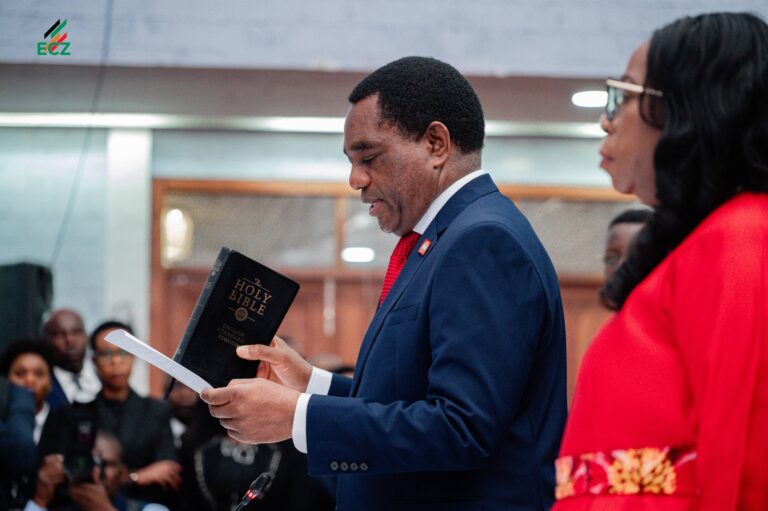
The man before the Constitutional Court questioning the validity of President Hakainde Hichilema’s candidature in the August 13 general election is Charles Longwe, the founder of the very party whose nomination process he is now challenging. The court has set June 19 as the date it will hear the matter.

This is not a routine petition. It is a dispute that raises questions about whether the UPND followed its own procedures before submitting its presidential candidate to the Electoral Commission of Zambia.

The Argument Behind The Petition

Longwe’s case is built on a single legal argument: that the UPND did not hold a valid convention before nominating President Hichilema as its presidential candidate on May 22, 2026.

He contends that the party’s constitution required a convention to be held before any valid adoption of a presidential candidate could take place. Without that convention, he argues, the nomination itself is constitutionally defective.

Importantly, the petition does not challenge President Hichilema’s citizenship, age, qualifications or personal eligibility to contest the election.

Instead, the case focuses on whether the party complied with its own constitution when it selected its candidate. That distinction is important because the proceedings focus on the nomination process itself rather than the personal qualifications of the candidate.

The UPND Pushes Back

The ruling party has already moved to defend the nomination process.

Lawyers representing President Hichilema, including State Counsel Mulambo Haimbe and Michael Moono, have confirmed their participation in the matter. The UPND has also sought to have the petition dismissed, arguing that it lacks merit.

With the August election approaching, the case places the party’s nomination process under judicial scrutiny at a time when campaigns are intensifying across the country.

A Hearing Scheduled For June 19

The Constitutional Court has assigned the matter for a full bench hearing. Judge Martin Musaluke presided over the scheduling conference that set June 19 as the hearing date. Judgment is expected to be delivered at a later stage.

The timing is significant. Recent weeks have seen several election-related disputes move through the courts involving parliamentary candidates, running mates and nomination procedures.
The challenge involving President Hichilema’s candidature now joins a growing list of election matters awaiting determination before polling day.

Questions Before The Court

Whatever decision the Constitutional Court reaches, the proceedings will require judges to interpret the relationship between party constitutions and national electoral processes.

Political parties establish their own constitutions, procedures and rules. Where questions arise regarding compliance with those rules, courts may be called upon to determine whether the processes followed were consistent with the governing documents of the party concerned.

How the Constitutional Court interprets the UPND’s procedural obligations could influence how political parties approach nomination processes in future elections.

Longwe maintains that the party constitution must be followed.

The UPND maintains that its nomination process was valid and that President Hichilema was properly adopted as the party’s presidential candidate. The matter will now proceed to hearing on June 19.

Until then, President Hichilema remains the UPND’s adopted candidate, while the petition continues through the Constitutional Court process ahead of the August 13 general election.

EDITOR’S NOTE: The Constitutional Court is scheduled to hear the petition on June 19, 2026. The matter concerns the process through which President Hakainde Hichilema was nominated as the UPND presidential candidate for the August 13 general election.

Running Away From Yourself; GARY NKOMBO

By Michael Lombe

Bob Marley’s timeless message in Running Away is that a person may run from circumstances, critics or uncomfortable truths, but can never truly run away from themselves. Politics offers many examples of this reality.

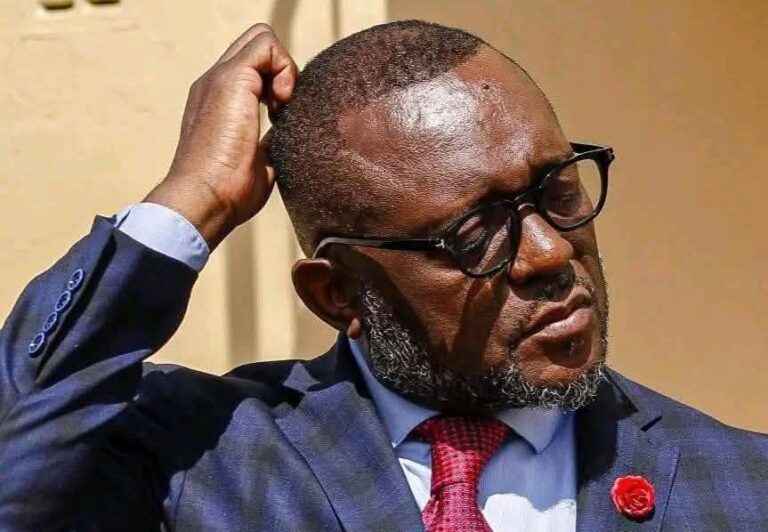
Garry Nkombo’s political journey is one such story worthy of reflection. Before becoming one of the most recognisable figures in the UPND, he sought election to Parliament and failed on two occasions, first under the then ruling MMD in 1998 and later under the FDD in 2001. It was only after joining the UPND that his fortunes changed. In 2006, he won the Mazabuka parliamentary seat and went on to enjoy a parliamentary career spanning two decades.

For this reason, many UPND members believe the party deserves recognition for providing him with a political platform, adopting him repeatedly and entrusting him with leadership responsibilities over the years. They believe that the UPND transformed him from a perennial contender into a national political figure.

Yet questions were often raised within sections of the party regarding his political relationships and political choices. At a time when many UPND supporters viewed the Patriotic Front as a political adversary determined to weaken both the party and its leader, President Hakainde Hichilema, Nkombo was frequently perceived as maintaining unusually cordial relations with prominent PF figures like Kaizer Zulu and late President Edgar Lungu himself.To some within the UPND, this created unease and fuelled concerns about his political judgement.

These concerns intensified when he voted against Bill 7, contrary to the collective position taken by his party. To many UPND supporters, this was not merely a difference of opinion but a direct challenge to party unity on a matter of strategic political significance. Their fear was that had the Bill failed as a result of divisions within the ruling party, the PF would have seized upon that outcome as evidence of a weakening government and used it as a platform to advance its political comeback narrative ahead of the 2026 election.

Whether these concerns were justified or not, the perception persisted among some party members that he increasingly carried himself as an heir apparent rather than a team player within a collective movement. It was clear that Gary had swallowed the bait dangled by the PF. Politics, however, is often as much about perception as it is about reality.

Today, as debate continues around his political conduct and ambitions, Bob Marley’s words remain instructive. Every politician must BE occasionally pause and examine themselves honestly. The most difficult questions are not those posed by opponents, journalists or social media commentators. They are the questions posed by one’s own conscience.

In the end, political careers are shaped not merely by ambition, but by loyalty, gratitude, discipline and self-awareness. The UPND gave Garry Nkombo the platform upon which his political career flourished. History records that fact. Equally, history will judge how he responded to that trust.

As Marley reminded us, one may run far and wide, but one can never run away from oneself.

Michael Lombe is a seasoned political commentator and public affairs analyst with a keen interest in governance, leadership, party politics and national development. He writes extensively on contemporary political issues, offering perspectives shaped by history, institutional memory and the evolving democratic landscape of Zambia

Govt, Church encourages democratic participation

Ministry of Information and Media Permanent Secretary, Thabo Kawana, says government and the Church share the mandate of ensuring that citizens are sensitised on their democratic participation, particularly the right to vote.

Mr Kawana emphasised that both the church and government have the responsibility to educate young people about the right path of life, teach them essential life skills, and foster good values.

He made the remarks during his visit to the Highlands District Congregations’ fundraising meeting held at Chitukuko Seventh Day Adventist Church in Mtendere East.

During the event, Mr Kawana donated K50,000 raised among some Permanent Secretaries towards the purchase of land intended for building a permanent campsite for the Church.

He also commended the Seventh-day Adventist Highlands District, which comprises 11 congregations, for setting a target to acquire land that will positively contribute to society.

And District Pastor, Joseph Kaboleka expressed gratitude to the government and Mr Kawawa for taking the time to attend the occasion.

Meanwhile, Chairperson of the District Planning Committee of SDA Lusaka District, John Kayesa, disclosed that the Church has set a target of K300,000 to purchase land which they have identified in the Chinyunyu area.

Elder Kayesa explained that the meeting was focused on raising funds to acquire the land in order to build a permanent campsite for the Church.

“We want to buy and develop this land as soon as possible,” he said.

Copper Queens Reach 4-Nations Final

0

The Copper Queens have reached the final of the Four Nations tournament in Ndola after struggling to eliminate Kenya at Levy Mwanawasa Stadium.

‎Zambia needed post-match penalties to edge Kenya 4-1 after a 1-1 draw on Saturday afternoon.

‎The Copper Queens will face Zimbabwe in the final on Tuesday evening.

‎Zimbabwe advanced to the final after thumping Lesotho 3-1 in the earlier lunchtime match at Levy Mwanawasa Stadium.

‎Kenya took the match against Zambia to penalties after equalising 13 minutes from full time. Marion Serenge cancelled out Priscar Chilufya’s 4th-minute opener for Zambia.

‎During the shootout, Zambia scored all their spot kicks through Irene Lungu, Racheal Kundananji, Saliyah Mwanza and Ochumba Oseke.

‎Meanwhile, Zambia star Barbra Banda did not make the team that faced Kenya.

‎Zambia and Kenya are warming up for next month’s Women’s Africa Cup of Nations (WAFCON)

(Image by FAZ Media)

UPND OPEN TO WELCOMING BACK GARRY NKOMBO IF HE RENOUNCES REBELLIOUS CONDUCT

UPND Deputy Secretary General Gertrude Imenda says the party is open to welcoming former Mazabuka Central Member of Parliament Garry Nkombo back into its ranks, provided he renounces what she described as rebellious conduct and recommits himself to the party’s principles and leadership.

Speaking to Phoenix News in an interview, Ms. Imenda said the UPND has previously welcomed back members who had defected, questioning why Mr. Nkombo should be treated differently.

She argued that Mr. Nkombo isolated himself from the party through his actions, noting that the UPND could have considered him for re-adoption as its candidate for Mazabuka Central had he sought adoption through established party processes.

Ms. Imenda said Mr. Nkombo’s decision to contest as an independent candidate denied him that opportunity.

She has further urged Mr. Nkombo and his supporters to avoid a sense of entitlement based on his contributions since joining the party in 2006, stating that many members have equally made sacrifices for the UPND over the years, with some even losing their lives in the struggle for the party’s success.

UN Honours Tow Fallen Zambia Soldiers

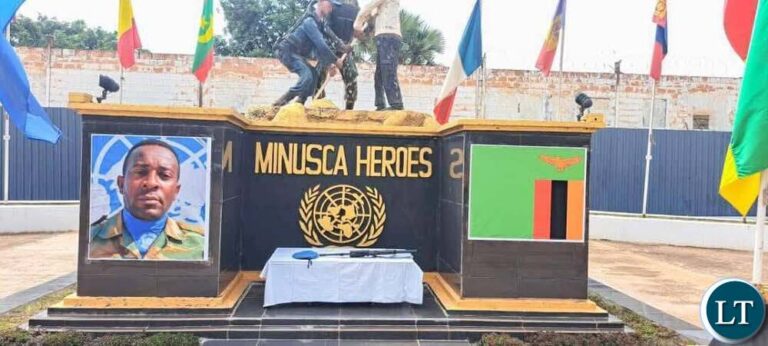
Two Zambian soldiers who died while serving under the United Nations Multidimensional Integrated Stabilisation Mission in the Central African Republic (MINUSCA) have been honoured posthumously by the United Nations.

Staff Sergeant Alick Banda and Corporal Steve Muloke Sakachoma were recognised for their service and sacrifice during a memorial ceremony held at the UN Headquarters in New York yesterday.

UN Secretary-General António Guterres conferred the honours during an event dedicated to paying tribute to peacekeepers who have lost their lives while serving in conflict and post-conflict areas around the world.

Corporal Sakachoma died on June 20, 2025, after sustaining gunshot wounds during an attack while on duty in the Central African Republic.

Staff Sergeant Banda died on December 29, 2025, following an illness during his deployment with the peacekeeping mission.

The Zambia Army reports that the recognition by the UN is in honour of the soldiers’ contribution to international peace and security and their ultimate sacrifice while serving under the MINUSCA.

The ceremony, attended by diplomats, senior UN officials and representatives of member states, was held days after Zambia joined other countries in commemorating the 2026 International Day of United Nations Peacekeepers under the theme, “Invest in Peace”.

Zambia’s Permanent Representative to the United Nations, Dr Chola Milambo, and Zambia’s Military Adviser to the Permanent Mission to the United Nations, Brigadier General Oliver Musonda, received the honours on behalf of the two deceased soldiers.

CRIMINALS BURN FIVE HOUSES, KILL SEVEN IN LUKULU

Seven people, including a baby, have died after suspected criminals attacked a village in Lukulu District, Western Province, and set five houses on fire.

According to Western Province Commanding Officer Rae Hamoonga, the attack occurred between 01:00 hours and 02:00 hours this morning at Kamboyi Village in the Imenda area, about 20 kilometres north of Lukulu Boma along the Lukulu-Watopa off-road.

The assailants, who were armed with offensive weapons, stormed the village and torched five houses together with household property.

Hamoonga said the houses were completely burnt to ashes.

“As a result of the attack, seven people tragically lost their lives. Six victims are believed to have died in the inferno while one infant was allegedly murdered using a hammer,” disclosed Hamoonga.

The deceased have been identified as Beatrice Kandanda, 60, Kamboye Kamboye Junior, 28, Chilemu Chingi, 70, Bisesa Susiku, 25, Simon Kapalu, nine, Mathews Mukimba, 28, and Miracle Muhona, aged one year and five months.

Police said Ruth Kamboyi, 29, sustained a swollen face and a cut on the head after being assaulted during the attack.

Three other victims, identified as Wana Kamboyi, 22, Eunice Mukimba, 45, and Mahongo Kamboyi, 16, suffered burns on various parts of their bodies.

Police further revealed that after carrying out the attack, the criminals reportedly stole 43 cattle comprising bulls, cows and oxen branded VR/68, valued at about K370,500, belonging to Kamboyi Kamboyi.

Hamoonga said intensive investigations have been launched into the case, which involves murder, aggravated robbery and arson.

He said no arrests had been made.

Rising Talent Grallae Represents the Future of Zambian Music

Rising Talent Grallae Represents the Future of Zambian Music

Bwanga Emmanuel (born 11 August 2004, Lusaka, Zambia), professionally known as Grallae, is a Zambian singer, songwriter, recording artist, and creative entrepreneur. Known for blending Afrobeats, R&B, and contemporary Zambian sounds, Grallae has established himself as a rising voice in Zambia’s independent music scene. He is also the founder of the Avian Movement, a fan community known as the Avians, which represents unity, ambition, emotional connection, and personal growth.

Early Life and Education
Bwanga Emmanuel was born at Teba Clinic in Lusaka, Zambia. He is the son of the late Bwanga F Caleb , who passed away during Emmanuel’s childhood, and Tambudzai Mushaike. He has one elder sibling, Betty Bwanga.
He attended Menam Private School for his primary education before proceeding to Thornpark Primary School for junior secondary education. He later studied at Lusaka Boys Secondary School and completed his Advanced Level education at David Kaunda Technical Secondary School.
In 2023, he enrolled at the University of Zambia (UNZA) to pursue a Bachelor’s Degree in Microbiology. He is currently in his third year of study.

Early Career and Breakthrough (2021–2025)
Grallae began releasing music independently in early 2021, steadily building his sound and artistic identity. During his early years, he experimented with different styles and themes, developing the emotional storytelling and melodic approach that would later become central to his music. Although he was actively releasing music, it was not until the buildup to his Lipalo project that he began attracting significant attention from listeners.
One of the key moments in his early career came when he teased Happiness, a song from the Lipalo project. The teaser generated considerable interest among music fans and marked the first time many listeners became aware of Grallae’s artistry. The anticipation surrounding the song helped increase his visibility and introduced a growing audience to his music.
The release of Lipalo in 2025 marked Grallae’s emergence as one of Zambia’s promising independent artists. The project explored themes of love, relationships, self-discovery, and emotional experiences, allowing listeners to connect with a more personal side of his artistry.

Among the standout records was Nalikutemwa, where Grallae demonstrated his ability to seamlessly switch between different African languages while maintaining the emotional weight of the song. The track highlighted not only his versatility as an artist but also his ability to connect with diverse audiences through culturally rich expression and melodic storytelling.

Tracks such as Him, Push, Lipalo, and Stalin showcased Grallae’s lyricism and storytelling ability. Through thought-provoking lyrics, personal reflections, and creative wordplay, he demonstrated an ability to balance emotional depth with lyrical substance. These records highlighted his growth as a songwriter and his capacity to craft music that extends beyond entertainment, offering insight into his mindset, experiences, and aspirations.
The title track, Lipalo, became one of the defining songs of the project. Built around the concept of life’s calculations, choices, sacrifices, and consequences, the song embodied Grallae’s artistic vision and personal journey. The success of the project helped establish his identity within Zambia’s independent music scene and laid the foundation for future releases.

Toxic Romantic Era (2026)
In 2026, Grallae released Toxic Romantic, a mixtape that marked a major step forward in his career. The project explored themes of love, heartbreak, desire, loyalty, self-reflection, and emotional conflict, showcasing his growth as both a songwriter and performer.
The mixtape featured standout songs such as My Val, Pamubili featuring Nerve ZM, Addicted featuring Nerve ZM and Legend Muziq, Ndekako featuring Access ZM and A7 Official, Dumbwi, and Sinner featuring Luwi ZM and Yetuna. Together, these records highlighted Grallae’s versatility, blending romantic storytelling, introspective lyricism, and collaborative chemistry while demonstrating his ability to connect with listeners through authentic and relatable experiences.
The success of Toxic Romantic further expanded his audience, strengthened the Avian community, and established him as one of Zambia’s notable emerging independent artists.

Artistry

Grallae’s biggest musical influences include Asake, Magixx, Llona, Yo Maps, Daev Zambia, Jae Cash and Chef 187. Their influence can be heard in his melodic songwriting, emotional storytelling, versatility and ability to blend commercial appeal with lyrical depth.
Grallae has cited artists such as Asake, Magixx, Llona, Yo Maps and Daev as major influences on his musical development, crediting them with shaping his appreciation for melody, emotion and authenticity in music. He has also acknowledged Jae Cash and Chef 187 for inspiring his emphasis on lyricism, storytelling and meaningful songwriting. According to Grallae, his goal as an artist is to create music that reflects real-life experiences, fosters emotional connection and reassures listeners that they are not alone in what they feel.

Former North-west HoDs receive ultimatum

has directed former government Heads of Departments (HoDs) who resigned from the public service to join active politics and are aspiring candidates in this year’s General Elections to vacate government houses by June 15, 2026.

Colonel Katambi says the province has recorded four former Heads of Departments who have resigned from the civil service and joined active politics.

He made the directive during a Media-Police engagement meeting organized by the Northwest Press Club in Solwezi District.

Colonel Katambi explained that electoral regulations require any civil servant wishing to participate in politics as a candidate to first resign from public service.

“As a province, we have recorded about four Heads of Departments who have resigned and joined politics. From Ikelenge, we have former District Commissioner Andrew Moyakula, while in Solwezi we have Tradeson Mulofwa, who is contesting as an independent candidate,” he said.

He has urged all affected individuals to comply with the directive and begin making arrangements to vacate the government houses before the deadline.

Govt. committed to promote environmental sustainability

Lusaka District Commissioner (DC), Rosa Kayuni says unchecked urban growth and effects of climate change increases the dangers and consequences of flooding in the district.

Ms. Kayuni notes that the district has been adversely faced with negative effects of the flash floods and droughts since 2024.

She was speaking in a speech read on her behalf by District Administrative Officer, O’Neill Chiiya during the commemoration of the 2026 World Environmental Day in Lusaka.

‘’For the past decades, Lusaka City has been facing a series of challenges arising from droughts and heavy rainfall. These are the droughts that caused food insecurity, disease outbreaks, energy crisis leading to power cuts and loss of livelihoods that depended on hydro-energy, whereas heavy rainfall resulted in frequent occurrences of flooding, and disease outbreaks such as Cholera,” she recalled.

Meanwhile, Ms Kayuni has assured government’s commitment to promoting environmental sustainability in the district.

She said government , through its policies, is ensuring that environmental sustainability is observed in the district.

Ms Kayuni added that urban design and ecosystem are the core efforts being put in place as measures to fight negative climate impacts.

She has also called on all stakeholders to raise awareness on the various environmental challenges arising from plastic waste in the district.

“I also wish to implore you to raise awareness on the various environmental challenges arising from plastic waste to unplanned urbanisation and how citizens can be part of a solution through personal action and local ecosystem restoration in the district,” she said.

And Initiative for Change (LIC) Chief Executive Officer, Olivia Mwaba, who was represented by her partnership Liaison Officer, Paxina Lesa, said the organisation is supporting women led groups with micro grants for climate action.

Ms. Mwaba explained that the grant empowerment exercise is aimed at enabling women to implement practical environmental solutions.

“These grants are enabling women to implement practical solutions such as tree planting, community gardening, waste management initiatives, climate smart agriculture and other sustainable livelihood activities that strengthen resilience while protecting the environment,” she added.

She said the organisation through the Integrated Climate Action for Improved Health (ICAIH) project focuses on improved waste management, clean energy solutions, water, sanitation and hygiene, nutrition and environmental health education.

Kazembe Lunda Royal Establishment Demands Chungu’s Release

The Kazembe Lunda Royal Establishment has called for the immediate release of Xavier Franklin Chungu, describing his continued detention despite a High Court bail order as a matter that raises serious concerns about constitutionalism, judicial independence and the rule of law. In a statement issued on June 6, the Royal Establishment said developments surrounding  Mr Chungu’s detention and subsequent re-arrest have prompted questions about adherence to court decisions and constitutional protections.

Xavier Chungu

 The institution urged authorities to uphold due process and respect the legal rights guaranteed under the Constitution while allowing any allegations against him to be determined by the courts.

Below is the full statement issued by the Kazembe Lunda Royal Establishment.

FOR IMMEDIATE RELEASE
PRESS STATEMENT

KAZEMBE LUNDA ROYAL ESTABLISHMENT DEMANDS THE IMMEDIATE RELEASE OF XAVIER FRANKLIN CHUNGU AND RESPECT FOR THE RULE OF LAW

The Kazembe Lunda Royal Establishment has noted with grave concern the continued detention of Mr Xavier Franklin Chungu, former Director General of the Zambia Security Intelligence Service, Presidential Candidate of the Liberal Democrats Party in the forthcoming 13 August 2026 General Elections, and a distinguished son of the Luba-Lunda Chiefdom.

Mr Chungu was arrested on 28 May 2026 and has remained in police custody since.

While criminal allegations have been levelled against him under the Penal Code, the State Security Act, and the Zambia Security Intelligence Act, he remains, under the Constitution and laws of Zambia, innocent until proven guilty by a court of competent jurisdiction.

On 4 June 2026, the High Court duly granted Mr. Chungu bail. Notwithstanding this clear judicial order, the Zambia Police Service continued to detain him until 5 June 2026. The prolonged completion of bond formalities and the conduct of the police during this period raise serious concerns regarding the efficiency, propriety, and good faith with which the court’s directive was executed.

More concerningly, immediately upon the eventual completion of the bond process and Mr. Chungu’s release, he was served with two additional charges, re-arrested, and returned to police custody. As of today, Mr. Chungu has remained in detention at Kabwata Police Station for ten (10) consecutive days. This sequence of events creates the unmistakable impression that the grant of bail by the High Court was effectively frustrated, thereby undermining both the spirit and effect of the court’s order and raising legitimate questions regarding adherence to the rule of law and respect for judicial authority.

This situation is a serious and unacceptable affront to the rule of law. It is not just about one individual. It strikes at the heart of constitutional governance, judicial independence, and the credibility of our democratic institutions.

The Constitution of Zambia is the supreme law and binds all persons, State organs, and institutions. Any act or omission that contravenes it is illegal. The Constitution guarantees every person the right to personal liberty and legal protection. Article 13(3) states that a person arrested or detained on reasonable suspicion must be brought before a court without undue delay or released. Article 18(2) guarantees the presumption of innocence until proven guilty according to law. These protections are constitutional rights that must be respected and protected at all times.

The continued detention of Mr Chungu despite a valid High Court order raises profound constitutional concerns. If those enforcing the law disregard court orders, the foundations of constitutional democracy are in jeopardy. No institution, however powerful, is above the law. No citizen should be deprived of liberty in defiance of a court order.

The Kazembe Lunda Royal Establishment recalls that the United Party for National Development (UPND), in its 2021–2026 Manifesto, pledged “to ensure strict adherence to the rule of law and end selective application of the law to restore faith in the country’s critical national institutions of governance.” This is in addition to “respect court judgments and orders to entrench the rule of law and enhance constitutionalism.” We further recall President Hakainde Hichilema’s solemn commitment during his inauguration on 24 August 2021 that his administration would “ensure respect for the fundamental human rights and freedoms for all and restore the rule of law.”

These commitments were welcomed by the Zambian people and the international community. Such pronouncements cannot remain mere words. They must be reflected in the conduct of State institutions and public officers.

The Government has on numerous occasions proclaimed its commitment to constitutionalism, human rights, and the rule of law. The present circumstances provide a clear opportunity to demonstrate the genuineness of these commitments and apply the aforesaid equally to all persons, regardless of political affiliation, public profile, or the nature of allegations against them.

The continued detention of Mr Chungu is also particularly troubling in light of Zambia’s recent launch, in February 2026, of its candidature for membership to the United Nations Human Rights Council for the 2027–2029 Term. Nations seeking election to the Human Rights Council undertake to uphold the highest standards in the promotion and protection of human rights. Respect for judicial decisions, due process, personal liberty and the rule of law are among the most fundamental of those standards.

As a nation, Zambia’s reputation is built not on declarations but on actions. The international community will judge our commitment to human rights and democratic governance in the way that we, as a country, faithfully uphold constitutional guarantees, especially when it may be politically inconvenient.

The Kazembe Lunda Royal Establishment, therefore, calls upon the Government, the Zambia Police Service, and all relevant authorities to apply ethical and lawful provisions of Zambia’s Constitution, even where bail and bond procedures are applicable.

This call should not be seen as an attempt to interfere with lawful investigations or judicial proceedings. If the State has evidence against Mr Chungu, it should present it before the courts in accordance with the law. The criminal justice system provides lawful mechanisms to determine guilt or innocence. What is impermissible and pure injustice is the continued deprivation of liberty when a court has ordered otherwise.

We further urge all public authorities to remember that fidelity to the Constitution is not optional. It is a legal and moral obligation. The rule of law means that government itself is subject to the law, that court orders are obeyed, and that constitutional rights are respected irrespective of the identity of the person concerned.

The Kazembe Lunda Royal Establishment stands firmly in defence of constitutionalism, due process, judicial independence and the fundamental rights and freedoms guaranteed to every citizen of the Republic of Zambia.

The immediate and unconditional release of Mr. Xavier Franklin Chungu pursuant to the applicable legal provisions available, and in view of the preceding and recent developments, is not a matter of discretion. It is a matter of law.

Issued by the Kazembe Lunda Royal Establishment KAZEMBE, LUAPULA PROVINCE 6 June 2026

Socialist Party running mate faces Constitutional Court challenge

Constitutional Court challenge focuses attention on candidate eligibility requirements ahead of August election

The Constitutional Court’s consideration of the academic qualifications of Socialist Party vice-presidential candidate Dolika Banda has emerged as one of the most closely watched election-related cases ahead of Zambia’s August 13 general election.

Proceedings before the court have centred on whether the qualifications submitted in support of Banda’s nomination satisfy constitutional requirements applicable to candidates seeking high office. The matter has drawn in the Electoral Commission of Zambia (ECZ), the Examinations Council of Zambia (ECZ) and the Attorney General’s office, placing candidate eligibility requirements under judicial examination.

Court proceedings heard that concerns regarding the qualifications only emerged after the nomination process had already concluded. Evidence presented before the court indicated that assessments conducted by the Examinations Council formed part of the issues now under consideration by the Constitutional Court.

According to material presented during the proceedings, questions have arisen over whether the qualifications under review meet Grade 12 equivalence requirements, including provisions relating to English Language, a compulsory subject within Zambia’s equivalency framework.

The Electoral Commission has maintained that nominations were processed using the documentation submitted during the nomination period. Court proceedings focused in part on the sequence of events that followed after nomination exercises had been completed and subsequent concerns were raised.

The case carries significance because it involves the presidential ticket led by Socialist Party president Dr Fred M’membe. With election campaigns underway across the country, any judicial determination affecting a presidential or vice-presidential candidate attracts heightened public and political attention.

Beyond the immediate parties involved, the matter has also prompted discussion regarding the verification of candidate qualifications and the respective responsibilities of institutions involved in the nomination process. The proceedings have placed renewed attention on how constitutional requirements are interpreted and applied within Zambia’s electoral system.

Petitioners in the matter have argued that constitutional standards must be applied consistently to all candidates seeking public office. Their position is that eligibility requirements should be enforced strictly in accordance with constitutional provisions governing nominations.

The proceedings have continued to attract significant public interest, with each court appearance drawing attention from political parties, legal practitioners, election stakeholders and members of the public following developments in the case.

The matter is unfolding during an active campaign period in which political parties are intensifying mobilisation efforts across the country. As a result, the court proceedings have become an important legal dimension of the wider election environment ahead of polling day.

Meanwhile, the Electoral Commission has continued voter education programmes and stakeholder engagement activities while encouraging political parties and candidates to comply fully with electoral laws, regulations and nomination requirements.

The Constitutional Court’s eventual ruling is expected to provide guidance on questions surrounding candidate qualifications, verification procedures and the application of constitutional nomination requirements. The judgment is also likely to be closely examined by political parties, election administrators and legal practitioners involved in future electoral processes.

For now, the proceedings remain before the court, with legal arguments continuing as Zambia moves closer to the August 13 general election.

Editors Note: “The Constitutional Court’s determination is expected to clarify important questions surrounding qualification standards, nomination procedures and the interpretation of constitutional eligibility requirements.”

Esther Lungu Seeks Closure As Impasse Continues

Family, church leaders and political figures renew calls for resolution as burial impasse enters second year

LUSAKA — Zambia marked one year since the death of sixth Republican President Edgar Chagwa Lungu on Thursday, with family members, church leaders and political figures renewing appeals for a resolution to the burial impasse that has remained unresolved since his passing.

Memorial activities held across the country on June 5 brought together relatives, supporters, religious leaders and political figures to remember the former Head of State’s life and years in public office. The commemorations also revived discussion surrounding the continued absence of burial arrangements, a matter that remains unresolved twelve months after his death.

Former First Lady Esther Lungu appealed for closure, describing the prolonged uncertainty as a difficult burden for the family. She said relatives continue to wait for an outcome that would allow them to fulfil what they believe were the wishes of the former president and finally conclude a period of mourning that has extended far beyond expectations.

Her remarks formed one of the central messages of the anniversary commemorations, where family members reflected on the personal impact of the dispute and the emotional toll associated with the delay.

The church also used the occasion to call for reconciliation and national unity. Lusaka Archbishop Dr Alick Banda paid tribute to the former president’s years of service and his connection with ordinary citizens, while urging Zambians to embrace values of humility, mutual respect and compassion.

The Archbishop’s message centred on the importance of preserving national cohesion during moments of difficulty and ensuring that differences are addressed with dignity. Similar themes emerged throughout memorial services and remembrance gatherings held in honour of the former president.

Political figures from different parties joined calls for a resolution. Socialist Party president Dr Fred M’membe questioned why the matter remained unresolved a year after Lungu’s death and appealed for an outcome that respects both the dignity of the late former president and the wishes of his family.

Former Chilubi lawmaker Mulenga Fube also called for a settlement, saying efforts should focus on bringing closure to the family and allowing the nation to move forward.

The prolonged dispute has kept Lungu’s legacy in the national spotlight long after his death. Throughout the past year, supporters have continued to organise remembrance activities while political leaders, church organisations and civil society groups have repeatedly commented on the matter.

For many citizens, discussion surrounding the burial has evolved beyond funeral arrangements alone and now touches on broader questions concerning national unity, reconciliation and the treatment of former leaders after leaving public office.

The anniversary comes at a time when political activity is increasing ahead of the August 13 general election. Campaigns are intensifying across the country, with parties competing for support and public attention. Against that backdrop, Lungu’s name and legacy have remained part of the national conversation as the burial issue continues unresolved.

Over the past twelve months, differing positions have emerged regarding aspects of the dispute. Despite those differences, calls for a settlement have continued to come from across political, religious and civic circles.

The first anniversary commemorations demonstrated that public interest in the matter remains significant. Memorial gatherings focused on remembrance and reflection, but they also highlighted the continuing expectation among many Zambians that a resolution should be found.

For supporters of the former president, the anniversary provided an opportunity to honour a leader they believe served the country with distinction. For family members, it marked another year without the closure they have consistently sought since his death.

No announcement regarding a final agreement emerged from the anniversary events, leaving the matter unresolved as it enters a second year. Family members continue to await progress, supporters remain hopeful for a settlement and public attention remains fixed on developments surrounding the issue.

The anniversary commemorations served both as a remembrance of Edgar Lungu’s life and as a reminder that one of Zambia’s most sensitive unresolved national matters remains without a conclusion.

Editors Note: “One year after the death of former President Edgar Lungu, appeals for closure continue from family members, religious leaders and political figures as the burial impasse enters a second year without resolution.”

Miles Sampa backs Hichilema as campaigns intensify

PF faction leader cites government record as reason for supporting President ahead of August election

Miles Sampa, leader of a Patriotic Front faction, has endorsed President Hakainde Hichilema’s bid for a second term, adding a significant political development to Zambia’s increasingly active election campaign ahead of the August 13 general election.

Speaking during a media briefing, Sampa announced that his faction would support President Hichilema’s re-election campaign, describing the incumbent as the strongest candidate in the presidential race. The endorsement comes as political parties and independent candidates step up campaign activities following the close of nominations.

The PF faction leader said the decision does not amount to a merger with the ruling UPND. He maintained that the endorsement was based on what he described as achievements recorded under the current administration and his assessment of the country’s direction under President Hichilema.

Among the areas highlighted by Sampa were free education, pension reforms, increased investment, growth in the mining sector, infrastructure development and broader economic policies. He said continuity would provide the country with greater stability as it pursues ongoing economic and social programmes.

The endorsement arrives during a period of continued political realignment across the opposition. Since the nomination process concluded, several candidates have withdrawn from parliamentary races, new political partnerships have emerged and competing alliances have sought to strengthen their positions ahead of polling day.

For the ruling party, the support from Sampa offers additional backing from a figure associated with the Patriotic Front, which governed Zambia until 2021. UPND leaders have continued to campaign on government programmes including debt restructuring efforts, free education, expanded Constituency Development Fund allocations and measures aimed at increasing mining production.

Opposition parties have continued to focus their campaigns on the cost of living, electricity challenges and the pace of economic recovery. Those competing narratives have become central themes of the election campaign as parties seek to persuade voters in the final weeks before polling.

The development also reflects the continuing shifts within PF-aligned political structures. Since leaving government, the former ruling party has experienced internal leadership disputes, competing factions and disagreements over strategy, developments that have influenced the broader opposition political space.

While expressing respect for former President Edgar Lungu, Sampa said voters should assess the country’s current position and future prospects when making their decisions. His remarks signalled a distinction between historical political loyalties and the choices facing voters in the 2026 election.

The endorsement comes amid heightened political activity across the country. Recent weeks have seen court proceedings involving election candidates, disputes linked to nominations and isolated incidents of political violence involving rival supporters.

The Electoral Commission of Zambia has repeatedly called on political parties, candidates and supporters to familiarise themselves with electoral laws and conduct peaceful campaigns. Law enforcement agencies have also warned that perpetrators of political violence will face legal action regardless of political affiliation.

Political endorsements have become an increasingly visible feature of the campaign as candidates seek to broaden support beyond their traditional bases. While endorsements do not automatically translate into votes, they often influence campaign messaging, political perceptions and voter engagement.

For President Hichilema, the endorsement strengthens efforts to present his administration as attracting support across different political constituencies. For opposition formations, it highlights the continued challenge of maintaining cohesion in a crowded electoral field featuring multiple alliances, parties and independent candidates.

With voting day drawing closer, political parties are expected to intensify campaigns across the country as they compete for support in what is shaping up to be one of Zambia’s most closely watched elections in recent years.

Editors Note: “The endorsement adds another layer to an election campaign already marked by shifting political alliances, candidate withdrawals, legal contests and intensified competition ahead of the August  polls.”