President Hakainde Hichilema and opposition leaders used Africa Freedom Day to send sharply different messages to the country, laying bare just how divided Zambia is heading into the August 13 general election. This division highlights the importance of achieving true Freedom in all aspects of society.
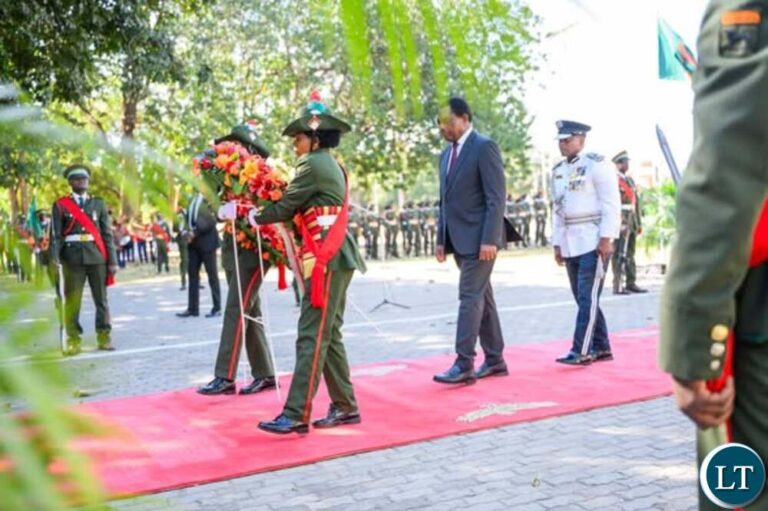
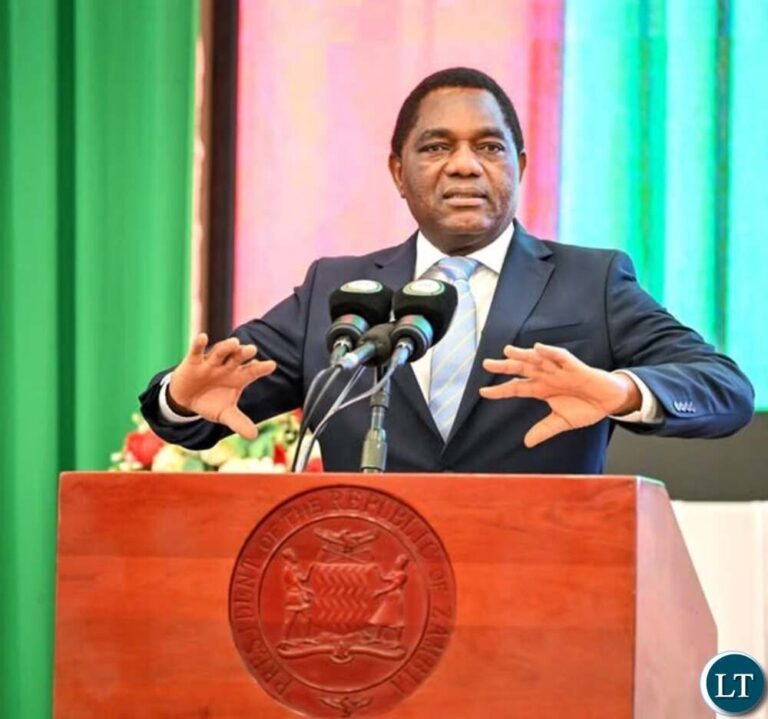
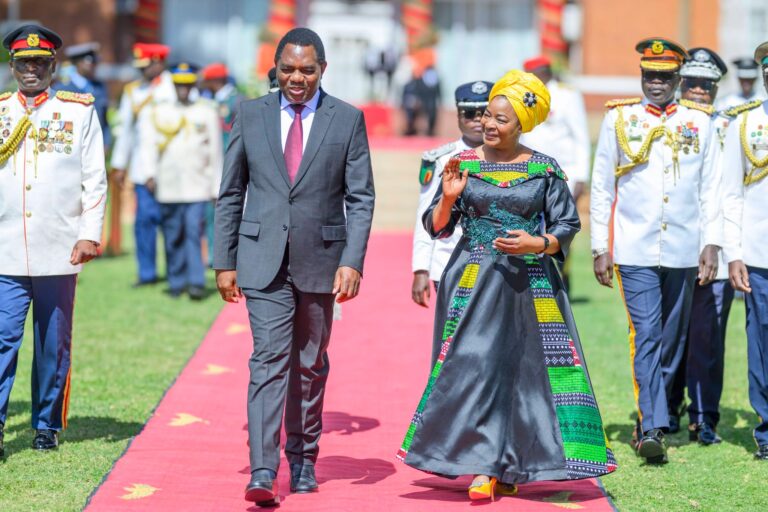
At State House and the Freedom Statue in Lusaka, Hichilema kept his focus firmly on economics and development. He told the country that political independence alone was not enough and that Zambia’s generation now carried the responsibility of delivering economic Freedom through jobs, investment and infrastructure growth.
The President pointed to free education, Constituency Development Fund projects, local desk manufacturing, mining expansion and improvements in electricity supply as signs that Government reforms were beginning to take hold across the country. He urged citizens to preserve peace and support programmes aimed at expanding opportunities and improving livelihoods, emphasizing the need for everyone to enjoy Freedom.
Outside the official commemorations, the political mood was far more confrontational and emotionally charged.
Tonse Alliance presidential candidate Brian Mundubile and his running mate Makebi Zulu arrived at Lusaka Central Correctional Facility hoping to visit jailed PF faction secretary general Raphael Nakacinda. Prison authorities denied them access, immediately shifting political attention away from the Freedom Day celebrations and onto opposition accusations surrounding democratic freedoms and political arrests.
Standing outside the correctional facility, Mundubile accused authorities of using State institutions to weaken opposition figures ahead of the elections. He warned that Zambia risked drifting into a political environment where citizens could begin fearing open political participation and criticism of those in power.
Governance activist Brebner Changala added further weight to the matter after describing Nakacinda as a “prisoner of conscience,” language that quickly spread through opposition mobilisation structures and support networks. The detention is now increasingly being shaped into a broader campaign symbol capable of energising PF-aligned frustration and wider anti-government feeling.
The ruling UPND, however, continues resisting attempts to shift the campaign onto governance disputes and political detentions. Party figures remain focused on pulling public attention back toward economic recovery, infrastructure expansion and visible development projects taking place across the country.
Former vice-president Enoch Kavindele said opposition political parties had failed to offer anything convincing enough to remove President Hichilema from office. Other ruling party figures repeatedly pointed to free education, healthcare expansion, road construction and mining-sector growth as evidence that the UPND still retained strong public confidence heading into the election period.
Despite those efforts, the campaign atmosphere is visibly tightening across several parts of the country.
Violence and security concerns are increasingly appearing during nominations and political mobilisation activities. Police recently arrested former Chavuma member of Parliament Victor Lumayi after he allegedly entered a nomination centre carrying a firearm. Other incidents involving clashes, disorder and intimidation have already triggered repeated appeals for calm from churches, NGOs, Electoral Commission of Zambia officials and law enforcement agencies.
The ruling party is also dealing with internal pressure following the decision by former minister Garry Nkombo to file nominations as an independent candidate in Mazabuka Central after disagreements over candidate selection. Senior UPND officials attempted to contain the fallout quickly, insisting no individual outranked the party, but Nkombo’s standing within ruling party structures means the matter continues attracting national political attention.
Opposition alliances are simultaneously battling their own internal complications. Court disputes inside the Forum for Democracy and Development have complicated alliance calculations surrounding candidate legitimacy, while smaller political parties continue attempting to build coalition arrangements capable of consolidating anti-UPND support before polling day.
The economy remains the deepest and most politically sensitive fault line running through the campaign.
Opposition leaders continue hammering the rising cost of living and unemployment, insisting macroeconomic gains mean little to households still struggling to feel relief in daily life. Government officials maintain that debt restructuring, investment growth and mining expansion require time before the benefits fully spread through communities and household incomes.
That contest over public perception is now becoming central to the election battle.
The ruling party wants voters focused on direction, stability and economic momentum. The opposition wants voters focused on freedoms, arrests and unmet promises. Both sides are pushing aggressively, and neither appears willing to wait for the formal campaign season to intensify before defining the national political conversation.
Freedom Day simply exposed how early the real contest has already begun.The campaign period is now on, engines are warming up, and the real political heat has not yet been felt.
Editors Note: “The 2026 election is increasingly becoming a struggle over economic confidence, democratic freedoms and public trust in national institutions.”