

By Chilufya Tayali
There was a time in my twenties when I genuinely believed I had life figured out. I thought I understood people, relationships, faith, marriage, politics and sacrifice. If you had met me during those years, I probably would have lectured you confidently on how a man should live, how women should be treated, how children should be raised and how Christians should walk with God. I carried convictions with complete certainty and rarely left room for doubt or contradiction.
At one point, I even believed I was destined to become a priest. Maybe that is why God removed me from the seminary before life humbled me even harder. Back then, I judged people very quickly. Not because I hated them, but because I genuinely believed I was right. Life has since dismantled that certainty piece by piece.
Today, I sometimes look back at things I once said with embarrassment. I remember advice I confidently gave others, only for life to place me in situations where those same answers suddenly stopped sounding simple. Experience has a brutal way of exposing the distance between theory and reality.
I once spoke strongly against abortion and contraceptives. I defended rigid positions confidently because everything looked black and white to me at the time. I relied heavily on Catholic teachings and believed moral clarity alone was enough to understand people’s situations. Life later introduced me to realities that theory alone could never explain. These days, I approach those conversations differently. Not because I abandoned values, but because I finally understand that some burdens become heavier when they move from textbooks into real human lives.
Marriage humbled me too. I used to believe marriages should never end under any circumstances. I encouraged people to endure difficult relationships because I believed perseverance alone could save every union. “Marriage is a covenant,” I would say confidently. But life forced me to confront another reality. Sometimes what outsiders call endurance is actually silent destruction. Some people survive situations that slowly erase them emotionally, mentally and spiritually while society applauds them for “holding the marriage together.”
That changed the way I look at relationships. Society rarely allows men to speak honestly about suffering inside marriages. Men are usually presented as the automatic problem whenever relationships collapse. I once accepted that thinking too without questioning it properly. I condemned men involved in side relationships without first asking why some of them emotionally checked out long before another woman entered the picture. I listened mostly to wounded women and ignored the possibility that some men were also drowning quietly inside their homes.
That does not automatically justify every decision people make, but life taught me something important: human beings are usually fighting private battles invisible to outsiders. To the men I judged carelessly years ago, if any of you ever come across these words, alive or dead, I owe you an apology. I understand more now.
Fatherhood still matters deeply to me. That belief has never changed. A father should remain present. He should fight for his children and carry responsibility even when life becomes uncomfortable. But another difficult question now sits heavily in my mind: what happens when the fight itself starts destroying the man fighting it? At what point does perseverance stop being strength and start becoming self-destruction? I no longer pretend those questions are simple.
Even politics humbled me. The people I once criticised aggressively, including President Hakainde Hichilema, and the political positions I once defended blindly, I now examine differently. Not because I suddenly became confused or because I am trying to return anywhere politically, but because life exposed me to realities I never understood when I was younger and louder. Some experiences permanently change the way you look at leadership, betrayal, survival and public judgment.
These days, I speak less and reflect more. I judge slower. I listen longer. I no longer rush to conclude that people are weak, immoral or foolish simply because their lives unfolded differently from mine. Life softens certain edges whether you want it to or not.
Maybe some people reading this are still in that stage where everything feels clear and absolute. Maybe your convictions still feel untouchable and the world still appears neatly divided between right and wrong. I once lived there too. Then life arrived. The frightening thing is that the beliefs we defend most aggressively are often the exact places where life hits hardest. One day you wake up defending the same people you once condemned because suffering finally introduced itself personally.
And honestly, there are moments these days when I feel close to breaking down completely. Some battles do not leave visible scars, but they quietly exhaust the soul from the inside. Still, I keep fighting because survival itself becomes a responsibility after a certain point.
So these are simply reflections moving through my mind today while preparing for something ordinary like lunch. Maybe this message reaches somebody carrying silent pressure. Maybe somebody reading this is slowly being humbled too. If so, pause for a moment and examine your strongest opinions carefully. Ask yourself whether they were formed through lived experience or protected theory. Life has a brutal habit of challenging human certainty, and when that moment comes, you either harden into bitterness or grow into understanding.
Tayali — the humbled man.


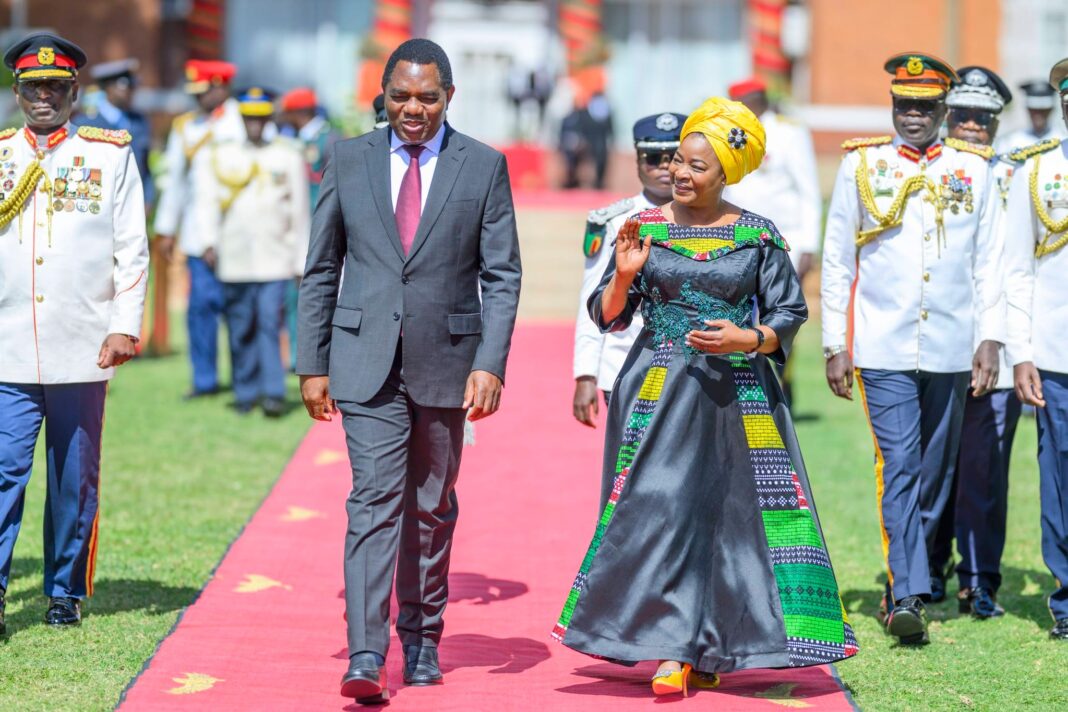


Wow. Never thought this man had a soul