Wednesday, June 17, 2026
18.1 C
Lusaka
Home Blog Page 149

Clinical Officer Faces Five-Year Jail Term for Allegedly Assaulting Traffic Officer

3

Police have urged members of the public with grievances against law enforcement officers to use established complaint channels rather than resort to violence, following the arrest of a clinical officer accused of assaulting a traffic officer in Ndola.

Emmanuel Njovu, 32, a clinical officer at Ndola Teaching Hospital, faces up to five years’ imprisonment if convicted when the matter goes to court.

According to Godfrey Chilabi, spokesperson for the Zambia Police Service, assaulting or obstructing a police officer in the execution of lawful duties is a serious offence.

“Assaulting or obstructing a police officer in the execution of lawful duties is an offence under Section 250(b) of the Penal Code, Chapter 87 of the Laws of Zambia, and attracts imprisonment of up to five years upon conviction,” Chilabi said.

He added that police officers derive their authority from the Constitution of Zambia, which mandates them to maintain law and order, protect life and property, and prevent or detect crime. Chilabi reminded citizens that they have a constitutional duty to cooperate with law enforcement officers.

“The public may have concerns regarding police conduct, but violence — whether by a police officer or a member of the public — is unacceptable and has no place in our society,” he said.

Chilabi noted that the Service has established internal complaint mechanisms through which citizens can lodge grievances. He also pointed to oversight bodies such as the Police Public Complaints Commission, which receive and address complaints in a lawful and structured manner.

Police strongly condemned the incident and reiterated that anyone who assaults or obstructs an officer performing lawful duties will be dealt with firmly in accordance with the law.

The incident, which was filmed and later went viral online, occurred on Wednesday, February 18, around 10:10 hours near Lake Petroleum, a few metres from Hillcrest Police Post in Ndola.

Copperbelt Province Police Commanding Officer Mwala Yuyi said the victim, 31-year-old traffic officer George Ilyamupu, was on duty around 10:00 hours when he noticed a Toyota Ractis, registration number BCG 4472, allegedly failing to obey traffic signs.

“The motor vehicle was then stopped by the officer and the driver was instructed to park off the road,” Yuyi said.

Instead of complying, Njovu allegedly became unruly and accused the officer of delaying him, claiming he was late for duties at the referral hospital.

When the officer attempted to escort him to Hillcrest Police Post, the situation escalated, with the suspect allegedly kicking and punching the officer, leaving him with general body pains.

Police later apprehended Njovu and charged him with assaulting a police officer, contrary to Section 250(c) of the Penal Code.

President Hichilema urges political players to promote peace

0

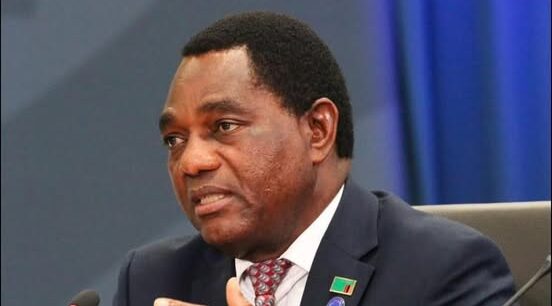
President Hakainde Hichilema has highlighted the country’s progress in promoting national values and principles, emphasising the country’s commitment to promoting freedom of assembly particularly as the country approaches the elections.

Mr Hichilema adds that democrats drive on ideas, persuasion, and respect for their values.

“We, therefore, implore all the political actors to commit to and promote peace, tolerance, and unity as we move towards elections,” he says.

The  media reports that the President made these remarks during a national address on the application of National Values and Principles at Parliament in Lusaka this morning, stressing government’s efforts to promote national values and principles.

The President further urged citizens to choose unity over division, dialogue over conflict, and progress over petty politicking.

He also noted the country’s stable and peaceful environment, which has attracted unprecedented levels of investment, including over $12 Billion in the mining sector.

And, President Hichilema emphasised the government’s commitment to improving access to education, healthcare, water, sanitation, and justice.

He cited the increase in budgetary allocation to the Constituency Development Fund (CDF), from 1.6 Million to 40 Million Kwacha, as a demonstration of the government’s commitment to empowering communities.

The Head of State also expressed concern over the abuse of social media, where some individuals are promoting hate speech, cybercrimes, and false news.

Mr Hichilema urged citizens to use social media responsibly and promote unity and peace.

He also emphasised the importance of access to information and media freedom, citing the enactment of the Independent Broadcasting Authority Act and the Zambian National Broadcasting Corporation Act in 2025.

Additionally, the President highlighted government’s efforts to promote human dignity, equity, and social justice, including increased budgetary allocation to the Constituency Development Fund (CDF).

“We are delivering for the people of Zambia from a place of love and deep care and we will not rest until every Zambian family feels the benefit of this generational change.

Among other key achievements the President outlined included improved healthcare with lifesaving ambulances and mobile health services now being available in rural areas.

Others are free education policy which has been restored, provision of bursaries to learners in secondary boarding schools, economic empowerment where CDF has empowered youths, women, and vulnerable communities.

Mbikusita-Lewanika questions ECZ delimitation timeline before 2026 elections

4

Veteran politician Prince Akashambatwa Mbikusita-Lewanika has written to the Electoral Commission of Zambia expressing concern about the ongoing constituency delimitation exercise and the planned expansion of parliamentary seats ahead of the August 13, 2026 general elections.

In his communication addressed to the ECZ Chairperson, the senior citizen questions the transparency, timelines and criteria guiding the exercise, which follows constitutional amendments increasing the number of constituencies from 156 to 226. He warns that the process is unfolding within a compressed electoral calendar, raising questions about governance standards and democratic accountability.

The letter has been circulated to several senior offices, including members of the Constitutional Court, the Minister of Justice, the Secretary to the Cabinet and the Chairperson of the Law Association of Zambia. The move reflects an attempt to elevate the matter beyond administrative channels and into broader institutional scrutiny.

Prince Akashambatwa notes that delimitation is taking place less than a year before the next general election, a timeframe he believes requires careful examination. He states that boundary adjustments influence political representation and voter confidence, making clarity in procedure essential.

Drawing from what he describes as a multidisciplinary academic background in history, political science, public administration, international affairs, Africana studies, development administration and economic development, the veteran leader frames his intervention as both professional and civic. He refers to experience accumulated through roles in government, parastatal institutions, private sector engagements and traditional leadership structures, alongside participation in an electoral review commission.

Central to his concerns are allegations of limited transparency and insufficient consultation. He questions whether stakeholders have received adequate information on how demographic data is being used to redraw constituencies. The issue of population equality also features prominently, with emphasis placed on fair representation and balanced allocation of new parliamentary seats across districts.

Prince Akashambatwa raises the risk of partisan gerrymandering if clear safeguards are not communicated. He stresses that boundary changes must be anchored in objective demographic and administrative criteria rather than political advantage. According to his letter, the legitimacy of the 2026 electoral process could be influenced by how openly the delimitation exercise is conducted.

Among the proposals put forward are the publication of the 2019 Delimitation Report and disclosure of the demographic formula used in determining constituency boundaries. He also calls for the extension of consultation timelines to allow broader public participation and institutional input.

The veteran politician recommends that voter registration be reopened and extended to accommodate adjustments arising from the new constituency structure. He also proposes that draft constituency maps be released for public review, allowing citizens and stakeholders to examine how districts may be affected before final decisions are made.

Another suggestion involves the establishment of clear and objective criteria guiding the allocation of new constituencies to districts. He argues that transparent benchmarks would help reduce uncertainty and strengthen confidence in the electoral framework.

The intervention adds a new dimension to national conversation surrounding constitutional reforms and electoral preparations. Boundary delimitation remains a technical process with wide political implications, touching on representation, governance and institutional credibility.

Cooperating partners must halt immediate funding to the corrupt ACC.

4

Friday, 20th February 2026

The shock announcement that the Anti-Corruption Commission (ACC) has halted or “cleared” senior cabinet ministers and government officials that were under serious investigations requires immediate action.

Our immediate call is to the cooperating partners to halt funding and technical to the ACC as doing so is empowering an institutions that has been weaponised and has degenerated to harm the fight against corruption, the rule of law, the demand for transparency and accountability and democracy.

It is on record that the United States Government provides substantial support through existing Memoranda of Understanding (MOUs) focused on strengthening governance and transparency, the United Kingdom, which contributes via initiatives such as asset recovery programs managed through the British High Commission and Multilateral institutions like the Organizations like the African Development Bank (AfDB) and the European Union (EU) that collaborate on specific anti-corruption and public financial management projects and the European Development Agencies which has been giving historical and ongoing support, have been provided by agencies such as Sida (Sweden), Danida (Denmark), Norad (Norway), and GIZ (Germany) to immediately suspend funding to the Anti-Corruption Commission.

ACTIONS THAT HAVE HARMED THE FIGHT AGAINST CORRUPTION

As soon as President Hakainde Hichilema dissolved the Musa Mwenye Board that was demanding for equal treatment of corruption cases both old and new cases, as provided by the law, President Hichilema’s surprise reaction was to dissolve a credible board that was demanding accountability.

The Musa Mwenye Board had demanded action against corrupt ministers and senior officials such as Solicitor General Marshal Muchende.

President Hichilema refused to suspend these officials and allowed them to continue to occupy their offices despite the serious allegations against them.

The crisis was compounded by the appointment of retired Supreme Court Justice Evans Hamaundu and Mrs. Daphne Pauline Soko Chabu.

Daphne Pauline Soko Chabu is currently serving as the Director General of the Anti-Corruption Commission (ACC).

She aspired to stand a member of parliament under the UPND. She is highly partisan and her actions in the office of Directore General has demonstrated so.

Further retired Judge Evance Hamaundu, whilst serving the Supreme Court, was accused of receiving a bribe and taken to the Judicial Complaints Commission (JCC).

Therefore, the news that the Anti-Corruption Commission has cleared senior government officials who were accused of corruption and fraud confirms long-held fears that the two can not fight corruption.

The other cases that the ACC has dropped include the public investigations against mining giants Glencore and First Quantum Minerals regarding suspected and irregular donation of $3million to the former ruling Party, the Patriotic Front, and alleged similar donations made to the UPND during the same period.

It is clear that Justice Hamaundu and Mrs. Chabu are not fit for purpose and are incapable of fighting corruption and have betrayed the Constitution.

They have instead used their positions at the ACC to abuse the law and to abandon credible investigations, an act of favouritism,.promotion of lawlessness and corruption.

The decision to drop the corruption against the senior government officials raises outrage as it has not been done on merit but as a political favor to President Hichilema and to save their corrupt friends.

Zambia has a shrunken democracy with law enforcement agencies weaponised against political opponents and with the executive controlling wings of government and toiling the line set up by President Hakainde Hichilema.

President Hichilema has turned the fight against corruption as a vicious fight against political opponents, critics, and rivals.

Similarly, even the so-called recoveries are a joke as they are a product of targeted and selective justice.

Similarly, the setting up of the Economic and Financial Crimes Courts has degenerated into a special court against former government officials instead of a court against prosecuting or pursuing economic and financial crimes.

It has become an enabler of selective Justice, a process starting from the ACC.

The perversion of the ACC, such a critical constitutional body, will leave lasting damage to both the fight against corruption, the rule of law, and democracy and cooperating partners must not facilitate an institution pervading the fight against corruption.

Funding and technical support must only resume when a credible board and a professional Director General are appointed and when President Hakainde Hichilema stops his interference.

It is imperative that cooperating partners are not seen to empower a vicious tool, that is damaging the fight against corruption and the rule of law.

Amb. Emmanuel Mwamba
20th February 2026

Government rejects poisoning claims tied to Lungu narrative

5

Information and Media Minister Cornelius Mweetwa has rejected allegations suggesting that government officials promoted claims that former president Edgar Lungu had been poisoned, stating that the narrative originated from Patriotic Front members themselves.

According to the report, Mweetwa said government institutions had no role in circulating such claims and described the allegations as political rhetoric emerging from opposition circles. He said the administration remained focused on governance matters and warned against the spread of unverified information capable of misleading the public.

Mweetwa’s remarks appeared amid continued political exchanges involving statements about Lungu’s health and political standing. Public discussion around the issue has intensified across political platforms, prompting responses from leaders seeking to clarify their positions. The minister said that responsibility for statements made in the public domain rests with those advancing them, stressing that the government’s role is to provide accurate information.

The report indicates that the controversy developed following comments attributed to Patriotic Front members, which sparked debate among supporters of different political parties. Mweetwa said the administration had not endorsed or repeated any poisoning narrative and urged political actors to exercise caution when addressing sensitive matters involving former national leaders.

Political exchanges surrounding Lungu have remained a recurring theme in Zambia’s media space, with statements from both ruling party figures and opposition members shaping the national conversation. Mweetwa’s response adds to a series of government clarifications aimed at addressing claims circulating within political discourse.

During his remarks, the minister emphasised the importance of responsible communication, stating that leaders should rely on verified facts when discussing national issues. He said political competition should not result in the spread of information that lacks credible backing, noting that inaccurate claims have the potential to create confusion among citizens.

The development comes at a time when Zambia’s political environment continues to experience heightened debate ahead of electoral milestones. Statements by senior figures often attract immediate reactions from rival parties, reflecting a political climate where messaging plays a central role in shaping public perception.

Mweetwa said the government remains committed to maintaining stability and transparency, adding that discussions involving former leaders should be approached with respect and factual accuracy. His comments underline the administration’s position that public discourse must be grounded in verifiable information rather than speculation.

The minister reiterated that government priorities include policy implementation and national development, urging political actors to avoid narratives that could distract from issues affecting citizens. His remarks form part of ongoing efforts by the administration to address political statements circulating in national media.

 Electoral Commission of Zambia Dismisses Tanzania ‘Secret Mission’ Allegations

1
The Electoral Commission of Zambia (ECZ) has dismissed allegations circulating in some sections of society that its officials are in Tanzania on a secret election benchmarking mission.

Chief Electoral Officer Brown Kasaro said the commission is aware of what he described as false and misleading claims suggesting that ECZ officials had travelled to Tanzania.

In a statement issued yesterday, Mr Kasaro clarified that the accusations are untrue, stating that ECZ Commissioner McDonald Chipenzi is currently in Zambia and has not travelled to Tanzania.

“The commission wishes to categorically state that these allegations are completely untrue,” he said.

Mr Kasaro further emphasised that no ECZ official is in Tanzania on any mission and urged members of the public to treat the claims as misinformation intended to mislead and create unnecessary suspicion.

Meanwhile, United Party for National Development (UPND) deputy media director Sikwindi Situla said the party is concerned about what it termed fabricated reports alleging that ECZ officials and members of the defence and security wings undertook a “secret trip” to Tanzania for election benchmarking.

“We wish to categorically state that these allegations are baseless, malicious and intended to mislead the public,” Mr Situla said.

“The ECZ has not undertaken any secret mission, nor has it involved the Zambia Army, Zambia National Service, or other security wings in such activities,” he added.

 Situmbeko Musokotwane Reports Zambia’s Public Debt at US$28.9 Billion

0
Zambia’s total public sector debt stood at US$28.9 billion as of December 31, 2025, Finance Minister Situmbeko Musokotwane has announced.

Delivering a Ministerial Statement to the Parliament of Zambia on Thursday, Dr. Musokotwane said the debt stock reflects marginal increases in both domestic and external obligations.

He explained that the total comprises US$16.1 billion in central government external debt and US$1.4 billion in government-guaranteed external debt. Domestic debt stands at K253.7 billion.

According to the minister, domestic debt contracted through government securities rose slightly by 0.4 percent, from K252.8 billion in September 2025 to K253.7 billion at the end of December. He noted that the increase was aligned with programmed financing needs under the 2025 Annual Borrowing Plan.

On the external front, central government debt increased by 0.7 percent, from US$16.04 billion in September to US$16.1 billion in December 2025. Dr. Musokotwane attributed the rise largely to disbursements from multilateral partners.

Despite the increase in debt, the minister reported improvements in Zambia’s external sector performance.

He said the current account deficit narrowed significantly to US$25.1 million by the end of September 2025, down from US$541.6 million in June. The improvement was supported by a stronger goods balance, which rose to US$600 million, boosted by copper and non-traditional exports.

Gross international reserves also strengthened to US$5.5 billion at the end of December, up from US$5.2 billion in September. The reserves are equivalent to 5.2 months of import cover.

Dr. Musokotwane attributed the growth in reserves to disbursements under the IMF programme, project inflows, statutory reserve deposits, purchases by the Bank of Zambia, and interest earnings.

 Esther Phiri Ready to Settle Score with Sandra Almeida

0
The “Queen” of Zambian boxing, Esther Phiri, is lacing up her gloves once again as she prepares for a long-awaited grudge rematch against South Africa’s Sandra Almeida.

On March 27, 2026, the former WIBA super lightweight champion will step into the ring in Lusaka in a showdown that has been brewing for more than a decade. The bout, staged by Esther’s Nest Sport Promotion, is expected to reignite a rivalry that dates back to 2015.

The two fighters previously met in Lusaka in a contest for the vacant WIBA and World Boxing Federation welterweight belts, which ended in a controversial draw. The decision sparked outrage at the time, with Almeida claiming she had been denied victory. Now, the rematch offers both boxers a chance to finally settle the score in the ring.

Phiri has confirmed that the upcoming event will not only headline her clash with Almeida but will also serve as a major showcase of Zambian boxing talent. Professional and amateur fighters are preparing to represent the country against female boxers from across the region.

“We are not far from closing in on the support for this fight. As the Zambian pro and amateur boxers are getting ready, we are geared to represent Zambia very well against female boxers from Congo, Malawi, Zimbabwe, South Africa and Tanzania,” she said.

While expressing gratitude to those who have already supported the event, Phiri appealed for more partners to come on board.

“I am appealing to individuals, NGOs, corporates, women of power to support this Ladies Fight Night that will showcase the future of female boxing in Zambia and beyond,” she said.

“Your support, even via punching of tickets, is not just to make this event happen but goes towards building the community boxing gym and youth empowerment centre.”

Witness Says Lilayi Tent Polling Station Existed Since 2015

3

A State witness has told the Lusaka Magistrates’ Court that the tent polling station set up along Lilayi Road during the Chawama Constituency by-election was not fake, insisting it had existed in previous elections, including the 2015 by-election that ushered Lawrence Sichalwe into Parliament.

The testimony was given during the trial of Matero Member of Parliament Miles Sampa, who is facing a charge of misuse of a computer system. Sampa allegedly posted on Facebook accusing the Electoral Commission of Zambia (ECZ) of creating a “fake” polling station during the January 15, 2026 Chawama by-election. He has pleaded not guilty.

Testifying before the court, 45-year-old teacher Mollen Sinyunda of New Mandevu Primary School said he was appointed presiding officer for Mutason 01 polling station under polling district Lima D1.

Sinyunda told the court that the tented polling station was not new.

“I was posted to work as a polling assistant at this same station in 2015 that ushered in Lawrence Sichalwe as Chawama MP,” he said.

He explained that he had been recruited by ECZ after responding to an advertisement in December 2025. Following training at Chawama Basic School, he and five other officers were deployed to operate from a tent structure positioned under a tree.

Voting opened at 06:00 hours but proceeded slowly. According to Sinyunda, the situation changed mid-morning when fellow officers alerted him to a Facebook post allegedly made on Sampa’s page.

“I switched on my data and saw the post depicting the tent where I was working, saying it was an illegal and fake polling station,” he said.

He testified that shortly after the post circulated, crowds gathered about 400 metres from the station and refused to vote.

“People came, started watching and did not vote,” he said, adding that he became concerned and informed his supervisors.

Only 66 out of the 456 registered voters eventually cast their ballots.

Sinyunda further told the court that during lunch, while eating near a bar, Sampa unexpectedly walked in.

“He said, ‘ba PO mulelya akabwali,’ and asked me if it was a fake polling station. I told him, ‘No, Sir,’” he narrated.

However, under cross-examination by defence lawyers Bonaventure Mutale, Celestine Mukandila and Charles Changano, Sinyunda conceded that he did not have a Government Gazette confirming the tent structure as a gazetted polling station.

He admitted that the station was simply a tent erected under a tree and that a visitor to the site today would not find any permanent structure.

“Why is it not there? Is it because it is not gazetted?” the defence asked.

“I don’t know,” he responded.

The matter has been adjourned to April 21 and 23 for continued trial.

 Brenda Tambatamba Urges Labour Offices to Intensify Inspections After Vehicle Handover

0
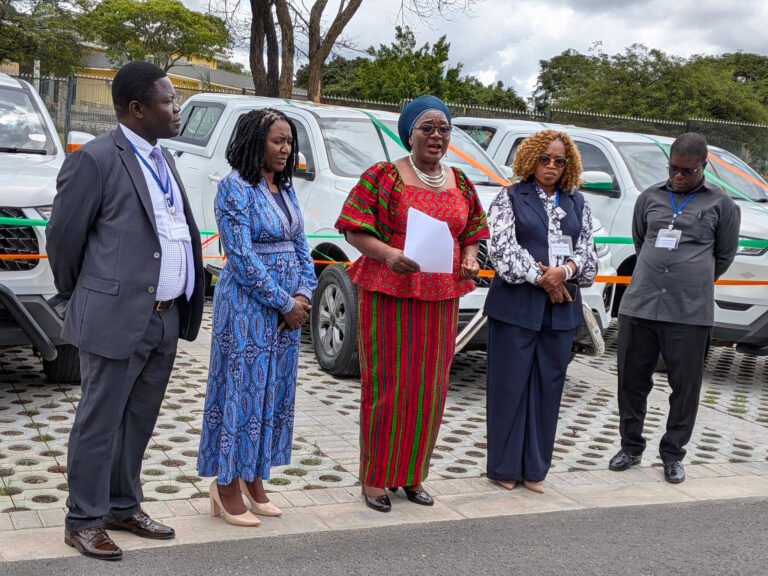
Minister of Labour and Social Security Brenda Tambatamba has urged provincial labour offices to step up company inspections and ensure that employers who violate labour laws are held accountable following the handover of four vehicles to strengthen operations.

Speaking during the handover ceremony, Tambatamba said there should be no excuses in enforcing compliance now that transport challenges affecting field operations are being addressed.

The four vehicles were officially presented to provincial labour offices in Southern, Central and Copperbelt provinces, with one vehicle also allocated to the Kaizen Institute of Zambia Limited.

Tambatamba noted that the Ministry of Labour and Social Security carries a mandate that directly impacts citizens’ daily lives through protecting workers, guiding employers and shaping workplaces that are safe, fair and productive.

“This mandate can only be effectively achieved if the ministry’s operational needs are addressed and staff are well motivated and operating at optimal levels. Provision of adequate transport therefore plays an important role in ensuring that service delivery is enhanced,” she said.

She acknowledged that inadequate transport had previously hampered inspections and other field operations, making it difficult for officers to effectively carry out their duties.

“Against this background, the ministry has prioritised the purchase of motor vehicles to enhance the operations of our field stations,” she said.

Tambatamba stressed that the vehicles must lead to tangible results on the ground.

“Go and inspect companies. Ensure that labour laws are followed and that perpetrators are brought to book. There must be no excuses,” she directed.

She added that as government improves physical mobility, it is also expanding digital access to services through platforms such as the Government Service Bus, the Citizen Service Support Portal, the Zambia Employment and Labour Management System (ZELMIS) and the Labour Market Information System (LMIS).

“These platforms represent a new era, one where distance is no longer a barrier and where every citizen, no matter where they live, can connect with the services they deserve,” she said.

Tambatamba further explained that allocating a vehicle to the Kaizen Institute of Zambia demonstrates government’s commitment to promoting productivity improvement services nationwide.

“As the ministry mandated to promote productivity, I am glad to inform you that one of the vehicles being handed over today is going to the Kaizen Institute of Zambia. This is a demonstration of our strong desire to ensure that productivity improvement services reach every part of the country,” she said.

She urged all recipients to use the vehicles responsibly and strictly for official duties.

Lusaka Eye Hospital launches eye vision Zambia project

0

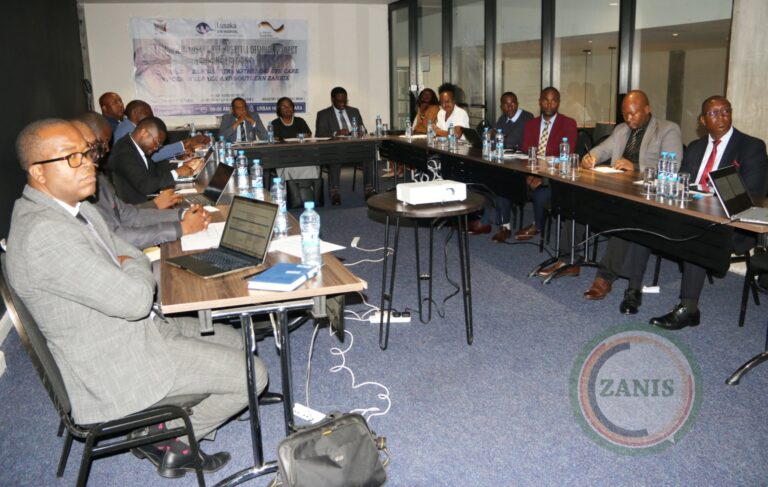
The Lusaka Eye Hospital (LEH), a Seventh – day Adventist Institution, has launched the Eye Vision Zambia Project with support from Christian Blind Mission (CBM).

The initiative aims to improve access to specialised eye care and strengthen the technical capacity of health professionals in Lusaka and Southern Provinces.

The media reports that speaking during the official launch, Ministry of Health National Eye Coordinator, Phyllis Moonga, who was represented by the Ministry’s Chief Eye Officer, Job Kasweshi, stated that the over 700, 000 – Euro – funded, four- year initiative, comes at a crucial time as Zambia continues to strengthen its health system.

Dr Moonga highlighted that training of eye health professionals, nurses, and community health workers in the two provinces will enhance early detection and referral of eye conditions.

“While improved coordination among stakeholders will ensure services are delivered efficiently and inclusively,” he added.

Dr Moonga has since commended the two institutions for their strong and strategic partnership, noting their commitment to improving eye care services in 15 districts across Lusaka and Southern Provinces.

He noted that this initiative demonstrates true alignment with the government’s priorities and the principles of Universal Health Coverage.

Christian Blind Mission (CBM) Country Director for Zambia and Malawi, Linda Nonde, disclosed that the project is meant to compliment the government’s efforts in making sure that no one is left behind in eye health care.

Dr Nonde revealed that the four-year German Federal Ministry for Economic Cooperation and Development funded project, also plans to build the capacity of approximately 675 primary health workers in 15 districts of Lusaka and the Southern Provinces.

Dr Nonde says a foundation is being laid through this project that will function beyond its completion.

“We are focusing on communities that are undeserved,” she said, as she reiterated her institution’s commitment to community engagement as well as public awareness through collaboration with district leaders, health teams as well as the media.

Lusaka Eye Hospital, Chief of Medical Staff, Willard Mumbi, highlighted that the hospital does not discriminate as it has a vast array of staff as well as patients they see, who not only hail from SDA but, Hindus, Muslims among others.

He notes that the patients come from far flung places around the country and beyond, disclosing that a sizable number of patients at the hospital come from Harare in Zimbabwe, Angola, Malawi, Botswana and Namibia.

Dr Mumbi adds that with the growth rate of people that the hospital sees, the health institution anticipates to see about 38, 000 patients this year.

Earlier in his welcoming remarks, Eye Hospital Chief Executive Officer and Project Director, Davelias Ng’ambi, explained why the Eye Vision Zambia Project will be implemented in Lusaka and Southern Zambia respectively.

Meanwhile, Southern Provincial Health Director, Dr Clive Banda, said the province remains committed to service delivery to the people through the project.

And, his counterpart, Lusaka Provincial Health Director, Dr Simulyamana Choonga, called for a joint planning and holistic supervision for easier implementation of the project.

The project, which was officially launched today, will run from 1st November, 2025 to 31st December, 2029.

‎Copper Queens make winning start at COSAFA ‎

3

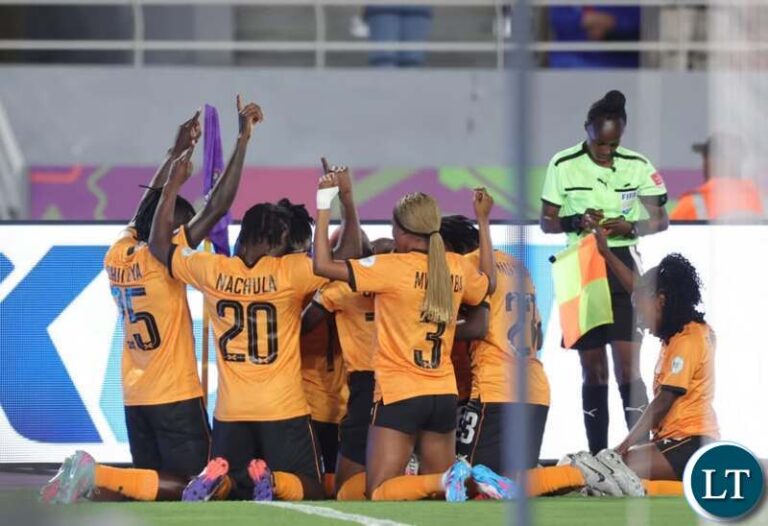
Copper Queens interim coach Charles Haalubono has demanded consistency from his side after defending champions Zambia made a winning start to the 2026 COSAFA Women’s Championship campaign.

‎Zambia on Thursday afternoon thumped Botswana 3-0 at Old Peter Mokaba Stadium in Polokwane in the two team’s opening Group B match.

‎Regina Chanda, Suzan Banda and Kabange Mupopo scored the goals.

‎In a post-match interview, Haalubono hailed Zambia’s victory over Botswana.

‎”Firstly, we planned to get maximum points in the first game to take control of the group. Winning has worked to our advantage,” he said.

‎”Secondly, the team has performed well. We are happy with the result and the play. We saw Botswana well organised in defense, they were moving as a block so we used the wingers to penetrate,” Haalubono said.

‎The coach indicated that Zambia are using the regional championship to prepare for the upcoming Women’s Africa Cup.

‎”We have to continue pushing the girls because this COSAFA Cup is helping us to prepare the team for WAFCON.It is important to maintain the momentum and keep on getting Maximum points,” Haalubono said.

‎Enelesi Phiri was voted player of the match.

‎Meanwhile, Zimbabwe beat Eswatini 2-0 in the opening Group B match in Polokwane.

‎Zambia’s next match at the regional championship is against Zimbabwe on Sunday, February 22 at Seshego Stadium to kick-off at 15h00.

Zambia government says legal steps underway to repatriate Edgar Lungu’s body.

14

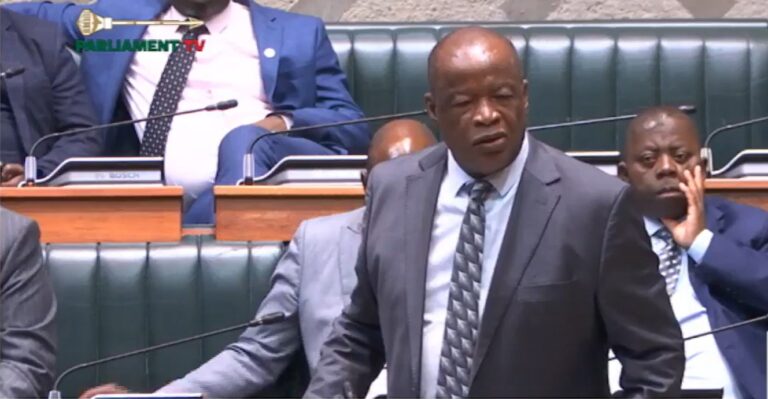
Government has maintained that it remains committed to bringing the body of late former President Edgar Lungu back to Zambia for burial, with Home Affairs Minister Jack Mwiimbu telling Parliament that disagreements with the family over procedures are the main reason the process has stalled.

Speaking during a parliamentary session, Mwiimbu said authorities had made several attempts to engage the family and facilitate the return of the body. He stated that emissaries were sent to South Africa to hold discussions aimed at ensuring that Lungu receives a dignified funeral in his homeland. According to the minister, government turned to legal action only after negotiations failed to reach consensus.

Mwiimbu told lawmakers that the administration has consistently expressed a desire to repatriate the remains, adding that the delays were linked to demands raised by the family regarding burial arrangements. He said government’s position is to act on behalf of the Zambian people by ensuring the former head of state is buried in Zambia.

The minister also addressed allegations surrounding the circumstances of Lungu’s death, stating that claims of poisoning were not initiated by government. He said the assertions were made by opposition figures and that such allegations prompted law enforcement processes in South Africa. Mwiimbu indicated that once claims of poisoning entered the public domain, authorities had an obligation to allow investigative procedures to take their course.

Developments in South Africa have drawn increased attention after reports emerged that local authorities sought further verification relating to the body. The matter has added a legal dimension to what was initially presented as a family dispute over funeral arrangements. While officials have not provided detailed public updates on every procedural step, the situation has placed the burial process within a broader legal framework involving both countries.

Government has continued to stress that its intention is to provide a dignified funeral that reflects Lungu’s status as a former head of state. Mwiimbu told Parliament that the administration has “nothing to hide” and remains open to resolving the matter through lawful means. He argued that prolonged disagreements have allowed political narratives to overshadow what he described as a national responsibility.

The burial issue has generated strong public interest, with many citizens calling for clarity about the timeline and conditions surrounding the repatriation of the body. The dispute has also raised questions about how state protocol interacts with family wishes when a former president dies outside the country.

Officials have emphasised that engagement with the family remains ongoing, despite legal proceedings. Government representatives have reiterated that dialogue remains the preferred route toward resolving outstanding concerns, though court processes have now become part of the effort to conclude the matter.

The situation marks one of the most sensitive political moments since Lungu’s passing, as grief, legal considerations and political tension intersect. Parliamentary exchanges around the issue reflect the weight placed on ensuring a respectful conclusion while addressing competing narratives about responsibility for the delay.

For now, the repatriation of Lungu’s remains remains subject to ongoing legal and diplomatic processes. Government maintains that its objective is to bring the former president home and conclude the burial in a manner it says honours both national tradition and constitutional duty.

Gift Sialubalo Urges New Kasama Mayor to Put People First

2

Minister of Local Government and Rural Development Gift Sialubalo has advised newly elected Kasama Mayor Bywell Simposya to prioritise service delivery and the needs of residents as he assumes office.

Speaking during Simposya’s installation ceremony at the Civic Centre in Kasama, Sialubalo urged the civic leader to accelerate the provision of municipal services and ensure the local authority remains responsive, accountable and people-centred.

“You have since been sworn into office, and today marks your official installation ceremony. This is not merely a ceremonial event; it is a call to responsibility and service. The citizens of Kasama have chosen you to serve them diligently, transparently and selflessly,” Sialubalo said.

The Minister further advised Simposya to align his leadership with Government’s national development agenda, particularly through effective utilisation of the Constituency Development Fund (CDF) to drive grassroots development.

He emphasised that leadership is about service delivery rather than status, noting that residents expect visible improvements in their daily lives.

“The people of Kasama deserve better services, improved infrastructure and enhanced opportunities. Through the enhanced CDF, we expect improved road networks, expanded school infrastructure, empowerment programmes for youths and women, and strengthened local economic activities,” he stated.

Meanwhile, Simposya pledged to provide inclusive and visionary leadership aimed at transforming livelihoods in Kasama.

He committed to improving access to clean and safe drinking water, quality healthcare and education services, especially in rural parts of the district.

Simposya was elected on January 29, 2026, in a by-election prompted by the death of former mayor Theresa Kolala in December 2025.

The installation ceremony was attended by senior Government officials, representatives of traditional leadership, council officials and members of the public.

Elias Mubanga Served Four Years as Zambia’s First SME Minister

2

Fifty-nine-year-old Elias Mubanga served as Minister of Small and Medium Enterprise Development for four years and five months, from September 2021 until his dismissal yesterday by President Hakainde Hichilema.

Mubanga was a nominated Member of Parliament and had served both in Cabinet and in Parliament throughout his tenure.

He made history as the first individual to head the Ministry of Small and Medium Enterprise Development, a portfolio created by President Hichilema in September 2021 following the formation of government.

During his time in office, Mubanga oversaw the establishment and operationalisation of the ministry, which was set up to support and formalise small and medium enterprises as part of broader economic empowerment and job creation efforts.