Kwacha rebound and value-addition agenda highlight Zambia’s shifting economic strategy
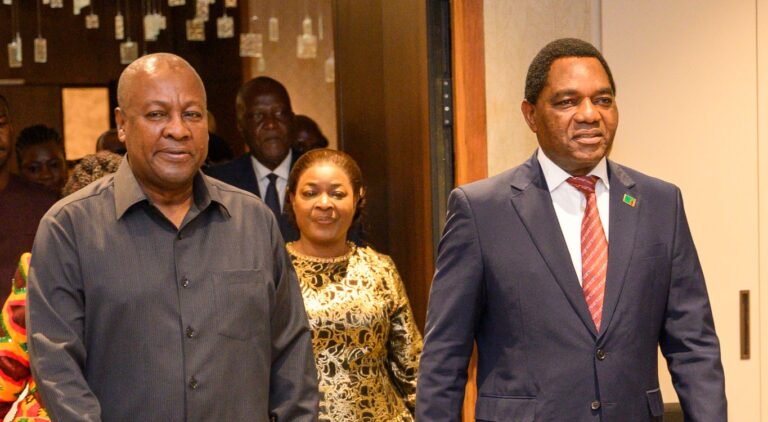
Zambia’s economic narrative has entered a new phase, with the strengthening kwacha and renewed focus on value addition emerging as central pillars of government policy. President Hakainde Hichilema has used recent engagements to underline the importance of disciplined economic reforms, arguing that long-term stability depends on transforming production and strengthening investor confidence.
The local currency’s rebound to around K18 against the dollar has been interpreted by policymakers as evidence that fiscal reforms and international cooperation are beginning to deliver measurable results. Economic planners say the appreciation reflects a combination of debt restructuring progress, improved export performance and cautious public spending. While officials acknowledge that currency movements remain sensitive to global market conditions, they insist that underlying policy changes are laying a more sustainable foundation.
Speaking during economic discussions tied to mining sector development, Hichilema emphasised that Zambia cannot rely solely on exporting raw materials. He argued that value addition must become a central objective if the country hopes to build resilience and create long-term employment opportunities. According to the President, moving beyond raw copper exports toward processed products will allow Zambia to capture greater economic benefit from its natural resources.
The mining transformation agenda has gained momentum through international engagements, including financing discussions connected to industry gatherings abroad. Delegations representing Zambia’s financial and industrial institutions have presented new funding models aimed at supporting expansion and innovation across the sector. Officials believe these initiatives will strengthen partnerships with investors seeking stable policy environments.
Economic messaging from government has also highlighted the role of private sector participation. Investment announcements tied to agricultural and industrial restructuring have been framed as signs that international stakeholders are responding positively to Zambia’s reform trajectory. Policy advisers say clarity around regulation and long-term planning has become a key factor in restoring investor confidence.
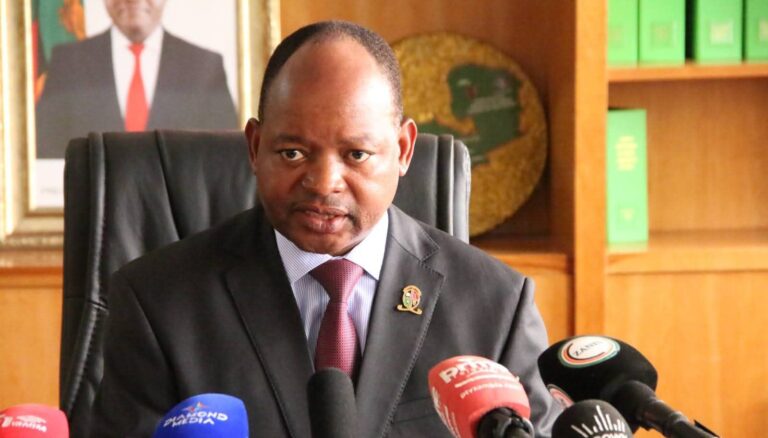
Information Minister Cornelius Mweetwa has defended the administration’s economic approach, stating that growth must be measured over years rather than months. He told journalists that currency fluctuations alone do not define economic health, emphasising that structural reforms remain the primary focus. According to Mweetwa, stable fundamentals will ultimately provide stronger protection against external shocks.
The kwacha’s recent performance has drawn attention from business leaders who say exchange rate stability helps reduce uncertainty in procurement and investment planning. Manufacturing firms have indicated that predictable currency trends allow companies to manage costs more effectively, particularly in sectors dependent on imported equipment or raw materials.
Meanwhile, debates around energy supply and infrastructure continue to intersect with economic planning. Authorities argue that reliable electricity remains essential for mining expansion and industrial growth, linking power sector reforms to the broader economic vision. Investments in digital innovation and mechanisation are also being promoted as part of a strategy to increase productivity and diversify the economy.
Critics of the current policy direction have raised concerns about the pace of reform, questioning whether the benefits of currency appreciation are being felt evenly across communities. Some civic voices argue that economic messaging must be accompanied by visible improvements in livelihoods, including job creation and support for small businesses. Government officials respond that structural changes often take time before producing widespread results.
Despite differing perspectives, the overall narrative suggests a shift toward disciplined economic management. Leaders continue to emphasise the importance of maintaining investor trust while strengthening domestic industries. Analysts say the focus on value addition represents a significant departure from earlier reliance on raw exports, signalling a more ambitious approach to economic transformation.
In navigating its next stage of development journey, the relationship between currency stability, mining reform and investment confidence will remain under close scrutiny. The government’s ability to balance growth ambitions with social expectations could determine how the current economic momentum evolves in the months ahead.