By venus N Msyani
Zambia’s electoral laws are intentionally flexible: they allow candidates to run under a political party or stand as independents. This flexibility is meant to broaden participation and strengthen democracy.
However, it also creates internal tensions within political parties during an election year. When candidates lose primary elections, many choose to run as independents, which can weaken party unity and complicate campaign strategies.
For this reason, the United Party for National Development (UPND) leadership has repeatedly warned members that anyone who decides to stand as an independent after failing to secure party adoption will not be allowed to remain in the party. In April, the party went further, announcing that such individuals would automatically lose their membership.
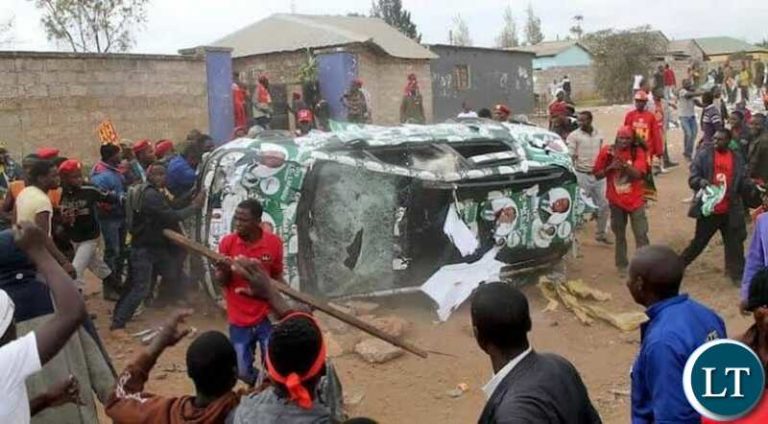
Despite these warnings, several aspiring candidates who were not adopted have chosen to run independently. Their decisions have reportedly been met with intimidation, threats, and in some cases physical confrontations, according to videos and accounts circulating online.
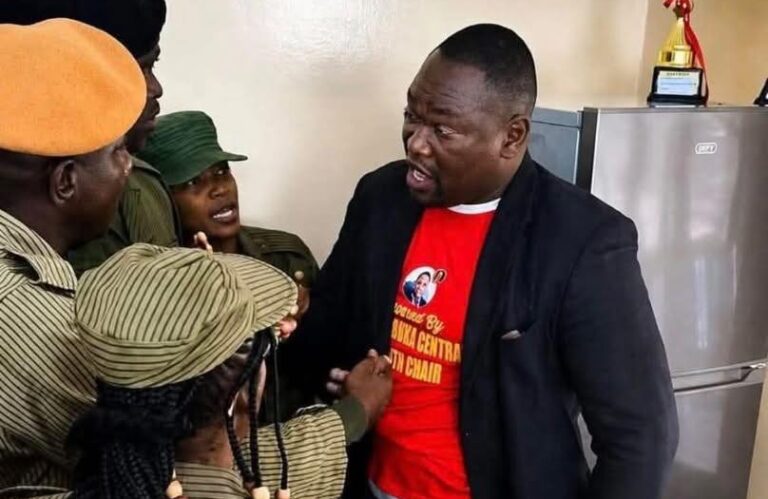
One of the most prominent incidents involves former Minister of Local Government Gary Nkombo. Footage shared on social media appears to show a group attempting to block him from filing his nomination papers at the Mazabuka nomination center.
Although he eventually succeeded, Nkombo later shared images of himself receiving medical treatment, alleging that he had been assaulted during the confrontation. The incident has drawn widespread attention, particularly because it reportedly occurred in the presence of police officers.
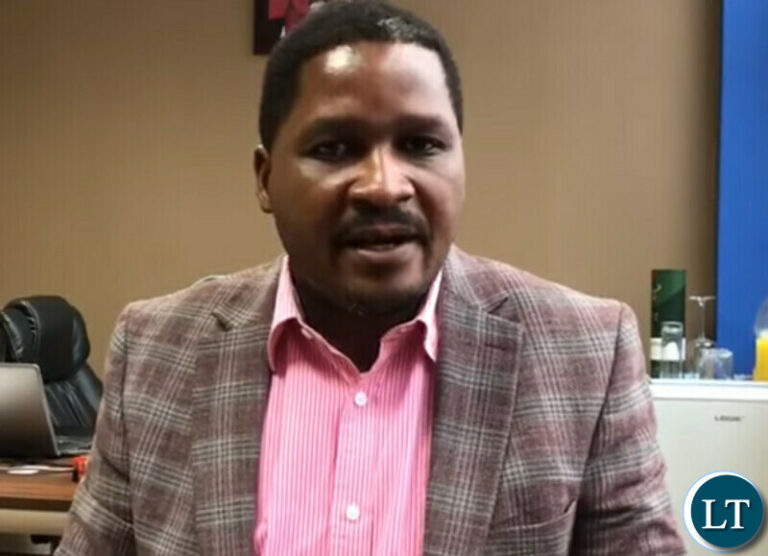
In Bweengwa Constituency, the home area of President Hichilema, independent candidate Clifford Mwiinga managed to file his nomination but later appeared in a video expressing fear for his safety.
He stated that he had gone into hiding immediately after filing to avoid potential harm from suspected cadres. His remarks highlight the climate of fear that some independent candidates say they are experiencing.
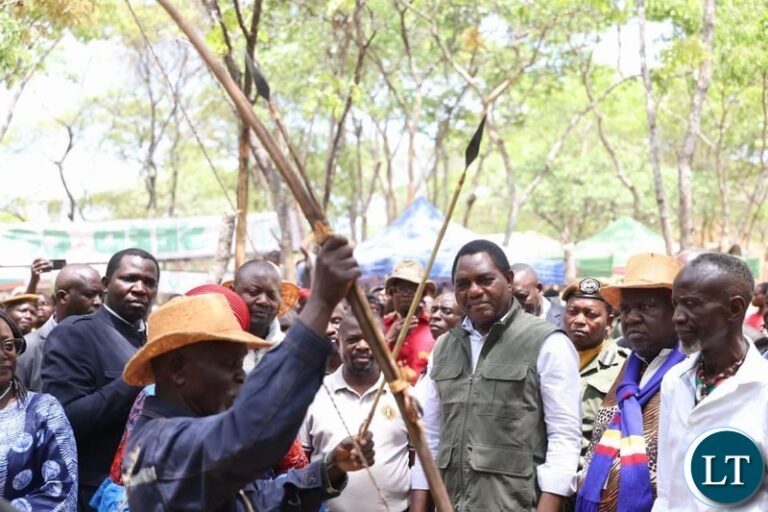
Another video circulating online appears to show an individual being harassed at a traditional ceremony in the province. According to descriptions accompanying the footage, the person is Magoye West independent aspiring MP Nsubula Hachipabeenda.
Reports indicate that Hachipabeenda won the primary election but was not adopted by the party, prompting him to run as an independent. He has alleged that some cadres have distanced themselves from him and that he has faced hostility since declaring his independent bid.
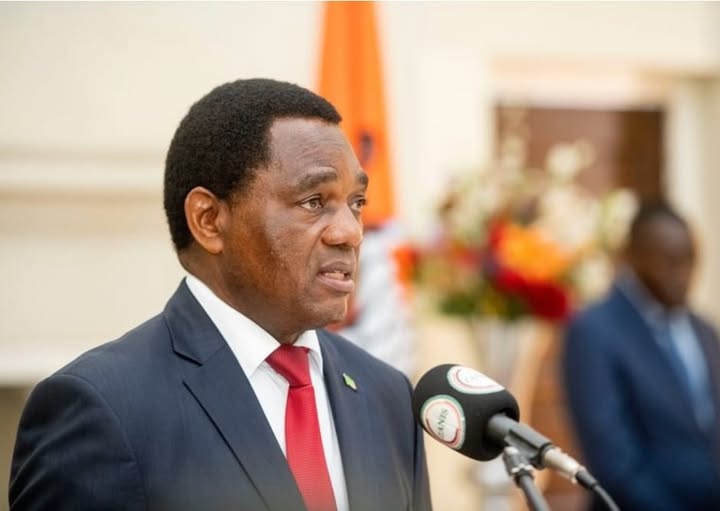
These incidents risk undermining one of the administration’s most celebrated achievements: the reduction of cadre violence. When President Hichilema assumed office in August 2021, he declared an end to cadreism, a move widely welcomed by the public.
While isolated reports of cadre activity have surfaced over the past four years, many observers still credit his administration with significantly reducing such incidents compared to the previous government. However, the allegations involving independent candidates threaten to overshadow that progress.
Meanwhile, UPND has secured several parliamentary and local government seats unopposed, with Southern Province leading. Among them are Choma South, Kalomo South, Zambezi West, Kazungula North, Sinazongwe, and Monze East.
Independent candidates for Keembe West Constituency in Central Province and for Liuwa Constituency in Kalabo District in Western Province have also withdrawn, according to reports. Both leave UPND candidates unopposed.
The list continues to grow, though some may still appear on the ballot. Critics claim the window for withdrawal has already expired. It is also being speculated that some candidates are being offered money to withdraw from the race.
Withdrawals may appear to be a political advantage for UPND, but they raise broader concerns about the health of the country’s democratic space. In a context where allegations of intimidation are circulating, some observers may question whether potential independent candidates chose not to run out of fear rather than lack of interest.
If the goal is to strengthen democracy, then political competition must be free, fair, and safe for all participants. The reports emerging from Southern Province suggest that more work may be needed to ensure that every candidate, whether party-aligned or independent, can participate without fear of violence or intimidation.
If independent candidates can’t run freely, democracy is at risk.