Tuesday, June 9, 2026
13.4 C
Lusaka
Home Blog Page 205

Police, Fire Brigade Retrieve Decomposed Body in Lundazi

0

A joint team of Police and Fire Brigade officers in Lundazi district has recovered the decomposed body of an unidentified man, believed to have been swept away by strong currents in a stream between Masitala and Masavula villages, within the Mwase chiefdom.

The exact date of the suspected drowning remains unknown.

However, the naked body of the male victim was discovered floating face down on December 21, 2025 around 11:00 hours in the stream whose source is in Jenda, Malawi.

Mwase Police Post received the report on December 21, 2025 around 15:00 hours through Yohane Ngoma 47, who is also Masitala village headman, who indicated that his subject, Blessings Nyirongo, 21, discovered a floating body in the stream.

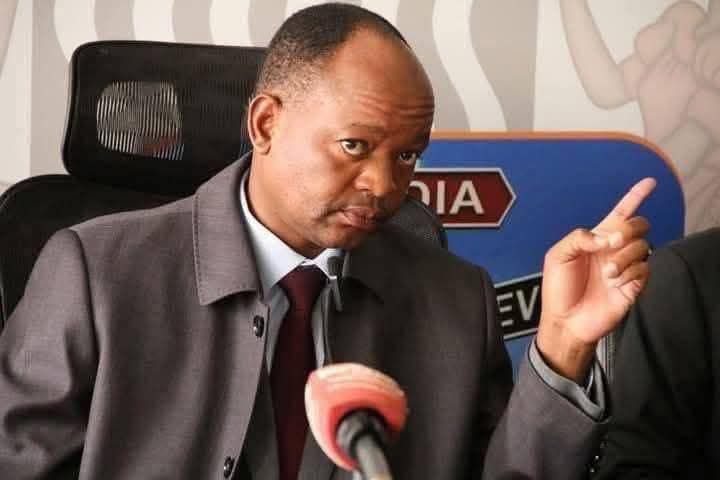
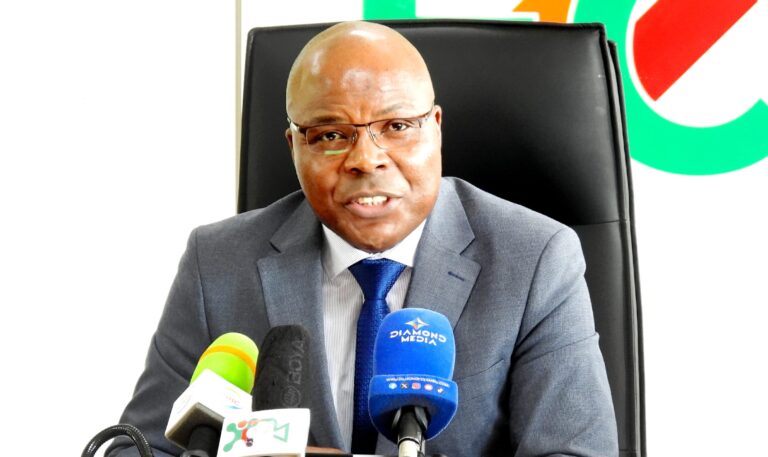
Eastern Province Commissioner of Police, Robertson Mweemba has confirmed the report.

And a combined team of Police and fire fighters who visited the scene found the body of a man, believed to be between the ages of 35 and 45.

The team retrieved the body which was in a decomposed state had no signs of physical injuries.

Residents of both neighbouring Masitala and Masavula villages could not identify the body of the man.

In consultation with headmen from both villages, it was decided that the body be buried and grave be marked for possible exhumation and postmortem examination.

The body has since been buried on site.

Aid Must Not Be Used as Leverage, Zambia Warns

20
Aid Must Not Be Used as Leverage, Zambia Warns

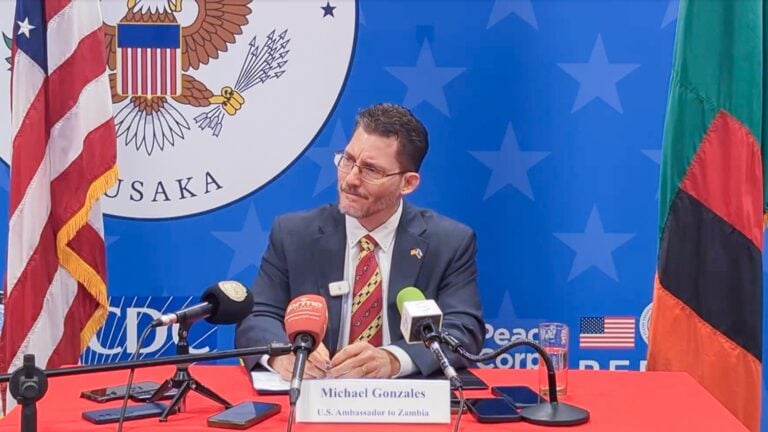
Government has defended Zambia’s sovereign right to determine its economic and mining policies following remarks attributed to Ambassador Gonzales, arguing that development assistance should not be conflated with trade interests or used as leverage to influence national decision-making.

According to reports carried in the Times of Zambia and supported by commentary emerging in other publications, officials expressed concern that linking aid to commercial or geopolitical interests risks undermining the principle of partnership on which development cooperation is founded. They stressed that Zambia welcomes cooperation with all international partners, provided such engagement is conducted on the basis of mutual respect and non-interference.

Government sources emphasised that aid is intended to support social development, poverty reduction, and institutional capacity building, not to serve as a tool for exerting pressure over policy choices. They said attempts to frame development assistance as conditional upon alignment with specific trade or mining interests distort the purpose of aid and weaken trust between partners.

Zambia’s mining sector, which attracts investment from a range of international players, operates under national laws designed to balance economic growth, environmental protection, and community welfare. Authorities said decisions relating to the sector are guided by domestic policy objectives and legal frameworks, not external pressure.

Officials also reiterated that Zambia maintains diversified international partnerships and values constructive engagement with all countries. They said the government’s approach is anchored in transparency, fairness, and the pursuit of national development goals that benefit citizens broadly.

The response comes amid heightened global debate over resource governance and the role of external actors in developing economies. Government representatives stressed that Zambia remains committed to responsible mining practices and to engaging partners who respect national sovereignty.

They further noted that Zambia’s recent economic reforms and debt restructuring efforts reflect a commitment to restoring macroeconomic stability and creating an environment conducive to sustainable investment. These reforms, they said, should not be undermined by conditional approaches that blur the line between aid and trade.

Analysts note that maintaining a clear distinction between development cooperation and commercial negotiation is critical to preserving trust in international partnerships. They argue that aid effectiveness depends on respecting recipient countries’ policy autonomy.

Government said it will continue engaging diplomatically to clarify its position and ensure that international cooperation supports, rather than constrains, Zambia’s development agenda.

HH Calls on Church to Remain Moral Anchor for the Nation

0

HH Calls on Church to Remain Moral Anchor for the Nation

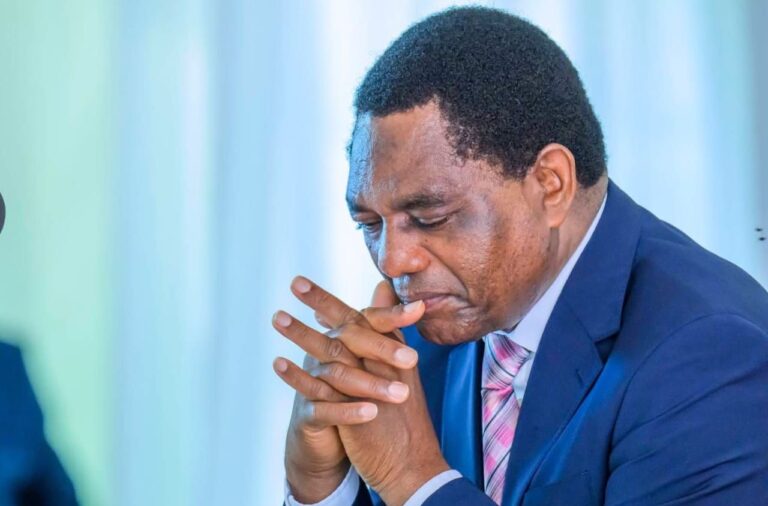
President Hakainde Hichilema has called on the Church to remain a strong moral pillar for the nation, emphasising its continued importance in promoting unity, peace, and ethical leadership as Zambia navigates complex social and economic challenges.

Speaking during an engagement with church leaders, the President acknowledged the historical and ongoing role of faith-based institutions in shaping national values and fostering social cohesion. He said the Church occupies a unique position of trust and influence, making it an indispensable partner in national development and governance.

The President said Zambia’s progress depends not only on economic policies and institutional reforms but also on moral guidance that reinforces accountability, compassion, and respect for the rule of law. He urged church leaders to continue providing constructive guidance to both citizens and those in public office.

He further noted that the Church has often played a stabilising role during periods of political transition and social tension. By offering platforms for dialogue and reconciliation, faith leaders have helped defuse conflict and promote peaceful coexistence, reinforcing Zambia’s democratic traditions.

The President reaffirmed government’s respect for the independence of the Church, stating that its prophetic voice remains essential in holding leaders accountable while also encouraging national unity. He said constructive engagement between government and faith-based organisations strengthens governance outcomes when conducted in mutual respect.

The appeal comes at a time when the country is undergoing institutional reforms and economic recovery efforts. Government has been engaging various stakeholders, including civil society and traditional leaders, to ensure that reforms are inclusive and responsive to citizens’ concerns.

Church leaders present at the engagement acknowledged the President’s remarks and reiterated their commitment to national unity and social justice. They emphasised the importance of maintaining moral integrity and promoting peaceful dialogue, particularly during periods of political contestation.

Observers note that sustained collaboration between government and faith-based institutions has historically contributed to Zambia’s relative stability. The Church’s role in civic education, conflict resolution, and social welfare continues to complement government efforts, particularly in underserved communities.

The President encouraged faith leaders to continue supporting initiatives that uplift vulnerable groups and promote ethical leadership among the youth. He said investment in values-based leadership is essential for long-term national development.

Government has maintained that partnerships with non-state actors are key to addressing complex social challenges. Faith-based institutions remain among the most extensive grassroots networks in the country, providing critical social services and moral guidance.

The engagement concluded with a call for continued dialogue and cooperation, underscoring the shared responsibility of government and the Church in fostering a stable, inclusive, and values-driven society.

Govt Expands Fertiliser Distribution as 2025–2026 Farming Season Nears

Govt Expands Fertiliser Distribution as 2025–2026 Farming Season Nears

Government has intensified the nationwide distribution of farming inputs under the Farmer Input Support Programme (FISP), as preparations for the 2025–2026 farming season enter a decisive phase. The move is aimed at ensuring small-scale farmers receive fertiliser and seed on time to support national food security objectives.

According to reports carried in the Times of Zambia, the roll-out of inputs is progressing across districts, with logistics and monitoring mechanisms activated to minimise delays and address challenges that have previously affected delivery schedules. Authorities say lessons drawn from earlier seasons have informed adjustments in procurement, transportation, and distribution processes.

The programme remains a central pillar of government’s agricultural policy, targeting vulnerable but viable farmers who form the backbone of Zambia’s food production system. Officials say timely access to fertiliser and seed is critical to improving yields, stabilising food supply, and cushioning rural households against economic shocks.

Government sources indicate that coordination with suppliers and transporters has been strengthened to avoid bottlenecks, while district-level structures have been mobilised to oversee last-mile delivery. The objective is to ensure that inputs reach farmers before the onset of the planting window, allowing full utilisation during the rainy season.

The Ministry of Agriculture has repeatedly stated that agriculture remains a priority sector for economic diversification. By supporting small-scale farmers, the programme is expected to contribute not only to food availability but also to income generation and rural employment.

FISP has undergone several reforms in recent years, including adjustments to targeting criteria and digital systems aimed at improving transparency and efficiency. These reforms are intended to reduce leakages, ensure genuine farmers benefit, and enhance accountability throughout the supply chain.

Officials say the current phase of distribution reflects the cumulative impact of those reforms, with improved tracking and verification mechanisms in place. District agriculture offices are working alongside traditional leaders and cooperatives to verify beneficiary lists and monitor distribution points.

The programme’s scale remains significant, covering thousands of farmers across all provinces. Its success, authorities say, will directly influence maize output and the performance of other strategic crops during the upcoming season.

Beyond immediate production goals, the fertiliser roll-out is also linked to broader national development objectives. Agriculture continues to be viewed as a stabilising force in the economy, particularly in rural areas where alternative sources of income remain limited.

Government has urged farmers to prepare their fields early and engage with extension officers to maximise the benefits of the inputs provided. Extension services are expected to play a complementary role by promoting good agronomic practices and climate-smart farming techniques.

While acknowledging ongoing challenges such as rising input costs and climate variability, authorities maintain that sustained investment in agriculture is essential for long-term resilience. They say strengthening food production reduces exposure to external shocks and contributes to macroeconomic stability.

As distribution continues, government has called for cooperation from all stakeholders, including transporters, cooperatives, and beneficiaries, to ensure smooth implementation. Monitoring teams are expected to remain active throughout the process to address emerging issues promptly.

The fertiliser roll-out is expected to continue over the coming weeks, with officials expressing confidence that most farmers will receive inputs within the required timeframe.

Former Bank Employee Awarded Damages Over Unsolicited Phone Messages

0

A former employee of the National Savings and Credit Bank (NATSAVE) has been awarded damages by the Lusaka High Court after successfully suing the bank for continuing to send him unsolicited text messages following the termination of his employment.

The banker had been employed by NATSAVE as a Treasury Manager. During his tenure, the bank used his personal mobile phone number to register and operate a bank account with Indo Zambia Bank. As a result, all authorization and transaction-related messages from Indo Zambia Bank were sent to his personal phone.

In 2023, the banker’s contract came to an end and he left the institution. Upon his exit, he formally notified NATSAVE and requested that his phone number be removed from all signatory and authorization arrangements with Indo Zambia Bank.

Despite this notification, months passed and the former employee continued to receive bank-related messages on his phone. He wrote to NATSAVE complaining that the messages were unwanted and disruptive, and again requested that his phone number be removed from the bank’s records. The bank, however, did not act on his request.

As a result, the former banker sued NATSAVE in the Lusaka High Court for trespass to his phone and sought K1.5 million in damages. During the proceedings, the bank did not call any witnesses but instead raised a point of law, arguing that trespass could only apply to land or physical property (chattels) and not to messages sent to a phone.

After hearing submissions from both parties, the Court noted that the matter was novel, as trespass claims had traditionally related to land or physical interference with property. However, the Court held that a valid claim should not fail solely because there was no physical damage or direct physical interference.

NGOCC Urged to Join Campaign for President Hichilema – Mweetwa

2

Chief Government Spokesperson Cornelius Mweetwa has called on the Non-Governmental Gender Organisations’ Coordinating Council (NGOCC) to set aside their current activities and join University of Zambia (UNZA) students in campaigning for President Hakainde Hichilema ahead of next year’s general election.

Mr. Mweetwa said President Hichilema has demonstrated commitment to addressing the leadership concerns of women and youths by enacting Bill 7 into law, a development he noted will increase the participation of women and young people in decision-making processes.

“That NGOCC should leave what they are doing and join the campaign, join Commander Kwishiba, join the students in campaigning for President HH, because he is a man who has not come for politics but missionary work,” Mr. Mweetwa said.

Appearing on a tv  Interview, the Chief Government Spokesperson, who is also Minister of Information and Media, stated that the UPND was fully prepared for the upcoming general election and expressed confidence that President Hichilema would secure a stronger landslide victory.

“If elections were called tomorrow, President HH is going to win, I think with a landslide bigger than the last one,” he said.

Mr. Mweetwa further stated that the country requires a stronger opposition to provide effective checks and balances to the current administration.

Meanwhile, the minister said the government would not entertain calls for by-elections, as suggested by PF faction president Given Lubinda following the expulsion of some Members of Parliament.

He explained that the affected MPs had not broken any law and that, in his capacity as Chief Government Spokesperson, he was obligated to defend the National Assembly.

“We are not going to any by-elections. We are a government of laws, not a government of men and women. Those emotional utterances by Given Lubinda are mere political air. Those expulsions are null and void. It was a sheer waste of time. It was simple politicking,” he said.

Mr. Mweetwa added that his role required him to protect all arms of government when they are under threat.

“I’m Chief Government Spokesperson for the Republic of Zambia. I’m also a minister. Those are two positions. What is government? Government is Parliament, the Executive, and the Judiciary. So when Parliament is being interfered with, it is my duty as Chief Government Spokesperson to come to the defense of one of the arms of government. There is nothing like interfering with PF,” he said.

Lawyer Condemns Extension of Munir Zulu’s Detention

5

Lawyer Condemns Extension of Munir Zulu’s Detention
The continued detention of Lumezi Member of Parliament Munir Zulu has drawn sharp criticism from his legal representative, who has described the decision to hold him for an additional 60 days despite remission having been granted as unlawful and punitive.

Lawyer Joseph Chirwa said the MP had satisfied the legal requirements for remission and should have been released in accordance with established correctional procedures. He argued that the extension of custody undermines the rule of law and raises serious constitutional questions about respect for judicial authority and personal liberty.

He said remission is governed by statute and administrative regulations and is not a discretionary favour once eligibility has been met. In his view, failure to implement a lawful remission decision without transparent justification amounts to arbitrary detention and exposes the State to legal challenge.

The prolonged incarceration has intensified public scrutiny, particularly because the detainee is a serving Member of Parliament who has been vocal on governance matters. The case has therefore attracted wider attention beyond its legal merits, feeding into broader debates about institutional independence and equal application of the law.

The lawyer warned that allowing administrative authorities to override remission decisions sets a dangerous precedent. He said such actions risk eroding public confidence in the justice system and weaken the constitutional principle that court decisions must be respected and implemented.

Concerns were also raised about the perception that the continued detention may be punitive rather than corrective. Under Zambia’s legal framework, incarceration is meant to serve clearly defined purposes, and deviation from those principles, he argued, undermines both legality and legitimacy.

He further stressed that personal liberty is a constitutional right and that any restriction must be grounded strictly in law and due process. Where these safeguards are not observed, he said, the justice system itself becomes vulnerable to accusations of selective enforcement.

The matter has unfolded against the backdrop of heightened political tension following the enactment of Constitution Amendment Bill No. 7. Several legal and political disputes have emerged during this period, prompting closer examination of how institutions exercise their powers, particularly in politically sensitive cases.

Legal observers note that the case has broader implications for the separation of powers, especially where executive or administrative actions appear to conflict with judicial outcomes. The handling of remission decisions, they argue, is a litmus test for institutional discipline and respect for constitutional boundaries.

The legal team has indicated that available remedies may be pursued if the situation is not resolved within the confines of the law. While no formal court action has yet been announced, the possibility remains open should the continued detention persist without lawful explanation.

The case has also reignited debate over the treatment of politically exposed persons within the criminal justice system. Critics warn that inconsistency in applying legal safeguards risks normalising arbitrary detention, while supporters of strict enforcement maintain that all procedures must be followed carefully.

The lawyer maintained that the strength of Zambia’s legal system lies in its willingness to uphold rights and procedures consistently, even in controversial cases. He warned that failure to do so could deepen scepticism about institutional independence and weaken public trust in the administration of justice.

Lubinda Accused of Weakening Party Cohesion

The decision by Patriotic Front (PF) acting president Given Lubinda to expel Members of Parliament who supported Constitution Amendment Bill No. 7 has drawn criticism from within the opposition ranks, with party member and legal practitioner Brian Nyirenda describing the move as evidence of failed leadership and deepening disunity.

Nyirenda said the expulsions demonstrated an inability to manage internal disagreement through dialogue and consensus-building, particularly at a time when the party is grappling with unresolved leadership disputes and declining cohesion. In his assessment, the decision has compounded existing fractures within the former ruling party rather than restoring discipline.

He argued that political parties are broad-based institutions that must accommodate divergent views, especially on matters of national importance such as constitutional amendments. Expelling MPs for voting according to conscience or interpretation of national interest, he said, risks reducing the party to a narrow faction rather than a viable alternative government.

The expulsions followed the passage of Bill 7 in the National Assembly, a vote that split opposition ranks and triggered sharp reactions within PF structures. Several MPs who supported the Bill were labelled rebels by party leadership and subsequently expelled, a move that has since sparked legal, political, and procedural debate.

Nyirenda said the expulsions ignored the complex legal and political environment surrounding PF’s leadership. With ongoing disputes over who holds legitimate authority within the party, he said decisions of such magnitude are likely to be contested and may lack enforceability.

He noted that party discipline must be exercised within a clear constitutional and organisational framework. Where leadership legitimacy is contested, he said, punitive measures risk being viewed as selective or politically motivated rather than corrective.

The criticism adds to broader concerns about PF’s ability to regroup after losing power. Analysts and party insiders have observed that internal divisions, leadership wrangles, and inconsistent messaging have weakened the party’s capacity to present a coherent opposition platform.

Nyirenda said the expulsions have also had unintended political consequences. By pushing out sitting MPs, he argued, the party risks shrinking its parliamentary footprint and surrendering political ground at a time when strategic rebuilding is required.

He further warned that the move could discourage internal debate and stifle dissenting voices, creating a culture of fear rather than accountability. Healthy political parties, he said, thrive on debate and internal democracy, particularly when navigating contentious national issues.

Supporters of the expulsions have defended the decision as necessary to enforce party discipline and uphold collective positions. They argue that allowing MPs to defy party resolutions weakens organisational coherence and confuses the electorate.

However, critics counter that discipline imposed without legitimacy or broad consultation can accelerate fragmentation. They point to the absence of a unified leadership structure and unresolved court matters as factors that complicate enforcement of disciplinary decisions.

The controversy has unfolded against a broader backdrop of political realignment following the enactment of Bill 7. Several expelled MPs have been publicly welcomed by the ruling party, further intensifying perceptions that the expulsions may have strengthened rivals rather than consolidating opposition ranks.

Nyirenda said the PF faces a critical choice between introspection and continued internal conflict. In his view, rebuilding credibility requires inclusive leadership, transparent decision-making, and a willingness to accommodate differing views within the party’s constitutional framework.

He maintained that expelling MPs at a time of organisational weakness sends the wrong signal to supporters and undermines efforts to restore unity. Without a coherent strategy for reconciliation, he warned, the party risks further marginalisation ahead of future electoral contests.

ECZ Dismisses Rigging Claims, Says Electoral System Is Secure

1

ECZ Dismisses Rigging Claims, Says Electoral System Is Secure
The Electoral Commission of Zambia (ECZ) has rejected claims that elections in the country can be rigged, saying the existing electoral framework contains multiple safeguards that make manipulation of results impossible.

Responding to growing public debate and political claims questioning the credibility of electoral outcomes, the Commission said Zambia’s elections are conducted through a transparent, multi-layered process involving political parties, observers, and independent verification mechanisms at every stage.

ECZ explained that the voting process begins with voter registration, which is subjected to public inspection and verification. Political parties and stakeholders are allowed to scrutinise the voters’ roll, lodge objections, and participate in verification exercises aimed at eliminating duplication or irregular entries.

On polling day, the Commission said voting takes place in the presence of party agents, election monitors, and observers accredited from both local and international organisations. Each polling station operates independently, with ballot papers accounted for before, during, and after voting, reducing opportunities for interference.

The Commission further noted that results are counted at the polling station immediately after voting closes, in full view of party agents and observers. Once counting is complete, results are recorded on official forms that are signed by polling officials and party representatives before being transmitted to the constituency tally centres.

According to ECZ, party agents receive copies of the results at the polling station, enabling political parties to independently compile and verify totals as results are announced. This parallel verification system, the Commission said, makes it difficult for results to be altered without detection.

The Commission said claims of rigging often overlook the cumulative effect of these safeguards, which include secure transportation of election materials, monitored storage, and reconciliation of ballots against voter turnout figures.

ECZ also addressed concerns around electronic systems, clarifying that while technology is used to enhance efficiency and transparency, it does not replace physical ballots or manual counting at polling stations. The Commission said this hybrid approach limits the risk of technological manipulation while improving administrative accuracy.

The assurances come amid heightened political tension following the enactment of Constitution Amendment Bill No. 7, which has intensified debate around electoral reforms, representation, and governance. Some opposition figures and activists have questioned whether future elections will reflect the will of the electorate, prompting the Commission to restate its mandate and operational independence.

ECZ emphasised that it operates as an independent constitutional body and does not take instructions from political parties or the Executive. It said its credibility depends on strict adherence to the law and transparent procedures that withstand scrutiny from all stakeholders.

The Commission acknowledged that public confidence in elections is critical to democratic stability and said it remains open to engagement with political parties, civil society, and the Church to address concerns and clarify misconceptions about electoral processes.

While defending the integrity of the system, ECZ encouraged political players to use established legal channels to challenge any perceived irregularities rather than undermining public trust through unsubstantiated claims. It said the courts remain the appropriate forum for resolving electoral disputes.

The Commission also pointed to Zambia’s history of peaceful transfers of power as evidence that the electoral system functions as intended. It said outcomes over the years have reflected voter choices across different political contexts, further reinforcing confidence in the process.

ECZ concluded by urging citizens to participate actively in electoral processes and to rely on verified information. It said maintaining confidence in elections is a shared responsibility that requires honesty, vigilance, and respect for democratic institutions.


Top 3 Responsible Betting Tips Every Zambian Bettor Should Know

0

by 1xBalance

Responsible betting is not about limiting enjoyment — it is about staying in control, making
informed decisions, and keeping betting a positive and balanced experience. In Zambia,
where sports enthusiasm continues to grow, education around responsible betting is
becoming more important than ever.

That is why 1xBalance by 1xBet exists — an educational platform designed to help bettors
understand the principles of smart, responsible play. Through the 1xBalance website and its
social media channels, the platform regularly shares practical advice, reminders, and tools
that support informed decision-making and long-term balance.
Below are three core principles promoted by 1xBalance that every bettor should keep in
mind.

1. Discipline Over Emotion

One of the biggest challenges in betting is managing emotions. Excitement, frustration, or
the desire to quickly recover losses often lead to impulsive decisions — and those decisions
rarely end well.
Responsible bettors prioritize discipline over emotion. This means setting clear limits on time
and budget, sticking to a plan, and avoiding bets driven by anger, excitement, or pressure.
Walking away at the right moment is just as important as knowing when to place a bet.
Through its educational content, 1xBalance by 1xBet regularly highlights the importance of
self-control and emotional awareness, helping bettors recognize risky behavior before it
becomes a problem.

2. Quality Over Quantity

Placing more bets does not mean increasing chances of success. In fact, betting too
frequently often leads to rushed decisions and higher risk. A responsible approach focuses on quality rather than quantity — carefully selecting bets,taking time to analyze, and avoiding unnecessary or random wagers. Fewer, well-considered decisions help maintain balance and reduce pressure. On its 1xBalance website and social media platforms 1xBet consistently reminds bettors that smart choices matter more than volume, encouraging thoughtful and selective play.

3. Track and Learn

Responsible betting is a learning process. Tracking bets, reviewing results, and
understanding patterns allow bettors to improve decision-making over time.
By analyzing what worked and what did not, bettors can identify habits, manage risks more
effectively, and develop a healthier approach to betting. Mistakes are not failures — they are opportunities to learn and grow.

The 1xBalance website by 1xBet offers guidance and educational materials that encourage
self-reflection and long-term learning, helping bettors stay informed and aware of their own
behavior.

1xBalance in Zambia: Education First

At its core, 1xBalance is about education, awareness, and support. The platform does not
promote excessive play or unrealistic expectations. Instead, it provides accessible
information that helps bettors stay balanced, informed, and responsible.

Alongside educational articles and social media content, the 1xBalance website also offers
practical tools such as a responsible betting calculator and a self-assessment test allowing
users to better understand their betting habits, evaluate risk levels, and reflect on their
approach to betting.

With regular updates on the 1xBalance website and educational posts across social media,
the initiative continues to build a culture of responsible betting based on discipline,
awareness, and informed choice.

Conclusion: Smart Betting Is Balanced Betting

Responsible betting is built on simple but powerful principles: discipline over emotion, quality
over quantity, and continuous learning. By following these guidelines, bettors can enjoy
sports responsibly while staying in control of their actions.
Through 1xBalance by 1xBet, bettors have access to reliable educational content that
supports smarter decisions and a healthier betting experience — proving that balanced
betting is always the best approach.

Follow 1xBet Zambia on social media and visit the 1xBalance website to stay informed, learn from expert guidance, and build healthier betting habits over time.

instagram.com/1xbet.zambia
facebook.com/zambia.1xbet
twitter.com/1xBet_Zambia

UNICEF Warns 1.8 Million Zambian Girls Married Before 18

About 1.8 million girls in Zambia are married before reaching the age of 18, according to data released by UNICEF, laying bare the scale of child marriage and its enduring social, health, and economic consequences across the country.

The figures show that nearly 28 percent of girls aged between 15 and 19 are already mothers or pregnant, a trend UNICEF links to poverty, school dropouts, harmful cultural practices, and weak enforcement of child protection laws. The agency said early marriage continues to deny girls access to education, healthcare, and opportunities for economic independence.

UNICEF noted that child marriage remains prevalent in several provinces, particularly in rural areas where households face persistent economic pressure and limited access to secondary education. In such settings, early marriage is often treated as a coping mechanism for families struggling to meet basic needs, despite its long-term harm to girls and communities.

Health risks associated with child marriage remain significant. UNICEF said girls who marry early are more likely to experience complications during pregnancy and childbirth, face higher risks of maternal mortality, and suffer long-term physical and mental health challenges. Early pregnancy, the agency warned, disrupts normal development and exposes young girls to lifelong health vulnerabilities.

The education impact is equally severe. Once married or pregnant, many girls drop out of school permanently, reducing their chances of acquiring skills necessary for meaningful participation in the economy. UNICEF said this entrenches cycles of poverty, as girls who leave school early are more likely to remain economically dependent and less able to support their own children in the future.

Despite Zambia having laws that prohibit marriage under the age of 18, UNICEF said enforcement remains inconsistent. The agency pointed to gaps in birth registration, weak community-level monitoring, and limited awareness of legal protections as factors allowing child marriage to persist. Traditional norms and social pressure, particularly in remote communities, continue to override statutory safeguards.

UNICEF stressed that ending child marriage requires coordinated action beyond legislation. The agency called for sustained investment in education, particularly for girls at secondary level, alongside social protection programmes that reduce economic pressure on vulnerable households. It also emphasised the importance of community engagement, including the involvement of traditional leaders, parents, and faith-based organisations.

The agency said progress has been made in some areas through awareness campaigns and initiatives aimed at keeping girls in school. However, it warned that gains remain fragile and uneven, particularly in regions affected by poverty, early pregnancies, and limited access to health services.

UNICEF further highlighted the role of adolescent reproductive health services in preventing early pregnancies that often lead to forced marriages. Access to accurate information, youth-friendly health services, and supportive social environments, it said, are critical to protecting girls’ rights and futures.

The organisation urged government, civil society, and development partners to treat child marriage as a national priority requiring long-term commitment. It said the social cost of inaction is high, affecting not only individual girls but also national development outcomes related to health, education, and economic growth.

UNICEF concluded that protecting girls from early marriage is fundamental to safeguarding their rights and ensuring sustainable development. The agency said meaningful progress depends on translating legal protections into practical action that reaches the most vulnerable communities.

Bill 7 Vote Exposed Procedural Cracks in Parliament

0

International law expert Professor Cephas Lumina has accused Speaker of the National Assembly Nelly Mutti of undermining the credibility of Parliament during the passage of Constitution Amendment Bill No. 7, saying her conduct eroded public confidence in the legislature and compromised the principles of neutrality expected of the presiding office.

Prof Lumina said the manner in which parliamentary proceedings were conducted during debate and voting on Bill 7 raised serious concerns about adherence to established rules and conventions governing constitutional amendments. He argued that the Speaker’s handling of procedural objections, time allocation, and control of debate created an impression that Parliament was not operating as an impartial forum during a process with far-reaching constitutional consequences.

According to Prof Lumina, the Speaker occupies a critical position in Zambia’s democratic architecture and is expected to rise above partisan considerations, particularly when presiding over constitutional matters. He said constitutional amendments demand heightened procedural integrity because they affect the balance of power, electoral arrangements, and governance structures for generations.

He said any perception that the presiding officer tilted the process in favour of one side risks delegitimising the outcome, regardless of whether the numerical thresholds required for passage were met. In his view, Parliament’s authority is derived not only from constitutional mandate but also from public trust in the fairness and transparency of its proceedings.

Bill 7 was passed by the National Assembly after an intense and polarising debate that divided lawmakers, political parties, civil society organisations, and sections of the Church. The Bill introduces changes to Zambia’s constitutional framework, including provisions for increasing the number of constituencies and altering electoral and governance arrangements. It has since been assented to by the President and is now law.

Supporters of the amendments argue that the reforms are necessary to address representation gaps caused by population growth and to modernise governance systems. However, critics maintain that the process was rushed, insufficiently consultative, and managed in a manner that constrained meaningful debate.

Prof Lumina said the Speaker’s responsibility during such proceedings is to ensure that all sides are afforded a fair opportunity to be heard and that parliamentary rules are applied consistently. He argued that rulings perceived to favour one political outcome undermine Parliament’s institutional credibility and weaken democratic norms.

He further warned that procedural shortcuts or heavy-handed control of debate in constitutional matters can set dangerous precedents for future legislatures. In his view, the long-term cost of eroding parliamentary integrity far outweighs any short-term political gains secured through procedural advantage.

The legal scholar said concerns about the conduct of the Bill 7 process extend beyond partisan politics and speak to broader issues of democratic governance and institutional independence. He noted that Parliament is a cornerstone of Zambia’s constitutional order and must be seen to function independently of the Executive and partisan pressures.

Criticism of the Speaker’s role has been echoed by opposition political parties and civil society groups, who have questioned whether the legislative process met the standards required for constitutional reform. Some have argued that the atmosphere in the House during the Bill’s passage discouraged dissenting voices and narrowed the scope for substantive engagement.

Prof Lumina said restoring confidence in Parliament requires reaffirming the principles of neutrality, procedural fairness, and respect for dissenting views. He warned that failure to address concerns arising from the Bill 7 process risks deepening public scepticism about democratic institutions.

He said while constitutional reform is sometimes necessary, the legitimacy of such reforms depends as much on the process as on the substance. In his assessment, Parliament’s handling of Bill 7 will remain a reference point in debates about democratic accountability and the role of the Speaker in safeguarding institutional integrity.

Two Teens Die After Eating Cassava Leaves in Senga District

2

Two teenagers have died in Senga District, Northern Province, after consuming cassava leaves, locally known as katapa.

The victims, 16-year-old Steven Siame and 15-year-old Abigail Nayame, fell ill after eating nshima and katapa prepared by their 35-year-old mother, Memory Mukuka.

According to police spokesperson Godfrey Chilabi, the family was taken to Nondo Rural Health Centre, where the two teenagers’ conditions deteriorated, and they were later pronounced dead.

Chilabi said the mother and two other children were treated and discharged after their conditions were found to be stable.

The bodies of the deceased have been taken to Senga District Hospital Mortuary, where post-mortem examinations will be conducted.

The Zambia Police Service has launched an investigation into the suspected food poisoning incident, which is believed to have occurred between December 17 and 19, 2025.

Chitangala implores Secretaries to uphold professionalism

2

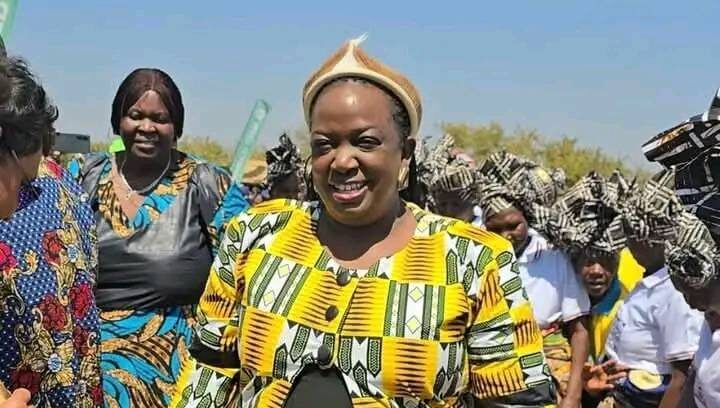
Lusaka Mayor, Chilando Chitangala has implored Secretaries to uphold professionalism in their practice of secretarial work.

Ms Chitangala stressed that Secretaries play an important role in the delivery of services in various institutions hence the call to remain professional.

Speaking last evening during the Zambia Institute of Secretaries (ZIS) night gala held at Government complex, Ms Chitangala said professional secretaries are the backbone of administrative excellence.

She further urged secretaries to continue learning and upgrading their qualifications.

The media reports that Ms Chitangala also encouraged secretaries to embrace the use of technology as they discharge their duties.

And speaking earlier, ZIS President, Josephine Mupeta expressed happiness with the number of secretaries that have registered with the institute.

Ms Mupeta indicated that the number of registered professional secretaries with the institute has overwhelmingly increased from 300 to 630.

She expressed confidence that the number of registered professional secretaries will continue to rise as the institute gains more recognition.

Ms Mupeta urged unregistered secretaries to register with the institute.

Eastern Province records over 100 cases of defilement

0

Zambia Police Service Eastern Province Commanding Officer, Robertson Mweemba says more than 100 defilement cases have been recorded in Eastern Province from January to December, 2025.

Mr Mweemba says a total of 178 defilement cases have been recorded in the Province with the highest of 47 coming from Chipata district.

Speaking through  an interview, the Eastern Province Police Chief said Lundazi district is occupying second position with a total of 22 cases while in third place is Sinda district with 15.

He said Petauke recorded 11 cases with Nyimba and Katete occupying fourth and fifth slots with 10 defilement cases each.

Mr Mweemba said Chasefu recorded nine cases of minors being sexually abused while Vubwi and Mambwe districts recorded seven and six cases respectively.

He said Kasenengwa district recorded four defilement cases, Lumezi had four with Chadiza and Chipangali recording three cases each.