In order to let the public report traffic offences, the Road Transport and Safety Authority (RTSA) has launched a WhatsApp line to help report such cases much quicker. They shared the following message on Facebook:
In order to serve you better, the Road Transport and Safety Agency (RTSA) has introduced a Whatsapp line to improve communication with the members of the public. Members of the public can now text the agency to report any road traffic concerns and bad road user behaviour with picture and video evidence. The number to text us on is (+26) 0965 429 499 available 24 hrs. The number cannot receive incoming calls hence those who would like to call us should continue doing so on our toll free line 983.
May we also take this opportunity to remind members of the public that operating, using or holding a handheld mobile device when driving is an offence hence those that might see an erring driver must not be tempted to use their handheld mobile device whilst driving.
Let’s join hands and efforts and work together to bring sanity on our roads and reduce on road crashes.
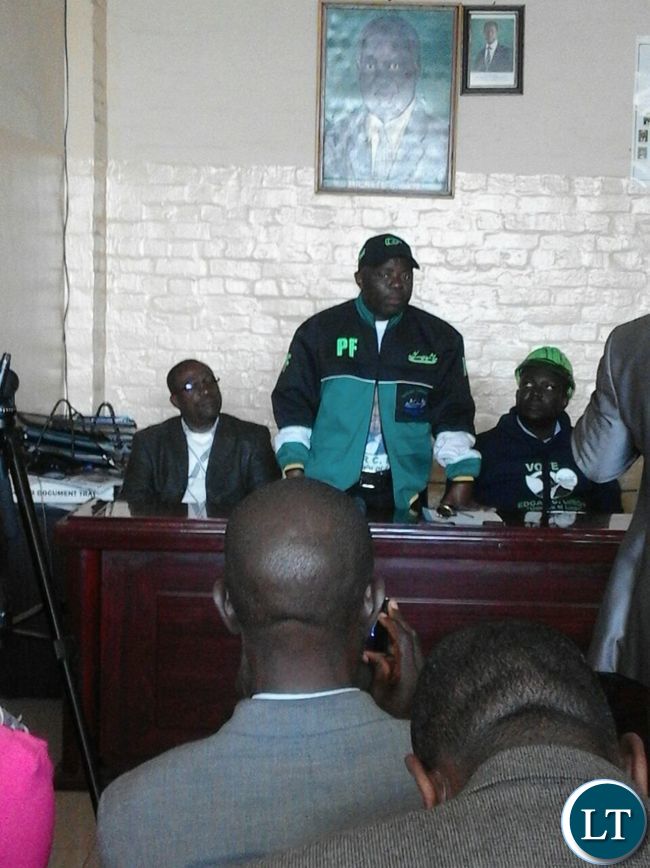
President Lungu arrives to commission the new Alliance Motors showroom along Great East Road near Chainama Hills Hospital last evening
President Edgar Lungu has challenged Alliance Motors Zambia, the official dealers of Land rover, Discovery, Range Rover and Jaguar brands in Zambia to consider establishing an assembly plant in Zambia.
President Lungu said Alliance Motors Zambia should consider setting up an assembly plant for their high end brand of vehicles in Zambia in the near future to target an existing market in the country.
President Lungu was speaking last evening when he officiated at the commissioning of an all new US$3.5 million Alliance Motors Zambia showroom along Great East Road.
At the new showroom, Alliance Motors will now be able to offer Zambians latest Jaguar motor vehicles such as the all-new jaguar f-paced.
“What we are witnessing today is a confirmation of what i believe that zambia is on its trajectory of rebounding economically. We are humbled by Tata Africa and indeed Jaguar Land rover for your confidence in our economy and for agreeing with us that Zambia is the best investment destination, as the current economic challenges will soon be a thing of the past,” President Lungu said.
He said the investment in the Zambian economy just confirms that there is a brighter future for zambia as the best destination for investment despite crusades orchestrated by some sections of the community and media aimed at discouraging foreign investment.
“My passionate appeal is to all investors who are still skeptical to emulate the partnership between globally renowned Tata group and jaguar land rover to come on board and join us. your delayed investment is denied profitability.
President Lungu said this timely investment includes a new building and commitment to quality job creation, as well as world-class skills development and training opportunities in the United Kingdom and South Africa, as Alliance Motors expands its business in the country.
President Lungu commended Tata Africa and Jaguar Land Rover South Africa and Sub-Saharan Africa for investing in zambia and positively contribute to economic development and job creation for our people.
He said the private sector is the engine of economic growth adding that his government is doing everything possible is to create an environment that supports growth.
“In order for us to build a strong economy, diversification is key. this begins with identifying key productive sectors that can contribute to economic growth. We all know that currently the mining sector is the core sector of our economy and contributes significantly to government revenue and to the country’s foreign exchange earnings. Viability of this sector is dependent on external factors with global demand being the key factor,” President Lungu said.
President Lungu said currently commodity prices on the international market are depressed which has impacted negatively on revenue inflows and forex earnings.
He said mining is a diminishing activity and, therefore, cannot last forever saying his government’s role is to ensure that Zambia diversifies way from mining and develop other key sectors.
“I am delighted that what we are witnessing today integrates well with my government’s policies of economic diversification. Distinguished guests, ladies and gentlemen, as I mentioned earlier, my government considers the private sector as an engine for economic growth and development. it is in this regard, that we are committed to providing a conducive environment for business to grow and prosper.”
He said to that effect, the PF government has embarked on programmes aimed at reducing the cost of doing business through the implementation of various business reforms.
President Lungu cited the industrialisation and job creation strategy which aims at transforming the industrial sector by creating more than one million formal jobs in five years.
In Zambia, Pilatus which owned the Land rover franchise when BMW owned Land rover lost the franchise Alliance Moors when Tata of India bought Jaguar Land rover UK and the patent company.
JLR SA & SSA Managing Director Mr Richard GoeverneurSome of the vehicles on display in the showroomPresident Lungu samples one of the latest Jaguar models during the commissioning of the new Alliance Motors showroom along Great East Road near Chainama Hills Hospital last evening
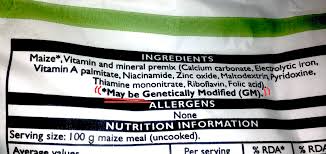
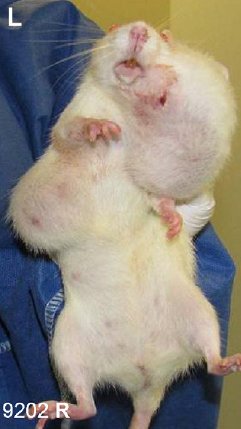
“Several animal studies indicate serious health risks associated with genetically modified (GM) food (AAEM 2009),” including infertility, immune problems, accelerated aging, faulty insulin regulation, and changes in major organs and the gastrointestinal system. The AAEM has asked physicians to advise all patients to avoid GM foods.[1]
Starting in 1996, Americans have been eating genetically modified (GM) ingredients in most processed foods.
In 1992, the Food and Drug Administration claimed they had no information showing that GM foods were substantially different from conventionally grown foods. Therefore they are safe to eat, and absolutely no safety studies were required. But internal memos made public by a lawsuit[2] reveal that their position was staged by political appointees who were under orders from the White House to promote GMOs. In addition, the FDA official in charge of creating this policy was Michael Taylor, the former attorney for Monsanto, the largest biotech company, and later their vice president. In reality, FDA scientists had repeatedly warned that GM foods can create unpredictable, hard-to-detect side effects, including allergies, toxins, new diseases, and nutritional problems. They urged long-term safety studies, but were ignored.
If GM foods on the market are causing common diseases or if their effects appear only after long-term exposure, we may not be able to identify the source of the problem for decades, if at all. There is no monitoring of GMO-related illnesses and no long-term animal studies. Heavily invested biotech corporations are gambling with the health of our nation for their profit.
Today, the same biotech companies who have been found guilty of hiding toxic effects of their chemical products are in charge of determining whether their GM foods are safe. Industry-funded GMO safety studies are too superficial to find most of the potential dangers, and their voluntary consultations with the FDA are widely criticized as a meaningless façade.[3]
GM plants, such as soybean, corn, cottonseed, and canola, have had foreign genes forced into their DNA. The inserted genes come from species, such as bacteria and viruses, which have never been in the human food supply.
Genetic engineering transfers genes across natural species barriers. It uses imprecise laboratory techniques that bear no resemblance to natural breeding, and is based on outdated concepts of how genes and cells work.[4] Gene insertion is done either by shooting genes from a “gene gun” into a plate of cells or by using bacteria to invade the cell with foreign DNA. The altered cell is then cloned into a plant.
Widespread, unpredictable changes
The genetic engineering process creates massive collateral damage, causing mutations in hundreds or thousands of locations throughout the plant’s DNA.[5] Natural genes can be deleted or permanently turned on or off, and hundreds may change their behavior.[6] Even the inserted gene can be damaged or rearranged,[7] and may create proteins that can trigger allergies or promote disease.
French study conducted on the long-term health impacts of genetically modified (GM) foods
Genetically modified foods on the market
Major commodity crops raised from GMO seed include: corn (92%*), soybeans (94%*), and cotton (94%*). Almost 98% of Canadian grown canola is genetically engineered for herbicide resistance. U.S. sugar beet production is estimated to be over 95% genetically modified for herbicide resistance. GMO sweet corn, papaya, zucchini, and yellow summer squash are also for sale in grocery stores, but in lesser amounts. Genetically modified alfalfa is grown for use as hay and forage for animals. For more information about avoiding GMOs in food, go to NonGMOShoppingGuide.com.
*percentages are based on U.S. acreage as of 2015 (USDA)
Growing evidence of harm from GMOs
GM soy and allergic reactions
Soy allergies skyrocketed by 50% in the UK, soon after GM soy was introduced.[8]
A skin prick allergy test shows that some people react to GM soy, but not to wild natural soy.[9]
Cooked GM soy contains as much as 7-times the amount of a known soy allergen.[10]
GM soy also contains a new unexpected allergen, not found in wild natural soy.[11]
Bt corn and cotton linked to allergies
The biotech industry claims that Bt-toxin is harmless to humans and mammals because the natural bacteria version has been used as a spray by farmers for years. In reality, hundreds of people exposed to Bt spray had allergic-type symptoms,[12] and mice fed Bt had powerful immune responses[13] and damaged intestines.[14] Moreover, the Bt in GM crops is designed to be more toxic than the natural spray and is thousands of times more concentrated.
Farm workers throughout India are getting the same allergic reactions from handling Bt cotton[15] as those who reacted to Bt spray.[16] Mice[17] and rats[18] fed Bt corn also showed immune responses.
GMOs fail allergy tests
No tests can guarantee that a GMO will not cause allergies. Although the World Health Organization recommends a screening protocol,[19] the GM soy, corn, and papaya in our food supply fail those tests—because their GM proteins have properties of known allergens.[20]
GMOs may make you allergic to non-GM foods
GM soy drastically reduces digestive enzymes in mice.[21] If it also impairs your digestion, you may become sensitive and allergic to a variety of foods.
Mice fed Bt-toxin started having immune reactions to formerly harmless foods.[22]
Mice fed experimental GM peas also started reacting to a range of other foods.[23] (The peas had already passed all the allergy tests normally done before a GMO gets on the market. Only this advanced test, which is never used on the GMOs we eat, revealed that the peas could actually be deadly.)
GMOs and liver problems
Rats fed GM potatoes had smaller, partially atrophied livers.[24]
The livers of rats fed GM canola were 12-16% heavier.[25]
GM soy altered mouse liver cells in ways that suggest a toxic insult.[26] The changes reversed after they switched to non-GM soy.[27]
GMOs, reproductive problems, and infant mortality
More than half the babies of mother rats fed GM soy died within three weeks.[28]
Male rats[29] and mice[30] fed GM soy had changed testicles, including altered young sperm cells in the mice.
The DNA of mouse embryos functioned differently when their parents ate GM soy[31]
The longer mice were fed GM corn, the less babies they had, and the smaller their babies were.[32]
Babies of female rats fed GM soy were considerably smaller, and more than half died within three weeks (compared to 10% of the non-GM soy controls).[33]
Female rats fed GM soy showed changes in their ovaries and uterus.
By the third generation, most hamsters fed GM soy were unable to have babies.
Bt crops linked to sterility, disease, and death
Thousands of sheep, buffalo, and goats in India died after grazing on Bt cotton plants after harvest. Others suffered poor health and reproductive problems.[34]
Farmers in Europe and Asia say that cows, water buffaloes, chickens, and horses died from eating Bt corn varieties.[35]
About two dozen US farmers report that Bt corn varieties caused widespread sterility in pigs or cows.[36]
Filipinos in at least five villages fell sick when a nearby Bt corn variety was pollinating.[37]
The stomach lining of rats fed GM potatoes showed excessive cell growth, a condition that may lead to cancer. Rats also had damaged organs and immune systems.[38]
Functioning GM genes remain inside you
Unlike safety evaluations for drugs, there are no human clinical trials of GM foods. The only published human feeding experiment revealed that the genetic material inserted into GM soy transfers into bacteria living inside our intestines and continues to function.[39] This means that long after we stop eating GM foods, we may still have their GM proteins produced continuously inside us.
If the antibiotic gene inserted into most GM crops were to transfer, it could create super diseases, resistant to antibiotics.
If the gene that creates Bt-toxin in GM corn were to transfer, it might turn our intestinal bacteria into living pesticide factories.
Animal studies show that DNA in food can travel into organs throughout the body, even into the fetus.[40]
GM food supplement caused deadly epidemic
In the 1980s, a contaminated brand of a food supplement called L-tryptophan killed about 100 Americans and caused sickness and disability in another 5,000-10,000 people. The source of contaminants was almost certainly the genetic engineering process used in its production.[41] The disease took years to find and was almost overlooked. It was only identified because the symptoms were unique, acute, and fast-acting. If all three characteristics were not in place, the deadly GM supplement might never have been identified or removed.
If GM foods on the market are causing common diseases or if their effects appear only after long-term exposure, we may not be able to identify the source of the problem for decades, if at all. There is no monitoring of GMO-related illnesses and no long-term animal studies. Heavily invested biotech corporations are gambling with the health of our nation for their profit.
References
[1]See http://www.aaemonline.org/gmo.php
[2] See www.biointegrity.org
[3] See Part 2, Jeffrey M. Smith, Genetic Roulette: The Documented Health Risks of Genetically Engineered Foods, Yes! Books, Fairfield, IA 2007
[4] See for example 233-236, chart of disproved assumptions, in Jeffrey M. Smith, Genetic Roulette: The Documented Health Risks of Genetically Engineered Foods, Yes! Books, Fairfield, IA 2007
[5] J. R. Latham, et al., “The Mutational Consequences of Plant Transformation,” The Journal of Biomedicine and Biotechnology 2006, Article ID 25376: 1-7; see also Allison Wilson, et. al., “Transformation-induced mutations in transgenic plants: Analysis and biosafety implications,” Biotechnology and Genetic Engineering Reviews – Vol. 23, December 2006.
[6] Srivastava, et al, “Pharmacogenomics of the cystic fibrosis transmembrane conductance regulator (CFTR) and the cystic fibrosis drug CPX using genome microarray analysis,” Mol Med. 5, no. 11(Nov 1999):753–67.
[7] Latham et al, “The Mutational Consequences of Plant Transformation, Journal of Biomedicine and Biotechnology 2006:1-7, article ID 25376, http://www.hindawi.com/journals/jbb/; Draft risk analysis report application A378, Food derived from glyphosate-tolerant sugarbeet line 77 (GTSB77),” ANZFA, March 7, 2001; E. Levine et al., “Molecular Characterization of Insect Protected Corn Line MON 810.” Unpublished study submitted to the EPA by Monsanto, EPA MRID No. 436655-01C (1995); Allison Wilson, PhD, Jonathan Latham, PhD, and Ricarda Steinbrecher, PhD, “Genome Scrambling—Myth or Reality? Transformation-Induced Mutations in Transgenic Crop Plants Technical Report—October 2004,” www.econexus.info; C. Collonier, G. Berthier, F. Boyer, M. N. Duplan, S. Fernandez, N. Kebdani, A. Kobilinsky, M. Romanuk, Y. Bertheau, “Characterization of commercial GMO inserts: a source of useful material to study genome fluidity,” Poster presented at ICPMB: International Congress for Plant Molecular Biology (n°VII), Barcelona, 23-28th June 2003. Poster courtesy of Dr. Gilles-Eric Seralini, Président du Conseil Scientifique du CRII-GEN, www.crii-gen.org; also “Transgenic lines proven unstable” by Mae-Wan Ho, ISIS Report, 23 October 2003, www.i-sis.org.uk
[8] Mark Townsend, “Why soya is a hidden destroyer,” Daily Express, March 12, 1999.
[9] Hye-Yung Yum, Soo-Young Lee, Kyung-Eun Lee, Myung-Hyun Sohn, Kyu-Earn Kim, “Genetically Modified and Wild Soybeans: An immunologic comparison,” Allergy and Asthma Proceedings 26, no. 3 (May–June 2005): 210-216(7).
[10] A. Pusztai and S. Bardocz, “GMO in animal nutrition: potential benefits and risks,” Chapter 17, Biology of Nutrition in Growing Animals, R. Mosenthin, J. Zentek and T. Zebrowska (Eds.) Elsevier, October 2005.
[11] Hye-Yung Yum, Soo-Young Lee, Kyung-Eun Lee, Myung-Hyun Sohn, Kyu-Earn Kim, “Genetically Modified and Wild Soybeans: An immunologic comparison,” Allergy and Asthma Proceedings 26, no. 3 (May–June 2005): 210-216(7).
[12] M. Green, et al., “Public health implications of the microbial pesticide Bacillus thuringiensis: An epidemiological study, Oregon, 1985-86,” Amer. J. Public Health 80, no. 7(1990): 848–852; and M.A. Noble, P.D. Riben, and G. J. Cook, Microbiological and epidemiological surveillance program to monitor the health effects of Foray 48B BTK spray (Vancouver, B.C.: Ministry of Forests, Province of British Columbi, Sep. 30, 1992)
[13] Vazquez et al, “Intragastric and intraperitoneal administration of Cry1Ac protoxin from Bacillus thuringiensis induces systemic and mucosal antibody responses in mice,” 1897–1912; Vazquez et al, “Characterization of the mucosal and systemic immune response induced by Cry1Ac protein from Bacillus thuringiensis HD 73 in mice,” Brazilian Journal of Medical and Biological Research 33 (2000): 147–155; and Vazquez et al, “Bacillus thuringiensis Cry1Ac protoxin is a potent systemic and mucosal adjuvant,” Scandanavian Journal of Immunology 49 (1999): 578–584. See also Vazquez-Padron et al., 147 (2000b).
[14] Nagui H. Fares, Adel K. El-Sayed, “Fine Structural Changes in the Ileum of Mice Fed on Endotoxin Treated Potatoes and Transgenic Potatoes,” Natural Toxins 6, no. 6 (1998): 219–233.
[15] See for example “Bt cotton causing allergic reaction in MP; cattle dead,” Bhopal, Nov. 23, 2005
[16] http://news.webindia123.com Ashish Gupta et. al., “Impact of Bt Cotton on Farmers’ Health (in Barwani and Dhar District of Madhya Pradesh),” Investigation Report, Oct–Dec 2005; and M. Green, et al., “Public health implications of the microbial pesticide Bacillus thuringiensis: An epidemiological study, Oregon, 1985-86,” Amer. J. Public Health 80, no. 7(1990): 848–852; and M.A. Noble, P.D. Riben, and G. J. Cook, Microbiological and epidemiological surveillance program to monitor the health effects of Foray 48B BTK spray (Vancouver, B.C.: Ministry of Forests, Province of British Columbi, Sep. 30, 1992)
[17] Alberto Finamore, et al, “Intestinal and Peripheral Immune Response to MON810 Maize Ingestion in Weaning and Old Mice,” J. Agric. Food Chem., 2008, 56 (23), pp 11533–11539, November 14, 2008
[18] Joël Spiroux de Vendômois, François Roullier, Dominique Cellier and Gilles-Eric Séralini. 2009, A Comparison of the Effects of Three GM Corn Varieties on Mammalian Health . International Journal of Biological Sciences 2009; 5(7):706-726; and Seralini GE, Cellier D, Spiroux de Vendomois J. 2007, New analysis of a rat feeding study with a genetically modified maize reveals signs of hepatorenal toxicity. Arch Environ Contam Toxicol. 2007;52:596-602
[19] FAO-WHO, “Evaluation of Allergenicity of Genetically Modified Foods. Report of a Joint FAO/WHO Expert Consultation on Allergenicity of Foods Derived from Biotechnology,” Jan. 22–25, 2001; ftp://ftp.fao.org/es/esn/food/allergygm.pdf.pdf
[20] Gendel, “The use of amino acid sequence alignments to assess potential allergenicity of proteins used in genetically modified foods,” Advances in Food and Nutrition Research 42 (1998), 45–62; G. A. Kleter and A. A. C. M. Peijnenburg, “Screening of transgenic proteins expressed in transgenic food crops for the presence of short amino acid sequences indentical to potential, IgE-binding linear epitopes of allergens,” BMC Structural Biology 2 (2002): 8–19; H. P. J. M. Noteborn, “Assessment of the Stability to Digestion and Bioavailability of the LYS Mutant Cry9C Protein from Bacillus thuringiensis serovar tolworthi,” Unpublished study submitted to the EPA by AgrEvo, EPA MRID No. 447343-05 (1998); and H. P. J. M. Noteborn et al, “Safety Assessment of the Bacillus thuringiensis Insecticidal Crystal Protein CRYIA(b) Expressed in Transgenic Tomatoes,” in Genetically modified foods: safety issues, American Chemical Society Symposium Series 605, eds. K.H. Engel et al., (Washington, DC, 1995): 134–47.
[21] M. Malatesta, M. Biggiogera, E. Manuali, M. B. L. Rocchi, B. Baldelli, G. Gazzanelli, “Fine Structural Analyses of Pancreatic Acinar Cell Nuclei from Mice Fed on GM Soybean,” Eur J Histochem 47 (2003): 385–388.
[22] Vazquez et al, “Bacillus thuringiensis Cry1Ac protoxin is a potent systemic and mucosal adjuvant,” Scandanavian Journal of Immunology 49 (1999): 578–584. See also Vazquez-Padron et al., 147 (2000b).
[23] V. E. Prescott, et al, “Transgenic Expression of Bean r-Amylase Inhibitor in Peas Results in Altered Structure and Immunogenicity,” Journal of Agricultural Food Chemistry (2005): 53.
[24] Arpad Pusztai, “Can science give us the tools for recognizing possible health risks of GM food,” Nutrition and Health, 2002, Vol 16 Pp 73-84
[25] Comments to ANZFA about Applications A346, A362 and A363 from the Food Legislation and Regulation Advisory Group (FLRAG) of the Public Health Association of Australia (PHAA) on behalf of the PHAA, “Food produced from glyphosate-tolerant canola line GT73,” http://www.iher.org.au/
[26] M. Malatesta, C. Caporaloni, S. Gavaudan, M. B. Rocchi, S. Serafini, C. Tiberi, G. Gazzanelli, “Ultrastructural Morphometrical and Immunocytochemical Analyses of Hepatocyte Nuclei from Mice Fed on Genetically Modified Soybean,” Cell Struct Funct. 27 (2002): 173–180.
[27] M. Malatesta, C. Tiberi, B. Baldelli, S. Battistelli, E. Manuali, M. Biggiogera, “Reversibility of Hepatocyte Nuclear Modifications in Mice Fed on Genetically Modified Soybean,” Eur J Histochem, 49 (2005): 237-242.
[28] I.V. Ermakova, “Diet with the Soya Modified by Gene EPSPS CP4 Leads to Anxiety and Aggression in Rats,” 14th European Congress of Psychiatry. Nice, France, March 4-8, 2006; “Genetically modified soy affects posterity: Results of Russian scientists’ studies,” REGNUM, October 12, 2005; http://www.regnum.ru/english/526651.html; Irina Ermakova, “Genetically modified soy leads to the decrease of weight and high mortality of rat pups of the first generation. Preliminary studies,” Ecosinform 1 (2006): 4–9.
[29] Irina Ermakova, “Experimental Evidence of GMO Hazards,” Presentation at Scientists for a GM Free Europe, EU Parliament, Brussels, June 12, 2007
[30] L. Vecchio et al, “Ultrastructural Analysis of Testes from Mice Fed on Genetically Modified Soybean,” European Journal of Histochemistry 48, no. 4 (Oct–Dec 2004):449–454.
[31] Oliveri et al., “Temporary Depression of Transcription in Mouse Pre-implantion Embryos from Mice Fed on Genetically Modified Soybean,” 48th Symposium of the Society for Histochemistry, Lake Maggiore (Italy), September 7–10, 2006.
[32] Alberta Velimirov and Claudia Binter, “Biological effects of transgenic maize NK603xMON810 fed in long term reproduction studies in mice,” Forschungsberichte der Sektion IV, Band 3/2008
[33] I.V. Ermakova, “Diet with the Soya Modified by Gene EPSPS CP4 Leads to Anxiety and Aggression in Rats,” 14th European Congress of Psychiatry. Nice, France, March 4-8, 2006; “Genetically modified soy affects posterity: Results of Russian scientists’ studies,” REGNUM, October 12, 2005; ; Irina Ermakova, “Genetically modified soy leads to the decrease of weight and high mortality of rat pups of the first generation. Preliminary studies,” Ecosinform 1 (2006): 4–9.
[34] “Mortality in Sheep Flocks after Grazing on Bt Cotton Fields—Warangal District, Andhra Pradesh” Report of the Preliminary Assessment, April 2006, http://gmwatch.org/latest-listing/1-news-items/6416-mortality-in-sheep-flocks-after-grazing-on-bt-cotton-fields-warangal-district-andhra-pradesh-2942006
[35] Mae-Wan Ho, “GM Ban Long Overdue, Dozens Ill & Five Deaths in the Philippines,” ISIS Press Release, June 2, 2006; and Mae-Wan Ho and Sam Burcher, “Cows Ate GM Maize & Died,” ISIS Press Release, January 13, 2004, http://www.isis.org.uk/CAGMMAD.php
[36] Personal communication with Jerry Rosman and other farmers, 2006; also reported widely in the farm press.
[37] See for example Mae-Wan Ho, “GM Ban Long Overdue, Dozens Ill & Five Deaths in the Philippines,” ISIS Press Release, June 2, 2006; “Study Result Not Final, Proof Bt Corn Harmful to Farmers,” BusinessWorld, 02 Mar 2004; and “Genetically Modified Crops and Illness Linked,” Manila Bulletin, 04 Mar 2004.
[38] Arpad Pusztai, “Can science give us the tools for recognizing possible health risks of GM food,” Nutrition and Health, 2002, Vol 16 Pp 73-84; Stanley W. B. Ewen and Arpad Pusztai, “Effect of diets containing genetically modified potatoes expressing Galanthus nivalis lectin on rat small intestine,” Lancet, 1999 Oct 16; 354 (9187): 1353-4; and Arpad Pusztai, “Facts Behind the GM Pea Controversy: Epigenetics, Transgenic Plants & Risk Assessment,” Proceedings of the Conference, December 1st 2005 (Frankfurtam Main, Germany: Literaturhaus, 2005)
[39] Netherwood et al, “Assessing the survival of transgenic plant DNA in the human gastrointestinal tract,” Nature Biotechnology 22 (2004): 2.
[40] Ricarda A. Steinbrecher and Jonathan R. Latham, “Horizontal gene transfer from GM crops to unrelated organisms,” GM Science Review Meeting of the Royal Society of Edinburgh on “GM Gene Flow: Scale and Consequences for Agriculture and the Environment,” January 27, 2003; Traavik and Heinemann, Genetic Engineering and Omitted Health Research; citing Schubbert, et al, “Ingested foreign (phage M13) DNA survives transiently in the gastrointestinal tract and enters the bloodstream of mice,” Mol Gen Genet. 242, no. 5 (1994): 495–504; Schubbert et al, “Foreign (M13) DNA ingested by mice reaches peripheral leukocytes, spleen, and liver via the intestinal wall mucosa and can be covalently linked to mouse DNA,” Proc Natl Acad Sci USA 94, no. 3 (1997): 961–6; Schubbert et al, “On the fate of orally ingested foreign DNA in mice: chromosomal association and placental transmission to the fetus,” Mol Gen Genet. 259, no. 6 (1998): 569–76; Hohlweg and Doerfler, “On the fate of plants or other foreign genes upon the uptake in food or after intramuscular injection in mice,” Mol Genet Genomics 265 (2001): 225–233; Palka-Santani, et al., “The gastrointestinal tract as the portal of entry for foreign macromolecules: fate of DNA and proteins,” Mol Gen Genomics 270 (2003): 201–215; Einspanier, et al, “The fate of forage plant DNA in farm animals; a collaborative case-study investigating cattle and chicken fed recombinant plant material,” Eur Food Res Technol 212 (2001): 129–134; Klotz, et al, “Degradation and possible carry over of feed DNA monitored in pigs and poultry,” Eur Food Res Technol 214 (2002): 271–275; Forsman, et al, “Uptake of amplifiable fragments of retrotransposon DNA from the human alimentary tract,” Mol Gen Genomics 270 (2003): 362–368; Chen, et al, “Transfection of mEpo gene to intestinal epithelium in vivo mediated by oral delivery of chitosan-DNA nanoparticles,” World Journal of Gastroenterology 10, no 1(2004): 112–116; Phipps, et al, “Detection of transgenic and endogenous plant DNA in rumen fluid, duodenal digesta, milk, blood, and feces of lactating dairy cows,” J Dairy Sci. 86, no. 12(2003): 4070–8.
[41] William E. Crist,Toxic L-tryptophan: Shedding Light on a Mysterious Epidemic; and Jeffrey M. Smith, Seeds of Deception, Yes! Books, Fairfield, IA 2003, chapter 4, Deadly Epidemic
Zambia will know their 2016 Cosafa Castle Cup quarterfinal opponents today when the winner from the preliminary round in Group A is decided.
With Zambia’s fellow record four-time Cosafa champions and regional rivals Zimbabwe knocked out of the quarterfinal qualifying race, Swaziland and Madagascar will battle in Windhoek on Wednesday afternoon for a place in the last eight.
Swaziland lead Group A on 4 points, tied with second placed Madagascar who have a inferior goal difference.
Zimbabwe are 3rd with two points heading into their must-win clash against The Seychelles in a simultaneous kickoff this afternoon to keep their mathematical chances of qualification alive.
Zambia, who enjoyed a preliminary bye, are camped in Lusaka and depart for Namibia on Friday led by Aggrey Chiyangi.
Coach George Lwandamina will miss the match because he will be on Zesco United duty when his club plays Al Ahly of Egypt this Saturday in a CAF Champions League Group A opener in Ndola.
Ruling PF National Youth Chairman Steven Kampyongo has warned UPND leader Hakainde Hichilema not to dare the PF youths over political violence.
Mr Kampyongo who is also Local Government Minister said Mr Hichilema’s statement in Mpika yesterday accusing him of having master minded the Shiwangandu attacks on the UPND team is provocative.
He said the PF youths can easily crush any attacks from the UPNF because it has a large membership compared to the opposition party.
“Let Mr Hichilema not dare me, we are too many for them, they are just a small party and we can easily crush them if they dare us,” Mr Kampyongo told a news briefing as party youths cheered him on.
Mr Kampyongo denied accusations that he was behind the attacks on the UPND campaign team.
Mr Kampyongo is immediate past Member of Parliament for Shiwangandu said it was unfair for Mr Hichilema to point him out as having orchestrated the attacks on the UPND campaign team.
He said the UPND easily attracts violence because the party is provocative in its nature.
“Just look at their colour Red. They are so much in love with blood. Everything about them is Red because they like blood,” he said.
Mr Kampyongo alleged that Mr Hichilema has picked up on what he called the savage language associated with his running mate Geoffrey Mwamba.
“Ever since Mr Hichilema started hanging around with GBM, his language has changed. He is now using the savage language which he has copied from GBM.”
He appealed to PF youths not to react to any provocation from the UPND saying the party does not want to shed any blood.
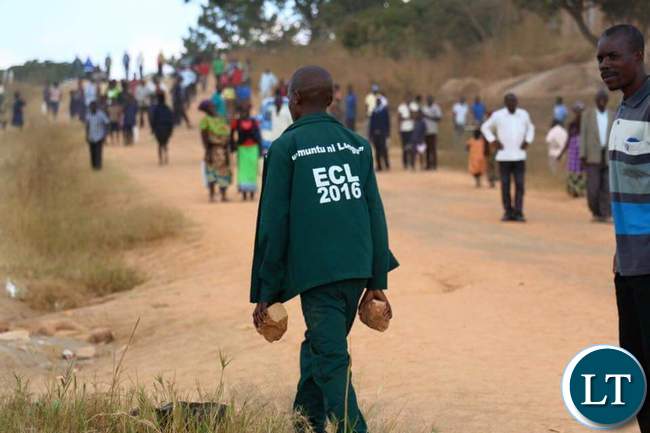
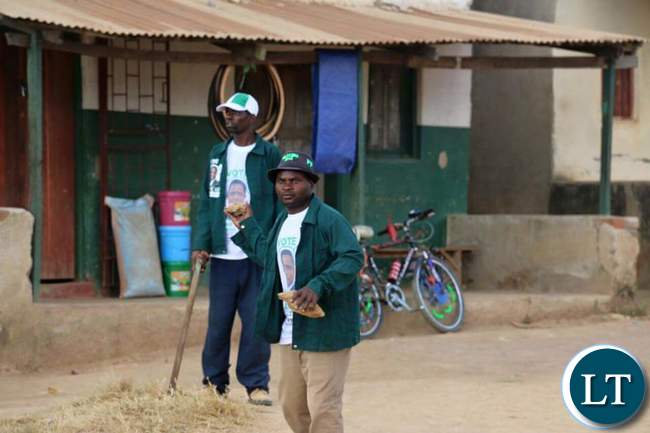
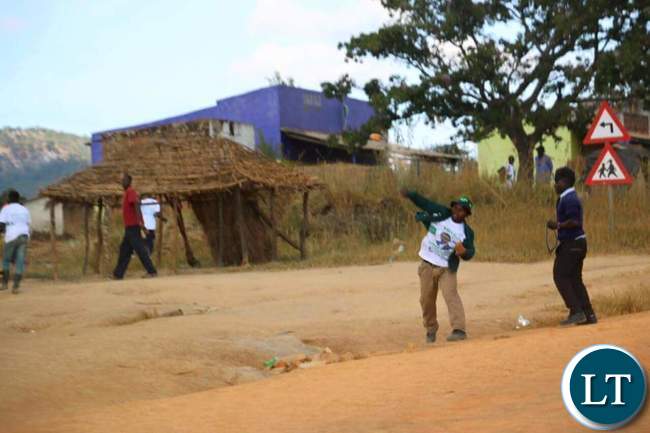
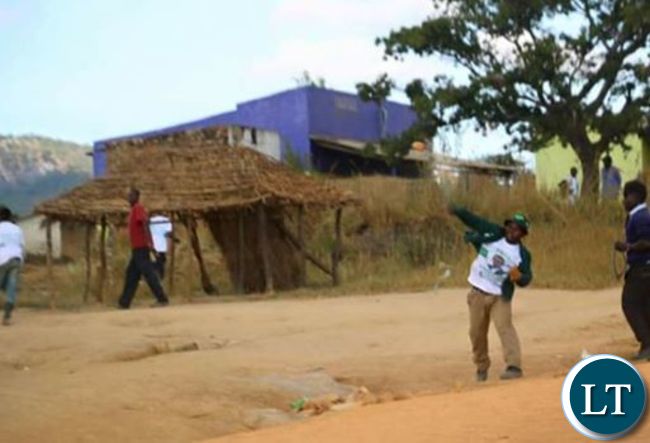
UPND campaigns in Shiwangandu were disrupt after PF cadres violently attacked the UPND team and threw stones and other missiles at a UPND helicopter in an attempt to force it not to land.
MISA Zambia says the closure of the Bulletin & Record magazine will have a negative impact on the media landscape in the country.
In a statement, MISA Zambia said it will engage the publishers to ascertain the actual circumstances surrounding the closure of the publication.
It said the closure of the Bulletin & Record will have a negative impact on the media landscape, devoid of investigative and deeply analytical stories which enables the nurturing of informed voters.
MISA said there has been an outcry from various media owners over the increasing cost of news print, unstable economic conditions including currency fluctuations, intermittent power supply and the long hours of load shedding.
It said this resulted in the cumulative increase of cover prices for the major daily newspapers from K3.00 to K8.00 for the Times, Daily Mail and Daily Nation while the Post increased its cover price from K3.00 to K10.00.
The Bulletin and Record, a leading local monthly magazine covering politics, economics, lifestyle, sport, entertainment has announced its decision to close down.
The publishers of the magazine stated they have been ‘forced’ out of publication due to the current ‘economic circumstances’ among other reasons.
A 43-year-old business woman of Chinsali district has appeared in the Chinsali magistrates’ court for selling expired goods and tampering with seized goods contrary to the laws of Zambia.
Appearing before Chinsali senior resident magistrate, Francis Nsokolo, was Malias Namwanzi of chief Waitwika chiefdom who stood charged with two counts.
In count one Namwanzi has been charged with selling expired goods contrary to Section 50 (3) of the Competition and Consumer Protection Commission (CCPC) Act no 24 of 2010.
Facts before the court were that on February 3, 2016, Namwanzi, being a proprietor of Lucamesa Trading, did offer for sale to the members of the public 17 by 100 grams of Chapamandashi baking powder, 21 by 15 grams of Indiyo mix soup sachets, 4 by 536.75 grams of Swiss complexion collagen body cream, 4 by 453.6 grams of texturizing complexion lotion and 2 by 135ml of corrosion cream which expired without lawful authority.
In the second account Namwanzi was charged for tampering with seized goods contrary to Section 24 (9) (10) of the Food and Drugs Act Chapter 303 of the Laws Zambia.
Particulars are that on February 8, 2016 Namwanzi, being a proprietor of Lucamesa Trading, without lawful authority from an authorised officer, did tamper with seized goods that were left in her custody after senior health inspector from Chinsali Municipal Council found the said goods to be expired.
The goods that were tampered with include 17 by 100 grams of Chapamandashi baking powder, 21 by 15grams of Indiyo mix soup sachets, 4 by 536.75 grams of Swiss complexion collagen body cream,4
by 453.6 grams of texturising complexion lotion and 2 tins by135ml corrosion cream.
Namwanzi pleaded not guilty to both charges and magistrate Nsokolo adjourned the matter to the June 15, 2016 for continued trial.
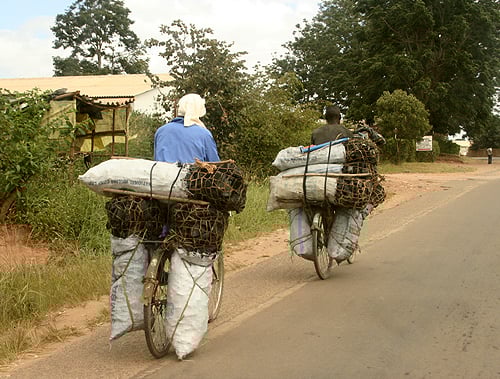
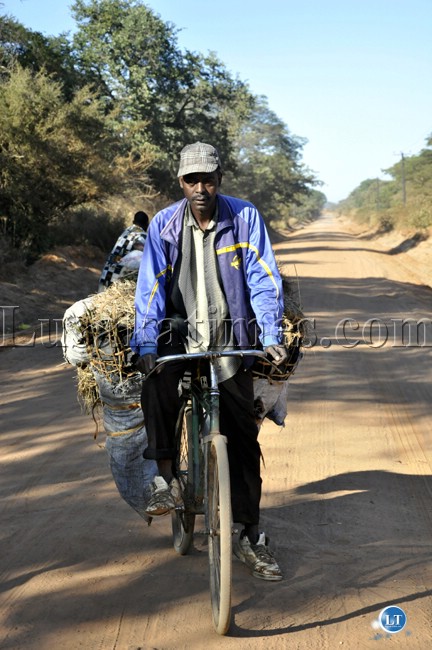
The District Administration and the Department of Forestry in Luangwa District have expressed concern and worry at the increase of charcoal burning in the area and fear that it will adversely affect the environment in the area.
Acting Luangwa District Commissioner, Jairos Simukoko and District Forestry Officer, Levy Nyangulu, have observed that the charcoal business has increased in the district and has resulted into the cutting of trees at a large scale.
Mr Simukoko and Mr Nyangulu said they have failed to control the situation as it has become the main source of livelihood for most households in the area as people did not harvest anything from their
fields due to the poor rainfall during the 2015/2016 farming season.
The Acting District Commissioner that he has of late observed thousands of charcoal bags lined along the D145 Luangwa main road and stacks of charcoal heaped in villages in readiness for sale, saying this was a worrisome situation.
He appealed to the Disaster Management and Mitigation Unit (DMMU) under the Office of the Vice President to quickly consider sending relief maize to the district which can be sold at a reasonable price as people were being forced to cut a lot of trees to produce many bags of charcoal to enable them rise enough money to buy a 25 Kg bag of mealie meal which is going at K100 in villages.
Meanwhile, District Forestry Officer, Levy Nyangulu, said his department has found it difficult to control charcoal burning as some traditional leaders have come in to intervene on behalf of their subjects, saying they will die of hunger if they stop burning and selling charcoal.
Mr Nyangulu said some traditional leaders have stormed his office telling him not to stop people from burning and selling charcoal as it was there only means of survival as it was from the charcoal sales that they were able to buy food for their families.
He said his office has expressed concern and worry at the indiscriminate cutting of trees in the district and his department has, however, embarked on sensitising people to venture into other activities such as bee-keeping or the cutting of trees in a sustainable manner to allow the trees to germinate.
The District Forestry Officer appealed to other stakeholders to come in and help in preserving the forests in Luangwa district before the already-depleted forests in the area are completely destroyed.
Proflight, Zambia’s leading scheduled airline, has signed a partnership agreement with the Zambia Amateur Athletics Association (ZAAA) that will set the nation’s top athletes on course for Olympic qualification.
The airline has agreed to sponsor 20 return tickets from Lusaka to Durban to enable athletes and officials to participate in the 20th Africa Senior Championship taking place in Durban, South Africa, from 22 to 26 June, 2016.
“The fastest athletes in Zambia will be taking the fastest, most direct route to Durban with Proflight Zambia,” said Proflight Director of Government and Industry Affairs Captain Philip Lemba. “We are a proudly Zambian airline and believe in supporting our national team in their quest for sporting glory.”
This partnership is important because it shows Proflight’s commitment to the nation’s sporting talent and reflects how Proflight values energy, determination and teamwork, added Capt. Lemba.
As part of the agreement, Proflight is also supporting the ZAAA’s Inter-Company Relay in to be held on June 26, 2016 at the Lusaka Show Grounds.
The airline hopes to inspire people from across the country and the region to fly to Lusaka and enjoy the ICR event in June – whether to participate or spectate, and likewise, to travel from Lusaka to Durban to support the national team in the championship.
The ZAAA is responsible for the administration, conduct, management, supervision, regulation, promotion and control of athletics activities throughout the country in accordance with its rules and regulations.
Proflight, a leading corporate sponsor, participates in a wide range of community initiatives and charity programmes throughout Zambia.
In an effort to boost the Zambian athletic career Proflight looks forward to seeing more athletes qualify for national, regional and international competitions, enabling sports to grow in Zambian and fostering national pride and team spirit.
A 21-YEAR-OLD man of Kalulushi has been sentenced to three months imprisonment for trespassing in a protected mine area.
Before magistrate Eusibio Kaoma was Elisha Masebo of Chibuluma Township of Kalulushi.
Masebo was sentenced yesterday in the Kalulushi magistrate court after being convicted of criminal trespassing contrary to section 306 of Chapter 87 of the Penal code of the laws of Zambia.
Particulars of the offense were that on May 6, this year the accused did trespass in Kagem Mine of Lufwanyama District without authority of the owner.
Masebo was apprehended by company securities who were on duty on the material day as he was suspected to be an illegal miner.
“You Elisha Masebo, on May 6 2016, you did trespass in the protected area of Kagem mine of Lufwanyama district with intent to steal.
“Therefore you committed a case of criminal trespassing as you were not allowed by the owner to pass in that premises,” Magistrate Kaoma said.
In mitigation Masebo said he was a Grade 12 pupil at a named school in Luanshya,so he pleaded for leniency, adding that he had even missed a lot since his case started.
But Mr Kaoma said the problem of criminal trespassing in the mine areas was too big, and instead of fine the would be offenders, he decided to start sending them to jail to deter others committing the same offense.
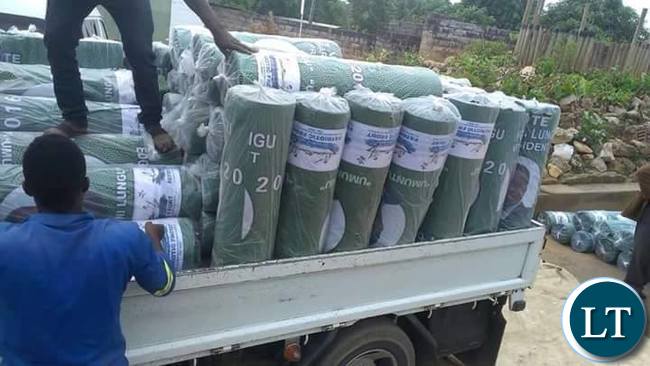
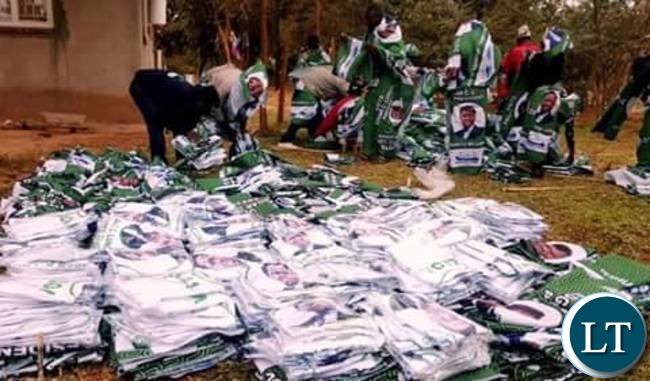
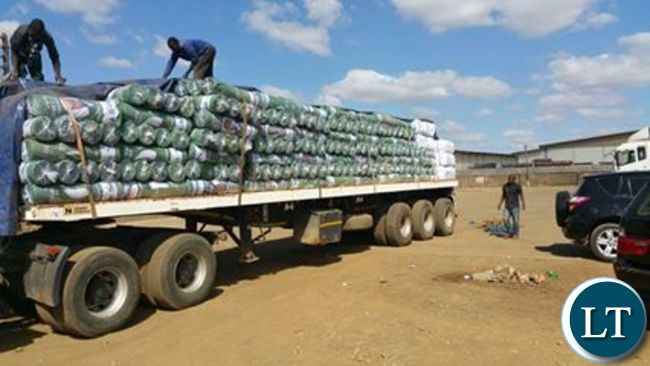
PF materials being loaded ready for distribution
The ruling PF has hired ten helicopters and is earmarked to distribute 8 million units of party regalia over the next few days.
According to information obtained from the PF Secretariat, the party will has already dispatched four 4×4 campaign vehicles to each of the 155 constituencies.
Each ward has received two motorbikes and ten bicycles while each constituency has 5 volumes of development documentaries explaining national, provincial and constituency successes and future plans.
About 20 billboards have been dispatched to each constituency with 10,000 posters, 50,000 fliers and 5000 stickers which will be going up in the next few days.
The party says it will also deploy a vigorous door to door strategy using 300 foot soldiers in each constituency who will be trained and fully equipped with campign materials.
The party will launch its heightened campaigns start week ad is targeting to have at least ten major rallies every day with each province having a major rally every day.
There have been some concerns from some quarters that the PF campaigns have appeared lukewarm with President Edgar Lungu only having appeared at three campaign events.
This has been at the backdrop that his closest rival UPND’s Hakainde Hichilema has been on a non-stop campaign tour since launching his campaign at Kitwe’s Freedom Park on May 21st 2016.
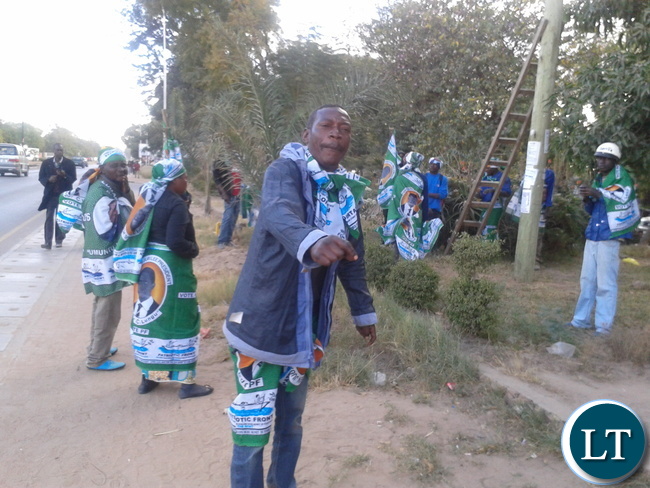
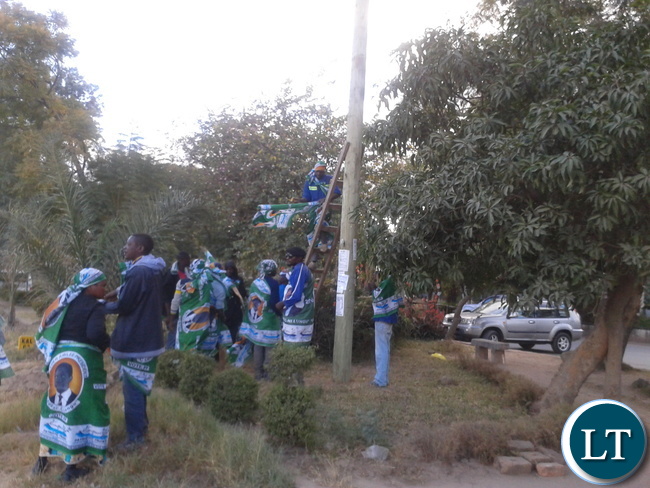
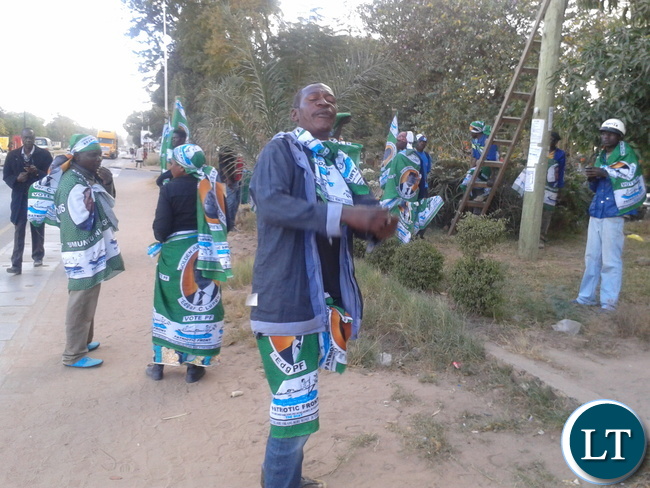
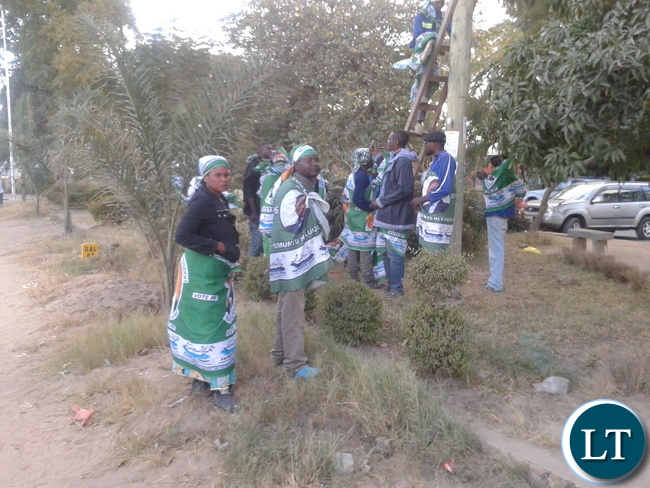
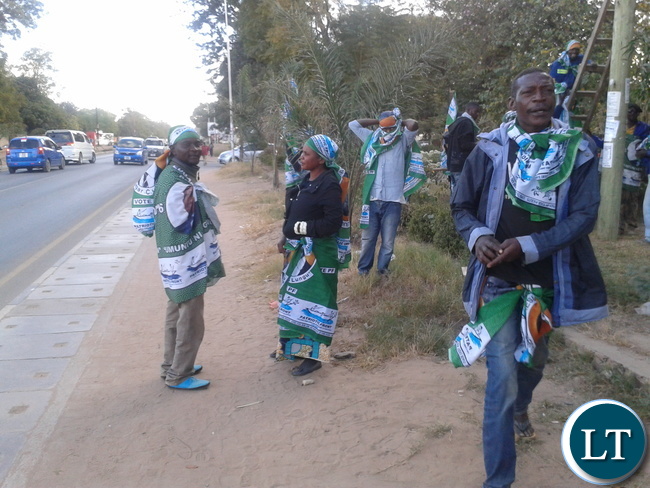
PF campaign materials being sorted in readiness for distributionOne of the trucks loaded with PF campaign materials ready for distributionSOME Patriotic Front (PF) cadres captured while putting up some campaign materials in the Central Business District of ChomaSOME Patriotic Front (PF) cadres captured while putting up some campaign materials in the Central Business District of ChomaSOME Patriotic Front (PF) cadres captured while putting up some campaign materials in the Central Business District of ChomaSOME Patriotic Front (PF) cadres captured while putting up some campaign materials in the Central Business District of ChomaSOME Patriotic Front (PF) cadres captured while putting up some campaign materials in the Central Business District of Choma
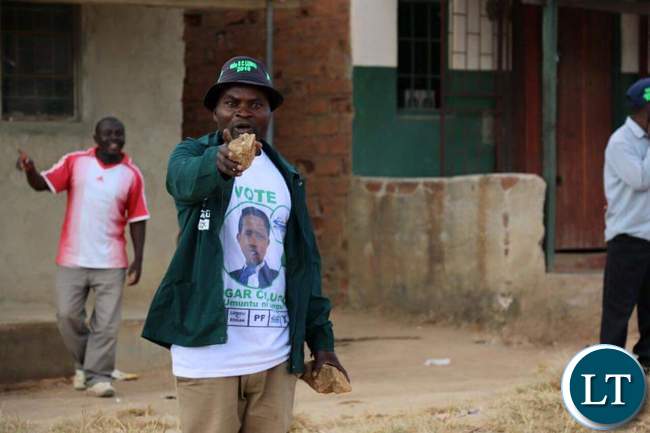
An uncompromising PF cadre about to strike
Unruly PF youths today launched fresh attacks on the UPND campaign team in Tender area in Mafinga district in Muchinga province.
The PF youths who carried different kinds of weapons attacked UPND President Hakainde Hichilema and his team and managed to disperse the UPND supporters.
The residents panicked following the attacks and the rally had to be discontinued.
On Monday, the UPND team was again attacked by PF cadres in Shiwangandu area as PF cadres attempted to bring down the UPND helicopter.
UPND President Hakainde Hichilema described todays attacks as unacceptable.
Mr Hichilema revealed that PF supporters know no other way to vent their frustration or express their difference of opinion other than through violent means.
He said what is happening is pure political persecution by the PF, who have ferried cadres into Muchinga province from Lusaka to follow the UPND campaigns tour.
“This is what we have been calling on President Edgar Lungu to take note of as this chaos is getting out of hand. We have repeatedly said the ongoing breakdown in law and order and the loss of confidence in public institutions, such as the police service and other security wings, will result in untold misery that could engulf the whole country,” Mr Hichilema said.
Meanwhile, Mr Hichilema and his team proceeded to Nakonde and held a public rally at Nakonde grounds later in the afternoon.
Addressing the crowd, Mr. Hichilema said he will enhance trade in border areas and ensure transparency and efficiency in the clearing processes at borders. By promoting economic activity jobs will be created to advance the fight against poverty, he explained.
The UPND President and entourage, who arrived at the venue in light truck, also assured the country of improved security, particularly for those living in border areas.
Meanwhile, running mate Geoffrey Bwalya Mwamba expressed confidence that Mr. Hichilema will open up borders for business and create jobs for the locals.
MMD President Dr. Nevers Mumba said that Zambia will be more united under Mr. Hichilema and charged that currently there is too much poverty and division in the area.
UDF President Miles Sampa said voting for President Lungu is as good as voting for people that the Zambian people removed in 2011.
Mr Hichilema and his delegation are in Muchinga Province on the campaign trail.
A PF cadre ready to launch an attack on UPND supportersPF cadres attacking UPND membersMore PF orchestrated violence in MafingaPF cadres throwing stones and other missiles at a UPND event in Nakonde
The opposition UPND says the group of PF cadres who caused havoc in Shiwang’andu yesterday was hired by a known Minister and his District Commissioner.
UPND Secretary General Stephen Katuka said the savagely acts of alleged PF cadres who attempted to bring down the helicopter would led to lose of life and that the cadres threw all sorts of objects in addition to blocking roads to the meeting.
“When our campaign team arrived in Shiwang’andu, Muchinga Province, yesterday they were confronted with a group of PF thugs hired by a known minister and district commissioner.
“They savagely attempted to bring down the helicopter carrying the UPND team, a situation that could have led to loss of life. They threw all sorts of objects such as pangas and stones, in addition to blocking the roads to our meeting.
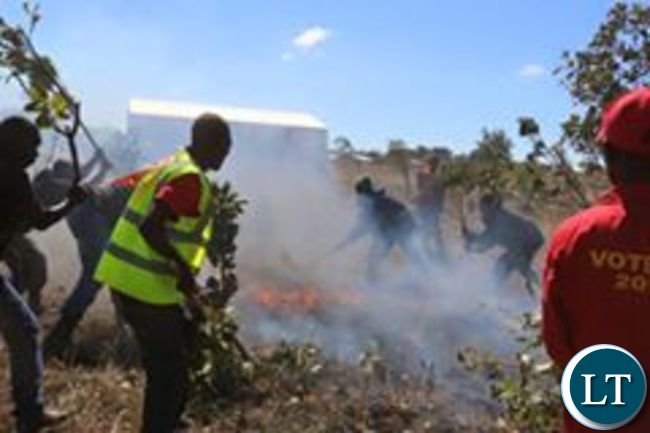
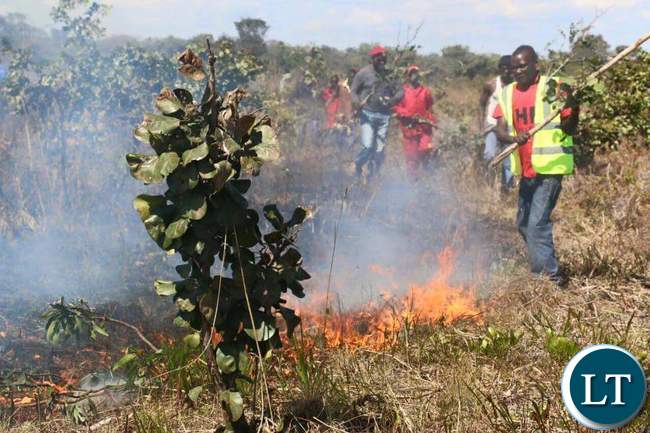
“Even when the police, along with our members, managed to quell the situation, they went to light fires at the venue for our meeting with a view to intimidate and provoke,” Mr Katuka said in a statement.
He also reminded the nation of the events in the same district when alleged cadres from the ruling party pursued the former first lady and her counterpart Mutale Nalumango after they tried to hold campaign meetings in the same District
“Many will recall the shocking scenes from Shiwang’andu last January when PF cadres pursued and threw stones at former First Lady Dr. Maureen Mwanawasa and UPND National Chairperson Mutale Nalumango, along with other members of our team. Yesterday these thugs showed themselves to be as barbaric as ever,” he said.
He thanked the police for acting professionally who quickly dispersed the cadres and other institutions should also starting exhibiting such levels of professionalism if the country is to move forward.
“Nevertheless, we would like to recognise the professionalism of the police in the area, who recognised the threat to the safety of our people and acted quickly to disperse the thugs.
“Putting the safety and security of our citizens first, without discriminating on the basis of political affiliation, these police officers demonstrated the kind of behaviour we need to see more of in this country.
“Acting in the interests of the Zambian people as a whole, and not just those who belong to one party, fosters unity and confidence in our public institutions. If only we could see such professionalism and integrity in service across the country, and at other critical institutions such as ZNBC and ZAF, then it would pave the way for free and fair elections that inspire the full confidence of all our citizens,” the statement further said.
Mr Katuka also said President Lungu will be held responsible if he fails to act on yesterday’s violent acts by alleged PF cadres.
“We wish to warn President Lungu that if he fails to take action following such incidents then he will also be held responsible for retaliation as people begin to defend themselves. As President of the PF and the country he must bring such thugs under control. There should be no such things as a ‘no-go’ area during an open, free and fair campaign and there should be no tolerance of thuggery in party or government structures. President Lungu must act now or reveal his lack of sincerity and care for the peace and stability of our nation,” he said.