The Regional Emergency Preparedness and Access to Inclusive Recovery (Repair) Project, a World Bank funded initiative, meant to provide governments with quick access to disaster response funds.
Zambia is among six countries benefiting in the second phase and has been allocated 70 million United States dollars, for a period of five years.
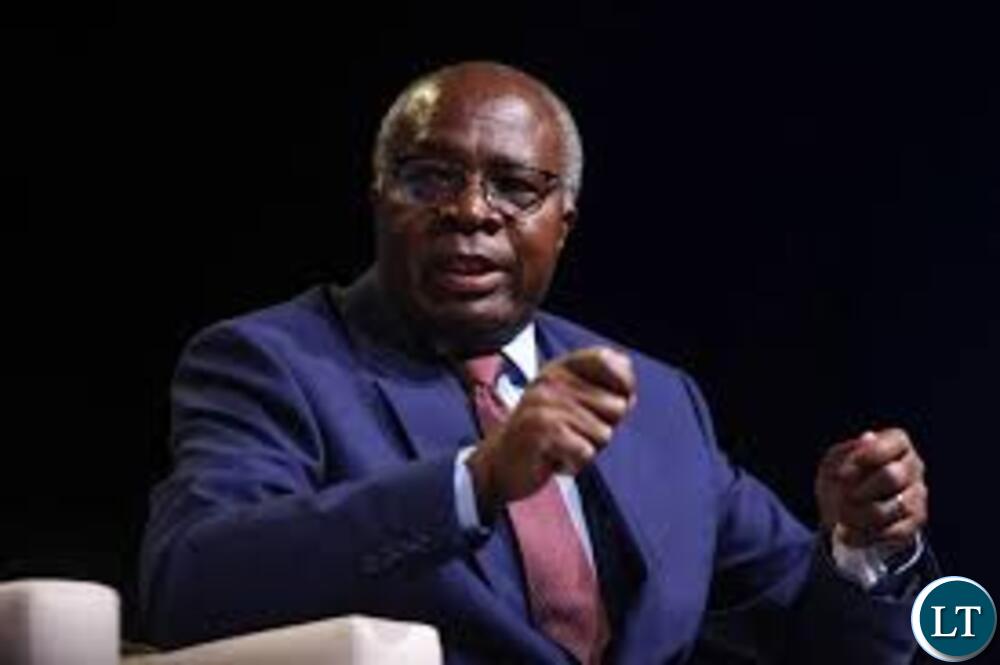
The media reports that speaking during the launch of the REPAIR Project and the Disaster Risk Financing Report in Lusaka, Minister of Finance and National Planning, Situmbeko Musokotwane has warned against corruption and industrialisation of disasters by those involved in the management.
He has observed that disaster response not only aids victims but also generates employment for those engaged in the process, raising concerns that such benefits could foster a desire to perpetuate disasters.
Dr Musokotwane has noted that the need for rapid response during disasters also creates loopholes for corruption, further stressing the need to reduce disasters as well as build resilience in affected areas.
“Yes, for now we are vulnerable, but let’s take practical steps, year after year, slowly, there must be tangible progress to ensure that what is disaster today, 15,20 years from now, will not be disaster because we have done something to create resilience”, Dr Musokotwane emphasised.
The Minister however expressed happiness that the eligibility criteria and guidelines provided under the project will help reduce the risk of corruption in disaster response.
Speaking at the same event, World Bank Country Manager Achim Fock disclosed that the Bank last week approved a US$45 million grant to support Zambia’s climate resilience for economic growth.
He noted that disasters cost Zambia up to US$60 million annually, with extreme events consuming significant portions of the national budget.
He further reaffirmed the World Bank’s commitment to financing, technical expertise, and institutional support to build a more resilient and inclusive Zambia, through the REPAIR Project and beyond.
“Through collaborative work with the government, we aim to improve Zambia’s institutional, technical and financial preparedness for disasters”,Dr Fock indicated.
And Disaster Management and Mitigation Unit (DMMU) National Coordinator, Norman Chipakupaku, underscored the importance of collaboration in building resilience against climatic shocks that affect communities and the national economy.
He further expressed gratitude to the World Bank and other stakeholders for the continued support towards enhancing Zambia’s capacity to manage disaster risks.