Thursday, June 18, 2026
17.4 C
Lusaka
Home Blog Page 14

Police recovers 3 wild birds from Mbala man

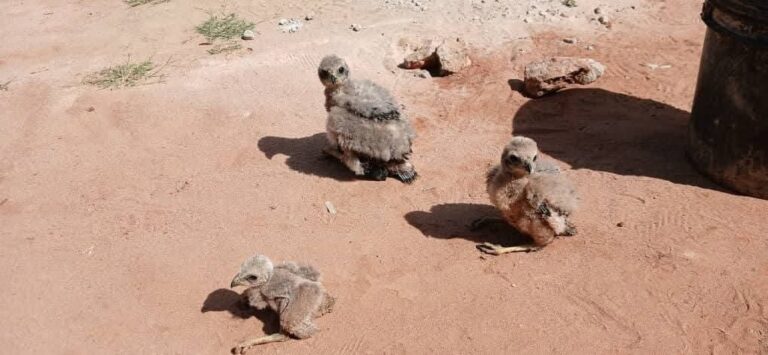
Police in Mbala District have recovered three suspected vulture chicks that were allegedly being kept illegally at a residence in Chila View Compound in Senior Chief Tafuna’s area.

 Northern Province Police Commanding Officer, Simunji Mulonda, says the recovery was made on June 5, 2026 at around 17:00 hours following a tip-off from a reliable informant that an unknown man was unlawfully keeping wild birds at his home.

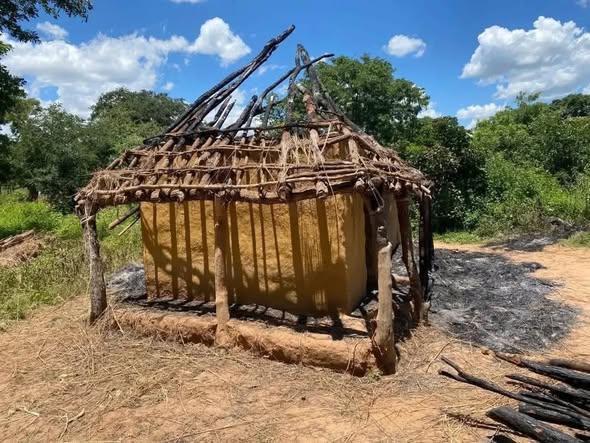
Mr Mulonda said acting on the information, Police Officers conducted a search at the identified residence, and that during the operation, officers discovered three suspected vulture chicks concealed inside an empty 50-kilogramme sack in a grass-thatched kitchen structure.

He said the suspected owner of the birds was not around when officers arrived.

Mr Mulonda said the recovered birds were secured and handed over to the Department of National Parks and Wildlife for further management and investigations.

And the Department of Wildlife and National Parks has since engaged the Veterinary Department, to assess and document the birds ahead of their transfer to Lusaka, where they will receive specialised care.

He said Police have since opened investigations aimed at identifying and arresting the suspect, as well as determining how the protected wildlife species came into his possession.

Mr Mulonda has since reminded members of the public that the illegal possession, trafficking or keeping of protected wildlife species is a criminal offence under the Zambian law.

He has urged citizens to report any suspected wildlife crimes to the Police or relevant wildlife authorities to help protect the country’s biodiversity.

Mr Mulonda said further updates are expected as investigations in the matter continue.

Nakonde Hospital renovation works elates PS

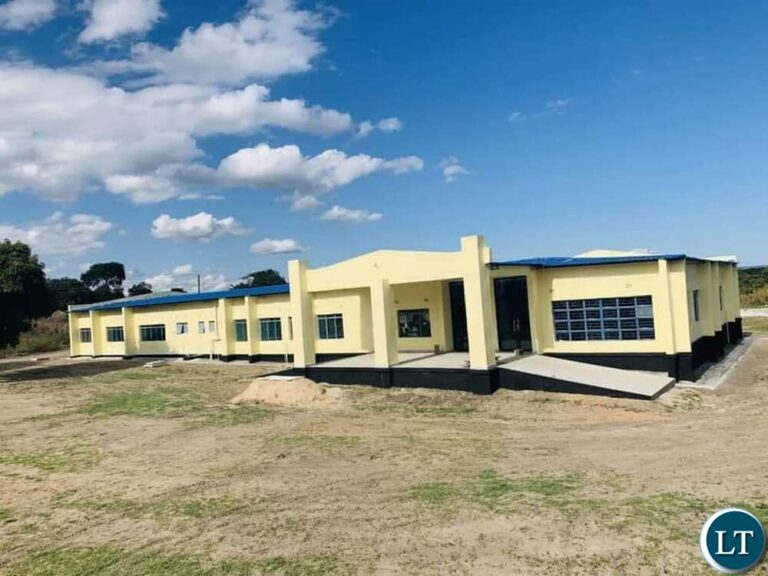
Nakonde District Hospital management has completed emergency repair works on its mortuary unit and upgraded sanitary conditions across all wards.

The structural and hygienic turnaround was revealed during a follow-up inspection conducted by Muchinga Province Permanent Secretary, Tuesday Bwalya, who was accompanied by senior government officials to assess the completed repair works at the facility.

Dr Bwalya expressed satisfaction with the swift improvements, following a strict 14-day ultimatum he had previously issued to the hospital’s administration.

Prior to the repairs, the district’s largest referral health facility was facing severe infrastructure collapses, forcing patients to endure unhygienic conditions.

In mid-May, Dr Bwalya conducted an impromptu spot check at the hospital, during which he discovered that patients were forced to fetch water using buckets and drums due to internal plumbing failures which prevented water from reaching toilets and maternity wards.

During his last visit to the facility, the PS also discovered that the hospital mortuary had been completely non-functional for over three months, causing immense distress to local people

Dr Bwalya said some of the problems that the facility was experiencing can be dealt with by management without being pushed.

He expressed satisfaction with the works done and further commended the promptness and urgency taken on the repairs.

Speaking when he met administrative staff at the hospital, Dr Bwalya, emphasized that public institutions must maintain high operational standards independently.

“Management teams across the province must run these public facilities efficiently with minimum supervision from my office,” Dr Bwalya pointed out.

He stated that taxpayers deserve functioning infrastructure without provincial leaders always stepping in, on local collaboration and costs.

Dr Bwalya said the extensive rehabilitation process required close inter-institutional cooperation between medical staff and local engineering teams.

Nakonde District Director of Health Services, Philip Munkonge, said the rapid response which included the re-operationalisation of the mortuary was made possible through collaboration from the local authority and health department in the district.

Meanwhile, Provincial Health Director, David Silweya, disclosed that the ultimatum served as a positive catalyst, prompting management to look inward and proactively to resolve other hidden operational bottlenecks.

Dr Silweya also expressed gratitude to the government for maintaining stable healthcare support in the region, noting that the availability of essential drugs at the facility currently stands at a commendable rate of over 75 percent.

And Nakonde Town Council Secretary, Donald Mwanza, who oversees all devolved departments, assured that the local authority remains fully committed to intervening whenever structural or operational challenges arise.

“The local authority will continue to work hand-in-hand with the hospital, to ensure that all sanitary problems at the facility are resolved in a timely manner,” Mr Mwanza stated.

Mr Mwanza explained that both institutions will continue to source alternative funding through various council revenue ventures and the health department in a bid to safeguard the facility against future infrastructure decay.

He added that collaborative efforts further made it possible for the local authority to work on the access road that leads to the facility and mortuary area.

Before concluding his visit, Dr Bwalya toured the rehabilitated female, children and maternity wards, and spent time interacting with frontline healthcare workers to appreciate their improved environment.

Chasefu man dies after wife sets house ablaze

Police in Eastern Province has arrested a 44-year-old woman of Chasefu District for allegedly setting her husband’s house on fire, resulting in his death.

Eastern Province Police Commanding Officer, Robertson Mweemba, confirmed the incident to the media, which occurred between midnight and 01:00 hours on June 5, 2026, in Mukanile Village of Nkhanga area in Chasefu District.

Mr Mweemba said the fire left the victim with severe burns all over his body and destroyed property valued at K4,550.

He said the matter was initially reported as a case of arson at Nkhanga Police Post under Lundazi Police Station by Agness Nyirenda, 49, that a grass-thatched house in which her brother-in-law, Jackson Nyirenda, 48, was sleeping had been set ablaze by unknown persons.

“Following the report, Police opened a docket of arson and issued a medical report form to facilitate treatment for the victim,” he said.

Mr Mweemba said Jackson later succumbed to his injuries at around 22:00 hours on the same day while receiving treatment at Lundazi District Hospital.

“The body has since been deposited in the hospital mortuary awaiting a post-mortem examination,” he said.

Mr Mweemba said investigations have since instituted saying the deceased and his wife, Mary Vuma, had earlier gone on a drinking spree before returning home around 20:00 hours.

He disclosed that the couple later had a misunderstanding over the issue of the deceased’s second wife and the sharing of their daughter’s lobola.

“The disagreement prompted Mr Nyirenda Jackson to leave the matrimonial house and sleep in a smaller house nearby that was intended to accommodate his second wife. It was then that the suspect allegedly set the house on fire while the victim was asleep before fleeing from the scene,” Mr Mweemba said.

He said the victim was later rescued by his 16-year-old son, after he noticed the house engulfed in flames, but he had already sustained serious burns.

Mr Mweemba said officers have since apprehended the suspect, who is currently in custody to help with investigations and is expected to be formally charged and appear in court soon.

Govt. outlines Ebola preparedness measures

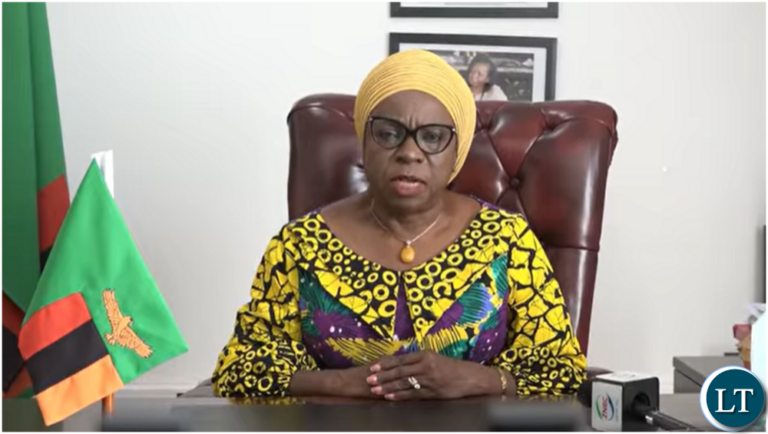
Vice President Mutale Nalumango has reassured Zambians that government is treating the Ebola Virus Disease outbreak in the Democratic Republic of Congo(DRC) and Uganda with the seriousness it deserves, as national systems have been assessed and strengthened to prevent, detect and respond to any threat.

 Mrs Nalumango says although Zambia has not recorded any confirmed cases linked to the current outbreak, the country’s proximity to affected countries and high cross border movement demand vigilance.

Speaking during the National address on ZNBC TV this evening, Mrs Nalumango said Regional public health updates continue to report confirmed cases and deaths in DRC, with cases also reported in Uganda and as of 2nd June, 2026, DRC has reported 344 confirmed cases and 60 deaths, while Uganda has recorded 15 confirmed cases and 1 death.

Mrs Nalumango stated that despite the country not recording any confirmed cases linked to the outbreak, the geographical proximity to affected countries, the trade and travel links and the high level of cross-border movement require the country to remain vigilant, coordinated, and fully prepared.

The Vice President said government, through the Ministry of Health, Zambia National Public Health Institute (ZNPHI), provincial and district health offices, has conducted a national assessment of readiness covering surveillance, laboratory testing, infection prevention and control, case management, border health measures, emergency coordination, risk communication, logistics and essential supplies.

“This assessment has covered surveillance, laboratory testing, infection prevention and control, case management, border health measures, emergency coordination, risk communication, community engagement, logistics and the availability of essential supplies. It has also helped us to identify and address operational gaps so that resources are directed where they are most needed,” she said.

Mrs Nalumango said surveillance has been heightened countrywide, with health workers alerted to promptly identify and report suspected cases, case definitions and reporting protocols have been reinforced, while rapid response teams remain on standby.

“Laboratories are prepared to process samples safely, and referral pathways are being strengthened for isolation and safe transport of suspected cases, screening and health checks have also been reinforced at international airports, major border posts and strategic crossings and port health officers, immigration officials and security are working together to assess travellers while maintaining order and respect.

Mrs Nalumango said government is mobilising protective equipment, medical supplies and other commodities for national, provincial and district levels and training has been extended to frontline health workers, border officials, emergency responders, security personnel and community volunteers.

“We are also strengthening infection prevention and control measures in health facilities to protect patients, health workers and the wider public,” she said.

The Vice President stressed that community engagement remains central, urging citizens to rely on official information from the Ministry of Health and ZNPHI and to avoid misinformation and rumours.

“The fight against Ebola cannot be won by the government alone. We are working with traditional leaders, religious leaders, civil society, the media and community structures to ensure that accurate information reaches every household, this is particularly important because fear, misinformation and rumours can weaken public health responses and delay people from seeking timely care,” she said.

Mrs Nalumango noted that recent alerts of suspected viral hemorrhagic fever were promptly investigated and both tested negative for Ebola, saying this shows preparedness works when communities report early.

She has called on citizens to remain calm, alert and responsible stating that Ebola spreads through direct contact with blood or body fluids of a sick or deceased person, and urged anyone with symptoms such as fever, severe weakness, vomiting, diarrhea, unexplained bleeding, or symptoms after travel to affected areas to seek medical attention immediately.

“I further urge members of the public to practice good hygiene, cooperate with health workers at points of entry and in communities, avoid spreading unverified information, and promptly report suspected public health events,” she added.

Mrs Nalumango further emphasized that suspected public health events can be reported through the national toll-free hotline 7020 or to the nearest health facility and later assured the citizens that the government will continue monitoring regional developments, work with neighbors, international partners and keep the public informed as the situation evolves.

Ebola outbreak caused by the Bundibugyo virus was declared a Public Health Emergency of International Concern by the World Health Organisation on May 16, 2026.

Ngoni Bemba Mbuyaship Powdering During Mpezeni Funeral

By Mwizenge S. Tembo, Ph. D.

Emeritus Professor of Sociology

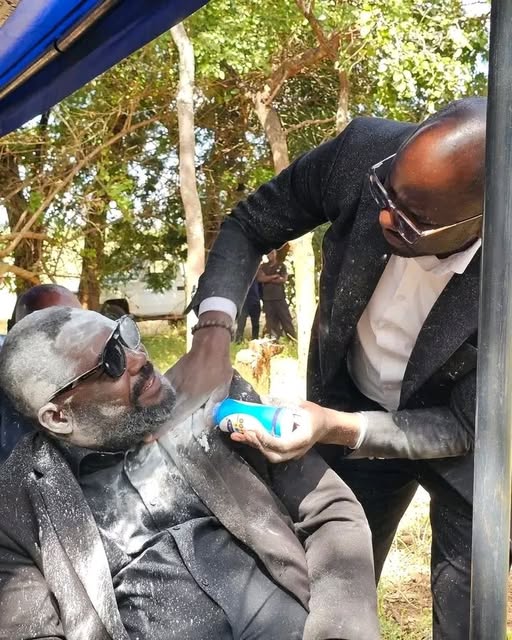
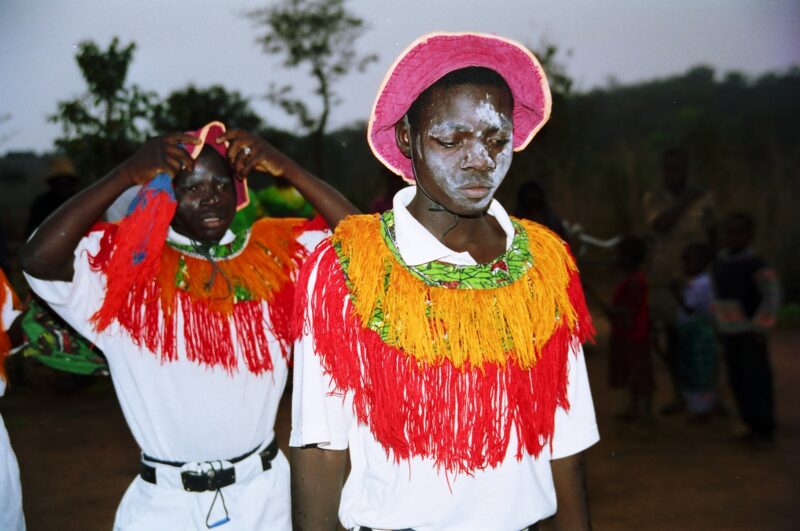
Since the Paramount Chief Mpezeni IV of the Ngoni people of Zambia passed away on May 30, 2026, at the age of 75, there have been many public and personal reactions among my fellow Zambians. While the 22.5 million Zambians learned the sad news through the media, what has garnered a lot of attention are what appear to be offensive images on social media. These images appear to be videos of one or two Zambian men apprehending another Zambian man who is smart looking, wearing clean clothes with a tie being smeared with white stuff all over the face, the head and hair, the neck, and chest. The victim appears embarrassing, funny, degraded, and humiliated. This is called powdering among Zambians, and it is not new. This article will discuss what Mbuyaship is, what powdering is, what its purpose is, who is doing the powdering now and who is the target, why are individuals powdering others, and who can participate in the powdering and who should not participate in the powdering. Last, the article will discuss cautions about powdering.

Mbuya is a noun which means grandfather or grandmother in languages particularly from the Eastern and Northern Provinces of Zambia. Another term for mbuya among the Tumbuka, Chewa, Ngoni in the Eastern Province and Malawi is agogo. The traditional deep kinship customs of mbuya or agogo going back hundreds of years is that the two individuals involved in the relationship joke, tease each other, and may sometimes playfully lightly wrestle with each other. That light playful physical contact is called kumphatana between cousins among the Tumbuka. This relationship of joking with and teasing each other is also very central between cousins or in cousinship. This mbuyaship is what exists today among the Bemba of Northern Province and the Ngoni of Eastern Province. How did this mbuyaship happen between the people from the 2 tribes?

The reader might not appreciate the deep history of the Ngoni-Bemba mbuyaship just by a 5-minute read in social media. The reader should read the book by the great Zambian Historiographer the late Yizenge Chondoka who dedicated most of his life to researching indigenous Zambian history. In Chapter 8 titled: “The Bemba-Nthuto Ngoni War and the Beginning of the Cousinship” in his book “The Zwangendaba Mpezeni Ngoni”, Chondoka says in the 1800s the Ngoni and Bemba fought numerous wars and battles.

“It is important to note that up to this day, the Bemba claim that they defeated the Nthuto-Ngoni, and that, that is why they left Bembaland. On the other hand, the Ngoni also claim that they defeated the Bemba but left their territory because the Bemba did not have enough cattle to fight for.” (Chandoka, 2017, p.71)

It was after these wars in the 1800s that the mbuyaship between the Ngoni and the Bemba started that exists up to this day in 2026 expressed during the funeral period after the death of Paramount Chief Mpezeni. But why are the Bemba powdering, and what the reader may regard as humiliating the Ngoni during this funeral?

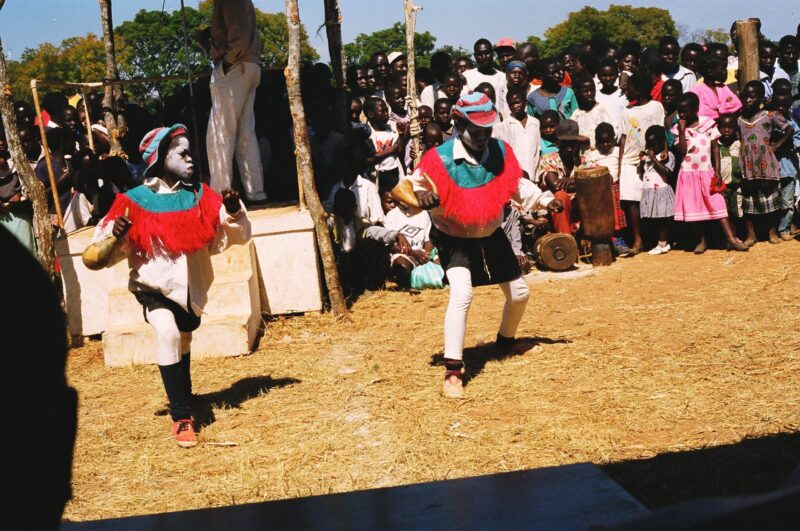
What Zambians call powdering today is a very common practice deeply embedded in traditional Zambian culture. The white painting of the face and the whole body was very common among most of the 72 Zambian tribes. The painting was done when individuals were experiencing significant life events such as during marriage and wedding ceremonies, during funerals, and especially during initiation ceremonies (Chinamwali among the Ngoni and Chewa and Chisungu among the Bemba for girls) when boys and girls were transitioning from being boys to young men and girls to young women. Sometimes in some traditional dances among the 72 Zambian tribes, dancers may powder their faces and bodies. The anthropology scholar Victor Turner discusses rites of passage. In his book “The Forest of Symbols: Aspects of Ndembu Ritual” Turner called the period of psychological transition the process and state of liminality.

Modern Zambian urban Bemba and Ngoni people may use modern white commercial powder. But traditionally, very fine white mealie-meal and cassava meal used for cooking nshima were used for painting the head, face, and the body. There may also have been some white substances from trees in the bush that may have been used for powdering or painting the faces and bodies white.

The powdering that is happening from the Bemba of the Ngoni is to express and cement their mbuyaship during the mourning, funeral, and burial process. Next time there is a major death among the Bemba, the process of powdering will be reversed during which the Ngoni will powder the Bemba. The mbuyaship expresses love and solidarity between the individuals from the Ngoni and Bemba tribes that goes back to the 1800s. Whenever I have attended burials between we, the Ngoni and our cousins the Bemba in Lusaka during the last 50 years, the mbuyaship activities especially at the cemetery lighten the burden, the mourning and the burial process. The powdering injects some humor and lightens what is a deeply grieving occasion of mourning, loss of a loved one, and deep sadness. For those Zambians who may express concern that the powdering is ruining their clean clothes, face, and destroying their dignity, you should be aware that when Zambians attend funerals, the traditional custom is that they wear old used clothes for both men and women. To familiarize yourself with Zambian funeral customs, read Chapter 15 in my book “Satisfying Zambian Hunger for Culture (2012)” that describe funeral customs in Zambia.

Who can powder who during the Paramount Chief Mpezeni mourning and funeral? Only individuals who belong to the Bemba tribe can powder the Ngoni mourners. It is a serious taboo for anyone who is not a Ngoni or Bemba to powder a mourner or to participate in the mbuyaship. The powdering is never meant for random people to run around aggressively powdering, harassing, and physically assaulting others during mourning and the funeral process. You can see in the photo that Mr. Dickson Jere who is being powdered by a Bemba is smiling.

As I was scrolling through social media, someone raised the issue that powdering the face, the eyes and nose may cause harm from talc in the commercial store-bought powder. The powder may cause painful eye irritation. What if someone is asthmatic and has other bronchial allergies to commercial powder? I would strongly recommend people use the traditional breakfast or other maize mealie-meal, cassava meal, or traditionally pounded white mealie meal.

There should be some reasonable logical places where powdering should be done. It might not be appropriate to do it at the office at work during working hours unless there is prior acceptance, agreement, or arrangement. Afterall, the Ngoni Bemba mbuyaship often happens between individuals who know each other very well. In case of the coming funeral and any other funerals, powdering is often best done in the physical environment of the premises of the mourning house and the cemetery.

Barbra Banda in Hamstring Scare Ahead of WAFCON

2

Zambia coach Nora Häuptle has confirmed star forward Barbra Banda is nursing a hamstring injury ahead of next month’s Women’s Africa Cup of Nations in Morocco.

‎Banda missed Zambia’s Four Nations match against Kenya at Levy Mwanawasa Stadium, which the Copper Queens won 4-1 on penalties after a 1-1 draw.

‎She sat out of training before the game.

‎“Barbra had a strain on the hamstring while playing for Orlando Pride in the US. It was not a relegation to the bench,” Häuptle told journalists after the match.

‎“We assessed her, did an MRI and started treatment when she arrived in camp. This is not the moment to risk a top player like Barbra. If we make errors on her it can worsen the injury.”

‎Häuptle is optimistic Banda will recover in time. “Don’t worry about her, she will be fine toward WAFCON. She should recover well in the next one or two weeks.”

‎Fridah Mukoma also missed the Kenya game through injury. “For Fridah, we need to assess her properly. I don’t think it is very serious, but I cannot release medical details now,” Häuptle said.

‎Zambia face Zimbabwe in Tuesday evening’s Four Nations final.

‎Zimbabwe beat Lesotho 3-1 earlier in the day.

Endorsements Grow, But Makebi Says Voters Will Have The Final Word

The endorsements keep coming. The defections keep making headlines. And Makebi Zulu keeps repeating the same message: none of it will matter until the ballots are counted.

The Tonse Alliance presidential candidate has pushed back against suggestions that a growing number of political endorsements for President Hakainde Hichilema provide a reliable indication of what will happen when Zambians go to the polls on August 13. His message is straightforward: elections are decided by voters, not by politicians changing sides. The endorsement story has become one of the most persistent features of this campaign season. Barely a week passes without another opposition figure, independent candidate or former political rival publicly backing President Hichilema and the ruling UPND.

For the ruling party, each endorsement is presented as evidence that support for the administration is extending beyond traditional political boundaries and regional affiliations. Former vice-president Enoch Kavindele has been among the strongest voices advancing that view. He has said experienced politicians do not switch positions casually, but assess developments across the country, consider national issues and make political judgments based on what they see. His position is that many of those endorsing President Hichilema have examined government programmes and concluded that supporting the incumbent is the right course.

Makebi Zulu takes a different view. The Tonse Alliance leader has stopped short of dismissing the endorsements altogether. Instead, he has drawn a distinction between endorsements by political figures and choices made by voters. In his view, the alliance’s support among ordinary Zambians remains intact and is rooted in the experiences, expectations and concerns of citizens rather than decisions made by politicians.

At the centre of the disagreement is the issue of political momentum. The UPND wants voters to see the election moving in its favour, with endorsements presented as evidence of growing acceptance of President Hichilema’s leadership. Endorsements are among the most visible tools available to any campaign seeking to demonstrate political strength and broaden its appeal. The party’s supporters view the endorsements as confirmation that confidence in the administration continues to expand.

Opposition leaders understand the value of that perception, which helps explain why Makebi Zulu and his allies continue to challenge the notion that endorsements provide a clear indication of electoral outcomes. Their position is that support should not be measured by political declarations alone and that voters retain the final authority at the ballot box. By challenging the significance attached to endorsements, they are seeking to keep attention focused on the electorate rather than on political figures changing allegiance.

History provides examples of elections where expectations changed during campaigns. Political momentum has shifted, endorsements have not always translated into votes and electoral outcomes have sometimes differed from assumptions made during campaign periods. Whether that happens again in August remains a matter for voters and not political commentators, candidates or endorsers.

On that point, there is broad agreement across the political divide. When polling stations open, endorsements, defections and campaign declarations will give way to the choices made by citizens. What remains will be a ballot paper and a decision made by each voter. That decision belongs to the people.

Blood On The Campaign Trail: Chawama Violence Puts Zambia’s Election Season On Edge

Five arrests, competing accounts and an active police investigation have placed campaign conduct, political tolerance and law enforcement accountability under scrutiny ahead of Zambia’s August 13 general election.

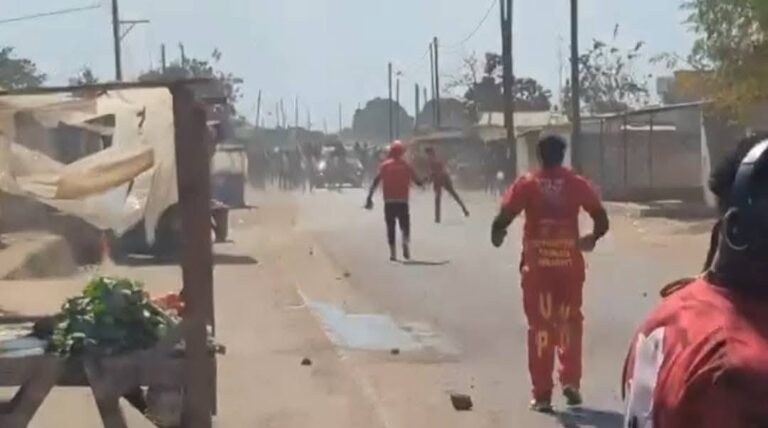
A confrontation between supporters linked to the Tonse Pamodzi Alliance and the UPND in John Howard Compound, Chawama, on Friday afternoon left several people injured, property damaged and five suspects in police custody. The incident prompted responses from political leaders, law enforcement agencies, electoral authorities and civil society organisations and renewed attention on the responsibility of political actors to maintain peaceful campaigns during a critical period of the electoral process.

Police say the disturbances occurred during political activities in the area and resulted in injuries, destruction of property and damage affecting a ward office. Investigators have since arrested five suspects facing charges that include aggravated robbery, malicious damage to property, assault and unlawful wounding. Authorities have indicated that investigations remain active and have not ruled out additional arrests as evidence continues to be gathered. Police have maintained that all actions taken so far have been guided by the findings of investigators and that anyone found to have committed offences will be dealt with according to the law.

While the facts surrounding the arrests are largely undisputed, differing accounts have emerged regarding responsibility for the violence. Tonse Alliance candidate Nundwe has questioned the direction of the investigation and alleged that opposition supporters were unfairly targeted despite being victims of attacks carried out by individuals wearing UPND regalia. The ruling party has rejected those allegations and defended the conduct of law enforcement agencies. The competing accounts have ensured that the Chawama incident is no longer being viewed simply as a local political confrontation but as a matter carrying political and institutional implications beyond the constituency.

The timing of the incident has added to its significance. Campaign activities are gathering momentum across the country following the completion of nominations, with political parties increasing their presence in constituencies ahead of polling day. The Electoral Commission of Zambia has repeatedly urged political parties, candidates and supporters to comply with the Electoral Process Act and conduct campaigns peacefully. On Sunday, ECZ Chairperson Mwangala Zaloumis renewed those appeals, calling on political stakeholders to avoid actions that could fuel tensions or undermine confidence in the electoral process.

The Chawama confrontation has also prompted discussion about political tolerance and the obligations of leaders to discourage violence among supporters. UPND Deputy Secretary-General Gertrude Imenda joined calls for restraint and urged political players to comply with ECZ guidelines. Similar messages have come from church organisations, governance groups and civil society bodies, many of which have warned that unresolved political confrontations can contribute to heightened tensions during election periods. Their interventions underscore the importance of maintaining a peaceful campaign environment throughout the electoral process.

Attention has also shifted to the role of law enforcement agencies and the importance of trust in ongoing investigations. A Sunday Nation editorial argued that police investigations conducted during election periods must not only be fair but must also command public confidence. That challenge extends beyond arrests and criminal charges. Public perceptions of impartiality often influence confidence in electoral security, making transparency and consistency important elements of any investigation involving politically sensitive incidents. For that reason, the handling of the Chawama matter is likely to remain under scrutiny from political parties, civic organisations and members of the public.

Beyond the criminal investigations and political exchanges, the incident has revived discussion about Zambia’s record of conducting elections without the widespread political violence experienced in some parts of the region. Preserving that record requires commitment from political leaders, law enforcement agencies, civil society organisations and ordinary citizens alike. Investigations into the Chawama violence remain ongoing, further arrests have not been ruled out and any eventual court proceedings may determine criminal liability arising from the incident. Until then, the findings of investigators, decisions by prosecutors and judgments of the courts will help shape how the events in Chawama are viewed during the 2026 election campaign.

EDITOR’S NOTE: The Chawama incident has become an early test of campaign discipline during Zambia’s 2026 election season. Investigations remain active and authorities have indicated that additional arrests may follow as evidence continues to be assessed.

The Convention That Never Was: Longwe Takes HH Candidature To Constitutional Court

In a country where elections are frequently contested, there is something unusual about a legal challenge that comes from within a political party itself.

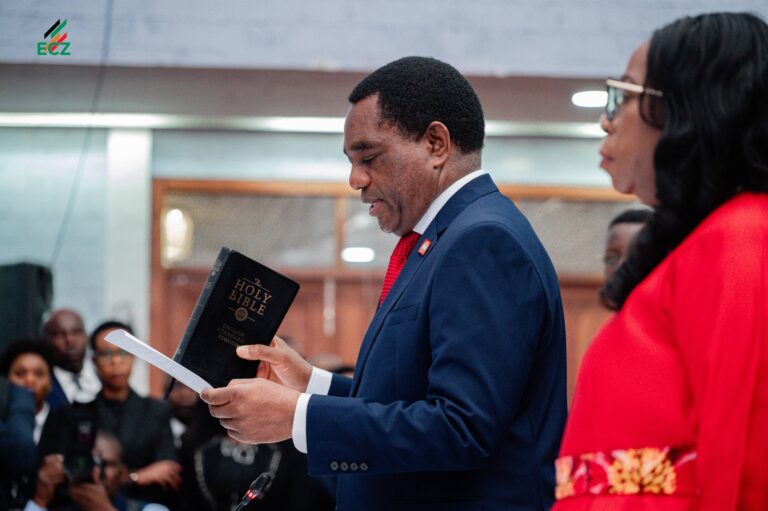
The man before the Constitutional Court questioning the validity of President Hakainde Hichilema’s candidature in the August 13 general election is Charles Longwe, the founder of the very party whose nomination process he is now challenging. The court has set June 19 as the date it will hear the matter.

This is not a routine petition. It is a dispute that raises questions about whether the UPND followed its own procedures before submitting its presidential candidate to the Electoral Commission of Zambia.

The Argument Behind The Petition

Longwe’s case is built on a single legal argument: that the UPND did not hold a valid convention before nominating President Hichilema as its presidential candidate on May 22, 2026.

He contends that the party’s constitution required a convention to be held before any valid adoption of a presidential candidate could take place. Without that convention, he argues, the nomination itself is constitutionally defective.

Importantly, the petition does not challenge President Hichilema’s citizenship, age, qualifications or personal eligibility to contest the election.

Instead, the case focuses on whether the party complied with its own constitution when it selected its candidate. That distinction is important because the proceedings focus on the nomination process itself rather than the personal qualifications of the candidate.

The UPND Pushes Back

The ruling party has already moved to defend the nomination process.

Lawyers representing President Hichilema, including State Counsel Mulambo Haimbe and Michael Moono, have confirmed their participation in the matter. The UPND has also sought to have the petition dismissed, arguing that it lacks merit.

With the August election approaching, the case places the party’s nomination process under judicial scrutiny at a time when campaigns are intensifying across the country.

A Hearing Scheduled For June 19

The Constitutional Court has assigned the matter for a full bench hearing. Judge Martin Musaluke presided over the scheduling conference that set June 19 as the hearing date. Judgment is expected to be delivered at a later stage.

The timing is significant. Recent weeks have seen several election-related disputes move through the courts involving parliamentary candidates, running mates and nomination procedures.
The challenge involving President Hichilema’s candidature now joins a growing list of election matters awaiting determination before polling day.

Questions Before The Court

Whatever decision the Constitutional Court reaches, the proceedings will require judges to interpret the relationship between party constitutions and national electoral processes.

Political parties establish their own constitutions, procedures and rules. Where questions arise regarding compliance with those rules, courts may be called upon to determine whether the processes followed were consistent with the governing documents of the party concerned.

How the Constitutional Court interprets the UPND’s procedural obligations could influence how political parties approach nomination processes in future elections.

Longwe maintains that the party constitution must be followed.

The UPND maintains that its nomination process was valid and that President Hichilema was properly adopted as the party’s presidential candidate. The matter will now proceed to hearing on June 19.

Until then, President Hichilema remains the UPND’s adopted candidate, while the petition continues through the Constitutional Court process ahead of the August 13 general election.

EDITOR’S NOTE: The Constitutional Court is scheduled to hear the petition on June 19, 2026. The matter concerns the process through which President Hakainde Hichilema was nominated as the UPND presidential candidate for the August 13 general election.

Running Away From Yourself; GARY NKOMBO

By Michael Lombe

Bob Marley’s timeless message in Running Away is that a person may run from circumstances, critics or uncomfortable truths, but can never truly run away from themselves. Politics offers many examples of this reality.

Garry Nkombo’s political journey is one such story worthy of reflection. Before becoming one of the most recognisable figures in the UPND, he sought election to Parliament and failed on two occasions, first under the then ruling MMD in 1998 and later under the FDD in 2001. It was only after joining the UPND that his fortunes changed. In 2006, he won the Mazabuka parliamentary seat and went on to enjoy a parliamentary career spanning two decades.

For this reason, many UPND members believe the party deserves recognition for providing him with a political platform, adopting him repeatedly and entrusting him with leadership responsibilities over the years. They believe that the UPND transformed him from a perennial contender into a national political figure.

Yet questions were often raised within sections of the party regarding his political relationships and political choices. At a time when many UPND supporters viewed the Patriotic Front as a political adversary determined to weaken both the party and its leader, President Hakainde Hichilema, Nkombo was frequently perceived as maintaining unusually cordial relations with prominent PF figures like Kaizer Zulu and late President Edgar Lungu himself.To some within the UPND, this created unease and fuelled concerns about his political judgement.

These concerns intensified when he voted against Bill 7, contrary to the collective position taken by his party. To many UPND supporters, this was not merely a difference of opinion but a direct challenge to party unity on a matter of strategic political significance. Their fear was that had the Bill failed as a result of divisions within the ruling party, the PF would have seized upon that outcome as evidence of a weakening government and used it as a platform to advance its political comeback narrative ahead of the 2026 election.

Whether these concerns were justified or not, the perception persisted among some party members that he increasingly carried himself as an heir apparent rather than a team player within a collective movement. It was clear that Gary had swallowed the bait dangled by the PF. Politics, however, is often as much about perception as it is about reality.

Today, as debate continues around his political conduct and ambitions, Bob Marley’s words remain instructive. Every politician must BE occasionally pause and examine themselves honestly. The most difficult questions are not those posed by opponents, journalists or social media commentators. They are the questions posed by one’s own conscience.

In the end, political careers are shaped not merely by ambition, but by loyalty, gratitude, discipline and self-awareness. The UPND gave Garry Nkombo the platform upon which his political career flourished. History records that fact. Equally, history will judge how he responded to that trust.

As Marley reminded us, one may run far and wide, but one can never run away from oneself.

Michael Lombe is a seasoned political commentator and public affairs analyst with a keen interest in governance, leadership, party politics and national development. He writes extensively on contemporary political issues, offering perspectives shaped by history, institutional memory and the evolving democratic landscape of Zambia

Govt, Church encourages democratic participation

Ministry of Information and Media Permanent Secretary, Thabo Kawana, says government and the Church share the mandate of ensuring that citizens are sensitised on their democratic participation, particularly the right to vote.

Mr Kawana emphasised that both the church and government have the responsibility to educate young people about the right path of life, teach them essential life skills, and foster good values.

He made the remarks during his visit to the Highlands District Congregations’ fundraising meeting held at Chitukuko Seventh Day Adventist Church in Mtendere East.

During the event, Mr Kawana donated K50,000 raised among some Permanent Secretaries towards the purchase of land intended for building a permanent campsite for the Church.

He also commended the Seventh-day Adventist Highlands District, which comprises 11 congregations, for setting a target to acquire land that will positively contribute to society.

And District Pastor, Joseph Kaboleka expressed gratitude to the government and Mr Kawawa for taking the time to attend the occasion.

Meanwhile, Chairperson of the District Planning Committee of SDA Lusaka District, John Kayesa, disclosed that the Church has set a target of K300,000 to purchase land which they have identified in the Chinyunyu area.

Elder Kayesa explained that the meeting was focused on raising funds to acquire the land in order to build a permanent campsite for the Church.

“We want to buy and develop this land as soon as possible,” he said.

Copper Queens Reach 4-Nations Final

0

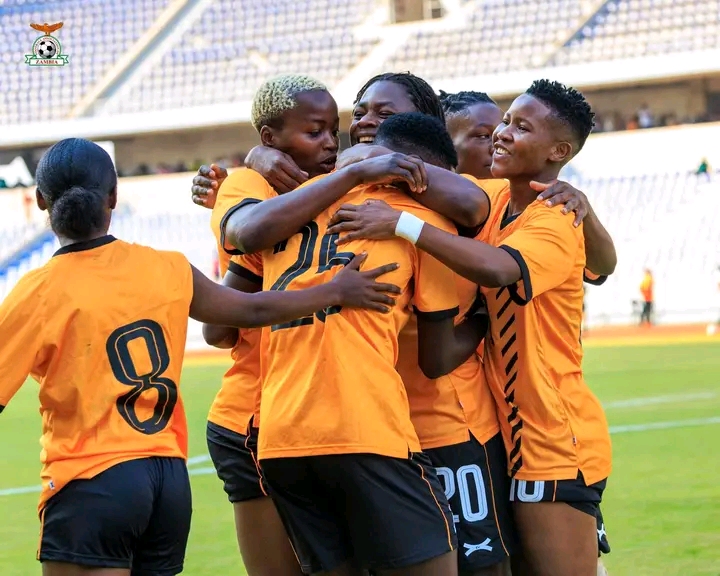
The Copper Queens have reached the final of the Four Nations tournament in Ndola after struggling to eliminate Kenya at Levy Mwanawasa Stadium.

‎Zambia needed post-match penalties to edge Kenya 4-1 after a 1-1 draw on Saturday afternoon.

‎The Copper Queens will face Zimbabwe in the final on Tuesday evening.

‎Zimbabwe advanced to the final after thumping Lesotho 3-1 in the earlier lunchtime match at Levy Mwanawasa Stadium.

‎Kenya took the match against Zambia to penalties after equalising 13 minutes from full time. Marion Serenge cancelled out Priscar Chilufya’s 4th-minute opener for Zambia.

‎During the shootout, Zambia scored all their spot kicks through Irene Lungu, Racheal Kundananji, Saliyah Mwanza and Ochumba Oseke.

‎Meanwhile, Zambia star Barbra Banda did not make the team that faced Kenya.

‎Zambia and Kenya are warming up for next month’s Women’s Africa Cup of Nations (WAFCON)

(Image by FAZ Media)

UPND OPEN TO WELCOMING BACK GARRY NKOMBO IF HE RENOUNCES REBELLIOUS CONDUCT

UPND Deputy Secretary General Gertrude Imenda says the party is open to welcoming former Mazabuka Central Member of Parliament Garry Nkombo back into its ranks, provided he renounces what she described as rebellious conduct and recommits himself to the party’s principles and leadership.

Speaking to Phoenix News in an interview, Ms. Imenda said the UPND has previously welcomed back members who had defected, questioning why Mr. Nkombo should be treated differently.

She argued that Mr. Nkombo isolated himself from the party through his actions, noting that the UPND could have considered him for re-adoption as its candidate for Mazabuka Central had he sought adoption through established party processes.

Ms. Imenda said Mr. Nkombo’s decision to contest as an independent candidate denied him that opportunity.

She has further urged Mr. Nkombo and his supporters to avoid a sense of entitlement based on his contributions since joining the party in 2006, stating that many members have equally made sacrifices for the UPND over the years, with some even losing their lives in the struggle for the party’s success.

UN Honours Tow Fallen Zambia Soldiers

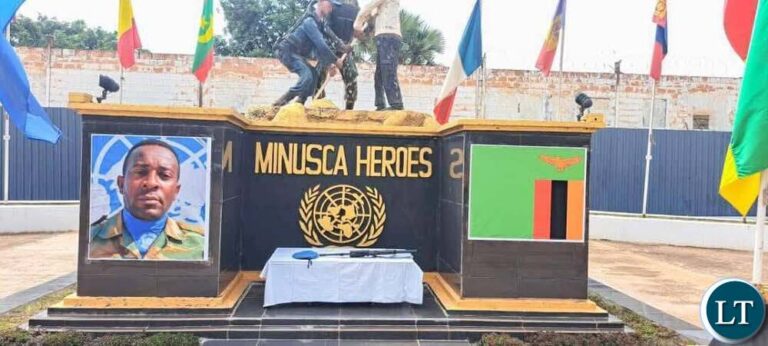
Two Zambian soldiers who died while serving under the United Nations Multidimensional Integrated Stabilisation Mission in the Central African Republic (MINUSCA) have been honoured posthumously by the United Nations.

Staff Sergeant Alick Banda and Corporal Steve Muloke Sakachoma were recognised for their service and sacrifice during a memorial ceremony held at the UN Headquarters in New York yesterday.

UN Secretary-General António Guterres conferred the honours during an event dedicated to paying tribute to peacekeepers who have lost their lives while serving in conflict and post-conflict areas around the world.

Corporal Sakachoma died on June 20, 2025, after sustaining gunshot wounds during an attack while on duty in the Central African Republic.

Staff Sergeant Banda died on December 29, 2025, following an illness during his deployment with the peacekeeping mission.

The Zambia Army reports that the recognition by the UN is in honour of the soldiers’ contribution to international peace and security and their ultimate sacrifice while serving under the MINUSCA.

The ceremony, attended by diplomats, senior UN officials and representatives of member states, was held days after Zambia joined other countries in commemorating the 2026 International Day of United Nations Peacekeepers under the theme, “Invest in Peace”.

Zambia’s Permanent Representative to the United Nations, Dr Chola Milambo, and Zambia’s Military Adviser to the Permanent Mission to the United Nations, Brigadier General Oliver Musonda, received the honours on behalf of the two deceased soldiers.

CRIMINALS BURN FIVE HOUSES, KILL SEVEN IN LUKULU

Seven people, including a baby, have died after suspected criminals attacked a village in Lukulu District, Western Province, and set five houses on fire.

According to Western Province Commanding Officer Rae Hamoonga, the attack occurred between 01:00 hours and 02:00 hours this morning at Kamboyi Village in the Imenda area, about 20 kilometres north of Lukulu Boma along the Lukulu-Watopa off-road.

The assailants, who were armed with offensive weapons, stormed the village and torched five houses together with household property.

Hamoonga said the houses were completely burnt to ashes.

“As a result of the attack, seven people tragically lost their lives. Six victims are believed to have died in the inferno while one infant was allegedly murdered using a hammer,” disclosed Hamoonga.

The deceased have been identified as Beatrice Kandanda, 60, Kamboye Kamboye Junior, 28, Chilemu Chingi, 70, Bisesa Susiku, 25, Simon Kapalu, nine, Mathews Mukimba, 28, and Miracle Muhona, aged one year and five months.

Police said Ruth Kamboyi, 29, sustained a swollen face and a cut on the head after being assaulted during the attack.

Three other victims, identified as Wana Kamboyi, 22, Eunice Mukimba, 45, and Mahongo Kamboyi, 16, suffered burns on various parts of their bodies.

Police further revealed that after carrying out the attack, the criminals reportedly stole 43 cattle comprising bulls, cows and oxen branded VR/68, valued at about K370,500, belonging to Kamboyi Kamboyi.

Hamoonga said intensive investigations have been launched into the case, which involves murder, aggravated robbery and arson.

He said no arrests had been made.