Zambia has called for renewed global commitment and sustainable financing in the fight against HIV/AIDS to ensure the disease is no longer a public health threat by 2030.
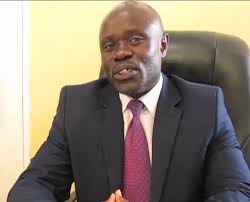
Delivering Zambia’s national statement during the 2026 High-Level Meeting on HIV/AIDS in New York, Ministry of Health Permanent Secretary Dr George Sinyangwe reaffirmed the country’s commitment to working with the international community to reduce HIV to levels where it ceases to be a public health threat by 2030.
The High-Level Meeting on HIV/AIDS is convened every five years and has served as the principal global political and accountability platform for reviewing progress in the global HIV response since 2001. The meeting also renews commitments towards ending AIDS as a public health threat within the next four years.
Stakeholders are reviewing the implementation of the 2021 Political Declaration on HIV/AIDS and considering a new Political Declaration that will guide international efforts over the next five years.
Dr Sinyangwe stated that Zambia has attained the epidemiological goals of HIV control set by the United Nations Programme on HIV/AIDS (UNAIDS), recording achievements of 98-98-97 in HIV diagnosis, treatment and viral suppression.
Despite these achievements, he noted that Zambia continues to face challenges, including rising HIV incidence among young people, the emergence of drug resistance, increasing cases of non-communicable diseases and a contraction in external financing.
Dr Sinyangwe appealed for continued international support to the HIV response and underscored the need for global leaders to unite in addressing the disease, similar to the coordinated efforts made two decades ago to mobilise funding for HIV interventions.
He warned that failure to renew global commitment to the HIV response could result in increased drug resistance, premature deaths, reduced life expectancy and loss of productivity.
According to Zambia’s Permanent Mission to the United Nations First Secretary for Press and Public Relations, Namatama Njekwa, Dr Sinyangwe also highlighted Zambia’s growing capacity in training healthcare professionals, including doctors and nurses.
He expressed the country’s readiness to collaborate with other nations in strengthening health workforce development.
Opening the meeting, President of the United Nations General Assembly Annalena Baerbock said global solidarity and multilateral action had transformed HIV from a death sentence into a manageable condition, but noted that progress is increasingly threatened by shrinking funding.
United Nations Deputy Secretary-General Amina Mohammed highlighted the need to close treatment gaps, protect human rights, strengthen community leadership and secure sustainable financing to safeguard progress.
UNAIDS Executive Director Winnie Byanyima warned that declining development assistance and shrinking civic space could undermine global efforts to end AIDS.
The Zambian delegation to the meeting includes Zambia’s Permanent Representative to the United Nations Dr Chola Milambo, National AIDS Council Director General Dr Kebby Musokotwane and other senior government officials.