Government says it is committed to expanding community participation in carbon markets through legally recognized Community Forest Management Groups (CFMGs) as part of efforts to protect forests and improve rural livelihoods.
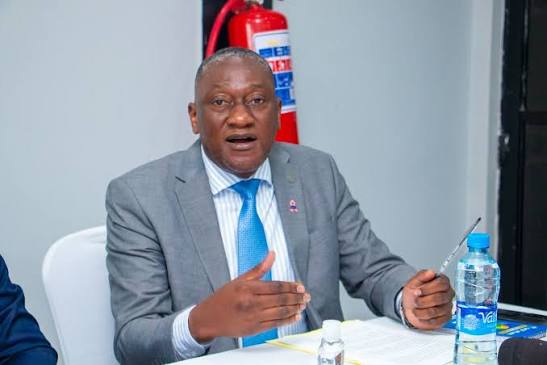
Acting Director Forestry in the Ministry of Green Economy Freddie Siangulube says about 430 CFMGs are now managing more than 11 million hectares of forests across five provinces.
Dr Siangulube says CFMGs can potentially benefit from carbon trading by protecting forests that absorb carbon from the atmosphere.
Dr. Siangulube says recognized CFMGs can participate in carbon projects independently or work with private developers under regulations that provide for benefit-sharing and community participation.
Dr. Siangulube was speaking on the sidelines of the validation workshop on community engagement in carbon markets in Lusaka.
Meanwhile, the Food and Agriculture Organisation says strong community involvement in forest management will be key as Zambia prepares for the possibility of a projected 2026/2027 El Niño.
FAO Sustainable Environment and Green Growth Lead Vincent Ziba says forests will play an important role in climate change adaptation and drought resilience.
“Forests play a critical role in climate change mitigation and adaptation. As we prepare for the projected 2026/2027 El Niño, sustainable forest management and agroforestry will be key to reducing the impact of drought on communities,” Mr. Ziba said.
Mr. Ziba says FAO is supporting the Government through forest monitoring, sustainable forest management and agroforestry programmes aimed at reducing pressure on forests during drought periods.
And 2025 FAO Young Forest Champion Elizabeth Manda-Siyanga has called on young people to embrace environmental conservation, saying indigenous knowledge, tree planting and climate education are essential to protecting Zambia’s forests for future generations.
“Young people must see forestry beyond farming. There are opportunities in tree nurseries, environmental conservation and carbon markets. We must also preserve indigenous knowledge and plant more indigenous trees to protect our environment for future generations,” Ms. Manda-Siyanga said