Sunday Chanda urges formal church–state engagement to protect unity
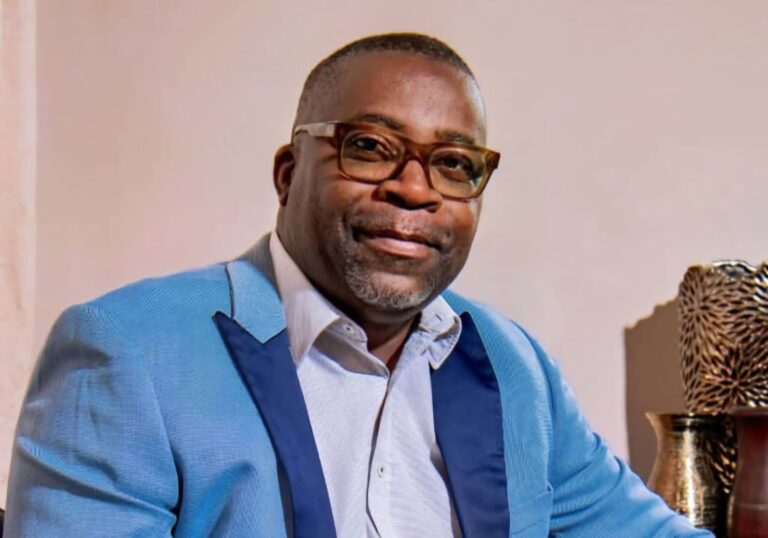
Member of Parliament for Kanchibiya Constituency, has proposed the creation of a formal presidential platform to manage relations between the state and faith institutions, warning that Zambia risks unnecessary public tension when engagement between government and church leaders remains reactive and crisis-driven.
Speaking in a recorded address and later issuing a written media statement, Sunday Chanda, Member of Parliament for Kanchibiya Constituency, said Zambia’s identity as a Christian nation had historically rested on a functional balance between lawful authority and moral conscience, rather than competition between the two.
He described the state and the church as distinct institutions with complementary roles. In his remarks, Chanda said governance and moral guidance should reinforce one another in the pursuit of peace, stability and national cohesion.
“The state governs, the church guides,” he said. “The two institutions are not competitors. They are partners in building a peaceful, stable and morally grounded nation.”
Chanda argued that while the church must remain free to offer moral guidance and constructive critique, the state must equally be respected as the legitimate authority mandated to govern. He said disagreements between the two should be resolved through dialogue rather than hostility, warning that confrontational approaches often escalate tensions instead of resolving them.
He said current patterns of engagement between government and faith leadership were too often shaped by moments of crisis, creating an environment in which misunderstandings harden into public disputes. In his view, this approach weakens trust and exposes the country to avoidable divisions.
To address this, Chanda proposed the establishment of a Presidential Faith and Social Cohesion Roundtable, to be convened on a quarterly basis. He said the forum would institutionalise dialogue and provide a consistent platform for engagement on moral, social and national issues.
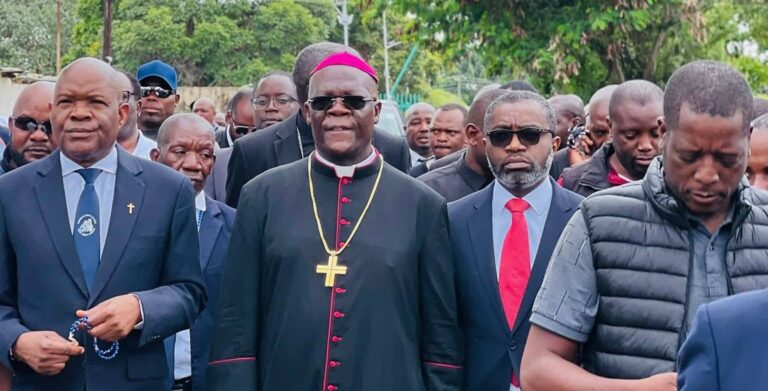
Under the proposal, the roundtable would bring together the Zambia Conference of Catholic Bishops, the Council of Churches in Zambia, the Evangelical Fellowship of Zambia, other faith-based organisations, and key social ministries of government.
Chanda said such a structure would shift engagement from confrontation to consultation, allowing differences of perspective to be addressed early and constructively. He said the absence of a standing forum had allowed isolated disputes to dominate public discourse, placing unnecessary strain on national unity.
In his remarks, he warned that Zambia does not benefit from a polarised moral space, arguing that open confrontation between public institutions and faith leadership ultimately erodes public trust.
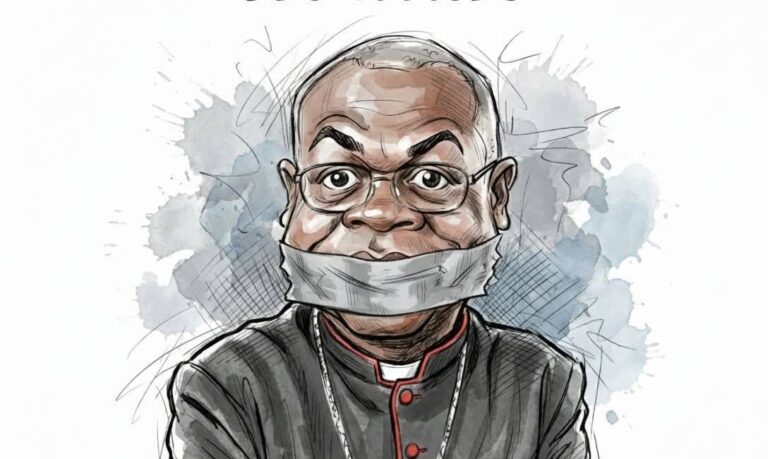
“Zambia needs neither a silent church nor an intolerant state,” he said. “Zambia needs partnership and not polarization.”
He said the proposed roundtable would help anchor dialogue in mutual respect and shared responsibility, ensuring that authority listens to conscience while conscience speaks without fear. He added that national interest should take precedence over institutional rivalry.
Chanda framed the proposal as a reaffirmation of Zambia’s historical experience, noting that from periods of democratic transition to moments of national tension, the church had acted as a custodian of conscience while the state maintained order. He said preserving this balance required deliberate effort rather than ad hoc engagement.
He called on stakeholders across government and faith communities to recommit themselves to structured dialogue and collaborative social action, saying the country’s stability depended on maintaining harmony between moral leadership and lawful authority.
Chanda delivered the remarks under his capacity as Member of Parliament for Kanchibiya Constituency, stating that his proposal was aimed at strengthening unity and preventing avoidable conflict in the public sphere.
MEDIA STATEMENT
For Immediate Release
ON STRENGTHENING STATE–CHURCH CO-EXISTENCE FOR NATIONAL UNITY
Kanchibiya, 6th January 2026-
Zambia’s identity as a Christian Nation is not merely constitutional language; it is the moral foundation upon which our national unity, peace, and democratic stability have been built.
From our earliest democratic transitions to moments of national tension, the Church has stood as a custodian of conscience, while the State has stood as the custodian of order. These two institutions have historically worked not in competition, but in complementarity, each strengthening the other for the common good.
It is therefore important that, as a nation, we deliberately guard and strengthen this co-existence.
The Church must be free to offer moral guidance and constructive critique without fear or intimidation. Equally, the State must be respected as the legitimate authority mandated to govern, protect, and develop the Republic. Where differences in perspective arise, they must be handled through dialogue, not hostility; through engagement, not escalation.
Our current engagements between Government and faith leadership are often reactive, crisis-driven, and episodic. This creates an environment where misunderstandings can harden into unnecessary public confrontations.
In this regard, I respectfully propose the establishment of a Presidential Faith and Social Cohesion Roundtable, meeting on a quarterly basis, composed of:
-
The Zambia Conference of Catholic Bishops (ZCCB),
-
The Council of Churches in Zambia (CCZ),
-
The Evangelical Fellowship of Zambia (EFZ),
-
Other Faith-based organizations, and
-
Key social ministries of Government.
Such a structured forum would institutionalize dialogue, transform engagement from confrontation to consultation, and provide a consistent platform for moral, social, and national cohesion discourse.
Zambia does not benefit from a polarized moral space. When public institutions and faith leadership drift into open confrontation, the greatest casualty is public trust.
I therefore call upon all stakeholders to recommit themselves to mutual respect, structured dialogue, and collaborative social action. Our people are best served when law walks with conscience, and authority listens to truth.
Zambia needs neither a silent Church nor an intolerant State.
Zambia needs partnership, not polarization.
May we continue to choose unity over division, dialogue over discord, and national interest over institutional rivalry.
Hon. Sunday Chanda, MP
Kanchibiya Constituency