
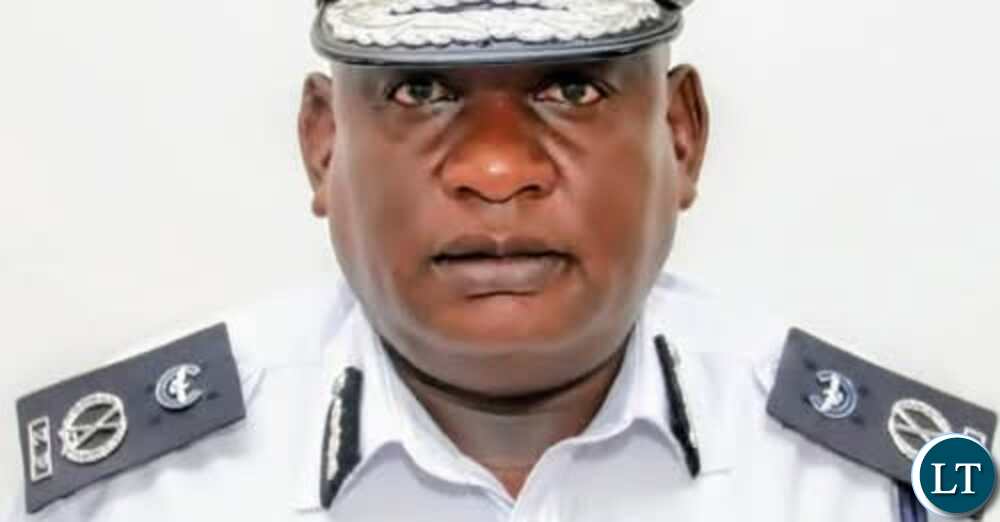
OPINION: Stoning the President Is a Warning Sign We Cannot Ignore
By Lawrence Pikiti
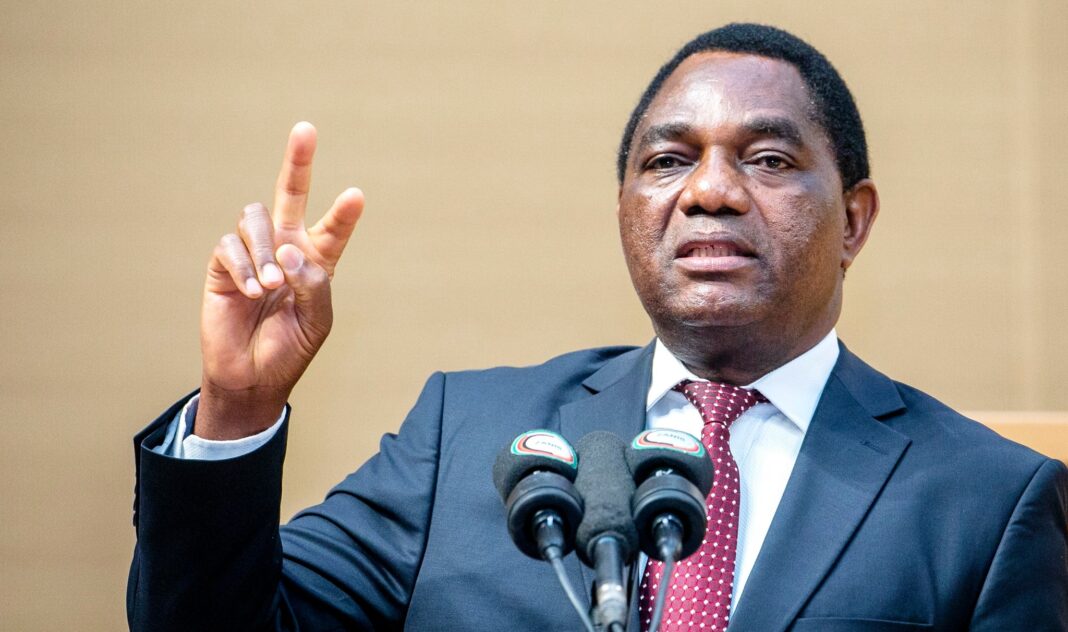
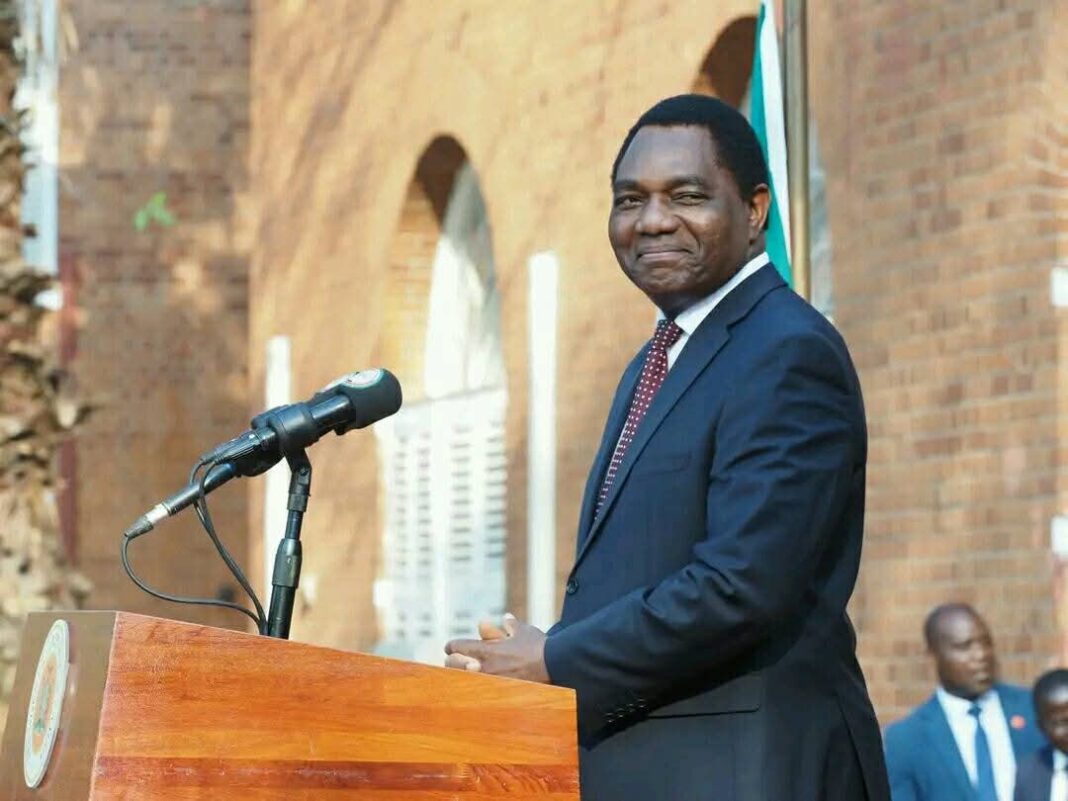
We have seen this before. Edgar Lungu once faced stoning in Monze. Now Hakainde Hichilema was stoned in Chingola at Chiwempala Market. This is not a trite repeat; it is the same warning bell sounding twice. Whether one frames these events as regional hostility or as popular frustration at leadership, both readings are damaging for Zambia. They undermine our national reputation and expose deep institutional fragility.
What unfolded in Chingola was not a momentary lapse in protocol. It was a symptomatic exposure of institutional failure an intelligence gap, an operational security breakdown and a public order lapse rolled into one. The Presidency cannot be moved around the country on luck. Threats should be anticipated and mitigated through proper intelligence, risk mapping and pre-event contingency planning. In other eras, presidential movements were preceded by discrete, professional assessments. Today, presidential exposure too often looks like improvised theatre.
This is not politics. This is truth spoken plainly and out of love for our country. Zambia deserves honesty. The Chiwempala incident must trigger more than apologies and platitudes; it must force a thorough institutional audit. When protective units fail to anticipate risk, and police response is slow or reactive, the entire nation becomes vulnerable. Citizens watching such exposure ask a simple question: if the Head of State could be reached, what about other public figures, or ordinary citizens in positions of public trust?
Public sentiment since Chingola has been raw and clear. On social platforms, some voices said the youths who threw stones reflected broken homes and poor emotional discipline; others asked whether tolerance by the President is being misread as weakness. Several commenters recalled drills and Presidential protection protocols and wondered why those mechanisms did not activate. These are not idle observations they are practical questions about national readiness.
There is also a deeper silent risk here that many may overlook. Stoning a Head of State may look like a passing flash of anger, but it is the seed of future escalation if ignored. Once a crowd successfully confronts the Presidency, that moment becomes a psychological precedent. If Zambia were to face a disputed, Tanzania-style election crisis, similar behaviour could multiply rapidly. The cure to this risk is clear: transparent electoral practice, free competition, independent functioning of the three arms of government, and leadership that speaks truth. The opposition must also act responsibly and reject toxic campaigning; both sides shape national temperature.
Beyond security mechanics, the Chingola episode opens another uncomfortable conversation: who fuels this lawlessness? There is growing evidence that political actors, through reckless rhetoric or tacit encouragement, can seed mob impulse. Political operatives who trade in inflammatory language — or who tolerate the vilification of opponents — contribute to a climate where violence becomes an available choice for the frustrated. That political responsibility cannot be outsourced: leaders must choose words that cool, not inflame.
Equally disappointing is the conspicuous silence from voices of moral authority. Churches preach tithes and offerings; they seldom exercise the advisory role that their moral standing should allow. Where is the consistent civic teaching on conflict resolution, respect for office, and the moral duty to preserve civic order? When spiritual leaders limit their input to monetary appeals and withdraw from public guidance, a vacuum is created and other, less constructive voices rush in to fill it.
We must not forget the pattern. The Mongu and Monze incidents were widely discussed at the time and then largely swept under the carpet. Treating those episodes lightly created a permissive precedent. If past breaches of presidential security or assaults on public order go without institutional consequences, the incentive structure tilts toward repetition. For me, any act that threatens the Presidency is treasonable in effect, regardless of who commits it. If similar misbehaviour is tolerated when committed by allies, and punished disproportionately when attributed to opponents, the rule of law erodes.
Leadership tone matters. Recent public statements that seem detached from ordinary realities telling citizens that limited power supply is “better,” or advising households to simply “buy solar” when they struggle to buy mealie meal widen the gap between State and street. That disconnection fuels frustration. Citizens do not react out of hatred alone; they react out of disappointment when institutions fail to deliver and when leaders sound out of touch.
Practical steps are obvious. Rebuild intelligence capacity and return it to discreet, professional work. Reorganise police priorities so protection of citizens and key national functions is central, not secondary. Insist on transparent electoral processes and remove any perception that registration, NRC issuance or other administrative levers can be manipulated for partisan ends. Enforce consequences where protocol lapses occur. And finally, demand moral leadership from community pillars churches, traditional leaders and civic institutions must reclaim their advisory role in shaping civic behaviour.
The Chingola incident is not an isolated spectacle; it is a test. It asks whether Zambia will repair weak structures and restore professional discipline or whether we will normalise dangerous precedents. If the Presidency was exposed once and then allowed to remain vulnerable, the next exposure may be more severe. Public order and the dignity of the office require real reform, not spin.
Zambia remains a peaceful nation but peace without accountability, truth and responsible leadership is fragile. We must act now to restore security professionalism, ensure equitable and transparent governance, and recover the civic discipline that sustains national life. If we do not, a seed sown in Chingola will grow into a harvest of unrest.
Protect the Presidency. Protect the people. Protect the Republic.



You cannot stone your father no matter how angry you are … The présidency must never be reduced to this … it’s a sad day for us really.. vote if you not happy but burning cars etc..!
Who reduced the presidency? The president thru his lies reduced the presidency to dirt and nothing. Please stop making a president into a Demi god. He is human and just a CEO of Corporation call Zambia. Remember he openly supported stoning Lungu?
The writer of this article, the institution has not failed. Your memory be short in you can even remember when governance was at its lowest point, and how long does it take to correct a lot that makes impact on society. Violence is not the answer but little faith and patience. Are you saying stoning the president is the right way to have an honest conversation. You must have enjoyed seeing what was happening in Tanzania.
The problem is HH is too civil for these tribal crooks…………..
Where are the UPND youth leaders ??.,……….
Most of them have been stood down for the sake of good governance………….
It’s time to re establish UPND youth foot soldiers
FWD2041
You bring in foot soldiers again you are history
This is democrocy
Me. My tribe and our tribe. So sickening whilst copperbelt is now for Chinese, Lebanese and Indians. Sickening, so sickening. Mining licenses are being grabbed and handed over to Chinese and tribesmen. Be sensible
These are the same people who voted for HH and his UPND MPs and councillors in 2021. Have they changed tribes? Put your feet on the ground and hear the pain and anguish of ordinary Zambians. We are suffering. Stoning a head of state is not correct but is a warning of deep, deep discontent.
Ba Pikiti. Many are too young to remember. KK was stoned in independence stadium. With Chiluba watching as opposition
Its unfortunate we have reduced ourselves to this level. We may differ politically but its not right to stone a sitting Head of State. This is embarrasing to the outside world.
It unzambian to stone elders and more so the Head of State. Whoever is involved should pay for this treasonable crime.
Which Zambia are you talking about? Modern day Zambia with present leadership or “Zambia” that was led by a group of selfless leaders the likes of Mainza Chona, Sikota Wina,Matoka, KK and many more. Our present leaders have no moral or ethical convictions. All they know is grab and bribe me way of life. No treason was committed by the stoning act. Thick headed fellas need blob on their forehead so as to wake them up. Folks are tired of load shedding!!! If Ibrahim Traore can deliver much needed help to his people within a short period of time, why can’t so called “smart” leaders learn from him?
Ofcourse it’s off side and terrible
Grz are calling it thugery etc
Why dont they step back and ask why this happened there is a reason which most cant or dont want to see All the blame does not fall solely on the perpetrators
Which outside world are you talking about? What happened to Ruto in Kenya? someone threw a shoe at him. Poor leadership does not deserve respect. This Hakaiba Hakalema fella is rude and turning into a tin dictator. Time for him to let someone else give it a try.
Ba LT why did you drop the ticks Indicating thumbs up and thumbs down? They were very interesting and pertinent to popular sentiment. Return them
This article is a very insightful piece and kuddos to the author.
So, Zambia’s weakness has indeed been exposed.
My question is, how can the head of state be taken into a hostile environment? That situatio
This article is a very insightful piece and kuddos to the author.
So, Zambia’s weakness has indeed been exposed.
My question is, how can the head of state be taken into a hostile environment? That stone should have never reached the podium.
My take on this. The president is ill informed and it has been evident through out his tenure. There has been this continuous disconnect
This article is a very insightful piece and kuddos to the author.
So, Zambia’s weakness has indeed been exposed.
My question is, how can the head of state be taken into a hostile environment? That stone should have never reached the podium.
My take on this. The president is ill informed and it has been evident through out his tenure. They are people lying to our Zambian Eagle.
All govt workers from the president down are public servants of the tax payer, and really all the current govt and opposition party’s are very average, we need real leaders and people to work to make the country strong instead all we see is them giving jobs to their families and stealing as much money as they can.
Comment:
stoning the president is not a good thing to do.it only shows dat u lacks respect and u must be disciplined,the goodnews is that culprits are apprehended and they face the full wrath of law