Tuesday, June 16, 2026
17.7 C
Lusaka
Home Blog Page 651

Catholic Bishop Warns Men Sexually Abusing Children in Homes to Repent Before Facing God’s Wrath

0

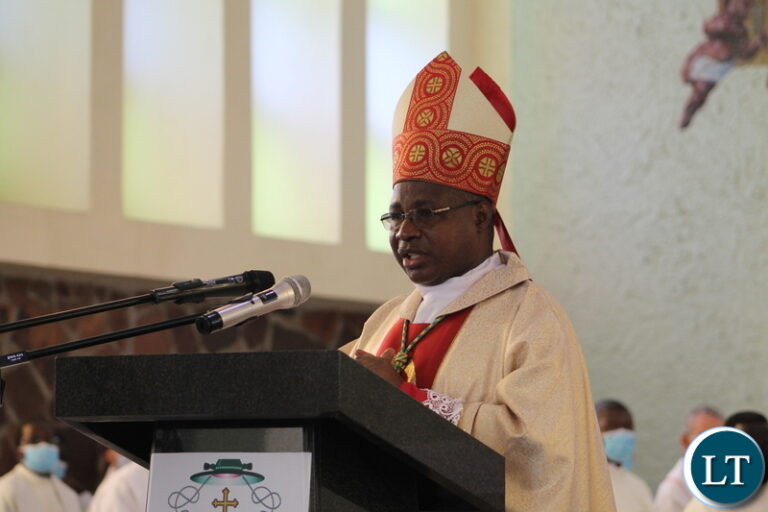
Catholic Diocese of Ndola Bishop Benjamin Phiri has warned men in the habit of sexually abusing children under their custody, especially in homes to stop.

Bishop Phiri said it is shameful that some men were sexually abusing their own children in homes.

He said people abusing children should stop and repent before they face God’s wrath.

Bishop Phiri further cautioned female guardians against being cruel to children in homes, especially orphans.

Bishop Phiri said this in his homily when celebrating Divine Mercy Sunday Mass at Divine Mercy Parish in Hillcrest, Ndola attended by scores of people that included juveniles.

“Treat children well, those children whose parents are not there and you agreed to keep them, those children who belong to other people but whom you have agreed to keep. Do not mistreat them. Ladies please don’t mistreat them because their cry is very strong. It is heard by God, their cry is very strong. You may be fine today, tomorrow but eventually after tomorrow you will be crying as well because of mistreating children.”

“So let us treat children well and we the men let us be responsible. There are some of us who go into the zoo to hunt animals. Some of you are hunting your own children in your homes. Shame, God is looking at you, you must ask for God’s mercy today. I am saying what the spirit tells me. These things are happening in your homes, some of you who are seated here. Let us be careful, let us not play with God. May God bless you, may God grant you the graces you need to be able to be true disciples, to me merciful and above all may God protect you from all evil and from all harm,” Bishop Phiri preached.

Meanwhile, Bishop Phiri has spoken against promotion of un-Christian teachings being championed by the Western World that include homosexuality.

He said some of the teachings coming from the western world today are sinful and diabolic.

“I pray that none of you who call yourselves Christians will stand in front of people in order to teach things which are not Christian. Some of the teachings that are coming from the Western World today are sinful. They are sins and you a Christian you will stand in front to open your mouth just to earn a living, to teach those things. May God have mercy on you if you do that because God’s patience tested beyond a certain point actually does give in. When there is no hope for you, let us be strong, let us be true witnesses. Let us teach others to be strong and to be true witnesses but above all let us show mercy to each other especially in families. Mu ma families umu, ma families yenagu appear like war zones. When people arrive at home everybody has already their fists ready for a fight. Whom are you fighting; you are sleeping in the same house. You are all one body of Christ so let us treat each other well especially those children,” Bishop Phiri said.

The Bishop further implored Christians to be merciful, kind and loving to one another as the church celebrates Divine Mercy by emulating God’s mercy towards humanity.

He said Easter demonstrates God’s kindness to humanity that has repeatedly offended him from the time of Adam and Eve.

“God is merciful. We are here because of God’s mercy, we have what we have because of God’s mercy, and we are what we are because of God’s mercy, not because we are better human beings but because God is kind. Let us pray that God may look kindly upon us and bless us and grant us the graces that we need in order to be better, so that we maybe good disciples, good children of God, that we maybe better brothers and sisters to each other, that we may fear God,” Bishop Phiri said.

Copperbelt millers to receive maize

1

Copperbelt Province Minister, Elisha Matambo says millers in the area are this week and expected to receive 80 percent of the 30,000 metric tonnes of maize which was recently released by the Food Reserve Agency (FRA).

Mr Matambo said the maize will help increase the production of milling companies and reduce the shortage of mealie meal in the province.

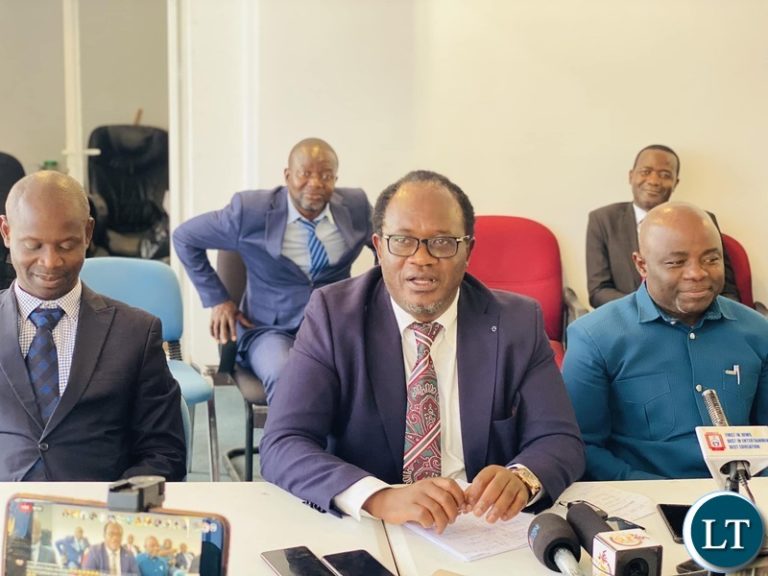
ZANIS reports that the Minister said this at a press briefing in Ndola today.

He said with the released maize, millers in the province will get back to full production and produce mealie meal.

Meanwhile, Mr Matambo said about 40,000 bags of mealie meal that were impounded by Police will be sold to members of the public at a reasonable price after the court issues disposal notices.

He further revealed that security has been heightened at border points such as Kasumbalesa, Sakania and Mokambo among others in the province so that people do not smuggle mealie meal into the neighboring Democratic Republic of Congo (DRC).

He said over 800,000 bags of mealie meals from Zambia National Services (ZNS) were received last week and are readily available on the market.

Mr. Matambo added that the Zambia Correctional Service (ZCS) is also expected to bring on board more mealie meal that will be available for sell to the public.

He has since called on members of the public to continue being whistle-blowers if they come across people who are trying to smuggle mealie meal to the neighboring countries.

Mr Matambo added that millers and retailers are being encouraged to sell only one bag of mealie meal to an individual to avoid the shortages of the commodity.

Huge Demand for White Maize in East Africa Creates Temporal Shortages in Northern Zambia – Mweetwa

14

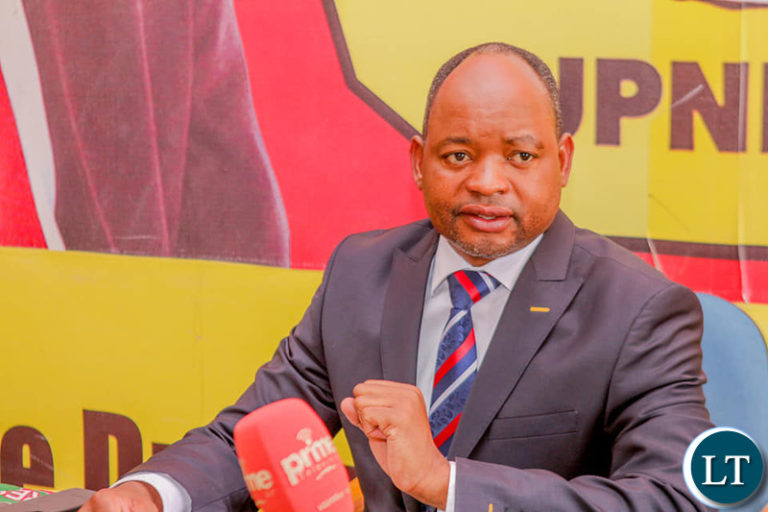
The high demand for mealie meal and maize in the Democratic Republic of Congo (DR Congo) and other East African countries has resulted in temporal shortages in some parts of northern Zambia, according to Cornelius Mweetwa, the spokesperson for the United Party for National Development (UPND). Mweetwa reported that smuggling levels have worsened on the Copperbelt, where the high price of maize in DR Congo has led to an increase in smuggling activity.

Mweetwa noted that the northern hemisphere had more than 800,000 metric tons of white maize, which should have been sufficient. However, the huge demand from East Africa and South Sudan led to traders buying up the maize from farmers, leading to a shortage. The UPND spokesperson said that the buying up of the commodity in Muchinga, in particular, prompted the government to move stocks from other parts of the country to cover up for the shortages in the north and the Copperbelt.

Mweetwa also highlighted that the demand for Zambian white maize is high in East Africa and DR Congo because it is non-GMO. He stated that the country’s strategic maize reserves were still secured with 375 thousand metric tons of maize, which is enough for the country to last until the next harvest season. With the 2022 – 2023 farming season harvest underway, he expects the food situation in reserves to drastically improve.

The Zambian government has put measures in place, such as the temporal suspension on the issuance of export permits until the commodity is stabilized. However, Mweetwa warned that a permanent ban on exports would affect the long-term export trade.

The temporal shortages of white maize in northern Zambia are due to the high demand for the commodity in East Africa and DR Congo. The government is taking measures to stabilize the commodity, and with the ongoing harvest season, experts expect the food situation in reserves to improve significantly.

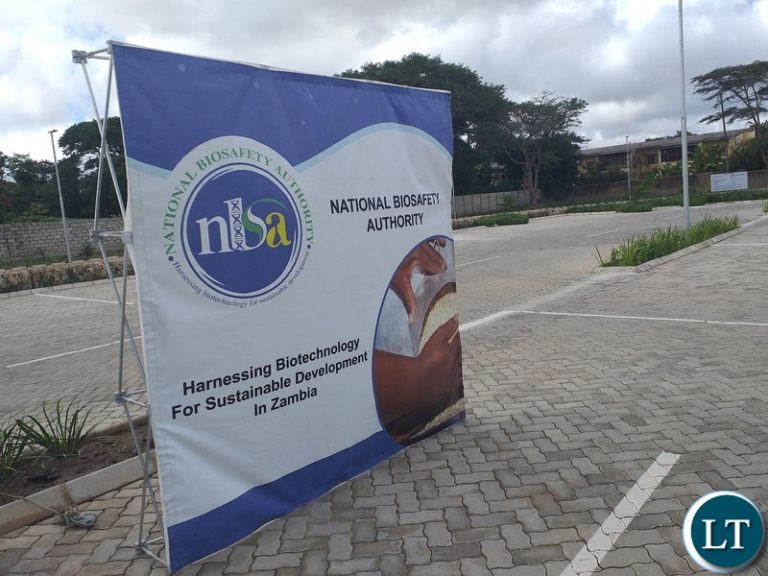
Biosafety Authority Management and Board Accused of Criminal Negligence Over GMO Products

0

Emmanuel Mwamba has called for the resignation of the National Biosafety Authority (NBA) management and board and for them to face criminal charges for allowing the importation and feeding of Zambians on GMO products without consent or following the laid down procedure provided for by the Biosafety Act of 2007. Mwamba stated that the Act prohibits the importation of GMO products that relate to crops and livestock of national importance, which maize is.

“The Biosafety Authority Management and Board need to immediately resign. Further, criminal negligence charges must be considered for them to allow the importation and feeding Zambians on GMO products without following the laid down procedure as provided for by the Biosafety Act of 2007,” said Mwamba.

He further explained that Section 11(1) of the Biosafety Act No. 10 of 2007 states that “The Authority shall not grant any approval for the importation, development, production, release into the environment or placing on the market of any genetically modified organism or product of a genetically modified organism relating to any crop or livestock OF NATIONAL IMPORTANCE AND FOOD SECURITY!” He also pointed out that Section 14 obligates the Biosafety Authority to conduct public consultation and public participation.

Mwamba’s comments come in response to a statement released by the National Biosafety Authority (NBA), which stated that the mealie-meal from South Africa produced from genetically modified maize is safe for consumption. The NBA has been working with other government institutions to ensure that mealie-meal that may contain genetically modified organisms (GMOs) to be imported and transited through the country is from the maize varieties that have been authorized by the NBA.

The NBA’s Scientific Advisory Committee Chairperson, Dr. Sody Munsaka, has assured the nation that risk assessments have been conducted on the maize events and soya varieties from South Africa and have been found to be safe for human and animal consumption. Munsaka revealed that the authority had previously granted permits for products made from GMO maize or which may contain GMOs to various distributors and traders in the country.

Mwamba, however, believes that the Biosafety Authority Management and Board failed to follow the laid down procedures provided for by the Biosafety Act of 2007, which require public consultation before GMO products are imported into the country or in transit. He believes that the management and board should be held responsible for allowing GMO products into the country without following the laid down procedure.

“The management and board of the National Biosafety Authority must be held accountable for allowing GMO products into the country without the knowledge and consent of the Zambian people,” said Mwamba.

Mwamba urged the government to take action against the Biosafety Authority Management and Board and to ensure that GMO products are not allowed into the country without following the laid down procedure. He also called on the Zambian people to demand transparency and accountability from the government and its institutions.

“We urge the government to take action against the Biosafety Authority Management and Board and to ensure that GMO products are not allowed into the country without following the laid down procedure as provided for by the Biosafety Act of 2007. We call on the Zambian people to demand transparency and accountability from the government and its institutions,” said Mwamba.

Single Sourced $70 Million Drug Deal with Egyptian Company Smells of Corruption, Says Opposition Leader

9

The leader of the Opposition in Parliament, Hon Brian Mundubile, has raised concerns over the single-sourced procurement of drugs worth $70 million from an Egyptian company by the Zambian government. Speaking to reporters on Monday, Mundubile accused the government of corruption and suggested that the procurement did not meet the criteria for single sourcing.

“The New Dawn Administration, which claimed to be fighting corruption, has made it a tradition to use single sourcing as the only mode of procurement,” Mundubile said. “The law is clear on single sourcing and what circumstances must exist before resorting to single sourcing as a mode of procurement. One of the circumstances is that a particular procurement should be an urgent one, while the other condition demands that the product being sourced be uniquely related to the company that was supplying.”

Mundubile went on to suggest that the government was using single sourcing for non-urgent procurements, such as fertiliser, and that this was evidence of corruption. He argued that the government should use an international open tender process for greater transparency and accountability in procurement.

“It is therefore, very important that for transparency and accountability purposes, Government should use an international open tender for such procurements,” he said. “In this particular case, the $70 million procurement of drugs from Egypt smells of corruption.”

Mundubile also called on the government to take note of the concerns of Zambians and to ensure that national resources are safeguarded against corruption.

“We must understand that this is not the first time that Government is procuring drugs,” he said. “There are traditional suppliers of drugs from different countries such as India, Switzerland, China and many others. Zambians will not sit back but begin to interrogate such procurements to safeguard national resources against corruption.”

The allegations raise concerns about the credibility of the government’s anti-corruption efforts under President Hichilema. The President has yet to respond to the allegations.

Chongwe civic leader bemoans bad state of roads in his area

1

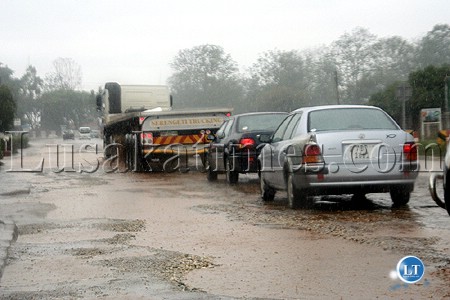
Lwimba ward Councilor Vincent Mwachiyeya has expressed concern over the bad state of a feeder road from Ndapula turn off leading to Katoba area, alleging that the road has been partly damaged by KDR Ceramics company.

Mr Mwachiyeya told ZANIS that the company has used the road to ferry quarry and has left the road in a deplorable state making it difficult for residents to use it.

He said the road which has been extremely damaged by the company was graded by Chongwe Municipal Council and later on damaged by heavy trucks which use it to ferry its quarry.

Mr Mwachiyeya revealed that KDR Ceramics was recently asked to work on the road by civic leadership in the ward but the company refused to do so on the basis that it pays mineral royalties to the Busoli royal establishment.

“I and Katoba ward councilor engaged the company requesting that it works on the road but management refused to undertake the works as they said they are already paying royalties to the royal establishment,” Mr. Mwachiyeya said.

He wondered why the company is being allowed to continue damaging the road in the two communities by relevant authorities in the district.

He has since called for intervention from both political leadership in Chongwe and government authorities to compel the company to rehabilitate the road as a way of giving back to the two communities.

Meanwhile, Katoba ward councilor Rebecca also urged the local authority in the area to come to the aid of residents in the two wards who use the road to transport their farm produce to markets by ensuring that KDR Ceramics works on the road.

Ms. Banda said it was unfair for the company to refuse to rehabilitate the road which it is equally benefiting from.

“It is not fair for KDR Ceramics to refuse to work on a road which it found in a good condition and was damaged afterwards. Just because the company is paying royalties to the establishment does not mean they should not do anything to help local communities,” Ms. Banda said.

Citizens Urge Court To Nullify Appointment of Judges

24

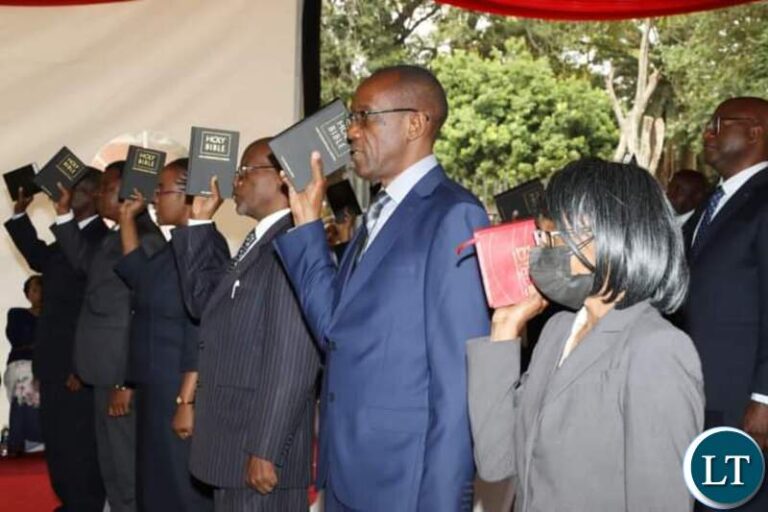
Citizens who challenged the appointment of 20 judges of the superior courts by the President have urged the Constitutional Court to nullify the appointments for having been done in contravention of constitutional values and principles.

In a reply to the Answer by the Attorney-General filed on Friday, Governance Activist Isaac Mwanza and Maurice Makalu submitted that public interest demands that the Constitution and the law must be respected and upheld.

Mr Mwanza maintained that the Judicial Service Commission contravened the Constitution in the selection process of judges when it failed to respect constitutional values and principles outlined in Article 173 which require a transparent and competitive process which provide equal opportunities to suitably qualified persons.

“Whereas there was need to recruit more judges into the superior courts in order to enhance access to justice and the administration of justice, suffice to reiterate that the recruitment process had to itself comply and be within the Constitution and the law otherwise it all amounted to a nullity.”

Mr Mwanza reminded the court that it has judicial authority and has previously used such authority to nullify decisions by the President which came into conflict with the Constitution.

He pointed the Court to its decision in 2016 which nullified the decision by the former President to keep Ministers in office after dissolution of Parliament and ordered the Ministers to pay back the money they had earned.

“If the Judicial Service Commission was in violation of the Constitution in its process of selecting judges, so was the President in making appointments and the National Assembly in confirming the appointment made by the President,” said the Petitioners.

The Petitioners submitted that Article 140 as read together with Article 95 of the Constitution provides a the process of appointing Judges in Zambia in three-phased approach.

They stated that the appointment process starts with selection and recommending persons by the Commission, followed by appointment of judges by the President, and culminates with confirmation of presidential appointment by the National Assembly.

The petitioners also differentiated the appointment process in Zambia from that of the United States of America where the process starts with the President and ends with the U.S legislature.

The petitioners said the Zambian process is similar to Kenyan and South African processes which uses a three-tier system and require respect for constitutional values and principles.

Mr Mwanza has since told the Constitutional Court that courts in Kenya have shown extraordinary courage and independence by nullifying appointments made by the President which contravene the Kenyan Constitution, even after appointees have been sworn into office.

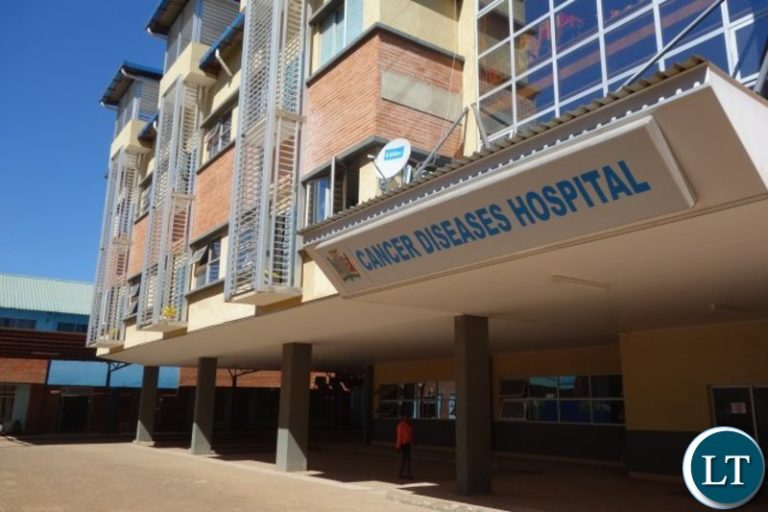
Cancer Treatment in Zambia Becoming Pathetic, Extremely Worrisome: We Demand Urgent Intervention by Government

8

By Peter Sinkamba

It is extremely frustrating that in the last 6 months, the service at the only Cancer Diseseas Hospital (CDH) in Zambia located in Lusaka is pathetic due to breakdown of the equipment offering radiation theraphy, and poor restocking of essentials.
This state of affairs implies that more people are likely to die this year going forward, unless urgent measures are put in place to repair the equipment and restock the essentials.

Although there is less publicity by Government of this silent killer, since 2012, Zambia has witnessed a three-fold increase in the number of cancer cases, of which 70% are women. Sadly, the 71% of people diagnosed with cancer in our country die from the disease.

Further, though Zambia has set up the National Cancer Control Unit, and has set goals for cancer control including reducing premature mortality from cancers by 30% by 2030, very little is being done practically to achieve this goal, and other targets listed in the global plan for the prevention and control cancer diseases.

Of course, significant effort has been made for early detection of cancer at district and provincial levels, whereby procedures such as X-rays, CT scans and mammograms are used for the early detection and diagnosis. However, the quality of service for appropriate referrals for provision of quality cancer treatment and follow-up through the CDH is pathetic lately.

Furthermore, Government has failed to develop an effective palliative care service at district, provincial and national levels. Patients referred to CDH that do not have relatives to take care of them whilst undergoing radiotherapy are subject to extremely poor care.

Additionally, Government has failed to implement an efficient and effective decentralised system of governance and management of cancer programmes to ensure high standards of efficiency, transparency and accountability at all levels of the health sector. Most patients have to wait for more than six months on the queue to be attended to. Some end up dying before their turn comes for radiotherapy.

It is extremely ridiculous that Zambia, with a population of almost 20 million people, has only one comprehensive cancer treatment centre, CDH located in Lusaka. The CDH is the first and only cancer treatment centre offering radiation therapy in Zambia. At the moment, radiotherapy is the only effective means to treat and manage the disease, and provide substantial pain relief for patients when cure is not possible. Therefore, radiation medicine offered at CDH is a vital component of cancer treatment and control in Zambia.

However, with souring travel costs lately, it is extremely difficult for patients living in far flung areas such as Mpulungu, Shangombo, Nsumbu, Chama and Mwinilunga to travel to Lusaka for comprehensive treatment. Consequently, cancer patients end unduly dying without access to comprehensive treatment.

For example, for the period 2008-2014 there were about 18,000 cancer patients in Zambia of which 11,600 were females and 6,400 were males. The number of patients that died during this period was about 13,000. Lately, it is estimated that annually, more than 3,000 cancer patient die.

Furthermore, although, CDH has recorded a steady increase in the number of new cases, currently estimated at about 4,000 new cancer cases, however, Lusaka province refers the largest number of cases. The figures are smaller from the other nine provinces simply because patients cannot afford to travel to Lusaka due to high travel and lodging costs.

Cancer diseases in Zambia are on the increase due to lifestyle factors such as high-fat diet, GMO foods, and use of toxic cosmetics and other chemicals. The diseases is also exacerbated by environmental factors such as use of pesticides and fertilizers. Living within the close proximity of power lines and cell sites is another factor contributing to the rise in cancers, which undoubtedly, is now one of the major contributor to morbidity and mortality in Zambia.

We demand immediate attention to this silent killer by addressing the issues we have highlighted above.

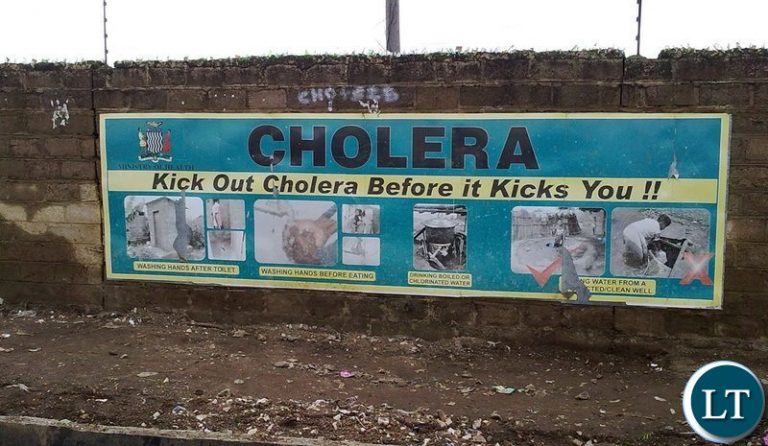
Take cholera preventive measures seriously-MOH

0

Northern Province Health Director Ernest Mutale has called on Community Based Volunteers in Nsumbu area of Nsama district to help in sensitizing the community on the need to take cholera preventive measures seriously.

Dr. Mutale observed that the area has recorded cases of cholera this year after the community refused to take the cholera vaccine when it was administered some two years ago.

He stated that Mpulungu, which was also prone to cholera outbreaks, has not recorded any cases this year due to the intake of the vaccines.

“Mpulungu was prone to cholera outbreaks but has not recorded any cases last year or this year. The question is, where has cholera come from in Nsumbu?” he asked.

Dr. Mutale said this when he addressed community-based volunteers who are involved in the distribution of chlorine to communities.

And the Provincial Health Director explained that the coming of the disease has presented an opportunity for health workers and the community to learn from it and prevent its occurrence in future.

He also commended the health staff in the area for putting in place various interventions to control the disease.

“We have visited the admission centre and we have not found any admission, an indication that the prevention measures that have been put in place are working,” he said.

Nsumbu last month recorded an outbreak of the disease which affected Nsumbu, Kapisha and Chibanga catchment areas.

Flying doctors in Isoka to offer free health services

0

Chief Katyetye and Chief Kafwimbi of Isoka District of Muchinga Province have praised the Flying Doctors Services for providing health services to their subjects.

Chief Katyetye says the Flying Doctors’ Services play a critical role in reaching and providing services to citizens in far-flung areas.

The two traditional leaders expressed happiness that their areas are among the chiefdoms selected to receive various health care services.

“We are extremely happy that you have considered our chiefdoms in Isoka and your services in treating various illnesses to citizens are welcome,” stated Chief Katyetye.

And Chief Kafwimbi’s representative, Jemima Nakamba said subjects have all been sensitized to the presence of specialized doctors in their chiefdom.

ZANIS reports that the two chiefs were speaking when Flying Doctors Services Coordinator Bridget Zulu paid a courtesy call at their respective palaces yesterday.

Dr. Bridget Zulu explained that the Flying Doctor Services consist of a surgeon, a dentist, an ophthalmologist as well as general screening specialists and are expected to work in the area for five days.

“Our team comprises specialists in various fields that provide rare services that people who live in rural remote areas lack,” said Doctor Zulu.

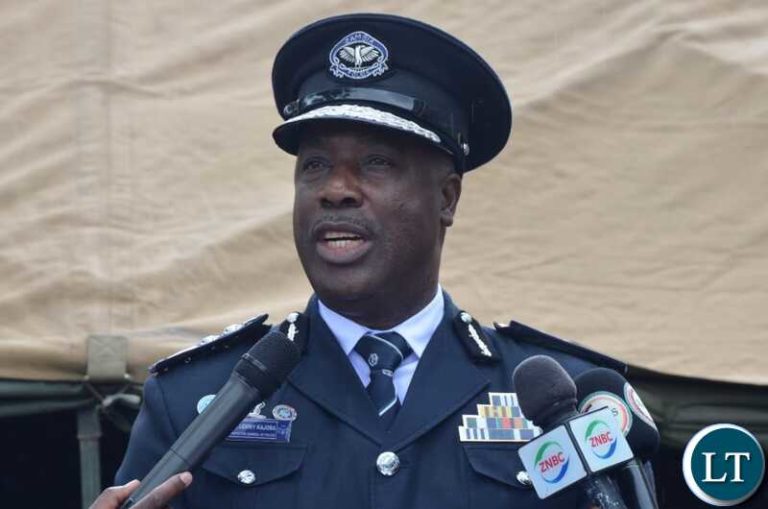
US government happy with Kajoba’s sacking

43

The United States (U.S) has applauded President Hakainde Hichilema’s appointment of new leadership to the Zambia Police Service.

In a statement issued to the media yesterday in Lusaka, US Embassy Public Affairs Officer Phil Dimon indicated that the move to appoint new leadership to Zambia Police Service presents an opportunity to reinforce impartiality in the application of the rule of law.

Mr Dimon said the appointments will also reinforces accountability for criminal offences while equally upholding the protection of the public safety, constitutional rights and freedoms.

He observed that the new leadership in the Zambia Police Service can engender great public trust by redoubling responsiveness to society’s need for security.

Mr Dimon noted that Zambia Police Service’s next chapter can directly benefit all Zambians through strict accountability from countering violent cadreism, to ending the impunity of traffic police who solicit bribes and to fighting corruption broadly within its ranks.

On Friday, April 14, 2023, President Hakainde Hichilema relieved Inspector General of Police Lemmy Kajoba of his duties and appointed Graphel Musamba as the new Inspector General of Police.

Football wife loses divorce settlement bid for half PSG defender Achraf Hakimi’s wealth registered in mother’s name

The wife of Paris Saint-Germain’s Achraf Hakimi went to a French court seeking a divorce and half his wealth following his involvement in an alleged rape, but walked away empty-handed.
To the 36-year-old Spanish wife Hiba Abouk’s surprise, the Moroccan defender had no properties or money in the bank, or so she was told by the court, as Hakimi had registered his fortune in his mother’s name.

According to media reports, the wife lodged her divorce claim and demanded half of the World Cup star’s fortune before she discovered the bitter truth that Hakimi’s mother had it all.

French prosecutors said in March that 24-year-old Hakimi had been indicted on rape charges after being questioned by investigators.

Following the news that Hakimi had been placed under judicial supervision, Abouk, who at the time was holidaying in Dubai with their two children, was reported to have decided to part from her husband. Hakimi and Abouk had been married in February 2020.

The media reported that court officials had told Abouk that her husband legally owned nothing and that all his millions, and even his PSG salary, were registered under his mother’s name.

Morocco World News reported last year that the star was the sixth highest-paid African footballer, earning more than $215,000 a week.

His wife was astonished when she was told by the court that more than 80 percent of his salary is credited to his mother’s bank account.

He appears to have no properties, cars, or jewelry registered in his name.

Media reports have estimated Hakimi’s wealth to exceed $70 million. It is registered in the name of his mother, who purchases everything he wants.

Hakimi’s lawyer, Fanny Colin, said that her client being indicted was an “obligatory step for any person being accused of rape,” and would allow the footballer to defend himself.

Source: ARAB NEWS

New Generation Party urge Zambians to support UPND administration

22

New Generation Party president Humphrey Siulapwa has called on Zambians to support the government in its quest to find solutions that will address the economic challenges being experienced in the country.

Mr Siulapwa said that it is unfair to attack the government on the economic hardships when it is trying to address the bottlenecks blocking the prosperity of the country that have been in existence before the current administration.

Speaking at a press briefing in Lusaka, Mr Siulapwa touched on the issue of mealie meal shortage, stating that it is an eye opener for many Zambians to venture into agriculture and contribute to mass production of the maize crop.

He pointed out the arable land that Zambia is endowed with, which citizens should take advantage of to start farming at a large scale.

He reminded that Zambia has readily available export markets, thus agriculture activities should take centre stage so that both the local and export markets are sustained.

Mr Siulapwa acknowledged that Zambia has the potential to compete at global level especially through agriculture, therefore, the sector once utilised can address the economic challenges.

“The answer to Zambia is for many to take advantage of the arable land and become farmers. Let us practice agriculture at a large scale, as the market is readily available,” Mr Siulapwa stated.

And Mr Siulapwa noted that even when the cost of living is high, it shouldn’t be a basis for blaming the government, because it requires concerted efforts from both the public and private sector to work together.

He further urged the government to prioritise job creation in order to quicken development and that violence should also be sternly addressed.

He advised that time will come for the current administration to be made accountable for the performance and citizens can then make decisions to either retain the United Party for National Development (UPND) into governance or not.

Combined of team of security officers pounce on illegal charcoal burners

2

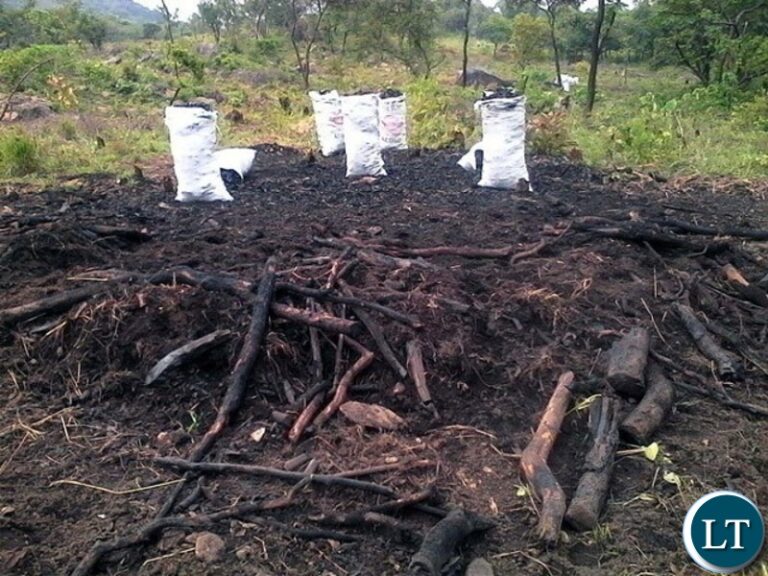
A combined team of senior government officials and state security have raid Lufwanyama’s Sondela area to curb illegal charcoal burning activities which have become rampant in Chief Mukutuma’s chiefdom on the Copperbelt Province.

Lufwanyama District Commissioner Justin Mwalikwa who led a team of officers said his office has been receiving disturbing reports of illegal charcoal burning and land encroachments in the area.

He said it is for this reason that they decided to swing into action to bring perpetrators to book.

Mr Mwalikwa further expressed disappointment with what he found on the ground.

“A big chunk of land has been cut indiscriminately for the sole purpose of charcoal business,” said Mr Mwalikwa.

He observed that the kilns were all over the place, with a number of bags of charcoal stuck in the bush ready to be transported.

ZANIS reports that during the raid suspects scampered in different directions and went into hiding after the team of law enforcement pounced on them.

The District Commissioner has since warned people involved in burning of charcoal to desist as such activities are illegal.

Meanwhile Lufwanyama District Forestry officer Susan Ng’ona expressed shock with the rate at which trees were being cut in the area and added that if left unchecked the situation might escalate and cause serious climate change.

” Currently, Lufwanyama is among the only top three districts with reliable forest cover in the province, but if depleted the area will soon be a desert,” said Ms Ng’ona.

Africa River Basin Organisations to enhance collaboration

0

By BENEDICT TEMBO

Africa’s water basins could benefit significantly from cooperation among the continent’s river basin organisations (RBOs).
To that extent, Nile Basin Initiative (NBI) Regional Coordinator Isaac Alukwe sees the recent tour to the Zambezi water Commission (ZAMCOM) and Zambezi River Authority (ZRA) as the genesis of cooperation between RBOs).

Dr Alukwe was part of the 35-member high-powered delegation on the NBI study tour to ZAMCOM and ZRA a fortnight ago.

“The journey to collaborative and experiential learning and study tours between the River Basin Organisations just started by NBI visiting ZAMCOM, and the converging of the 18 RBOs under the umbrella of ANBO (African Network of Basin Organisations) in Entebbe, convened by the NBI will cement this collaborative relationship,” he said.

The study tour was aimed at enabling the participants from the Nile Basin countries, Lake Victoria Basin Commission, Nile Basin Discourse (a civil society organisation in the Nile Basin) and NBI staff to share experiences with different water monitoring systems and tools.
Several meetings with ZAMCOM and ZRA leaderships took place during the study tour.

The visits targeted interventions in water pollution control, database centres, eutrophicated lakes/impoundments in the basin and water monitoring systems. Dr Alukwe was impressed with the support received by ZAMCOM from the member countries through Southern African Development Community which he described as “solid and encouraging.”

He said whereas not all member countries are up todate with their annual country contributions, remittances to keep the commission up and running are regular.

“This is quite commendable,” he said.

Dr Alukwe observed that ZAMCOM can as well learn from the NBI beyond enhancing the transboundary cooperation and policy development in the sustainable use of the Zambezi River waters to the real investments on the ground through benefit-sharing directly to the local communities through actual investments and developments as exemplified in the activities of the NBI as a river basin organisation.

He cited the Lake Edward and Albert Fisheries Project, which benefit Democratic Republic of Congo and Uganda as well as the Regional Rusumo Hydroelectric Power Project shared between Burundi, Rwanda and Tanzania.

There is also the Hydromet Project, power interconnections between the member countries to enhance power development and trading/wheeling), among others, which have all been implemented by the NBI through the NBI/NELSAP based in Kigali, Rwanda.

Dr Alukwe said the role of ZRA in the management of Lake Kariba is quite exquisite and bolsters the transboundary cooperation and benefit sharing from the lake through energy generation, and equitable sharing of the benefits from, the common water resource.

He was also impressed by the real-time water quality testing and monitoring which was an idea worth transferring the knowledge to the Nile Basin.
The NBI intends to escalate the collaboration with ZAMCOM and ZRA, hence it is planned that around the month of May this year, ZAMCOM/ZRA will be among other River Basin Organisations in Africa totalling 18 under the umbrella of the ANBO, which will converge in Entebbe Uganda.
“This will encourage and foster experience sharing and learning by the basin organisations,” Dr Alukwe said.

He said the water equipment particularly the ZRA water boats used for water monitoring and boat cruise was an exhilarating experience.
“The team was able to take a boat ride to the Kariba Dam, had dinner on the ferry and eventually held a final meeting on the ferry. This was indeed an exciting and memorable experience. However, it is worth mentioning that NBI has equally unparalleled achievements that are worth learning from, and emulating by other river basin organisations globally,” Dr Alukwe said.

He said the NBI 10-year strategy in its second phase covers the core goals in the areas of water security, energy security, food security, environmental sustainability, climate change adaptation, strengthening transboundary water governance.

Dr Alukwe said the strategy, which ends in 2027 and has seen realisation of 134 projects identified by countries of which 84 projects have been achieved on the in form of plans and actual projects on the ground including tangible flagship projects like the Rusumo hydropower, Lake Edward and Albert fisheries project and several power interconnection transmission lines projects.

“The interconnection projects have realised interconnectivity of the Eastern Power Pool (EAPP) to the Southern Power Pool (SAPP), courtesy of the Nile Basin Initiative through her investment arm known as the Nile Equatorial Lakes subsidiary Action Programme (NELSAP),” he said
However, ZRA chief executive officer Munyaradzi Munodawafa said he was not sure as to what the NBI would benefit from ZRA given their kind of utility position compared to a commission like status.

“Our approach to water quality has to drastically changed, choice of hotsports, access to grant funding,” Mr Munodawafa said, suggesting the need to come up with a joint commission arrangement for technical issues with the NBI.

He said riparian community interfaces have not been elaborate.

“We can learn from them”, Mr Munodawafa said, pointing to sedimentation checks as one of the learning points from the NBI.