Friday, June 5, 2026
26.4 C
Lusaka
Home Blog Page 7

Mundubile Says Youths Will Shape His Government’s Empowerment Agenda

TONSE Pamodzi Alliance presidential candidate Brian Mundubile says he does not have a predetermined empowerment programme for youths and will instead consult them directly to understand their needs before implementing any interventions.

Speaking on his vision for young people, Mundubile said his government would avoid imposing programmes that may fail to make a meaningful impact on the lives of youths.

“I am not coming in as a Bally, but as a big brother to the youths. That is why I am saying I will have to sit down with them, get first-hand information on what they exactly need and then pick it up from there,” Mundubile said.

He acknowledged that youth unemployment, which he said stands at over 20 percent, remains a national emergency that requires urgent attention.

Mundubile said a government under his leadership would prioritize youth empowerment by ensuring that programmes are designed based on the actual needs and aspirations of young people.

He further revealed that he intends to move the Ministry of Youth, Sport and Arts closer to State House in order to accelerate decision-making and the implementation of youth-focused programmes.

According to Mundubile, youth empowerment would also be integrated across various sectors of the economy to create more opportunities for young people.

“We are also deliberate in placing the youth in leadership positions so that they can help us come up with ideas on how to help their fellow youths,” he said.

The presidential candidate stressed that involving young people in leadership and policy formulation would ensure that government interventions are relevant and responsive to the challenges they face.

Nine arrested for fish trading in Mpulungu during fishing ban

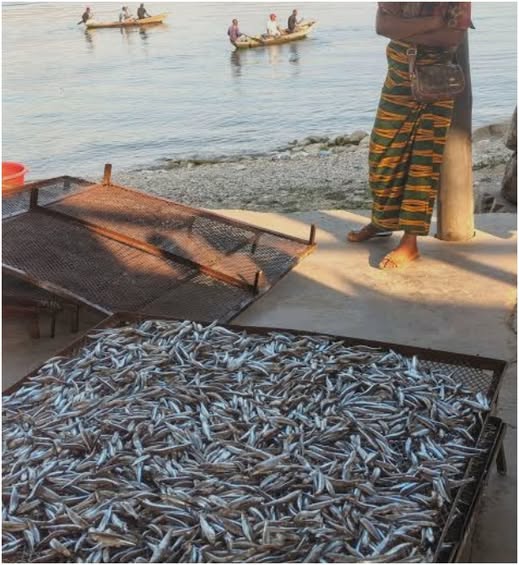
The Department of Fisheries and Livestock in Mpulungu District of Northern Province has arrested nine people in connection with trading and transportation of fish during the ongoing Lake Tanganyika annual fishing ban.

Mpulungu District Director Fisheries Livestock and Veterinary Services, Mpundu Ng’andwe, has revealed that the nine were arrested on May 27, 2026 after a joint operation by the Department of Fisheries, Zambia Police, and the Department of National Parks and Wildlife in Mpulungu.

 Mpulungu today, Mr Ng’andwe disclosed that the suspects include seven females who were apprehended while trying to sale assorted dry fish including Kapenta, and two male suspects who were apprehended while trying to transport dry fish using motorbikes to unknown destinations.

He revealed that 75 kilograms of assorted dry fish and two motorbikes were seized in the process, adding that the suspects are detained at Mpulungu Police Station awaiting trial.

“The Department of Fisheries would wish to inform the general public that the 2026 annual fishing ban on Lake Tanganyika started on May 15, and will end on August 15, 2026, and that during the period the public is cautioned against engaging in any type of fishing activities,” he explained.

Mr Ng’andwe said the department has noted with concern the unscrupulous people circulating and misleading the public on the extension of trading in fish.

He clarified that only five days were given to traders who had stocks in their cold rooms and depots and that the grace period expired on May 20, 2026.

Mr Ng’andwe stated that with the end of the grace period, anyone found engaging in illegal activities such as fish trading and fish transportation will be arrested and prosecuted according to the law.

He has since advised traders wishing to trade in fish originating from other water bodies to ensure they acquire certificates from the Department of Fisheries indicating where the fish is coming from.

Mr Ng’andwe warned that any fish from other water bodies other than Lake Tanganyika that will be found being traded in Mpulungu without a certificate of origin, will be confiscated and destroyed.

He further disclosed that the Department of Fisheries has heightened surveillance and continued with water and market patrols, as well as road checkpoints to ensure that law and order is observed during the annual fishing ban.

Mpika DC stresses need for sustainable use of land, natural resources

Mpika District Commissioner, David Siame, has emphasised the need for sustainable utilisation of land and natural resources as a critical measure in mitigating the adverse effects of climate change in Muchinga Province and the country at large.

Mr Siame said this during a two-day stakeholders’ meeting held in Mpika that brought together participants from Kanchibiya, Lavushimanda and Mpika Districts to discuss climate-resilient, land governance and sustainable natural resource management.

The District Commissioner noted that the meeting was important as it provided stakeholders with an opportunity to explore ways of supporting community-led initiatives aimed at promoting climate resilience and implementing adaptation priorities in targeted areas.

Mr Siame said prudent utilisation of land remains one of the most effective ways of addressing the challenges posed by climate change and safeguarding natural resources for future generations.

“We want stakeholders to know how best to address issues of climate change through prudent utilisation of land,” he said.

Mr Siame commended the People’s Process on Housing and Poverty in Zambia (PPHPZ), working in partnership with WeForest Zambia, for their continued support towards promoting sustainable land use and conservation of natural resources in various parts of the province.

He further urged participants to engage in meaningful discussions and identify practical approaches to sustainable forest utilisation that would benefit both local communities and the environment.

Mr Siame also praised traditional leaders among them Senior Chief Kopa, Chief Luchembe, Chief Mpumba and Chief Chikwanda, for their leadership and commitment to promoting sustainable land management practices in their respective chiefdoms.

Meanwhile, WeForest Zambia Country Director, Fainess Lumbwe, stressed the importance of developing community adaptation plans to strengthen resilience against climate change in the four chiefdoms represented at the meeting.

Dr Lumbwe said WeForest remains committed to supporting the development of adaptation plans in the four chiefdoms to guide sustainable utilisation of forests and other natural resources.

She explained that adaptation plans provide communities with a framework for managing natural resources responsibly, while enhancing environmental conservation and livelihoods.

Dr Lumbwe added that her organisation has been conducting capacity-building programmes for community members in the four chiefdoms to equip them with knowledge and skills on sustainable forest management.

She expressed satisfaction with the enthusiasm shown by communities towards developing their own land-use plans tailored to their unique needs and opportunities within their areas.

Dr Lumbwe explained that the land-use plans would enable communities to determine the type of investments and development activities suitable for their localities.

Speaking on behalf of community members, Mubanga Lewison of Luchembe Chiefdom, commended WeForest for organising the stakeholders’ meeting, describing it as a valuable platform for enhancing knowledge on sustainable land and natural resource management.

Mr Lewison encouraged participants to apply the knowledge gained during the workshop for the benefit of their communities.

Govt. hands over 31 bicycles to Luangwa community volunteers

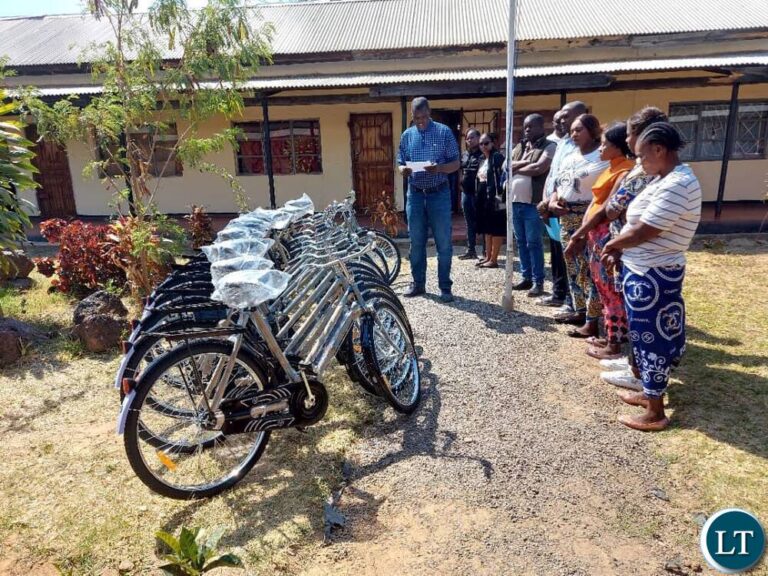
The Ministry of Community Development and Social Services has handed over 31 bicycles to community volunteers in Luangwa District of Lusaka Province to improve mobility and enhance the delivery of social protection programmes.

 Speaking during the handover ceremony, Luangwa District Commissioner, Luke Chikani, said the bicycles were meant to help volunteers overcome transportation challenges that have affected service delivery in remote communities.

Mr Chikani noted the long distances volunteers travel while carrying out their duties, stating that the government had taken deliberate steps to address the challenge.

“Your noble work in mentoring savings initiatives has been hindered by long distances and lack of transport. Government, through the Ministry of Community Development and Social Services, is taking deliberate steps to address these challenges, and all we need is your commitment and dedication to service delivery,” he said.

The District Commissioner urged the volunteers to use the bicycles for the intended purpose and ensure that more communities benefit from social protection programmes.

He further called on the beneficiaries to properly maintain the bicycles to ensure their longevity and continued service to communities.

Meanwhile, Luangwa Community Development Assistant Officer, Cynthia Chilufya, said the ministry has been implementing life-skills programmes for women in the district to enhance productivity and improve livelihoods.

Ms Chilufya disclosed that the volunteers, who received the bicycles were among 712 beneficiaries who underwent a 21-day business skills training programme and later received productive grants to venture into various income-generating activities.

She stated that the bicycles would motivate the volunteers and strengthen their ability to support communities through social and economic empowerment programmes.

“The donation is expected to improve outreach and facilitate the effective implementation of social protection initiatives across Luangwa District,” said Ms Chilufya.

Paramount Chief Mpezeni Dies

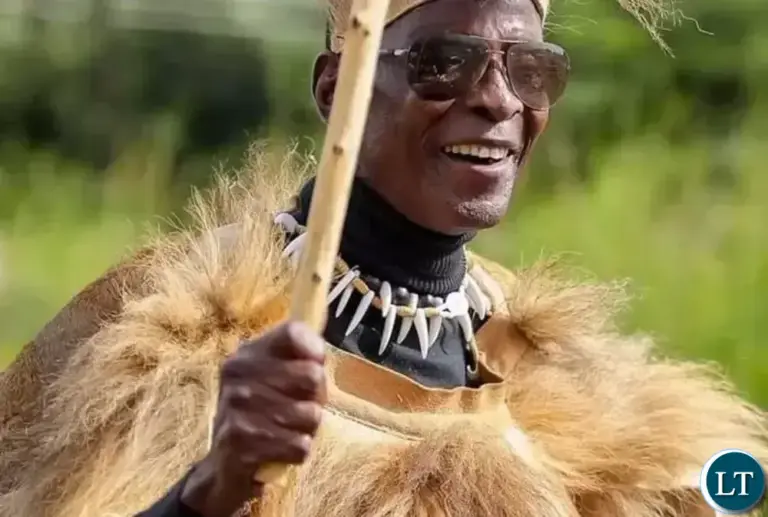
Paramount Chief Mpezeni of the Ngoni people has died.

The revered traditional leader, who served as Paramount Chief of the Ngoni-speaking people of Eastern Province, passed away today, bringing to an end a significant chapter in the history of one of Zambia’s largest traditional kingdoms.

Paramount Chief Mpezeni was widely respected for his role in preserving Ngoni culture and traditions and for promoting peace, unity and development within his chiefdom and the country at large.

During his reign, he played a key role in strengthening traditional leadership institutions and remained a prominent voice on matters affecting local communities and national development.

His death has sent shockwaves across Eastern Province and the nation, with messages of condolences expected from government officials, traditional leaders, political figures and members of the public.

Further details regarding the cause of death, funeral arrangements and succession are yet to be announced.

More details to follow.

Tom Michelo fired after DEC arrest over investor fraud allegations

The removal of Deputy Ambassador to Ethiopia Tom Michelo following his arrest by the Drug Enforcement Commission has emerged as one of the most significant governance stories of the election period, placing a serving diplomat at the centre of a high-profile criminal investigation.

Authorities allege that Michelo was involved in activities that resulted in Chinese investors losing approximately US$350,000 in a transaction now under investigation by the commission.

The case attracted immediate public attention because it involves a senior government official serving in a diplomatic capacity. Shortly after the arrest became public, Government moved to remove Michelo from his position as Deputy Ambassador to Ethiopia.

Reports indicate that the allegations relate to activities that occurred before his diplomatic appointment.

The Drug Enforcement Commission has not publicly suggested that the alleged conduct occurred while Michelo was carrying out diplomatic duties. Instead, the investigation centres on transactions and events said to have taken place before he assumed the diplomatic role.

The case has drawn interest because it combines issues of public accountability, international business interests and the conduct expected of public officials entrusted with representing Zambia abroad.

The involvement of Chinese investors has added another dimension to the matter, given the longstanding economic and investment relationship between Zambia and China.

While details of the transactions remain subject to investigation, the alleged loss of approximately US$350,000 has elevated the case into a matter of significant public interest.

Government’s decision to remove Michelo from office was interpreted by many observers as an attempt to separate diplomatic responsibilities from the ongoing criminal process and allow investigations to proceed without complications associated with a serving diplomatic appointment.

The development also places renewed attention on vetting processes, accountability standards and the expectations attached to individuals appointed to represent Zambia in foreign missions.

The arrest comes at a time when governance, integrity and accountability have become recurring themes in political discussions ahead of the August elections.

Cases involving serving or former public officials frequently attract heightened scrutiny because they are often viewed through the broader lens of public confidence in institutions and enforcement agencies.

At this stage, the allegations against Michelo remain before investigators and have not been determined by a court of law.

The Drug Enforcement Commission continues with its investigations, while the former deputy ambassador’s removal from office marks one of the most prominent administrative actions taken against a serving diplomat in recent months.

The matter is expected to remain under public attention as investigators continue their work and further details emerge through official processes.

Editors Note: The Drug Enforcement Commission investigation remains active while Government has already withdrawn Tom Michelo from his diplomatic position pending the outcome of legal processes.

Candidate withdrawals emerge as major election issue ahead of August polls

The growing number of parliamentary candidates withdrawing from electoral contests has become one of the most closely watched developments of Zambia’s 2026 election campaign, attracting responses from political parties, civil society organisations and election stakeholders as campaigns gather momentum ahead of the August 13 General Election.

The issue has gained visibility following a series of withdrawals recorded after the close of nominations, with several of the departures occurring in constituencies regarded by opposition parties as politically significant battlegrounds.

Among the highest-profile withdrawals was that of former Matero Member of Parliament Miles Sampa, who stepped aside from the race for the newly created Lima Constituency. His decision drew national attention because of his political standing and added weight to an issue that had already begun generating discussion across the political spectrum.

The Movement for Multi-Party Democracy has become one of the most vocal parties raising concerns over the trend.

MMD president Gastone Sichilima said the party was troubled by what it described as a growing pattern of withdrawals, particularly in Southern Province and other areas where the ruling United Party for National Development enjoys strong support. He said the Electoral Commission of Zambia should take a keen interest in the matter and establish the circumstances surrounding the departures.

According to Sichilima, elections derive legitimacy from open competition and voters should be presented with genuine choices at the ballot box. He called on institutions such as the Electoral Commission of Zambia and the Anti-Corruption Commission to examine the developments and provide clarity where necessary.

Transparency International Zambia has also weighed in on the issue, calling for investigations into the growing number of candidates leaving races before polling day. The organisation said public confidence in elections is strengthened when significant electoral developments are subjected to scrutiny and explained transparently.

The discussion has unfolded alongside court proceedings involving independent candidates.

Good governance activist Isaac Mwanza and the Consortium of Civil Society Organisations for Good Governance and Constitutionalism have petitioned the courts seeking the disqualification of more than 100 parliamentary candidates contesting as independents. The petitioners argue that some of those candidates remained members of political parties and therefore did not satisfy constitutional requirements governing independent candidature.

The legal action has triggered differing political responses.

Tonse-Pamodzi Alliance spokesperson Dr Lawrence Mwelwa said electoral contests should ultimately be decided by voters through the ballot box rather than through court processes. He argued that citizens should be allowed to choose their preferred candidates on election day and expressed concern about efforts aimed at reducing the number of contestants before voting begins.

Leadership Movement national chairperson David Kalumba also questioned celebrations surrounding unopposed victories in some constituencies. He said democratic competition remains important because it allows voters to assess different candidates and competing policy proposals before making decisions at the ballot box.

The controversy arrives at a stage when political parties are shifting from nomination activities into full campaign mode. Parliamentary races are expected to play a major role in determining the composition of the next National Assembly, making every withdrawal politically significant.

While political parties, civil society organisations and candidates continue discussing the issue, no institution has publicly released findings showing that any candidate was improperly induced, coerced or compelled to withdraw from a contest. Equally, no official investigation results have been published clearing the concerns raised by stakeholders.

Under Zambia’s electoral framework, candidates are permitted to withdraw from races before polling day in accordance with electoral procedures.

The withdrawals, the court challenge involving independent candidates and the calls for investigations have combined to create one of the most active election stories of the campaign period, with attention now focused on how institutions, political parties and candidates respond in the weeks leading to polling day.

Editors Note: Court proceedings involving independent candidates remain active while political parties continue preparing for the August 13 General Election and campaigning intensifies across the country.

Kangwanda Crowned Super League Player of the Season

1

Red Arrows forward Albert Kangwanda was voted MTN Super League Player of the Season at the awards gala held in Kitwe on Friday night.

Kangwanda edged out stiff competition from Power Dynamos’ top scorer Moses Shumah and Kabwe Warriors goalkeeper Mangani Banda to claim the top individual prize.

“Such an award doesn’t come easy. Thank you to my family and Red Arrows Football Club,” Kangwanda said.

The Red Arrows star enjoyed a stellar campaign, winning the ABSA Cup and finishing as the league’s second-highest scorer with 13 goals.

Power Dynamos dominated the team awards after winning the league, but Kangwanda’s individual brilliance stole the night for Red Arrows.

OTHER MAJOR WINNERS

Fans’ Player of the Season and Top Scorer: Moses Shumah, Power Dynamos

Coach of the Season: Oswald Mukuka Mutapa, Power Dynamos

Goalkeeper of the Season: Mangani Banda, Kabwe Warriors

Most Disciplined Player: Fredrick Mulambia, Power Dynamos

Young Player of the Season: Given Kalusa, FC MUZA

Goal of the Season: Jacob Kaunda, Nchanga Rangers vs Power Dynamos

Referee of the Season: Charles Ng’andwe

Fan of the Season: Kennedy “Yellow Man” Chishala, Power Dynamos

FAZ President’s Award: Late Roan United President Pearson Mwale, posthumously

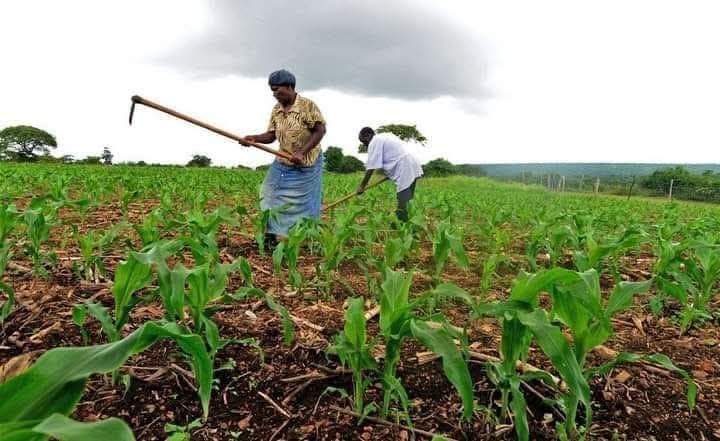
Lusangazi DC calls for increased investment in agriculture

 Lusangazi District Commissioner, Margaret Zulu, has called for increased investment in agriculture to strengthen food security and create jobs.

Ms Zulu says agriculture remains a key driver of national development and poverty reduction.

 Speaking today when she officiated at the Chinika Block Agriculture show, held under the theme “Fostering Trade and Investment”, Ms Zulu said investment in irrigation and mechanisation systems are important in the agriculture sector.

“Technology, storage facilities and value addition is critical in improving productivity and creating opportunities for farmers and entrepreneurs.

“Trade and investment are essential drivers of economic growth. When we invest in agriculture, we invest in the future of our nation,” she said.

The District Commissioner noted that changing climatic conditions, increasing food demand and growing market competition require farmers to embrace innovation and modern farming methods.

She further encouraged local and foreign investors to support sustainable agricultural development aimed at empowering small-scale farmers, women and youths.

Ms Zulu also commended farmers, cooperatives, agribusinesses and other stakeholders for their continued contribution towards the growth of the agricultural sector.

She assured that the government remains committed to creating an enabling environment that promotes innovation and advancement in climate smart agriculture.

Chief Sandwe of the Senga people of Lusangazi advised farmers in the district to ensure household food security by avoiding selling all their maize and other agricultural produce immediately after harvest.

The Chief warned farmers against rushing to sell their produce to private buyers offering exploitative prices before the government announces the official maize purchasing price through the Food Reserve Agency (FRA).

MoH in Nakonde intensifies Ebola surveillance

The Ministry of Health in Nakonde District of Muchinga Province has intensified surveillance and preventive measures at the border entry point to guard against the risk of Ebola, even as Zambia remains free of any confirmed case.

Speaking during a stakeholders’ meeting at the District Health Office today, Nakonde District Director of Health Services, Philip Munkonge, confirmed that no laboratory-confirmed Ebola case has been recorded in the district as well as in the country.

He said the heightened response is a proactive step, given that confirmed cases have been reported in the Democratic Republic of Congo and Uganda, both of which share regional travel links with Zambia.

Dr Munkonge stated that screening of travelers has been strengthened, with particular attention on those arriving from high-risk countries.

He disclosed that the health team at the border is conducting strict checks and monitoring for signs and symptoms that may indicate exposure.

Dr Munkonge added that the hand hygiene and sanitation protocols have been enforced at all key entry and clearance points to reduce transmission risks.

“Ebola is a deadly virus, but it is preventable with early detection and strict public health practices. Our teams are on high alert and we are working closely with regional partners to ensure no case enters undetected,” Dr Munkonge stated.

He noted that emergency preparedness meetings are ongoing and that the district has initiated cross-border engagements with Tanzanian health authorities to coordinate surveillance and response efforts.

Dr Munkonge further called on all stakeholders in the district, including traditional leaders, the media, the clergy and community members to remain vigilant and to actively support prevention efforts.

He said public cooperation will be key to keeping Nakonde and Zambia safe from the virus.

“We have this duty to ensure that we protect our nation. With our town being a border town, we all have these roles to play and we continue to appreciate that you always respond whenever you are called upon,” he said.

And Nakonde District Environmental Health Technologist, Cephas Mwanantesha, during his presentation, explained that Ebola is first transmitted from infected animals to humans and thereafter spreads between people through direct contact with body fluids.

Mr Mwanantesha listed blood, saliva, breast milk, and semen as potential transmission routes, noting that the virus can persist in semen for up to 60 days after exposure.

He urged communities to avoid contact with wild animals, while emphasising personal hygiene as the first line of defense.

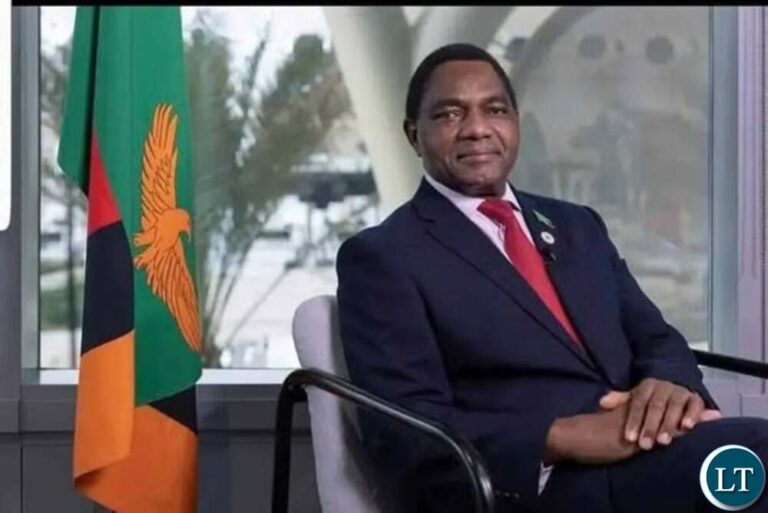
Private sector revenue vital to economic growth – President Hichilema

President Hakainde Hichilema has observed that private sector revenue is central to the economic growth of Zambia.

President Hichilema says Barrick Mining Corporation’s contribution, through its US$250 million local procurement initiatives to the local economy in line with the mining local content statutory instrument, is commendable.

President Hichilema has also congratulated Barrick Mining Corporation for its increased production, which supports the government’s target of three million tonnes copper production output.

The Head of State has further called on the company to accelerate the Lumwana Super Pit Project which will result in employment creation.

He was speaking when Barrick Mining Corporation Chief Operating Officer for Africa and the Middle East, Sebastiaan Bock, paid a courtesy call on him at State House in Lusaka today.

Mr Hichilema noted that high production levels and efficiency in the mining sector are vital for overall economic development.

The President has since commended the company’s approach to ensuring that a significant percentage of its employees are locally sourced.

President Hichilema also praised Barrick Mining Corporation for employing 98 percent Zambians, with plans for an additional staff through various infrastructure projects.

And Mr Bock announced plans by the mining company to invest further in developing modern infrastructure for employees through the Manyama housing project, including roads and other essential facilities within the operating area.

He also stated that Barrick Mining Corporation, which has so far contributed US$ 5.1 billion in the Zambian economy, also aims to create more than 550 new jobs through the expansion project, with an additional 2,500 jobs through the construction phase in the near future.

Mr Bock has since commended the Zambian government’s consistency and support to the mining sector in the country, saying the move sends positive signals to investors and development in the country.

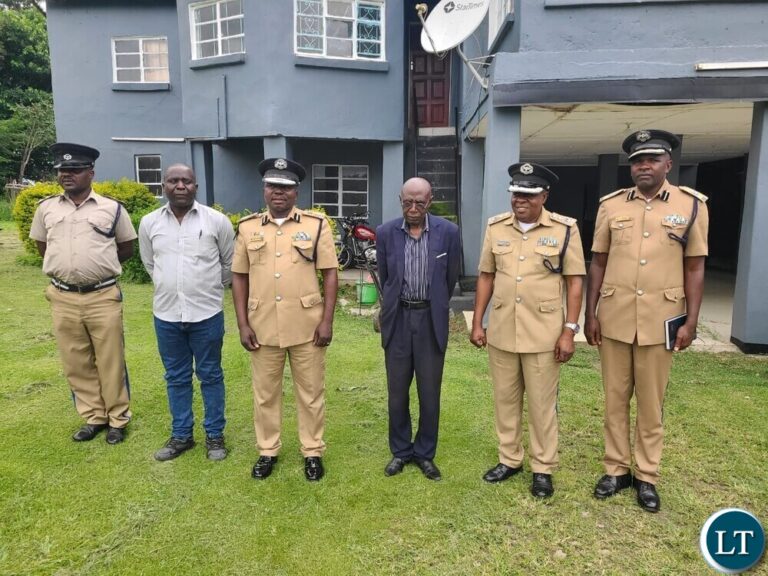
Police call for peace ahead of elections in solwezi

The Zambia Police Service has called on members of the public in North-Western Province to remain peaceful and united ahead of the August 13, 2026 general elections.

Senior Assistant Commissioner Christopher Chanda says the Zambia Police Service, through the Community Services Division, has intensified community engagements aimed at promoting peaceful elections and discouraging mob justice.

Speaking during a sensitisation programme held at Kyawama Market in Solwezi District yesterday, Mr Chanda said the 2026 Police theme, “Peaceful Elections, A Shared Responsibility,” remains a call to action for all citizens.

He urged members of the public to work together with law enforcement agencies in maintaining peace and reporting suspicious activities to the police.

‘‘Community Services Division has continued engaging communities across the province on the importance of unity, peaceful coexistence and adherence to the rule of law as the country approaches the general elections’’, said Mr Mulofwa

 He further urged youths to remain strong and not be enticed by violent political parties to cause confusion in the communities.

 Meanwhile, Community Services Unit National Coordinator Parent Hanyama encouraged women to be vigilant and not to allow any unruly individuals or political parties to take advantage of them during the election period.

 Head of Community Services in North-Western Province Joseph Mukanzu reiterated the need for citizens to refrain from violence and mob justice, stating that peaceful communities are essential for national development.

 Mr Mukanzu further encouraged residents to embrace aspiring candidates from different political parties and avoid engaging in political violence.

 And some marketeers at Kyawama Market have welcomed the sensitisation programme, describing it as timely and important in promoting peace before, during and after the elections.

One of the traders, Ilunga David, commended the Police Service for engaging directly with community members on issues affecting public safety and peaceful coexistence.

A Chinese firm donates solar mini-grid equipment

Government has applauded Simba New Materials Technology Company Limited of Jiangsu Province in China for donating solar mini-grid equipment worth US$350, 000 to Kaumbwe Constituency of Petauke district in Eastern province.

Ministry of Energy Permanent Secretary Ephraim Munshifwa noted that the donation marks an important milestone in complementing government efforts to enhance access to clean, reliable and sustainable energy services across the country, especially in rural areas and underserved communities.

Prof. Munshifwa acknowledged that the donation demonstrates the importance of partnerships in accelerating Zambia’s energy access agenda and promoting sustainable development.

He said the equipment received today for the first Phase is worth US$80,000 and comprises 49-kilowatt solar Photovoltaic capacity system and 130 kilowatt-hour energy storage system, which will benefit nine schools and five rural health centers.

“Under phase one of this initiative, the systems will be distributed, installed and commissioned at selected learning and health institutions within Kaumbwe Constituency, specifically nine government schools and five rural health centres,” he added.

He explained that these installations will greatly improve service delivery in the education and health sectors by providing reliable electricity for lighting, refrigeration, information and communication technology, among other essentials.

He also said Zambia is intensifying efforts to utilise renewable energy to diversify the national energy mix so as to complement the hydropower which is susceptible to the effects of climate change.

Prof. Munshifwa was speaking today at his office, where the equipment was received and handed over to former Kaumbwe Constituency Member of Parliament Aaron Mwanza, during a symbolic ceremony.

Earlier this year, former Kaumbwe Constituency Member of Parliament Aaron Mwanza, led a delegation to market Zambia at the Challenges and Opportunities in the Energy sector conference to Chinese enterprises. It was through this platform that the former lawmaker lobbied for electrification of public institutions in Kaumbwe Constituency, which has resulted in the donation of the solar mini-grid equipment by a Chinese firm.

Prof. Mushimfwa has since urged beneficiaries to safeguard the equipment and expressed optimism that the partnership with Simba Limited and government will continue to grow.

And Dr. Mwanza said the donation is simply a fulfilment of a commitment made by Simba New Materials Technology Company Limited during a Presidential delegated trip to China, on January 16, 2026.

He thanked the Simba New Materials Technology Company Limited for the donation, adding that the initiative will go a long way in helping the people of Kaumbwe Constituency.

Speaking at the same event, Ministry of Education Director for Secondary Schools Yvonne Chulu appreciated the company for the gesture, indicating that the initiative demonstrates the strong ongoing cooperation between Zambia and China, especially in sectors that directly improve the lives of people, such as education, health and energy.

“The Ministry of Education welcomes this intervention because energy access is no longer a luxury in schools, but a necessity. Electricity in schools means improved teaching and learning conditions.

It means learners can study in a better environment, teachers can prepare lessons more effectively, and schools can begin to access digital learning opportunities that are critical in the modern world,” she said.

Meanwhile, Simba New Materials Technology Company Limited Chairperson Daisy Xun said the total investment of the overall project is estimated at around US$350,000, adding that upon completion of the project, the initiative will resolve long-standing power shortage in remote local areas, thereby ensuring high-quality development of rural education and health services through clean, green energy.

“The phase one selected equipment handed over today, comprises complete solar microgrid systems, with 49 kilowatts, total voltage and 130 kilowatt hours energy storage system, valued at US$80,000 US,” added Ms Xun.

Ms Xun said the gesture is a response to actively improve people’s livelihoods in rural areas through green energy assistance.


Government reaffirms commitment to Livelihood empowerment in Luapula

The government has reaffirmed its dedication to programmes that directly improve livelihoods, empower households, and build resilience among vulnerable communities in Luapula Province.

‎Luapula province Permanent Secretary Prudence Chinama said the Government under President Hakainde Hichilema, continues to prioritise food security, improved nutrition, human capital development, and inclusive economic growth as part of broader efforts to uplift the lives of ordinary citizens.

‎Speaking in a speech read on her behalf by Deputy Permanent Secretary Evans Sikabbubba during a Stakeholders’ Engagement Workshop for the Food and Nutrition Security Enhanced Resilience Plus (FANSER+) Project in Mansa, the Luapula PS said the deliberations of government departments, development partners, non-governmental organisations, civil society groups, and private sector from Chipili, Chembe and Mansa districts, involved in implementing the FANSER+ Project, presents an important opportunity to strengthen food and nutrition security, promote gender inclusion, and build resilience among vulnerable families across the province.

‎“The president has consistently emphasised the importance of partnership, effective service delivery and people-centred development. This is why the government continues to support programmes that directly impact communities, empower households and improve livelihoods,” Ms Chinama said.

She added that sustainable development can only be achieved through strong multi-sectoral collaboration, coordinated action, and shared responsibility.

‎“A strong and resilient nation begins with healthy, empowered and food-secure communities. It is therefore encouraging to see government and cooperating partners coming together today with a shared commitment to improving the lives of our people,” Ms Chinama said.

‎She thanked cooperating partners, including GIZ, GOPA AFC, and Catholic Relief Services (CRS), for their continued support towards Zambia’s development agenda and for complimenting government efforts to improve community livelihoods.

‎Ms Chinama also commended the training of health workers under the FANSER+ initiative, stating that strengthened service delivery at community level would contribute significantly towards improving nutrition and health outcomes.

‎She expressed hope that participants would deepen their understanding of the project’s objectives, strengthen working relationships, and share lessons from ongoing nutrition, gender, and savings group activities.

‎“It is my sincere hope that the meeting will produce actionable resolutions, stronger collaboration, and a clear joint implementation roadmap that will contribute to the successful rollout of the FANSER+ Project in Luapula Province,” she said.

‎Meanwhile, Mansa District Administrative Officer Judith Nyirenda said the district was ready to apply the knowledge and information shared during the workshop to effectively implement project activities at the local level.

Ms Nyirenda added that the engagement had provided stakeholders with an opportunity to strengthen coordination and improve understanding of the project’s objectives and implementation strategies.

China’s Zero-tariff policy to improve trade

1

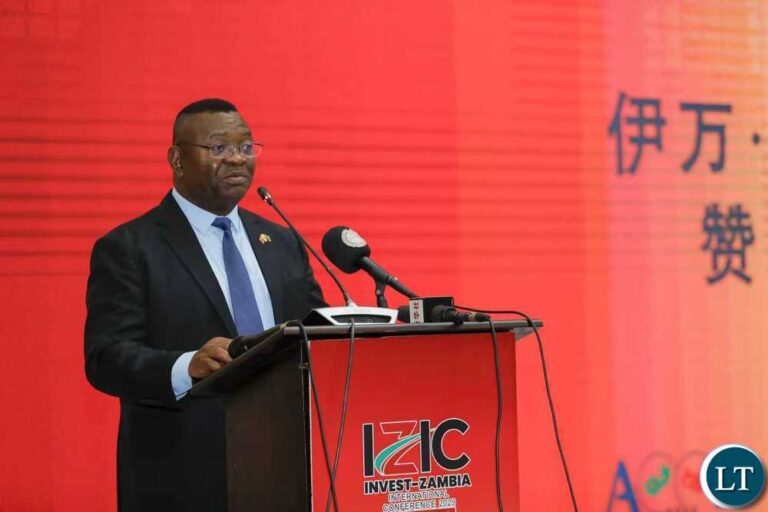
Zambia’s Ambassador to China, Ivan Zyuulu says Beijing’s zero-tariff policy will help African countries expand exports to China, improve Zambia’s trade balance, and support its economic growth and job creation through stronger economic engagement.

CGTN reports that with effect from May 1st, this year to April 30, 2028 China will grant zero-tariff treatment, in the form of a preferential tariff rate, to 20 African countries that have established diplomatic ties with China and are not classified as the least developed countries.

The Customs Tariff Commission of the State Council made the announcement that has so far seen a number of countries from Southern and Eastern Africa exporting their goods to China.

The announcement specified that for products under tariff quotas, only the in-quota tariff rate will be reduced to zero, while the out-of-quota tariff rate will remain unchanged.

During the two-year implementation period, China will continue to promote the negotiation and signing of the agreement of China-Africa Economic Partnership for Shared Development with relevant African countries, the commission revealed.

China’s latest move to apply zero-tariff treatment to an additional 20 African nations came after the country had granted zero-tariff treatment on 100 percent of tariff lines since December 1, 2024 for 33 least developed African countries with which it maintains diplomatic relations.