Fresh scrutiny has fallen on the ruling UPND following the detention of NGOCC chairperson Beauty Katebe and 14 others during last week’s nomination exercise linked to the August 13 general elections.
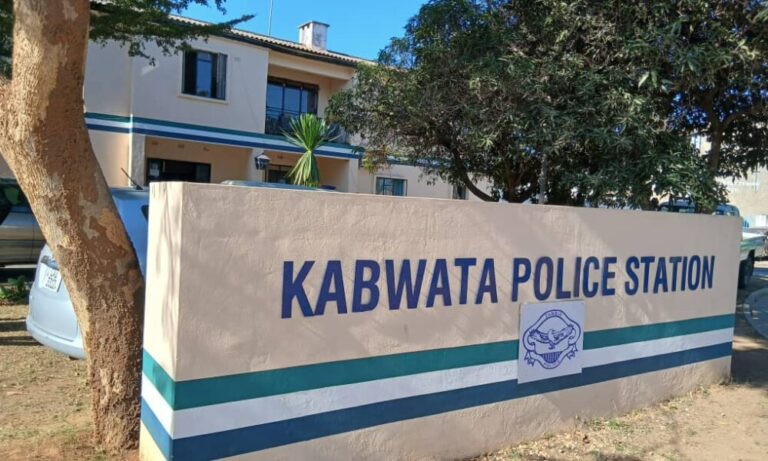
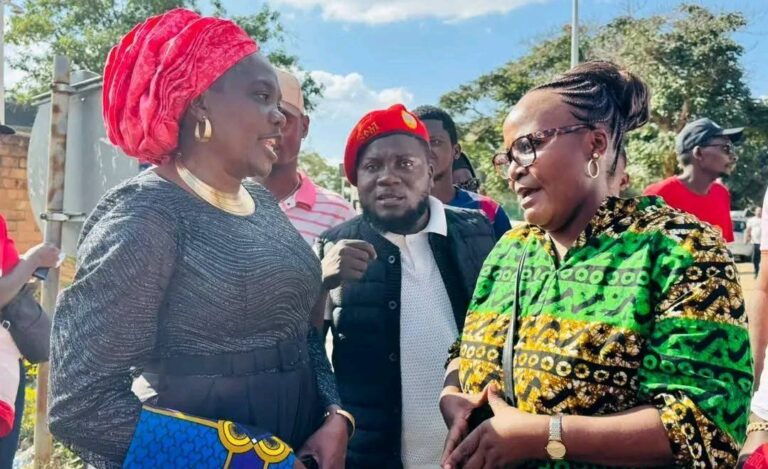
The incident unfolded during the filing process for Lusaka mayoral aspirant Ketty Nanyangwe, with Katebe alleging that police officers moved in to block the female candidate from successfully filing nomination papers. Katebe said the group was seized and later taken to Kabwata Police Station together with supporters and journalists accompanying Nanyangwe.
Speaking after her release on police bond, Katebe maintained that the group had not been formally arrested but had instead been “abducted” and bundled into police vehicles before being transported to the police station.
“We were bundled into that vehicle and brought here. You don’t even know where you are going,” Katebe said.
According to Katebe, the women’s movement believed Nanyangwe had already been cleared to proceed with nominations before events suddenly changed at the venue. She said police presence rapidly increased as the group prepared to leave the Town Clerk’s office before officers allegedly forced them into waiting police vehicles.
Katebe described the experience as humiliating and disappointing for women seeking participation in public leadership. The developments have placed renewed attention on the environment women are encountering during the 2026 electoral process, particularly after repeated public commitments by government leaders and the ruling party on expanding women’s participation in politics and decision-making structures.
Questions are also emerging over the contrast between official messaging on women’s empowerment and the treatment described by Katebe during the nominations. The issue carries additional political weight because constitutional reforms under Bill 7 were previously defended partly as measures intended to improve representation for women and young people in public office.
Katebe questioned how female candidates and supporters could find themselves in police cells while participating in what she described as a lawful democratic process.
She also pointed to what she viewed as unequal treatment during the filing process, alleging that another Lusaka mayoral aspirant received police escort to file nominations while Nanyangwe and her supporters were instead taken into custody.
“What kind of treatment is that? Do we call that democracy?” Katebe asked.
The incident has revived discussion around Zambia’s obligations under the SADC Protocol on Gender and Development, which calls on member states to promote equal participation of women in political and electoral processes. Attention has also shifted toward the broader conduct of the nomination exercise after isolated incidents of violence, confrontations and allegations of intimidation surfaced in several parts of the country during candidate filing.
The Law Association of Zambia has already condemned electoral violence surrounding the nominations and urged all stakeholders to respect the Electoral Code of Conduct.
LAZ president Arnold Kaluba said peaceful and credible elections remain central to democratic governance and warned that violence threatens both constitutional rights and confidence in the electoral process.
Nanyangwe’s failed filing attempt has now added fresh political attention to the handling of the 2026 election process, particularly on whether women seeking leadership positions are receiving equal protection and fair treatment within Zambia’s political environment.