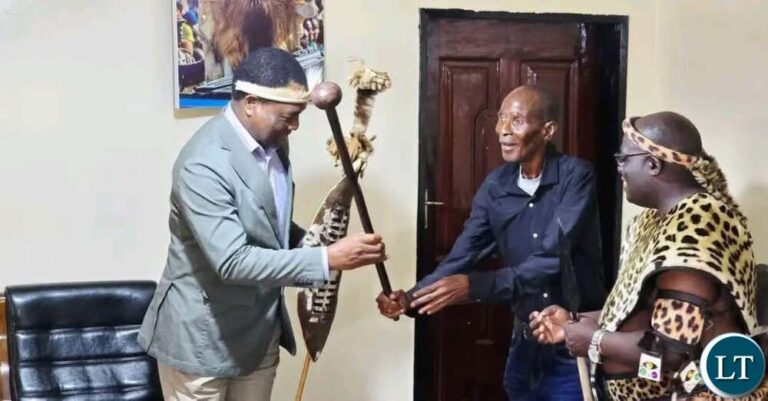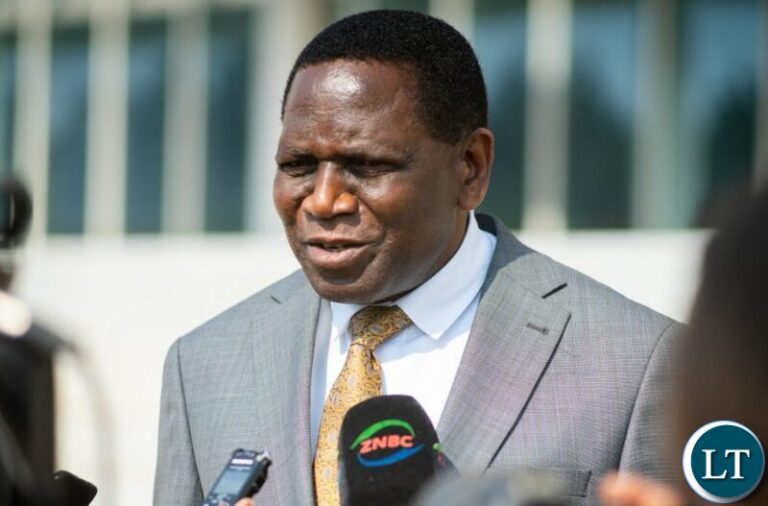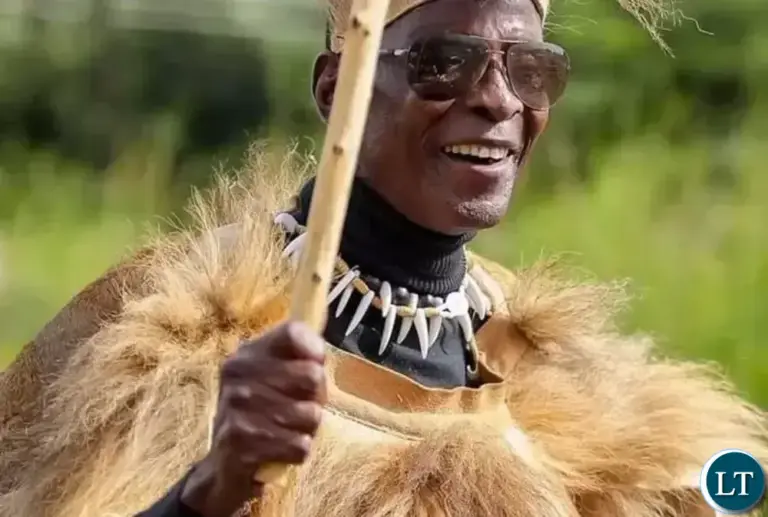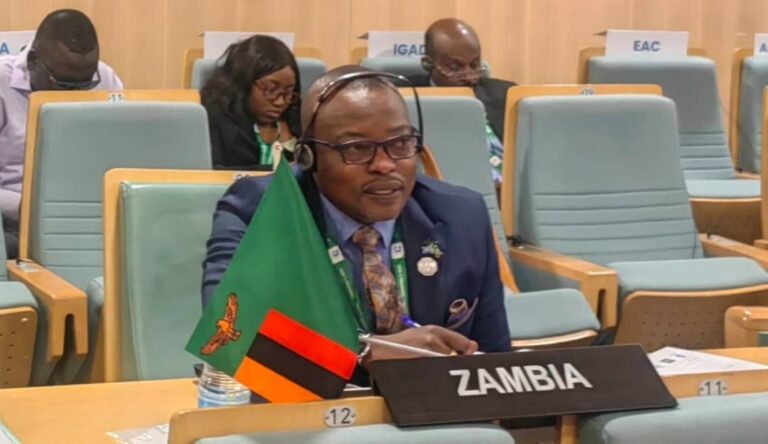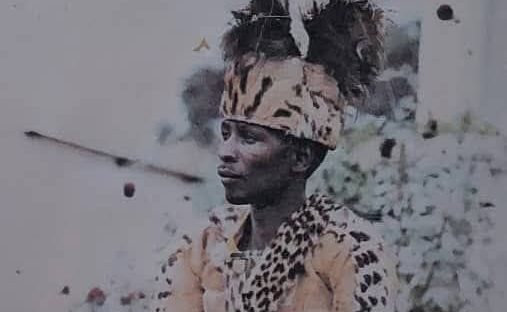
The death of Paramount Chief Mpezeni IV has brought to a close one of the longest and most influential reigns in Zambia’s traditional leadership, ending a 44-year chapter that shaped the cultural identity of the Ngoni people and left a lasting mark on the nation.
Born David Njengembaso Jere, Mpezeni IV ascended to the Ngoni throne in June 1982 following the death of his father, Paramount Chief Pontino Jere. What began as the responsibility of a young man working in Livingstone grew into a reign that would span more than four decades and make him one of Zambia’s most recognisable traditional leaders.
His death was announced by Senior Chief Nzamane IV, who informed the Ngoni people that Inkosi YaMakhosi had passed away and that funeral arrangements would be communicated in due course.
The announcement immediately drew tributes from government leaders, politicians, traditional authorities and ordinary citizens, many of whom described the late chief as a unifying figure whose influence extended well beyond Eastern Province.
President Hakainde Hichilema described the late traditional leader as a revered custodian of culture and heritage whose service would remain an enduring part of Zambia’s national story.
In a message of condolence, the President said Paramount Chief Mpezeni IV stood as a symbol of Zambia’s rich cultural diversity and dedicated his life to preserving the customs and traditions of the Ngoni people.
Government also described the death as a national loss.Ministry of Information and Media Permanent Secretary Thabo Kawana said the chief’s contribution to preserving culture, promoting peace and advancing development would be remembered for generations.
Mr Kawana said the Government would continue engaging the Royal Establishment as traditional and administrative processes relating to the funeral and succession arrangements unfold.
Vice-President Mutale Nalumango said the nation had lost not only a traditional leader but also a fatherly figure whose wisdom and guidance helped nurture unity among citizens.
She said his legacy would remain woven into the fabric of Zambia’s national identity and that generations would continue to draw inspiration from his leadership.
The story of Mpezeni IV’s rise to the throne has become part of Ngoni history.Following the death of his father in June 1981, Ngoni tradition required a year to pass before a successor could formally assume the throne. The waiting period was observed in accordance with longstanding customs before Njengembaso Jere was installed at Ephendukeni Palace in June 1982.
Historical accounts indicate that the coronation attracted significant attention from across the region.Zambia’s founding President Kenneth Kaunda attended the ceremony, while Paramount Chief M’Mbelwa III of Malawi presided over the installation of the new king before thousands of Ngoni subjects and invited guests.
Over the next 44 years, Mpezeni IV transformed the Nc’wala Traditional Ceremony into one of Zambia’s most prominent cultural events.
What began primarily as a traditional harvest celebration evolved into a nationally recognised ceremony attracting presidents, diplomats, government officials, traditional leaders and visitors from across Africa and beyond.
Throughout his reign, Mpezeni IV maintained influence across successive political administrations.He served during the presidencies of Kenneth Kaunda, Frederick Chiluba, Levy Mwanawasa, Rupiah Banda, Michael Sata, Edgar Lungu and Hakainde Hichilema, making him one of the few public figures whose leadership bridged multiple political generations.
PF-Pamodzi Alliance president Makebi Zulu described the late chief as a beacon of wisdom, unity and patriotism whose counsel was respected during both difficult and defining moments in Zambia’s history.
Mr Zulu said Paramount Chief Mpezeni IV would be remembered for his openness, courage and unwavering commitment to the welfare of his people.
Among the most personal tributes came from Patriots for Economic Progress president Sean Tembo, who recalled visiting Ephendukeni Palace only weeks ago.
Mr Tembo said he was struck by the chief’s humility and warmth, describing him as a leader who welcomed visitors personally and treated ordinary citizens with dignity and respect regardless of status.
Independent aspiring Lusaka Central Member of Parliament Moses Sikazwe said the late chief’s life was marked by service, wisdom and dedication to the people he led.
He said the traditional leader stood firmly for cultural preservation, peace and development and that his guidance had strengthened communities across the region.
Former Rural Electrification Authority chief executive officer Apostle Geoffrey Musonda remembered Paramount Chief Mpezeni IV as a businessman, farmer and approachable leader who remained deeply interested in the welfare of his people despite the demands of the throne.
He recalled learning that the traditional leader’s official name was David Jere while arranging travel logistics for board members more than a decade ago.
As news of the chief’s death spread, tributes continued to arrive from political leaders, civic organisations, traditional establishments and members of the public.
Many focused not only on the longevity of his reign but also on the values he consistently promoted: unity, humility, peace and respect for culture.
His passing leaves the Ngoni Royal Establishment facing the task of managing succession and preserving a legacy built over more than four decades.
For the Ngoni people and for Zambia as a whole, the death of Paramount Chief Mpezeni IV marks the end of one of the country’s most enduring traditional reigns and closes a chapter that shaped generations of leadership, culture and national identity.